How Denmark’s Pioneering Island of Samsø Transformed From Fossil Fuel Dependency to Marine Restoration

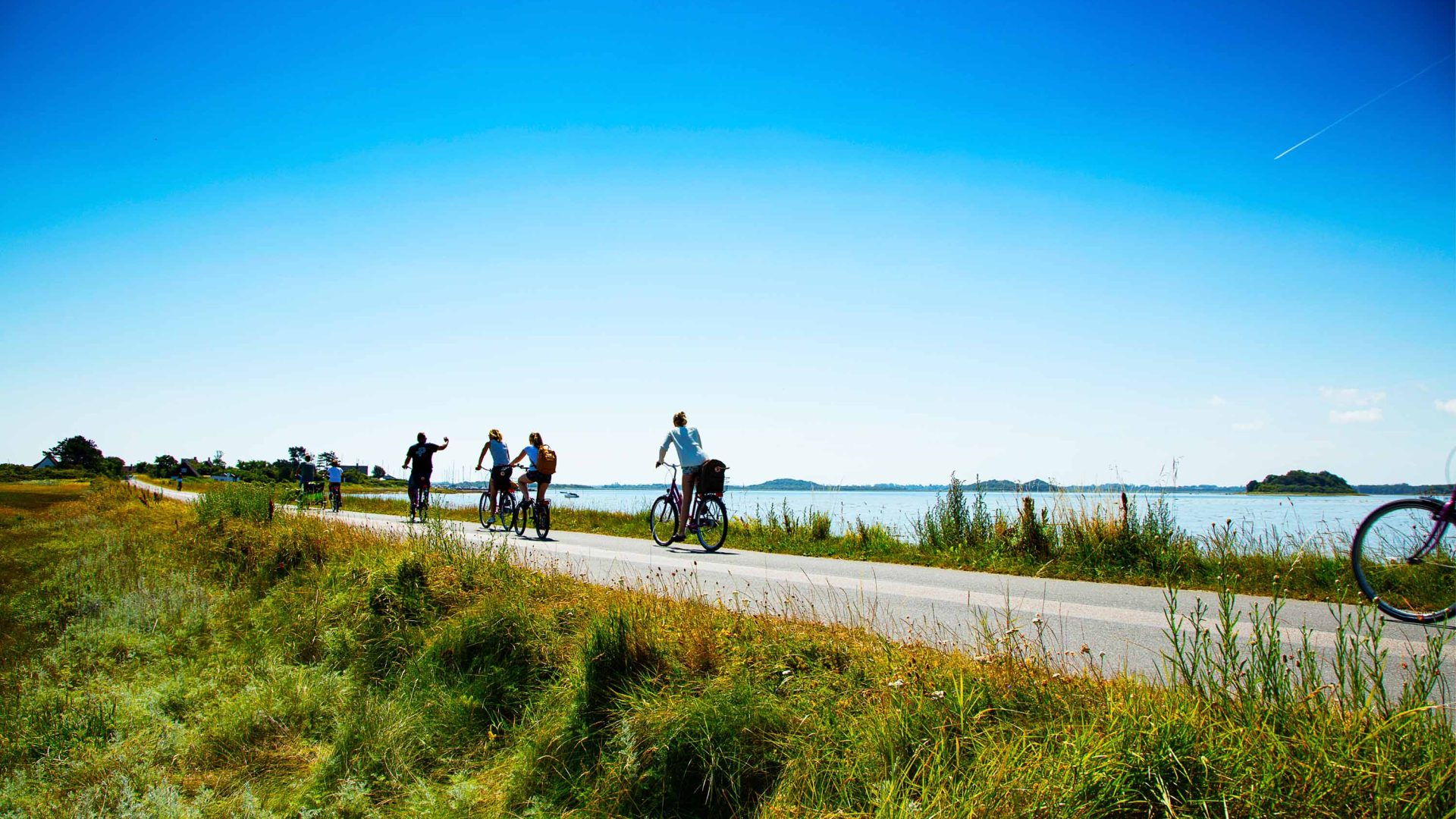
The Danish island of Samsø stands as a monumental case study in environmental transformation, holding the distinction of being the world’s first territory to successfully transition entirely from fossil fuels to 100 percent renewable energy. Located approximately an hour’s ferry ride from Aarhus on the Danish mainland, this rural community of 4,000 residents has spent nearly three decades redefining the relationship between human habitation and environmental stewardship. Beyond its celebrated terrestrial achievements in wind, solar, and biomass energy, Samsø is now turning its attention beneath the surface of the surrounding Baltic waters to address a historical ecological wound: the widespread depletion of marine habitats caused by a century of industrial stone-fishing.

The Genesis of a Renewable Revolution
The foundation of Samsø’s modern environmental identity was laid in 1997, when the island won a national government contest designed to demonstrate how a community could drastically reduce its carbon emissions. While financial backing from the state was initially minimal—limited primarily to funding the salary of Søren Hermansen, a locally born farmer later recognized as a "Hero of the Environment" by Time Magazine—the community mobilization was absolute.
Overcoming the anticipated resistance from generations-old farming families required careful consensus-building and grassroots economic engagement. Ultimately, the island’s energy transition was funded through a combination of municipal investment, local cooperatives, and individual resident stakeholders. This collaborative financial model yielded a robust renewable infrastructure:
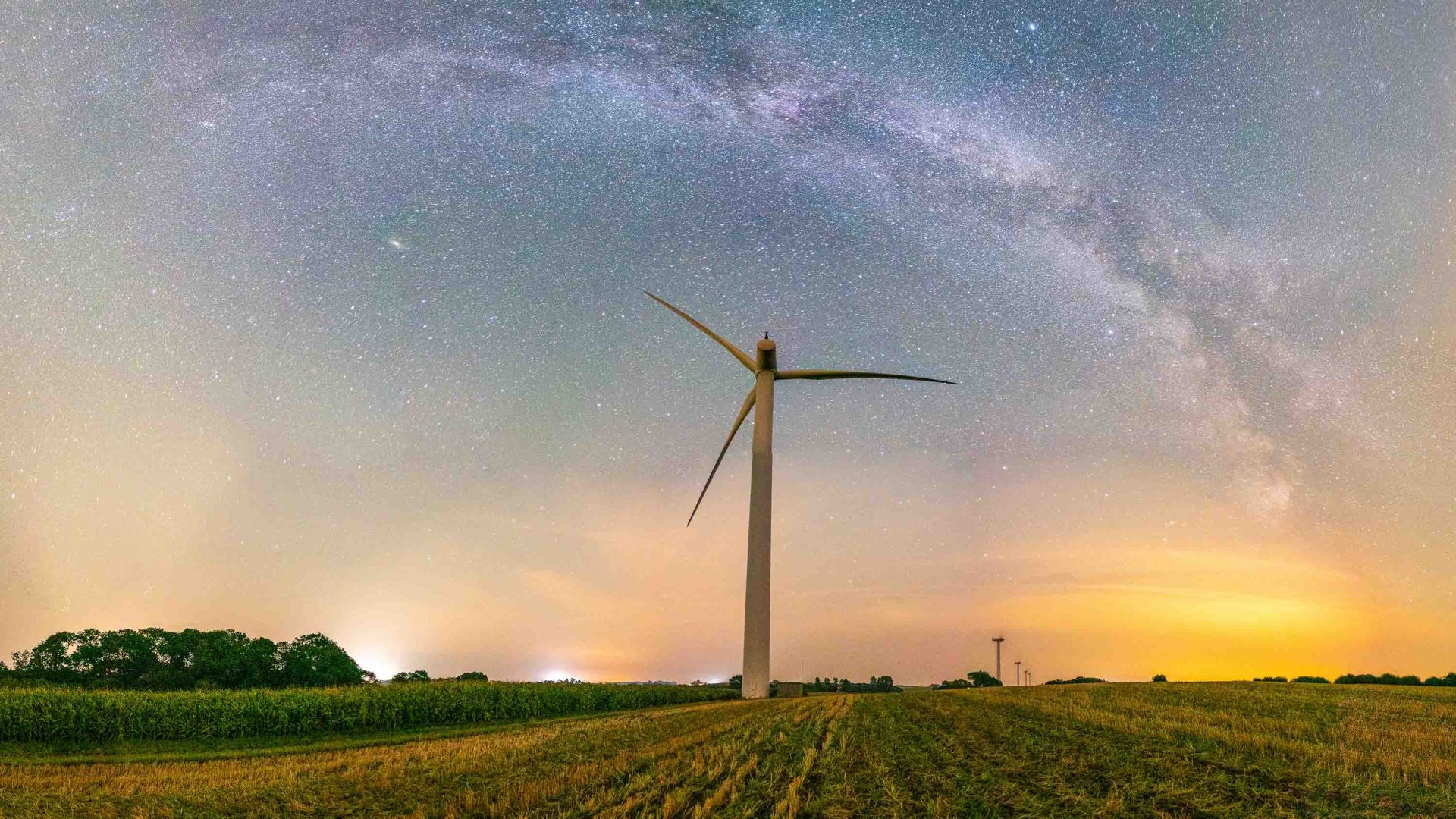
- 21 wind turbines, split evenly between 10 offshore installations and 11 land-based units, providing surplus electricity that is transmitted back to the Danish mainland.
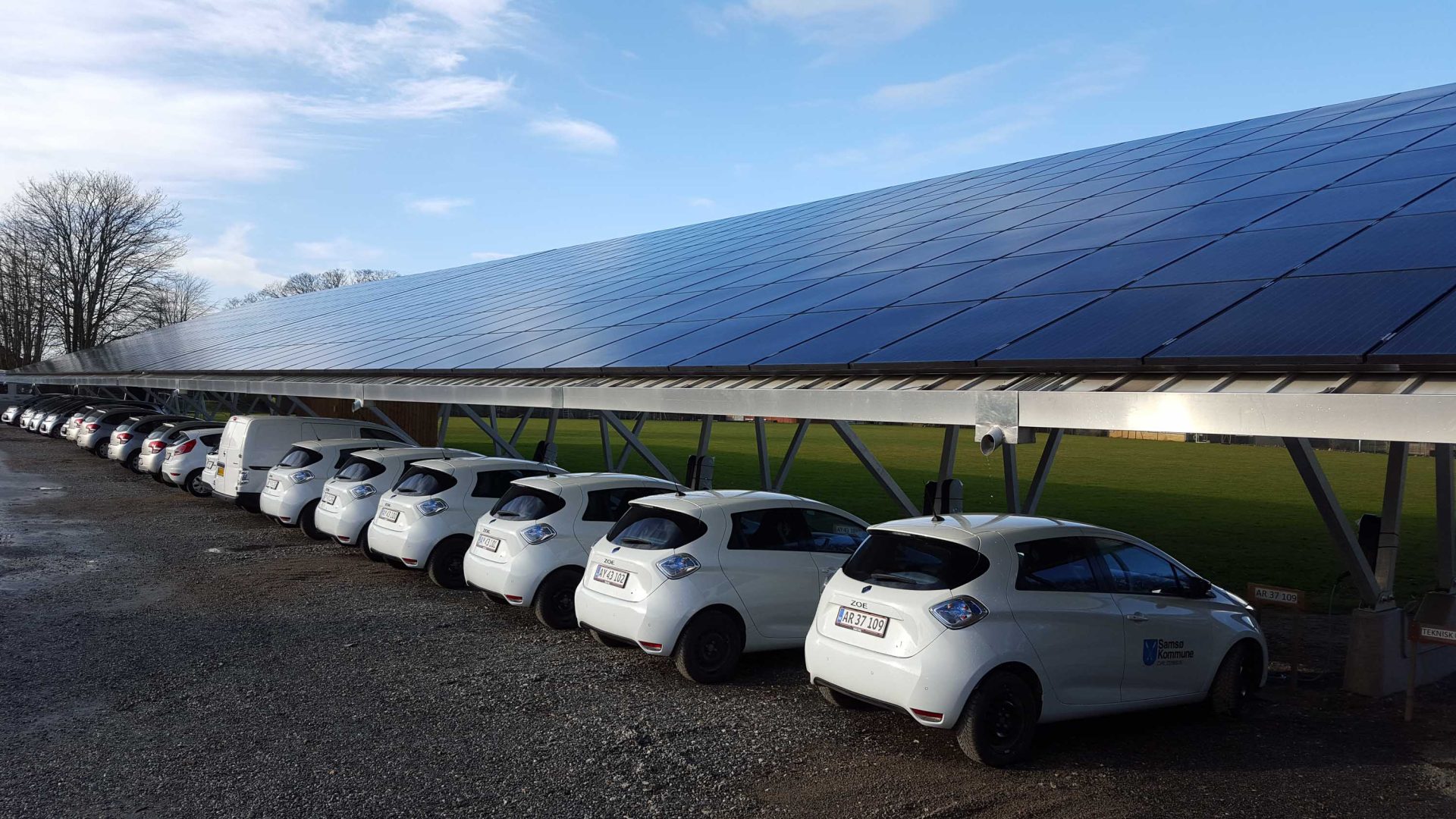
- Approximately 50 photovoltaic solar installations converting sunlight into clean electricity.
- Advanced biomass district heating plants fueled by straw purchased directly from local Samsø agricultural producers.
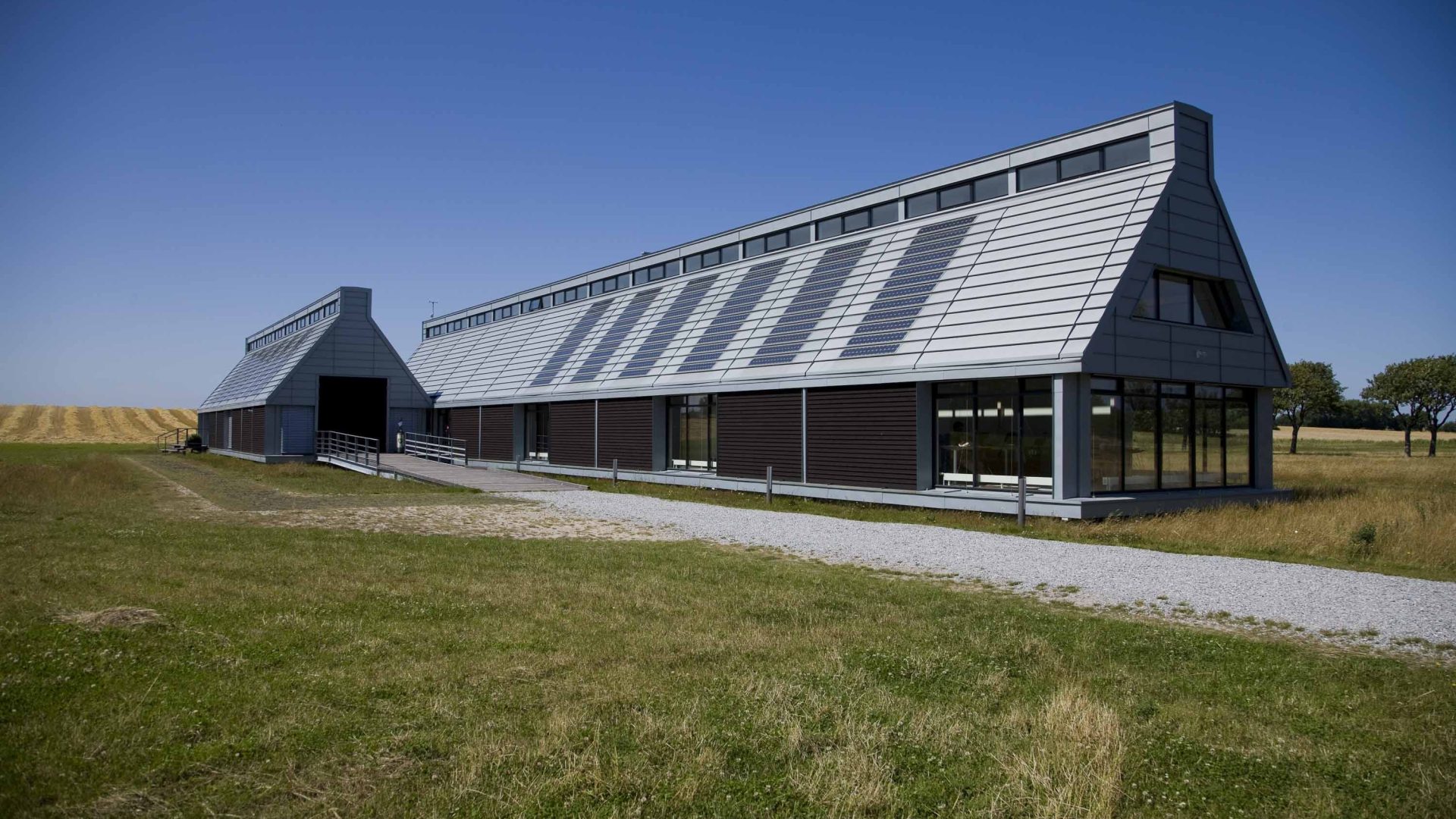
Today, Samsø operates as an effectively carbon-negative territory, producing more energy than it consumes and generating passive income for local investors. The socio-economic fabric of the island has experienced a parallel revitalization. Once characterized by an aging demographic, Samsø has witnessed an influx of younger residents and professionals drawn by research, educational opportunities, and employment at the Samsø Energy Academy—a globally recognized center for renewable energy education and outreach.
From Agricultural Roots to Sustainable Gastronomy
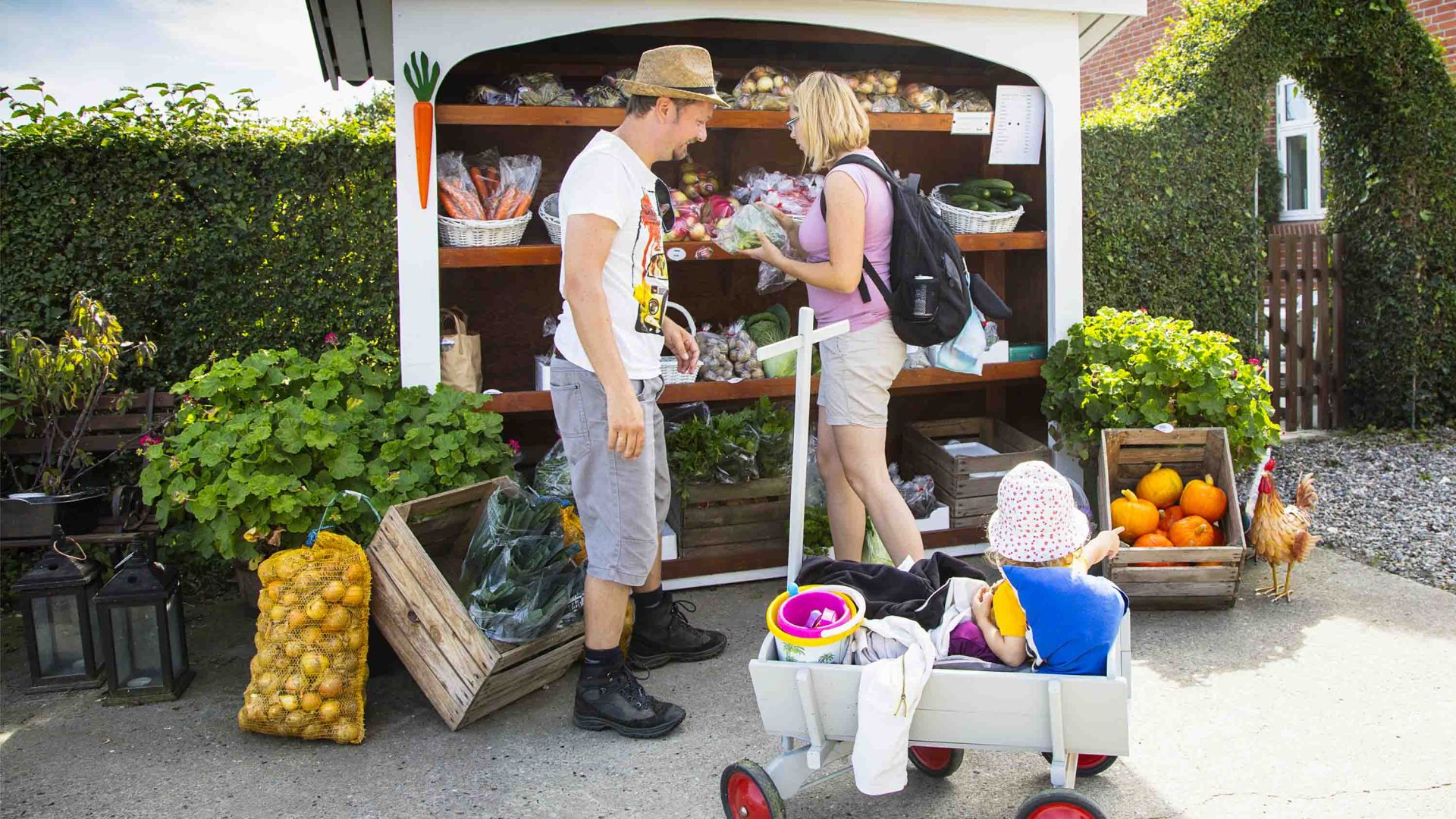
Samsø’s commitment to sustainability extends deeply into its agricultural and commercial sectors. Widely known as "The Pantry of Denmark," the island leverages its rich glacial soils to produce high-yield crops, including potatoes traditionally earmarked for the Danish Royal Family.
In recent decades, local producers have pivoted from conventional farming toward value-added, hyper-local enterprises designed to minimize food-mile-generated carbon emissions. Establishments such as the café and grocery store Smagen af Ø ("Taste of the Island") in Nordby opened in 2008 with a mandate to stock exclusively locally manufactured goods. While initial inventories were restricted to basic jams and vinegars, shelves are now heavily stocked with artisanal items ranging from onion marmalade and berry preserves to cold-pressed rapeseed oils and regional fruit juices. Even unconventional local innovations, such as the use of indigenous wood ants for citrus notes in locally distilled gin, underscore a broader economic ethos centered on utilizing immediate natural capital.
Reversing the Damage of Industrial Stone-Fishing
While Samsø’s terrestrial achievements have been extensively documented in academic literature, the island’s marine ecosystems have faced severe anthropogenic pressures. Between 1900 and 2000, roughly 9.15 million tons (8.3 million cubic meters)—equivalent in volume to approximately eight Empire State Buildings—of seabed stone were harvested from Danish waters for coastal and maritime construction. This commercial practice, known as stone-fishing, stripped the sea floor of natural rock formations, devastating complex marine habitats that once supported thriving fisheries.
For long-time residents like Michael Kristensen, the degradation of the local marine environment was starkly visible over the course of a single generation. Where residents could once fish directly from the shoreline, decades of habitat destruction left coastal waters largely barren.
To counteract this ecological loss, Danish authorities and environmental organizations have increasingly turned to the restoration of stone reefs. This strategy aligns with Denmark’s legally binding commitment to achieve net-zero carbon emissions by 2050, a goal requiring active carbon sequestration alongside emissions reductions. Rocky marine structures facilitate carbon capture through natural chemical processes: underwater stony formations absorb bicarbonate ions from the surrounding water, combining them with calcium to form enduring skeletal carbonate structures that lock away carbon over geological timescales.
The Implementation of BARREEF
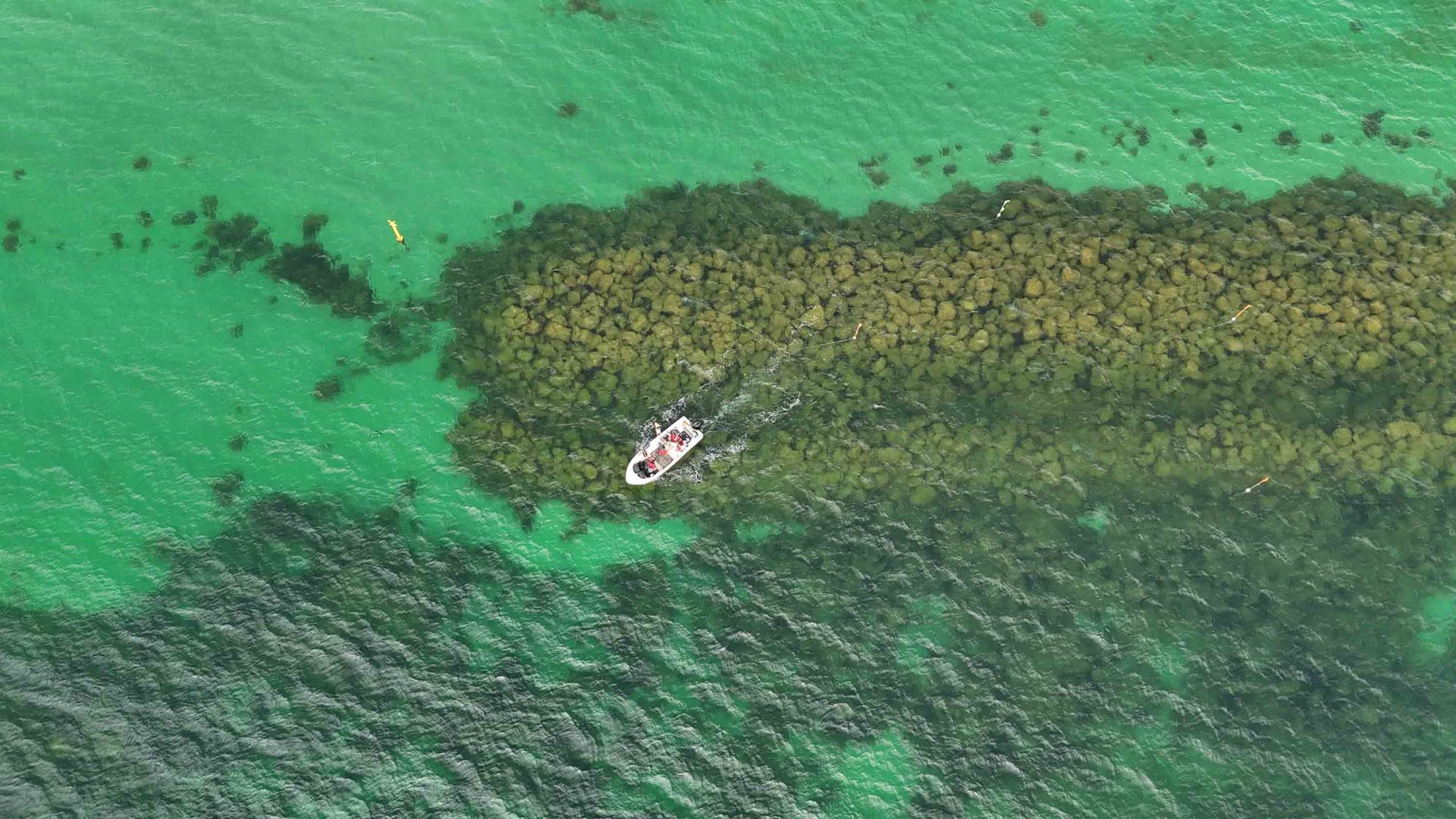
In response to these historical losses, environmental stakeholders on Samsø initiated the development of BARREEF, an artificial stone reef established off the island’s southeastern coast near the harbor village of Ballen. The project originated from localized concerns regarding coastal erosion along a vulnerable gravel road, alongside the broader objectives of reinstating marine biodiversity and encouraging the growth of vital seagrass meadows.
The construction of BARREEF utilized 6,000 metric tons of high-grade granite waste sourced from Norwegian quarries. Placed strategically on the seabed, the granite boulders recreate the complex, cavernous topography necessary for marine organisms to anchor, breed, and hide from predators.
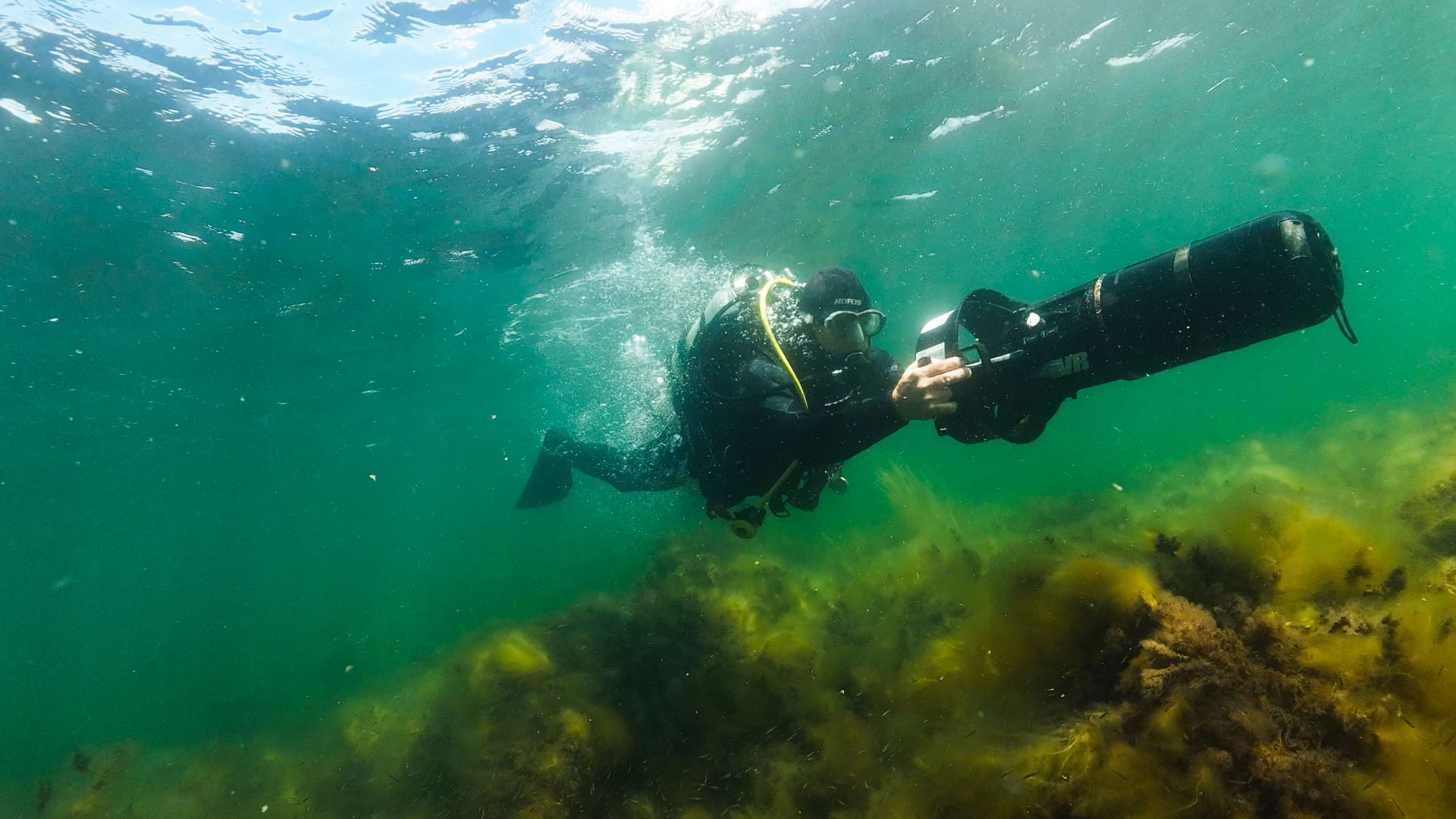
According to marine biologists from DTU Aqua (the National Institute of Aquatic Resources), submerged hard structures rapidly become focal points for biological colonization. Underwater monitoring equipment deployed at the BARREEF site has already documented encouraging early indicators of ecological recovery, including the proliferation of benthic algae and the return of native fish species such as goby and wrasse.
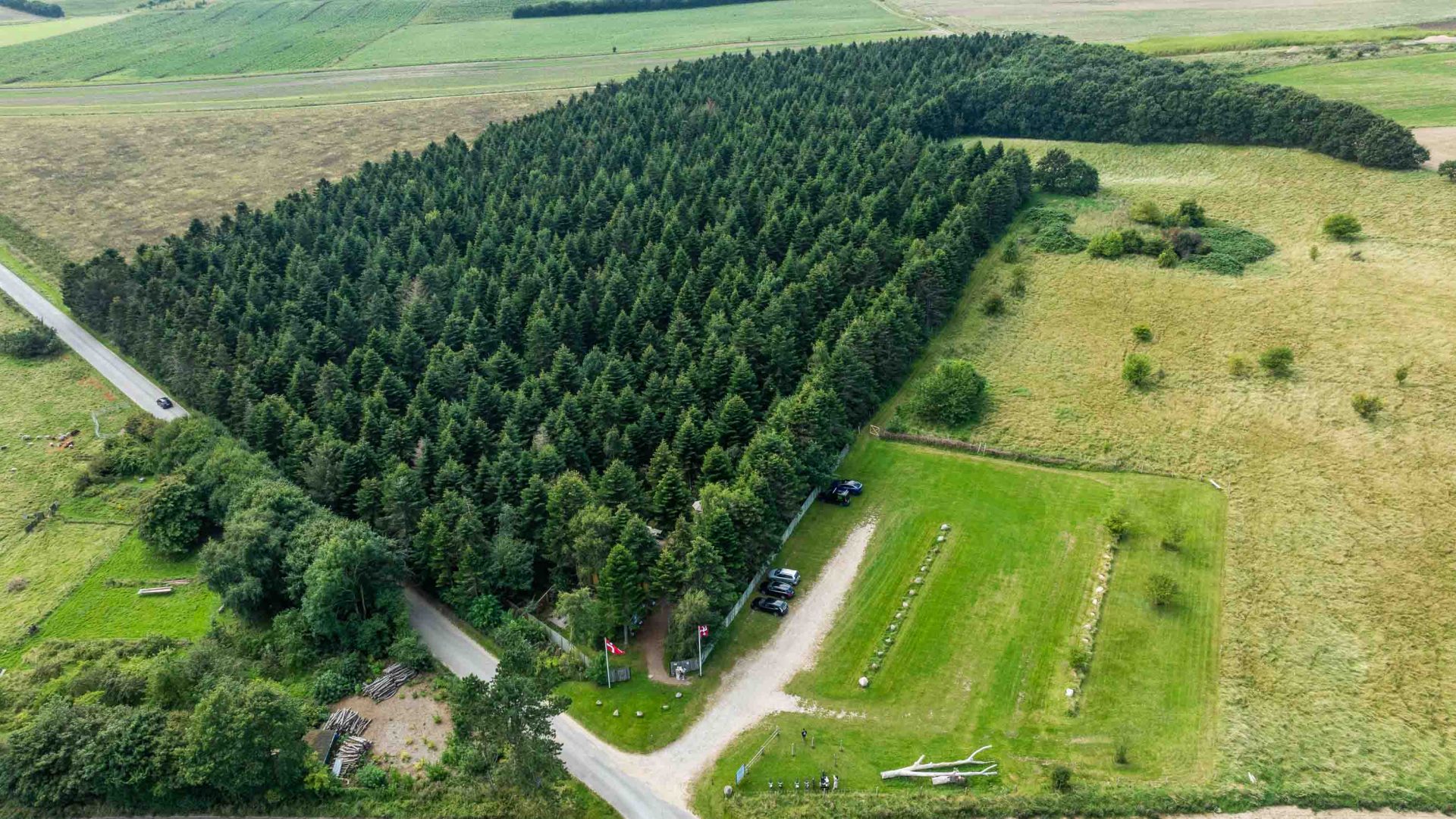
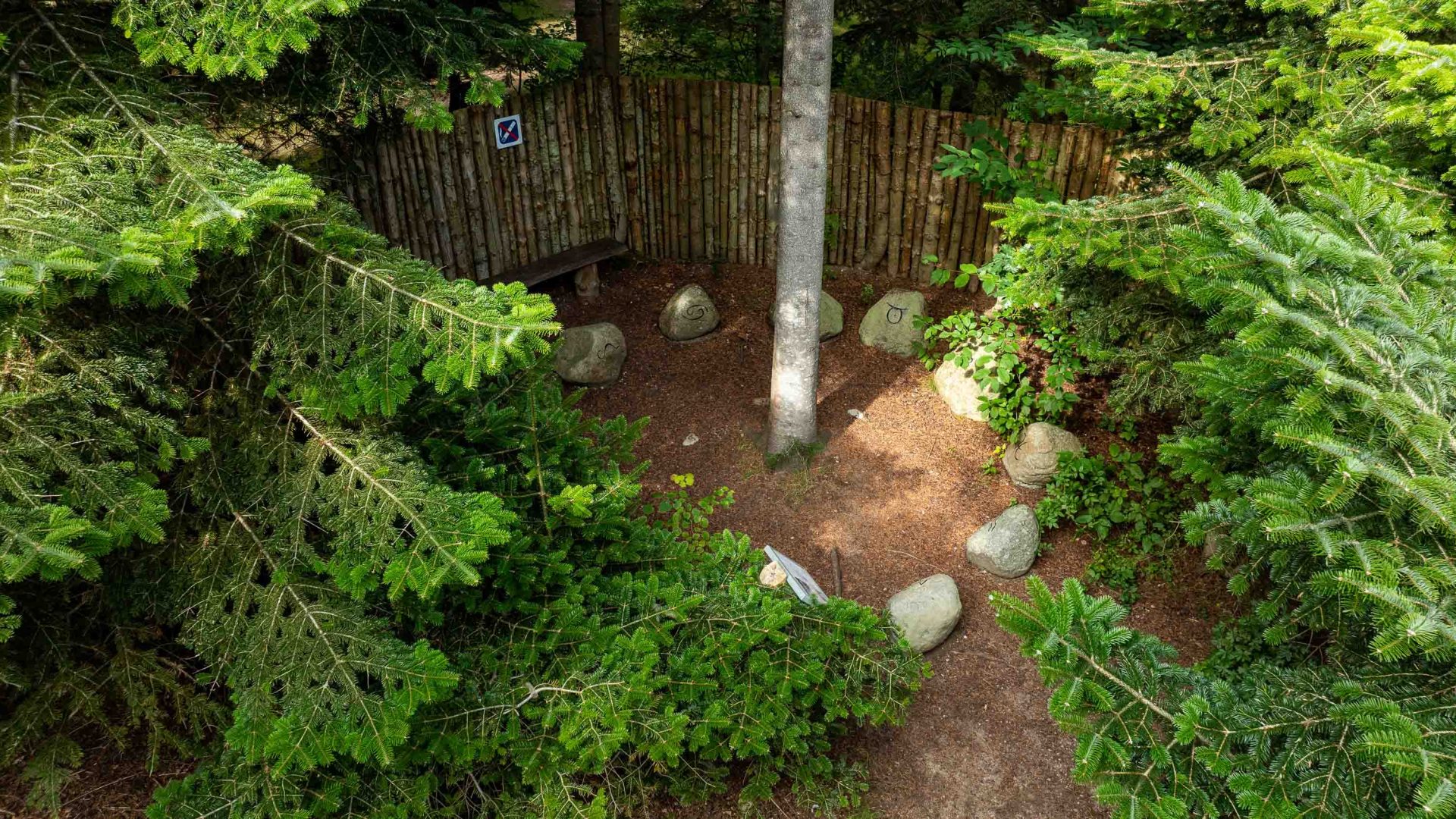
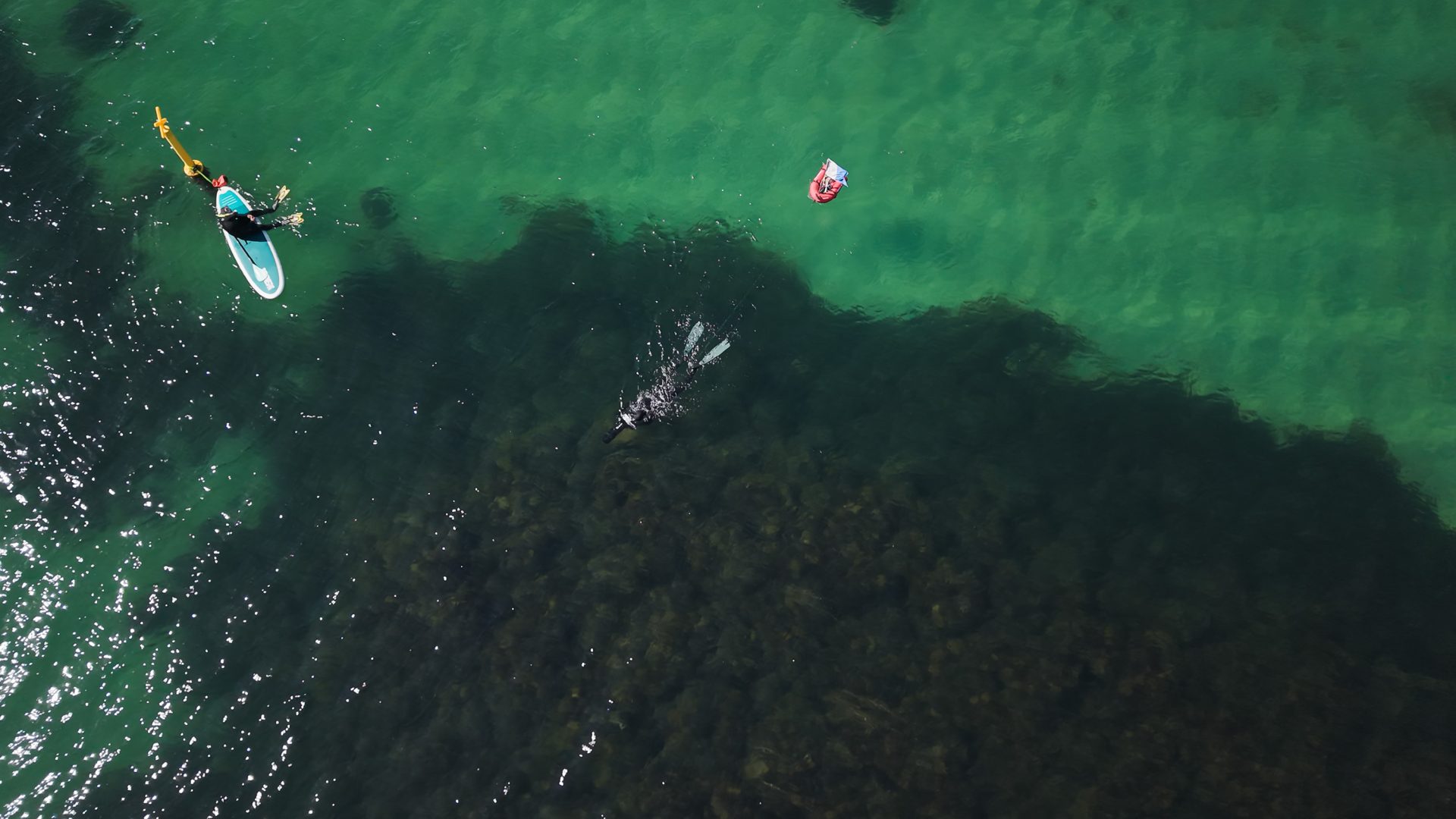
Unlike terrestrial installations such as Samsø’s famous 15-acre Labyrinten—a Guinness-certified tree maze that absorbs between 1,000 and 1,250 metric tons of CO2 annually—BARREEF was engineered primarily as an ecological restoration zone rather than a tourism attraction. Maritime navigation and sailing are strictly prohibited within its immediate perimeters to protect recovering species. Nevertheless, environmental experts anticipate that the long-term stabilization of the marine ecosystem will indirectly benefit low-impact recreational activities such as paddleboarding, snorkeling, and diving.
Implications and Global Replicability
The dual transition of Samsø—from fossil fuel dependency to energy independence, and subsequently from marine degradation to active ecological restoration—offers a replicable blueprint for island and coastal communities globally. By intertwining rigorous municipal planning, localized cooperative financing, and community-driven scientific research, Samsø demonstrates that systemic environmental challenges can be successfully met at a grassroots level.
As global policymakers grapple with the dual crises of climate change and biodiversity loss, the ongoing monitoring of initiatives like BARREEF will provide critical empirical data on the efficacy of artificial stone reefs in temperate waters. For Samsø, the project represents the next logical phase in an enduring commitment to ecological balance, proving that human ingenuity, when aligned with natural systems, possesses the capacity to restore what was once thought permanently lost.