United Airlines to Introduce Tiered Business Class Fares on Domestic and Short-Haul Routes

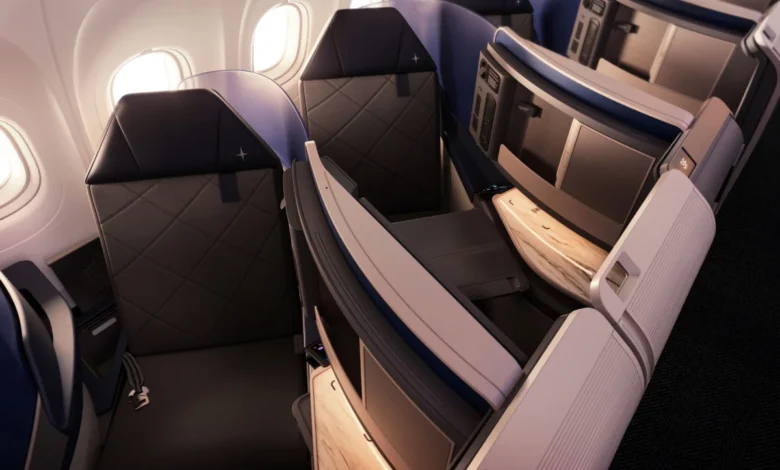
United Airlines is preparing to overhaul its premium cabin pricing strategy by introducing a new tiered fare structure for United First and United Business class. According to internal documentation obtained by industry analysts, the Chicago-based carrier plans to segment its premium offerings into three distinct categories: Base, Standard, and a yet-to-be-fully-detailed third tier. This strategic pivot, intended to modernize the airline’s revenue management systems, marks a significant departure from the traditional "one-size-fits-all" business class pricing model that has long dominated domestic aviation.
The New Fare Structure: A Breakdown
The implementation of these tiers suggests that United is looking to capture a broader spectrum of premium travelers. While specific pricing details remain under wraps, the framework centers on the following categories:
- Base: Designed as the entry-level price point, this tier is expected to appeal to price-sensitive leisure travelers who desire the comfort of a premium seat but may be willing to forgo certain ancillary benefits.
- Standard: This tier functions as the mid-range offering, likely including complimentary seat selection, additional checked baggage allowances, and potentially more flexible change or cancellation policies compared to the Base fare.
- The Premium/Full-Service Tier: While the internal announcement emphasized the first two, industry experts anticipate a third, high-end tier that may incorporate exclusive amenities such as priority boarding, enhanced catering options, or even lounge access credits.
This move aligns with a broader industry trend where legacy carriers are increasingly adopting "unbundling" strategies, typically reserved for economy cabins, and applying them to higher-fare classes to maximize yield per seat.
The Evolution of Premium Cabin Revenue Management
United’s move follows years of iterative changes in how airlines monetize their most valuable real estate. Historically, business class was sold as a monolithic product. However, as demand for premium travel surged post-pandemic, airlines have struggled to balance the needs of high-frequency corporate travelers—who prioritize flexibility and reliability—with "aspirational" leisure travelers who often purchase premium seats for special occasions.
By creating tiered pricing, United is effectively creating a "premium economy" style experience within the business cabin. This allows the airline to maintain high load factors by lowering the barrier to entry for the Base tier, while simultaneously extracting higher premiums from corporate clients who require the full suite of services provided in the higher tiers.
Chronology of Competitive Shifts
The shift toward tiered premium products has not happened in a vacuum. For years, the U.S. airline industry has been moving toward more granular fare structures.
- 2015-2017: Major U.S. carriers, including United, American, and Delta, introduced "Basic Economy" to compete with low-cost carriers like Spirit and Frontier. This established the precedent of unbundling.
- 2020-2022: During the recovery phase of the pandemic, premium cabin demand surged. Airlines realized that leisure travelers were increasingly willing to pay for "the front of the plane," leading to record-breaking revenue for premium cabins.
- 2024: United accelerated the rollout of its A321XLR aircraft, which feature the new "Polaris" style suites, signaling a commitment to a premium-heavy fleet.
- September 2026: The current announcement regarding tiered business class fares marks the next logical step in this evolution, reflecting the carrier’s confidence in its ability to segment demand without alienating its most loyal customer base.
Supporting Data and Market Context
The economics of this transition are driven by the changing demographics of the premium traveler. According to recent aviation data, the gap between corporate travel recovery and leisure premium travel has narrowed significantly. In 2025, premium leisure travel grew by nearly 14% year-over-year, while corporate travel remained steady but price-conscious.
By implementing tiered fares, United is positioning itself to capture the "marginal" premium traveler—those who might have previously opted for Economy Plus or purchased a standard business seat only when the price was right. By offering a "Base" business fare, United can aggressively price against competitors while protecting its brand equity as a premium airline.
Official Responses and Internal Sentiment
While United Airlines has not released a public statement confirming the specific rollout date for these tiers, the internal memo indicates that the change is part of a wider effort to "optimize inventory management."

Industry insiders suggest that this move is a calculated response to the operational costs associated with maintaining premium services. "The cost of serving a full-fare business passenger is vastly different from a passenger who upgrades via miles or a last-minute discount," says an independent airline consultant. "United is essentially saying that if you want the full service—the flexibility, the extra bags, the prime seat—you must pay the premium. If you just want the seat, we can offer a more competitive price point."
The Implications for Frequent Flyers and Corporate Contracts
For the frequent flyer, this development carries significant implications for loyalty programs and upgrade availability. If United shifts to a tiered model, it is likely that the "Base" business class fares will be ineligible for certain perks or may earn fewer Premier Qualifying Points (PQPs).
Corporate contracts are also expected to see a shift. Large firms that negotiate flat rates for business travel may find that their contracts are adjusted to reflect these new tiers, potentially limiting their employees to "Standard" or "Premium" tiers rather than the "Base" options. This ensures that the airline does not lose revenue from its most reliable corporate partners while still capitalizing on the leisure segment.
Broader Impact on the Aviation Industry
United’s decision is likely to trigger a domino effect across the U.S. domestic market. When one legacy carrier introduces a significant change to cabin revenue management, competitors usually follow suit within 12 to 18 months. Delta and American Airlines, both of which have been aggressively expanding their premium cabin offerings, will be watching the performance of United’s tiered fares closely.
If successful, this could lead to the permanent erosion of the "all-inclusive" business class model in domestic aviation. While international long-haul business class remains protected by higher service expectations and international competition, domestic travel is becoming increasingly modular.
Analyzing the "Premiumization" Strategy
The "premiumization" of the airline industry has been a hallmark of the 2020s. Carriers are no longer just selling a seat from point A to point B; they are selling a suite of experiences. By allowing customers to choose their level of service, United is effectively treating the business cabin as a digital marketplace.
The risk, of course, is brand dilution. If the "Base" business experience is too stripped down, the airline risks damaging its reputation for quality. However, United’s investment in its new Polaris-equipped A321XLR fleet suggests that the hardware will remain top-tier, even if the service level varies by fare tier. This creates a high-quality environment that the airline can monetize at multiple price points.
Looking Ahead
As United moves forward with this initiative, stakeholders will be monitoring the impact on customer satisfaction scores and yield per available seat mile (YASM). The transition will require significant investment in IT infrastructure to ensure that the booking engine correctly differentiates between the tiers at the point of sale.
For the average traveler, the booking process will become more complex, requiring careful attention to what is included in the fare. The era of assuming a business class ticket includes a standardized suite of benefits is drawing to a close. Instead, passengers will be invited to curate their travel experience, paying for the specific components they value most.
This move underscores United’s broader strategy of reclaiming profitability through segmentation. By leveraging its extensive network and modernizing its premium product, the airline is attempting to insulate itself from the volatility of the economy class market while capitalizing on the enduring demand for comfort in the sky. Whether this model becomes the industry standard or a niche experiment remains to be seen, but for now, United is setting the pace for the future of domestic premium travel.