The paradigm shift in travel logistics: How live entertainment is rewriting the industry calendar

Travel companies have historically structured their business models around a predictable, seasonal triad: weather patterns, school holiday calendars, and long-standing historical demand data. For decades, the hospitality and aviation sectors relied on these cyclical markers to forecast occupancy, set pricing, and manage inventory. However, a significant realignment is currently underway. The rise of "live tourism"—a sector encompassing global concert tours, international sports tournaments, and large-scale cultural festivals—is operating on an entirely different timeline, one that is increasingly dictating the flow of global travel rather than merely following it.
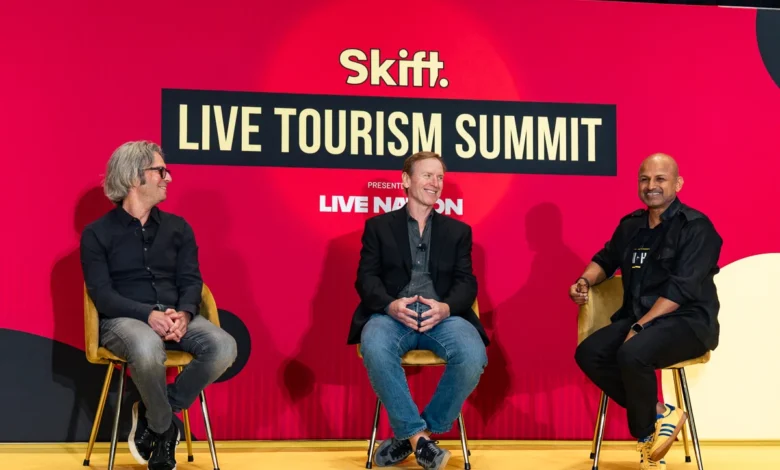
At the heart of this shift is the realization that major events serve as catalysts for travel demand, creating surges that are pre-sold months, and sometimes years, in advance. As Skift founder and CEO Rafat Ali recently noted at the inaugural Live Tourism Summit, a vast portion of modern travel demand is essentially "baked in" well before traditional revenue management systems for airlines and hotels typically begin their high-intensity booking cycles.
The Decoupling of Traditional Travel Cycles
Traditional tourism relies heavily on reactive forecasting. If a coastal resort sees an influx of visitors in July, it is due to a combination of favorable weather and summer school breaks. Conversely, live tourism is inherently proactive. When a global pop icon announces a world tour or a governing body confirms the host city for a quadrennial sporting event, the "event-led travel" window opens immediately.
This phenomenon creates a disconnect between the event organizers and the travel infrastructure providers. While ticket sales for major stadium tours often sell out within hours of an announcement, the surrounding ecosystem—hotels, regional transport, and ancillary experiences—often struggles to capture the full economic value because their internal algorithms are still tuned to historical seasonal trends rather than the specific, high-velocity demand generated by the entertainment industry.
Chronology of the Live Tourism Explosion
The emergence of live tourism as a dominant economic force can be traced through several key milestones over the last decade:
- 2015–2019: The Festivalization of Travel. The rise of "destination festivals" began to move beyond local audiences. Events like Coachella, Tomorrowland, and Glastonbury shifted from local gatherings to international pilgrimage sites, forcing travel agencies to curate packages specifically around event dates.
- 2020–2021: The Pandemic Stasis. The total shutdown of live events resulted in a massive backlog of unfulfilled demand, leading to the "revenge travel" phenomenon that peaked in 2022.
- 2023: The "Eras" Effect. The launch of Taylor Swift’s record-breaking tour served as a watershed moment for the industry. Economists coined the term "Swiftonomics" to describe how a single artist could influence regional inflation, hotel occupancy rates, and local GDPs across multiple continents.
- 2024–Present: Institutionalization. The industry is moving from reactive observation to strategic integration. The Live Tourism Summit represents the first formal attempt by travel executives to build a systematic framework for aligning hotel and airline inventory with the fixed calendars of live entertainment.
Supporting Data: The Economic Weight of Live Events
The financial implications of this shift are quantifiable. According to data from the World Travel & Tourism Council (WTTC), the intersection of events and tourism now accounts for an increasing share of total travel spend. For major host cities, the "multiplier effect" of a major concert or sporting event is significant.
A study conducted by the U.S. Travel Association highlighted that for every dollar spent on a ticket to a major sporting event, attendees spend an average of $3.50 on non-event-related services, including accommodation, local dining, and ground transportation. Furthermore, demand for hotel rooms in cities hosting major concerts often surges by 300% to 500% compared to the same dates in previous years.
For airlines, the impact is equally pronounced. Carriers are now increasingly using "event-based scheduling," deploying larger aircraft or adding supplemental flights to routes connecting major hubs to event host cities. This represents a departure from the traditional hub-and-spoke model that prioritizes steady, year-round business travel demand.
Official Responses and Industry Perspectives
During the Live Tourism Summit, industry leaders discussed the necessity of bridging the data gap between event promoters and travel providers. One of the primary points of tension remains the lack of visibility that hotel chains have regarding the specific demographics of concert attendees.
"We are currently flying blind," noted a senior revenue manager at a global hotel group. "We see a spike in searches for a particular city on a specific weekend, but we don’t always have the data to correlate that with an event announcement until it is too late to adjust our dynamic pricing models or optimize our staffing."
Conversely, event promoters have argued that they hold the key to the next decade of tourism growth. By integrating ticketing data with hotel inventory management systems, promoters believe they can offer "bundled" experiences that reduce the friction currently plaguing travelers. The goal is to move toward a model where booking a concert ticket automatically surfaces available, curated accommodation options, effectively turning the concert ticket into the "anchor" for a broader travel experience.
The Broader Implications: Implications for Infrastructure
The shift toward live tourism requires a fundamental rethink of infrastructure investment. If a city is to consistently host major global events, it requires not only stadiums and arenas but also a transportation network capable of handling massive, concentrated surges in volume.
- Dynamic Staffing: Hospitality providers are beginning to utilize AI-driven predictive analytics that ingest event calendars to adjust staffing levels, ensuring that front-desk and housekeeping operations can scale up for concert weekends.
- Inventory Management: The move toward "event-aware" revenue management systems allows hotels to shield their inventory from generic OTA (Online Travel Agency) bulk-buying and instead reserve capacity for event-goers, who generally display a higher willingness to pay during peak periods.
- Infrastructure Longevity: Governments and urban planners are increasingly viewing stadiums as "anchor institutions" for urban development. The goal is to design city centers that can handle the "festival flow," ensuring that the transit hubs, restaurants, and hotels surrounding a venue remain viable year-round, even when the concert season is dormant.
Fact-Based Analysis: Future Outlook
The trajectory of the travel industry is clear: the era of relying solely on the "calendar of the sun" is over. The "calendar of the stage" is becoming the dominant driver of global mobility.
However, this transition is not without risks. The volatility of live events—ranging from tour cancellations to weather-related venue closures—poses significant challenges for travel companies accustomed to the relative stability of seasonal demand. Furthermore, the rising cost of live entertainment, combined with the premium pricing of hotels during event windows, may lead to "event fatigue" or price sensitivity among middle-class travelers.
Nevertheless, the long-term outlook remains bullish. As entertainment becomes increasingly globalized and the desire for "experience-based" travel continues to outpace the desire for simple destination travel, the companies that successfully integrate themselves into the live event ecosystem will hold a distinct competitive advantage.
The Live Tourism Summit has set a precedent for a new form of corporate cooperation. The future of travel will be defined by the ability of disparate industries—promoters, hospitality groups, airlines, and local governments—to synchronize their operations. By treating the global entertainment calendar as a primary data source rather than an external variable, the travel industry is positioning itself to capture the full economic potential of the modern, event-focused traveler.
In conclusion, while the traditional pillars of travel—weather and school holidays—will always remain, they are no longer the sole architects of the industry’s success. The stage is set, and for the travel sector, the performance has only just begun. The successful companies of the next decade will be those that learn to dance to the rhythm of the live entertainment calendar, transforming the uncertainty of a concert tour into the predictability of a well-oiled, highly profitable business model.