Airbnb Unveils Major Fall 2026 Update Integrating Social Networking and Advanced AI to Revolutionize Travel Planning

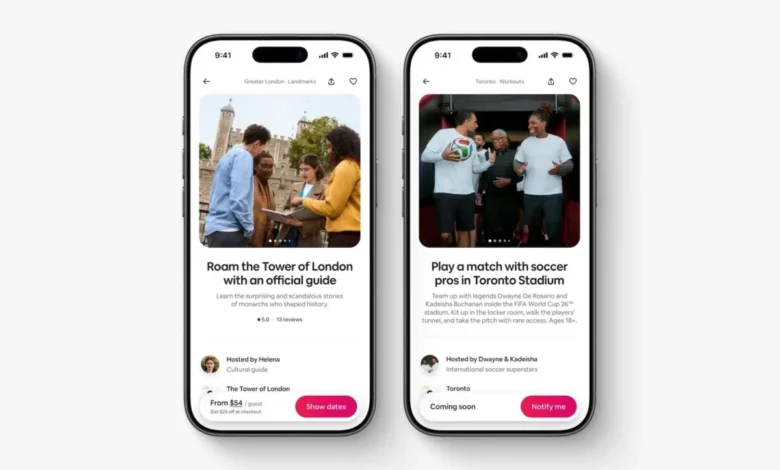
Airbnb has officially unveiled its comprehensive Fall 2026 product release, marking a significant strategic pivot toward a more interconnected and automated user experience. By integrating a new social layer designed to facilitate peer-to-peer recommendations and embedding advanced generative artificial intelligence across its search and logistics infrastructure, the platform aims to address common friction points in the modern travel booking journey. This update represents one of the most substantial overhauls of the Airbnb interface since the company’s transition to its “Categories” search model in 2022, signaling a commitment to retaining users within the platform ecosystem throughout the entire duration of their travel lifecycle.
The Chronology of Airbnb’s Technological Evolution
To understand the scale of the 2026 release, one must look at the company’s trajectory over the past four years. In 2022, Airbnb introduced a category-based search, allowing users to browse based on the style of home rather than just location. By 2024, the company began integrating foundational AI tools to assist hosts with listing descriptions and pricing optimization. The Fall 2026 update accelerates this trend, moving from administrative AI support to consumer-facing, decision-making assistance.
The rollout is structured in distinct phases. The social networking features, including the interactive Travel Map and connection tools, are being deployed globally effective immediately. The AI-driven search enhancements are currently restricted to the United States, with a planned international rollout throughout the remainder of the fiscal year. Specialized service partnerships, such as the integration with BabyQuip and Rinse, follow a staggered regional release schedule, prioritizing high-traffic metropolitan areas before expanding to broader markets by the end of December.
The Social Layer: Transforming Recommendations into Data
At the heart of the new release is the introduction of a “social layer,” which shifts the Airbnb experience from a solitary booking process to a collaborative one. Historically, travelers have relied on external platforms like WhatsApp, Google Maps, or social media to coordinate trips with friends. Airbnb’s new interface allows users to link accounts, fostering a private network of trusted travel companions.
The most notable feature within this ecosystem is the interactive Travel Map. When users opt in, they can view their friends’ historical stays, curated experiences, and public reviews. The system is designed to act as a repository of “social proof,” allowing users to bypass generic algorithms in favor of recommendations from individuals whose travel tastes they already trust. Privacy advocates have noted the platform’s focus on user agency; the company has implemented granular controls, allowing individuals to toggle the visibility of specific trips or remove connections entirely. This design choice appears to be a proactive measure to mitigate concerns regarding digital privacy and unwanted data exposure.
Furthermore, the integration of neighborhood pages—which aggregate data from guests, local hosts, and public information—serves as a comprehensive destination guide. By synthesizing this information, Airbnb is effectively positioning itself as a competitor to traditional travel guide platforms and mapping services.
AI-Powered Search and the End of Traditional Filtering
The implementation of generative AI within the search bar represents a fundamental change in how users interface with travel inventories. The search function now utilizes natural language processing (NLP), allowing users to input complex queries such as, “I need a house in the mountains with high-speed Wi-Fi, a crib for a toddler, and walking distance to a grocery store.”
This move moves the company toward a “conversational search” model. By allowing users to search by specific keywords rather than rigid dropdown menus, Airbnb is reducing the “cognitive load” required to find suitable accommodation. The addition of an AI-written summary for every property—which highlights key features and amenities—is intended to help users quickly evaluate if a property meets their specific needs, thereby reducing the time spent navigating individual listing pages.
Complementing these search features is the new “comparison view,” which enables side-by-side analysis of saved wishlists. For travelers balancing multiple options, this tool provides a clear view of price, amenities, and review scores, streamlining the final decision-making phase of the booking process.
Broadening the Service Ecosystem
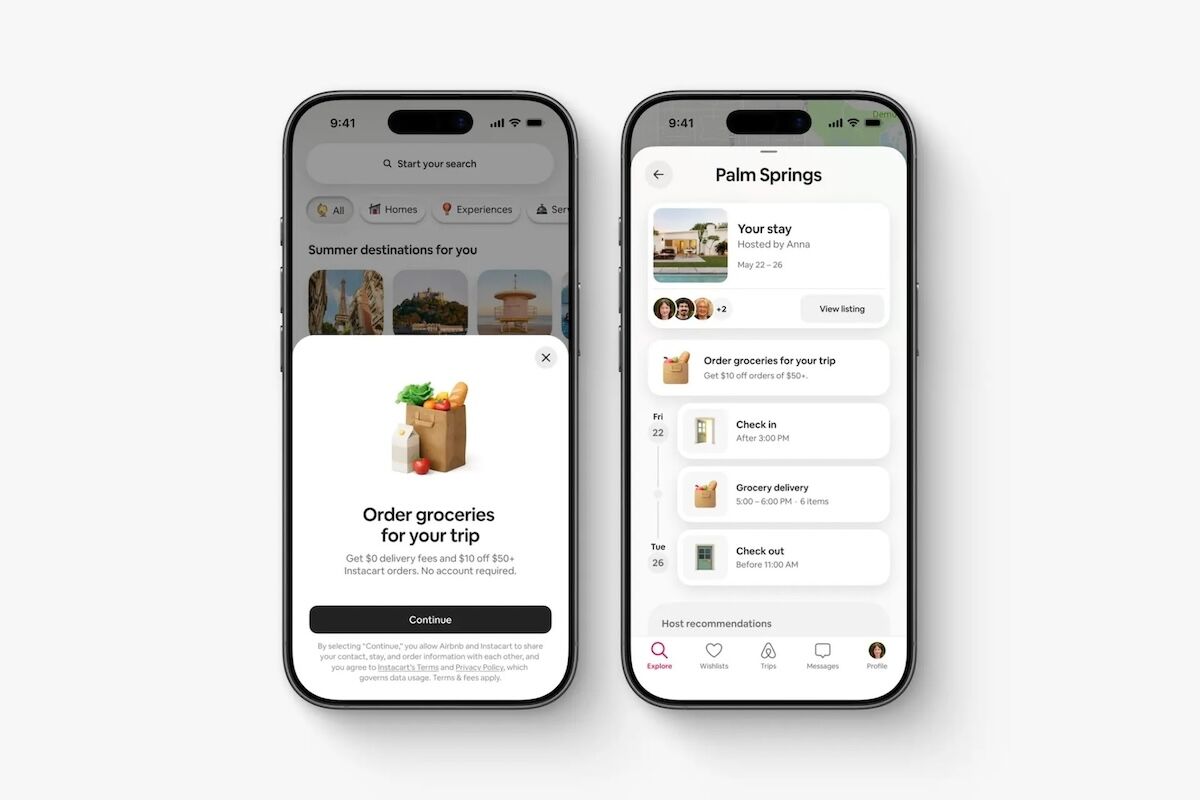
Beyond the booking of homes, Airbnb is aggressively expanding its “Services” vertical to capture the ancillary spend associated with travel. This is a clear effort to increase the total addressable market for each booking. By partnering with companies like Rinse for laundry and BabyQuip for child-related gear, Airbnb is transforming from a platform that provides a roof into a full-service concierge.
This strategy is supported by logistical data showing that travelers often prioritize convenience over cost when traveling with families or for extended durations. The partnership with BabyQuip, for instance, allows families to avoid the logistical nightmare of transporting bulky equipment. In select U.S. cities, the delivery of cribs and strollers directly to the host’s property—often with assembly included—provides a unique value proposition that hotels struggle to replicate.
The European market is seeing a parallel, albeit region-specific, rollout. The expansion of grocery and meal delivery services indicates that Airbnb is looking to capture the "in-stay" revenue that was previously directed toward local delivery apps. By centralizing these services within the Airbnb app, the company is attempting to create a “sticky” experience where the user has no incentive to leave the app for any stage of their trip.
Tools for Hosts: The Supply-Side Strategy
While the consumer-facing changes receive the most visibility, the Fall 2026 release also introduces a suite of tools designed to retain and empower hosts. The introduction of 3D floor plans and one-tap dynamic pricing is a direct response to feedback from high-volume hosts who require more sophisticated inventory management.
The AI-driven earnings summary provides hosts with actionable data, explaining fluctuations in their revenue based on market trends and competitor activity. By democratizing access to complex analytics, Airbnb is signaling its intent to professionalize its host base further, ensuring that the quality of listings remains consistent as the platform scales.
Market Implications and Future Outlook
Industry analysts suggest that this shift reflects a broader trend in the tech sector: the “super-app” model. By consolidating social connectivity, search intelligence, and service logistics, Airbnb is positioning itself to be the primary interface for the entire travel industry.
The economic implications are significant. By integrating laundry, equipment rental, and meal delivery, Airbnb is effectively diversifying its revenue streams beyond commission fees on nightly stays. If successful, this ecosystem could lead to increased customer lifetime value (CLV) and higher retention rates, which are critical metrics for a company operating in the highly competitive global travel market.
However, the expansion into physical services—such as laundry and grocery delivery—presents operational challenges. Coordinating logistics with local partners in dozens of markets requires a level of oversight that is vastly different from the company’s previous role as a digital marketplace. The success of these initiatives will depend heavily on the reliability of these local partners and the company’s ability to maintain high service standards globally.
Looking forward, the integration of voice support for AI chat is the next logical step in this evolution. As the company refines its LLM (Large Language Model) capabilities, users can expect an increasingly intuitive interface that understands context, intent, and historical preferences with greater accuracy.
In summary, the Fall 2026 update is more than a collection of new features; it is a strategic repositioning of Airbnb as a holistic travel partner. By leveraging the trust inherent in social connections and the efficiency provided by artificial intelligence, the platform is attempting to redefine the boundaries of the travel experience. Whether this creates a seamless, all-encompassing environment or introduces unnecessary complexity remains to be seen, but the company’s direction is clear: the future of Airbnb is not just in the home, but in every aspect of the journey.