Fly Tot Review: A Comprehensive Analysis of Inflatable Airplane Cushions for Toddler Travel

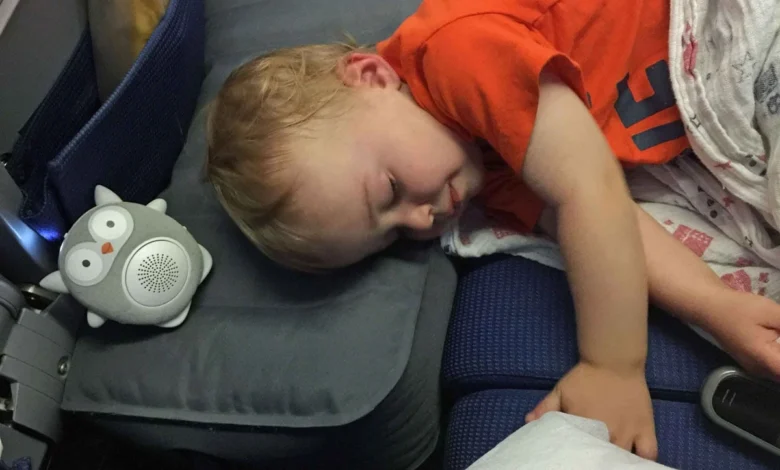
Navigating long-haul international flights with toddlers remains one of the most demanding challenges for modern parents, often characterized by cramped seating and the physical impossibility of keeping an active child stationary for extended periods. As airlines continue to tighten cabin space, the aviation travel accessory market has seen a surge in demand for products designed to mitigate these stressors. Among the most prominent solutions is the Fly Tot, an inflatable cushion designed to bridge the gap between a standard economy seat and the seat in front, effectively creating a flat surface for rest and play.

The concept of the airplane bed for children has evolved significantly over the last decade. Early adopters of the original Fly Tot utilized the device to transform economy seats into makeshift beds, a practice that gained widespread attention in parenting communities. However, as the industry has matured, so have the safety standards and product specifications. The current iteration, the Fly Tot Plus, represents a departure from the original model, incorporating technological upgrades that reflect both advancements in materials and shifts in international aviation regulatory compliance.
Evolution of Design and Regulatory Standards

The Original Fly Tot, which debuted roughly ten years ago, served as a foundational model for seat extenders. It was a manual, heavy-duty inflatable unit that, while effective, lacked the sophisticated safety features required by modern aviation authorities. The transition to the Fly Tot Plus includes a patented two-width design intended to accommodate the varying seat pitches and footwell dimensions found across different aircraft manufacturers, such as Boeing and Airbus.
A critical technological addition to the new model is the automated emergency safety release valve. This feature is designed to address concerns regarding rapid cabin pressure changes—a common safety prerequisite for any item placed in the cabin during flight. By automatically deflating in the event of an emergency, the device minimizes the risk of obstruction in a high-stakes scenario. Furthermore, the manufacturer has moved toward a unified single-valve system, which simplifies the inflation and deflation process for passengers navigating the constraints of a crowded cabin.
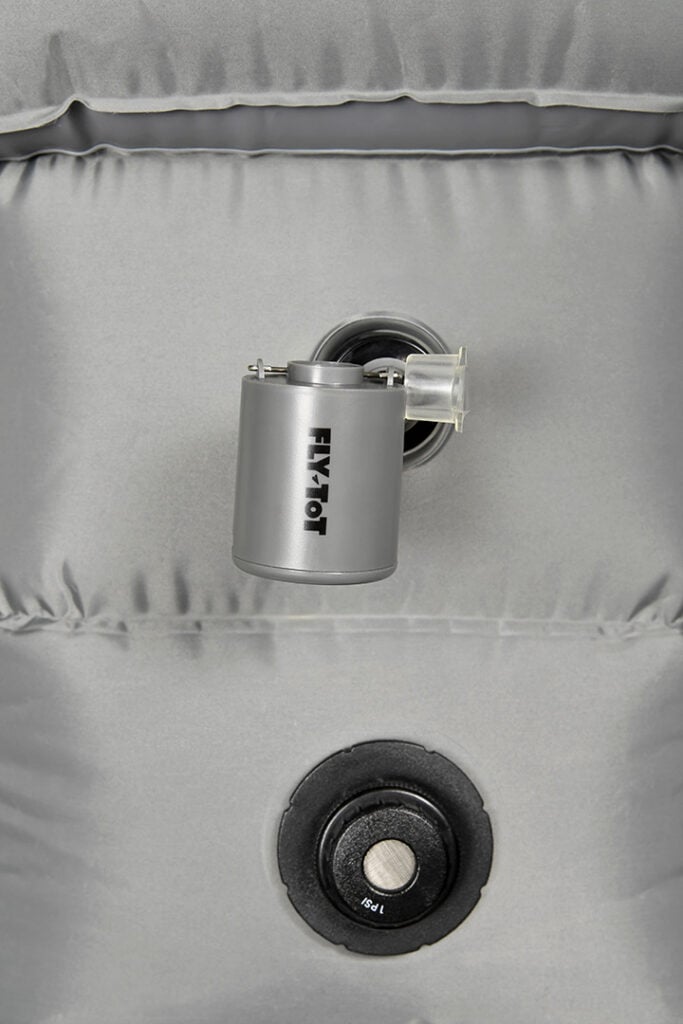
The logistical burden of travel with children has also been addressed through the inclusion of a rechargeable electric "Tiny Pump." Unlike its predecessor, which required manual inflation or bulky external pumps that consumed significant carry-on space, the current pump is designed to fit in the palm of a hand. This shift reflects a broader trend in travel gear toward miniaturization and weight reduction, essential for families attempting to comply with strict carry-on luggage limitations.
Chronology of Usage and Field Performance

Data collected from over 50 hours of flight testing reveals a consistent pattern in how these cushions improve the travel experience. In historical case studies involving long-haul routes—such as trans-Pacific flights from Canada to Japan—the primary hurdle was the "lap toddler" issue. For children under the age of two, the lack of a dedicated seat necessitates a physically taxing experience for the parent. The introduction of the Fly Tot allowed for a transition from the lap to a dedicated space.
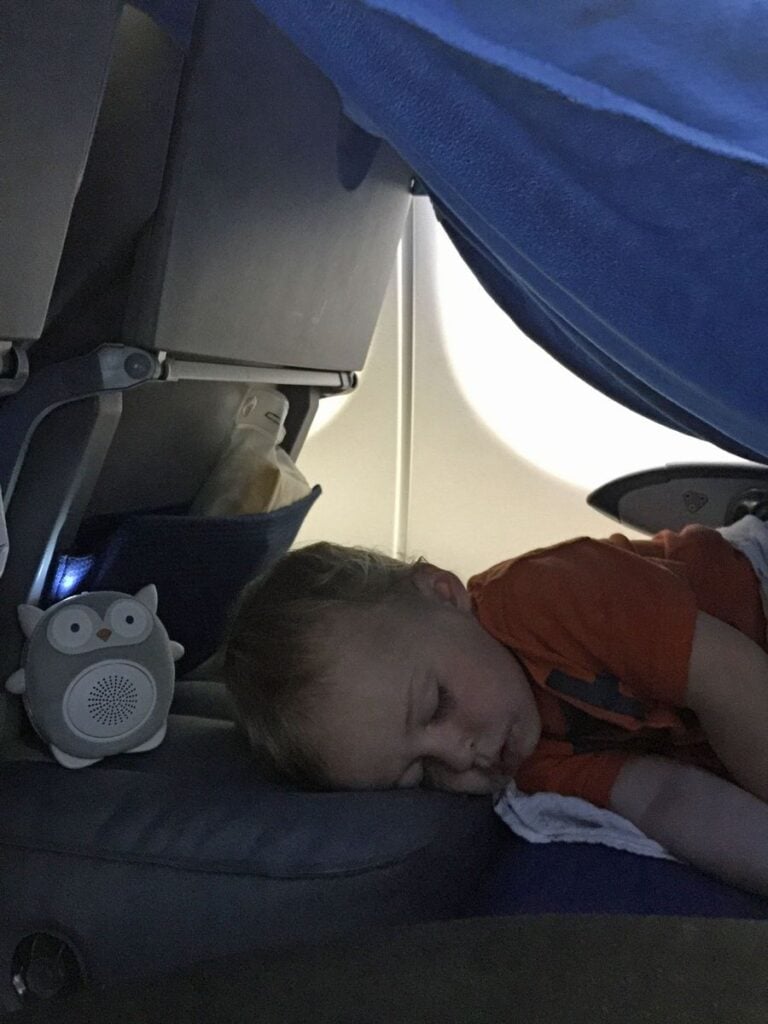
When utilized by children in the two-to-eight age bracket, the device effectively transforms the economy experience. Observational data indicates that children provided with this additional surface area are less likely to experience the restlessness associated with dangling legs. The physical comfort of a flat surface contributes to increased sleep duration, which, in turn, impacts the well-being of the child upon arrival. This reduction in post-flight exhaustion is a measurable benefit for families attempting to adjust to new time zones.

However, the efficacy of these devices is heavily dependent on airline policy. There is currently no global standard for the use of inflatable footrests. While some carriers, including Singapore Airlines and several others, have established clear guidelines on the usage of seat extenders, many others maintain a strict prohibition. This creates a fragmented landscape for travelers, where a device that is permissible on one carrier may be banned on another, even within the same alliance.
Industry Implications and Safety Considerations

From an analytical perspective, the rise of products like the Fly Tot signals a shift in consumer expectations regarding economy travel. Passengers are increasingly seeking ways to reclaim personal space, particularly as seat pitch has decreased across the industry. Yet, the use of such products introduces complexities for cabin crew members. Flight attendants are tasked with ensuring that all items in the cabin adhere to FAA, EASA, or local aviation authority safety protocols.
The official stance from most airlines remains that the final decision rests with the cabin crew on a per-flight basis. This introduces a level of uncertainty that consumers must factor into their travel plans. Experts recommend that families verify policies not just at the time of booking, but closer to the date of departure, as airlines reserve the right to alter safety policies without notice.
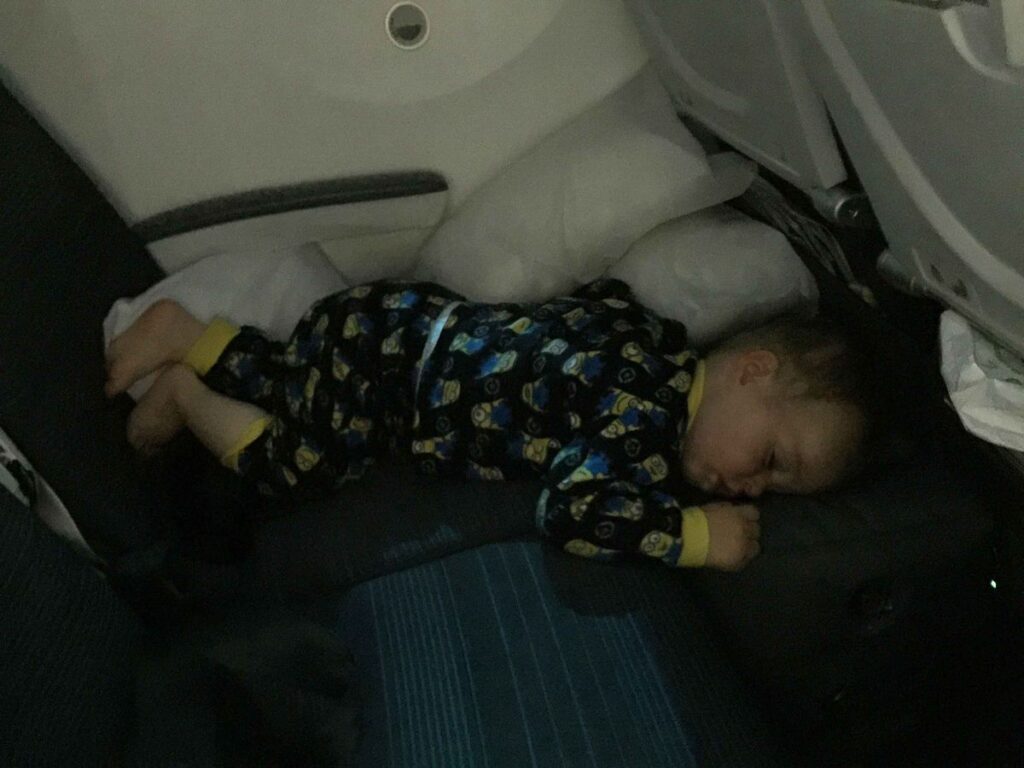
The inclusion of a tapered design in the newer Fly Tot Plus addresses a specific concern raised by airline safety inspectors: the obstruction of under-seat storage areas. Many aircraft seats contain life jackets or in-flight entertainment hardware directly beneath the seat. By narrowing the base of the cushion, the manufacturer has attempted to align with safety regulations that prohibit the blockage of such essential equipment.
Economic and Practical Analysis

The investment required for high-end travel accessories can be significant. Families must weigh the cost of the unit against the frequency of their travel. For a one-off vacation, the financial outlay may be difficult to justify, particularly given the risk that the cabin crew may ultimately disallow the item during the flight. However, for frequent travelers, the utility—measured in sleep quality and the reduced likelihood of disruptive behavior—often outweighs the initial cost.
Furthermore, the emergence of competitors such as the Flyaway Kids Bed and Plane Pal demonstrates that the market for child-centric aviation comfort is expanding. Each product offers a different approach to the same problem: the Flyaway system, for instance, utilizes a different structural integrity design that preserves more floor space. This competition is beneficial for the consumer, as it forces manufacturers to refine their designs, improve the ease of use, and enhance safety features.
Practical Tips for Compliance and Success
For families considering the use of an inflatable airplane bed, a systematic approach is recommended to ensure the highest probability of success:

- Verification: Contact the airline directly to ask about "inflatable seat extenders" rather than "beds," as the terminology can lead to confusion regarding the nature of the product.
- Seat Selection: Always opt for window or middle-section seats. The aisle seat is almost universally prohibited for such devices because it interferes with emergency egress routes for other passengers.
- Operational Etiquette: Never inflate the device during boarding or taxiing. Wait until the aircraft has reached cruising altitude and the seatbelt sign is turned off.
- Flexibility: Be prepared to deflate the device immediately if requested by the cabin crew. Maintaining a cooperative relationship with flight staff is essential for a smooth experience.
Conclusion
The Fly Tot, and its contemporaries, have fundamentally changed how families approach international travel with young children. By providing a technical solution to the lack of space in economy cabins, these devices have effectively reduced the threshold of difficulty associated with long-haul flying. While the product has evolved through multiple iterations to better meet safety requirements and consumer needs, the inherent uncertainty regarding airline regulations remains the primary caveat.

As the industry moves forward, it is likely that inflatable cushions will continue to occupy a niche but vital segment of the travel market. For parents, the key remains preparation, research, and an understanding of the limits imposed by aviation safety protocols. Whether the device is used for a 10-hour flight to Tokyo or a trans-Atlantic trip to Rome, the primary objective remains the same: ensuring that the physical constraints of the aircraft do not compromise the health and comfort of the youngest passengers.