Escape the Crowds: The Top Ten European Summer Destinations Beyond the Tourist Hotspots

Europe remains the world’s most visited continent, drawing hundreds of millions of international arrivals annually. However, the surge in post-pandemic tourism has placed unprecedented pressure on iconic urban centers. Iconic destinations such as Paris, Rome, and Amsterdam are currently grappling with over-tourism, resulting in inflated accommodation costs, strained public infrastructure, and a diluted cultural experience for the average visitor. As the summer season approaches, travelers are increasingly seeking alternatives that provide the same historical depth and architectural splendor without the logistical challenges of high-density tourist hubs.
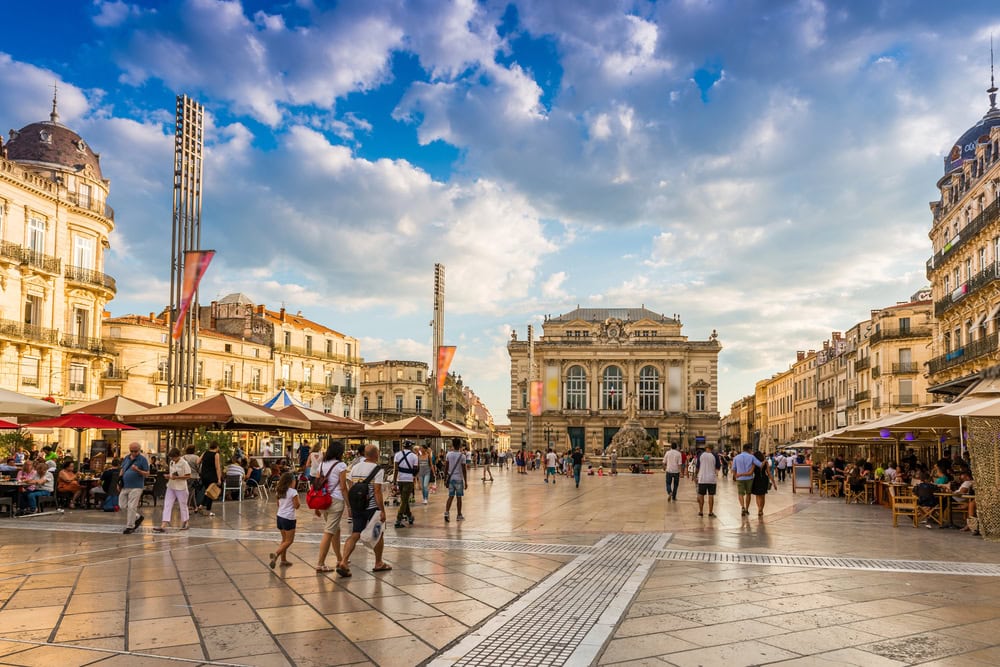
The Economic and Logistical Drivers of Alternative Travel
The rise of secondary cities as primary travel destinations is driven by a convergence of economic necessity and the desire for authentic experiences. Data from international tourism boards indicates that while primary hubs see hotel price increases of up to 40% during the June-to-August peak, regional counterparts often maintain stable pricing structures. Furthermore, the expansion of high-speed rail networks across Europe has made these secondary cities significantly more accessible than they were a decade ago.
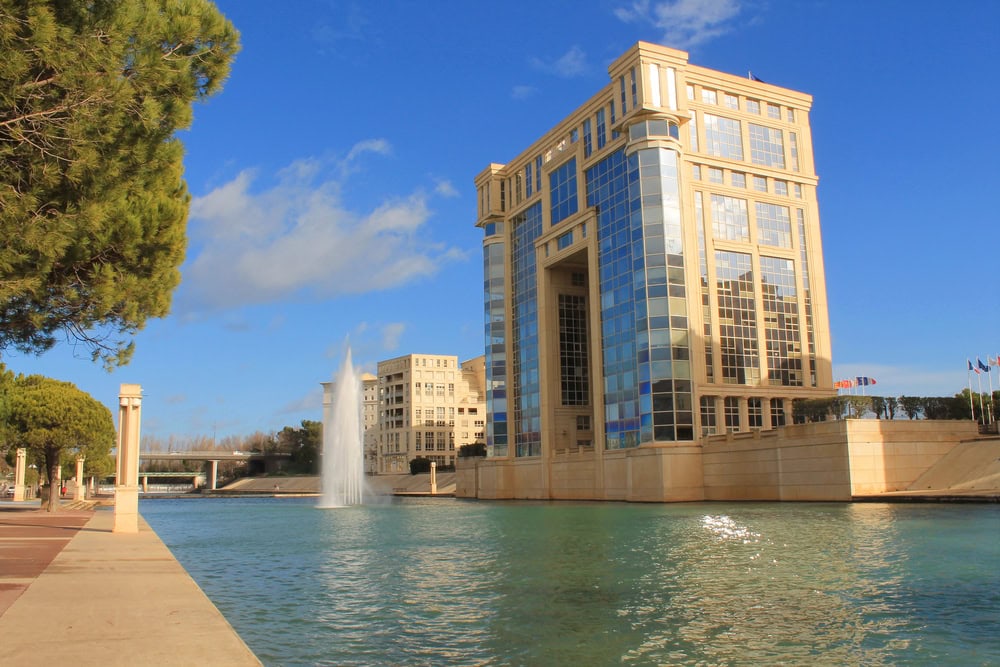
1. Montpellier: The Mediterranean Alternative to Paris
While Paris continues to serve as the global benchmark for French tourism, the sheer volume of visitors—reaching nearly 50 million annually in the greater Île-de-France region—has led to significant congestion. Montpellier, located in the Occitanie region, offers an alternative rooted in historical authenticity. Founded in the 10th century, the city serves as a hub of education and culture. Unlike the seasonal volatility of northern tourist traps, Montpellier’s student population often migrates during the summer, creating a spacious, vibrant environment for visitors. The city’s proximity to the Mediterranean coast, combined with the world-renowned Musée Fabre, provides a comprehensive cultural experience without the exhaustive wait times associated with the Louvre.
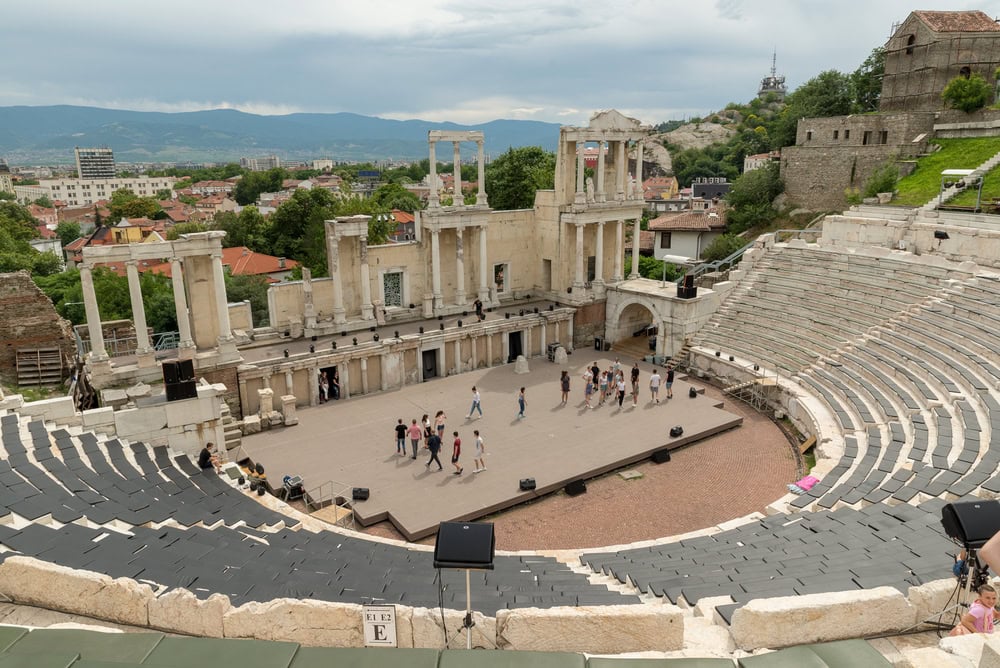
2. Plovdiv: Bridging the Gap Between Ancient Rome and Modern Bulgaria
Rome is currently managing a record-breaking influx of 35 million visitors per year, leading to significant wear on historical sites such as the Colosseum and the Roman Forum. In contrast, Plovdiv, Bulgaria—the oldest continuously inhabited city in Europe—offers an archaeological profile that rivals Rome’s in scope but surpasses it in accessibility. The city’s Ancient Theatre of Plovdiv remains a functional venue for concerts and performances, a testament to the preservation efforts that define the region. For the contemporary traveler, the Kapana Creative District provides a modern, urban counterpoint to the city’s ancient foundations, offering a diverse, pedestrian-friendly environment that is notably absent the heavy security and crowd-management protocols required in Italy’s capital.
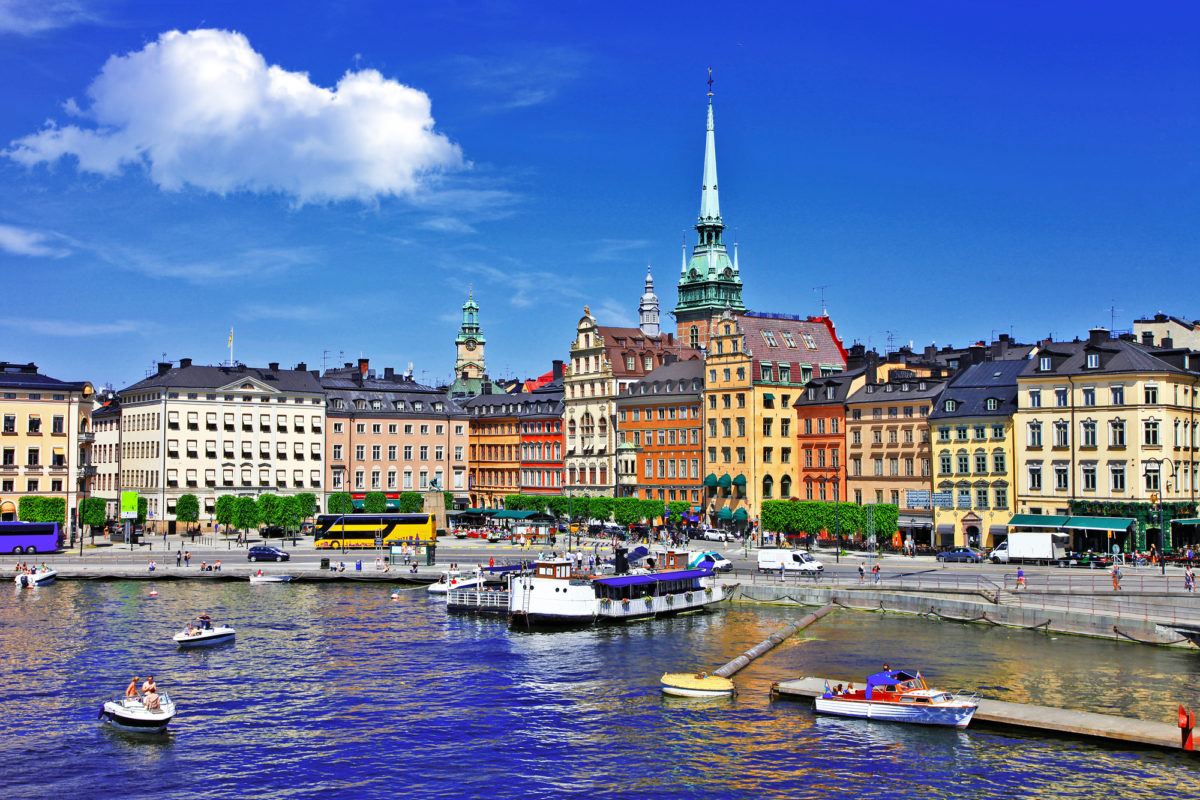
3. Stockholm: The Sustainable Maritime Alternative to Amsterdam
Amsterdam’s canal-centric tourism model has been the subject of intense debate among local officials, leading to strict regulations on tourist numbers and short-term rentals. Stockholm, Sweden, offers a superior model for water-based urban exploration. Spanning 14 islands, the Swedish capital provides a green, expansive alternative to the confined canals of the Netherlands. The city’s commitment to sustainable urban planning is evident in its vast green spaces, such as Djurgården. From a historical perspective, the Vasa Museum—housing a 17th-century warship salvaged from the harbor—provides a singular maritime experience that outweighs many of the standard museum offerings found in Western European capitals.
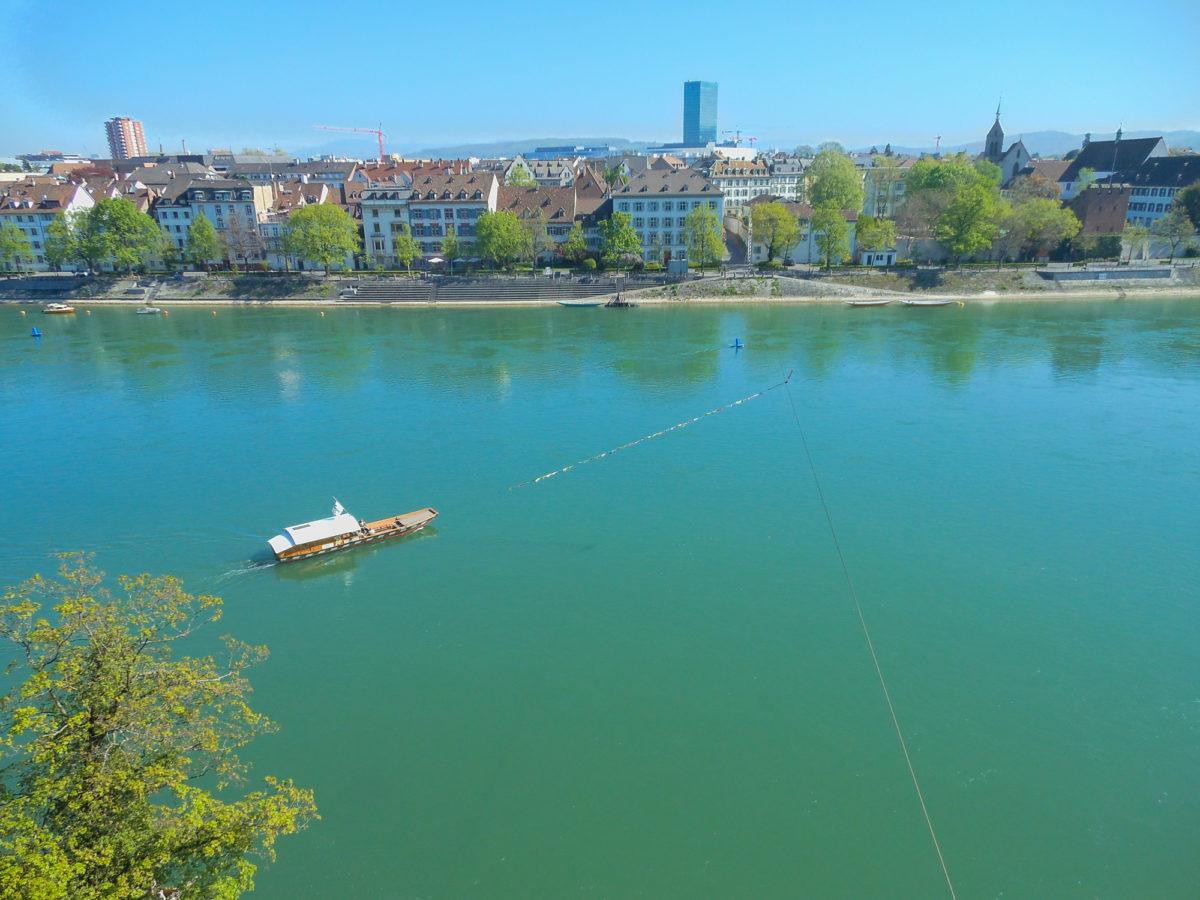
4. Basel: Switzerland’s Cultural and Riverfront Hub
Berlin has long been heralded as the epicenter of European modern art and nightlife, yet the city’s popularity has led to a homogenization of its once-gritty, independent spirit. Basel, Switzerland, presents a more refined alternative. Divided by the Rhine River, the city balances the medieval heritage of Grossbasel with the modern, multicultural evolution of Kleinbasel. Basel’s density of museums—nearly 40 institutions—is arguably the highest per capita in Europe. The annual Art Basel fair further cements the city’s status as a global cultural capital. The local tradition of floating in the Rhine during the summer months offers a unique, low-impact recreational activity that highlights the city’s integration of nature and urban life.
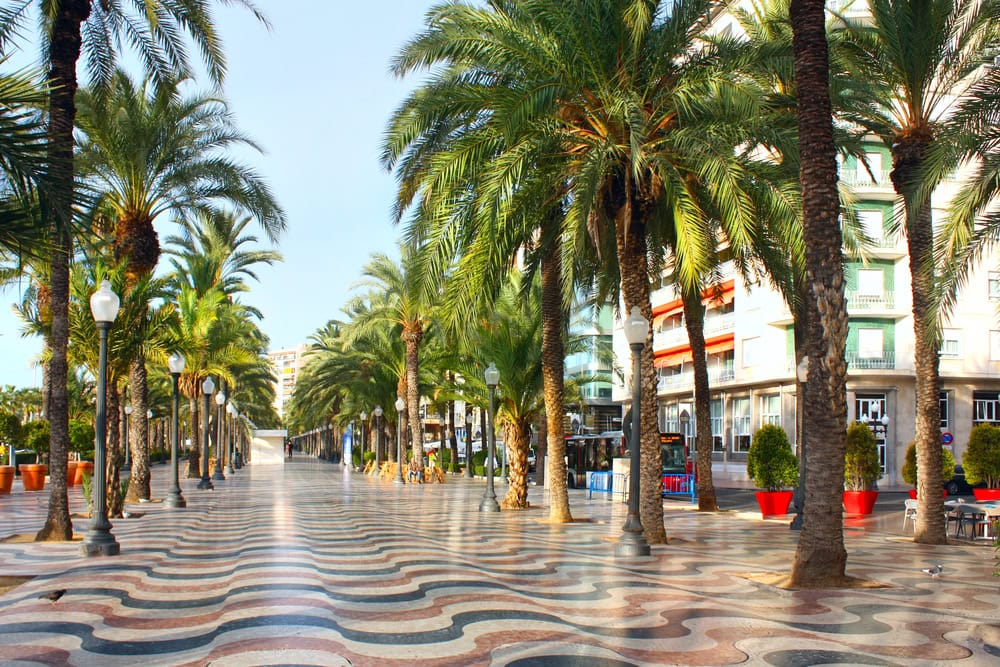
5. Alicante: A Balanced Mediterranean Coastal Experience
Barcelona has become the primary victim of its own success, with the Catalan capital implementing significant measures to curb the impact of mass cruise ship tourism and short-term vacation rentals. Alicante, situated on the Costa Blanca, serves as a pragmatic alternative. The city offers an expansive coastline and the historical significance of the Santa Bárbara Castle, one of the largest medieval fortresses in Europe, without the structural congestion of Barcelona. The city’s central market, Mercado Central de Alicante, offers an authentic culinary experience that mirrors the quality of the famous La Boqueria in Barcelona but with significantly more space for the visitor to maneuver.
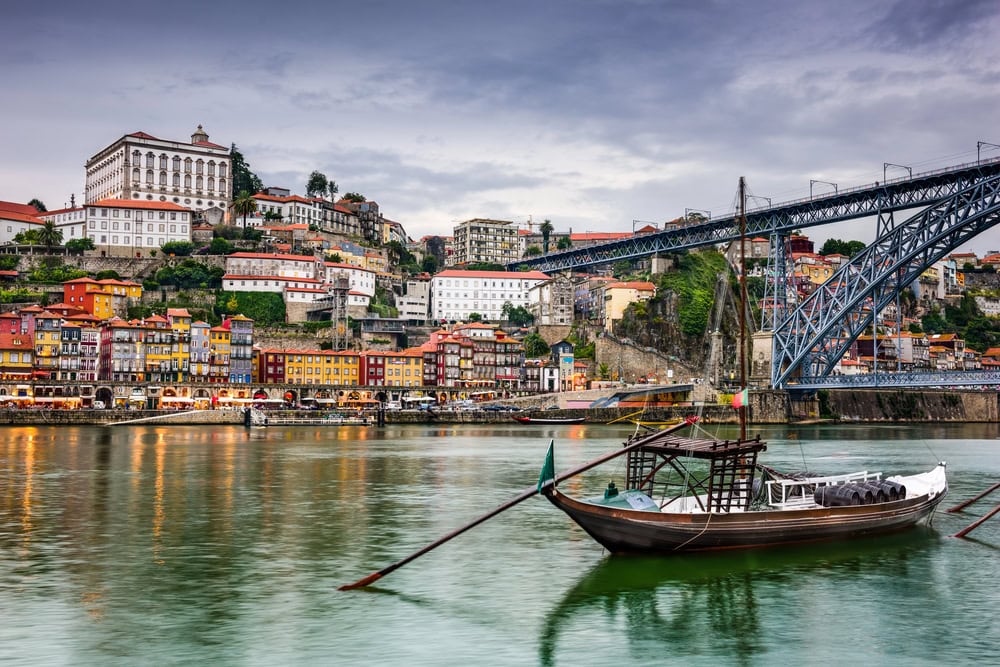
6. Porto: Portugal’s Historic Riverfront
Lisbon has seen a meteoric rise in popularity, leading to a surge in property values and the displacement of local residents. Porto, while also experiencing growth, retains a distinct regional identity that is less centered on the mass-tourism circuit. The city’s architectural heritage, characterized by the extensive use of azulejos (ceramic tiles), is perhaps best displayed at the São Bento Train Station. Porto also serves as the gateway to the Douro Valley, providing visitors with direct access to one of the oldest wine-producing regions in the world.
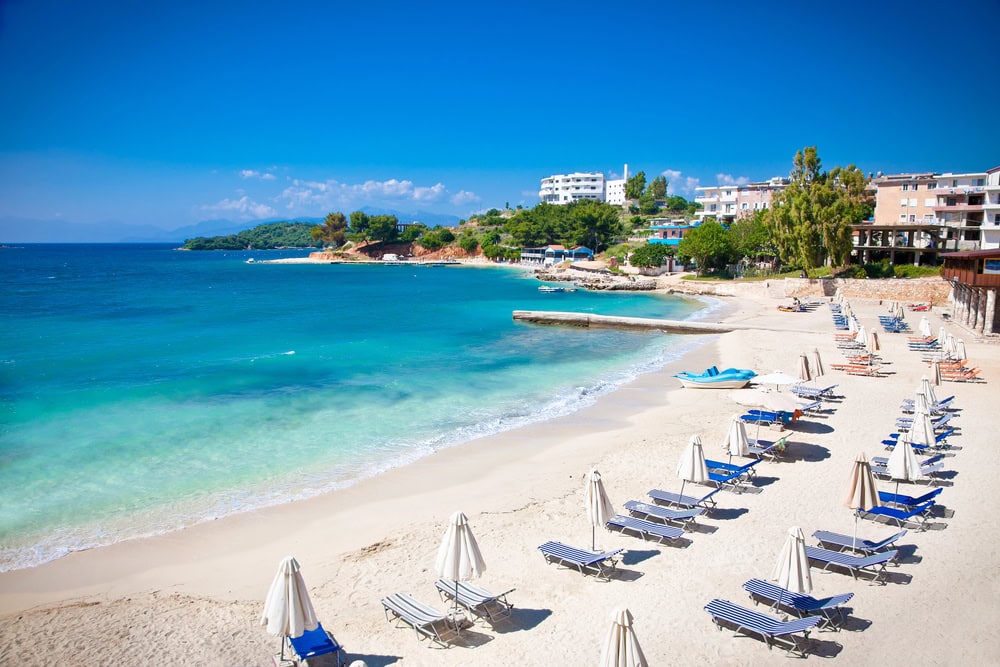
7. The Albanian Riviera: A New Frontier for Coastal Tourism
The French Riviera has long been the exclusive domain of the global elite, with prices and crowd levels peaking in the summer months. The Albanian Riviera, however, represents a burgeoning market for European coastal tourism. With accessible beaches along the Ionian Sea and a lower cost of entry, destinations such as Sarandë and Ksamil are emerging as viable competitors. The region’s focus on family-run tavernas and guesthouses provides an economic model that benefits local communities while offering the visitor a more authentic interaction with the culture.
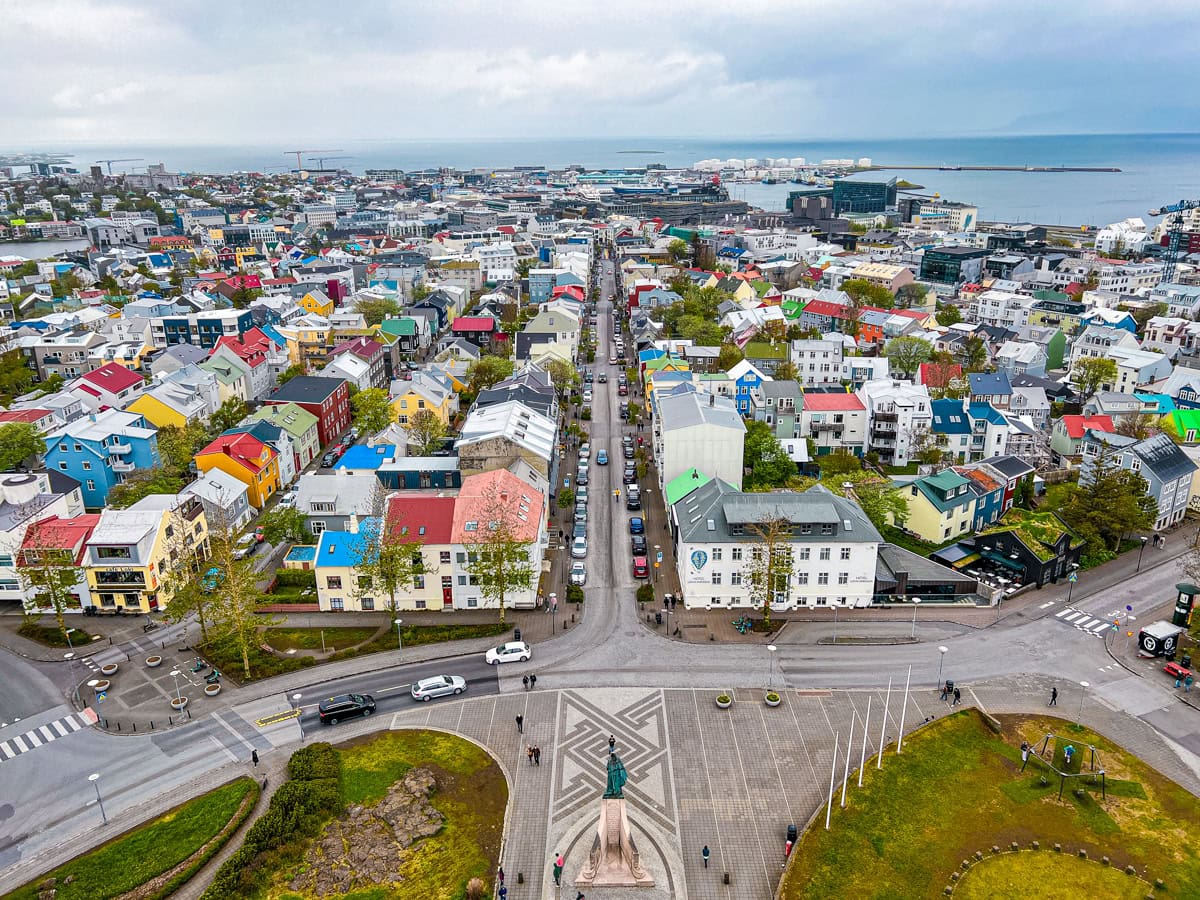
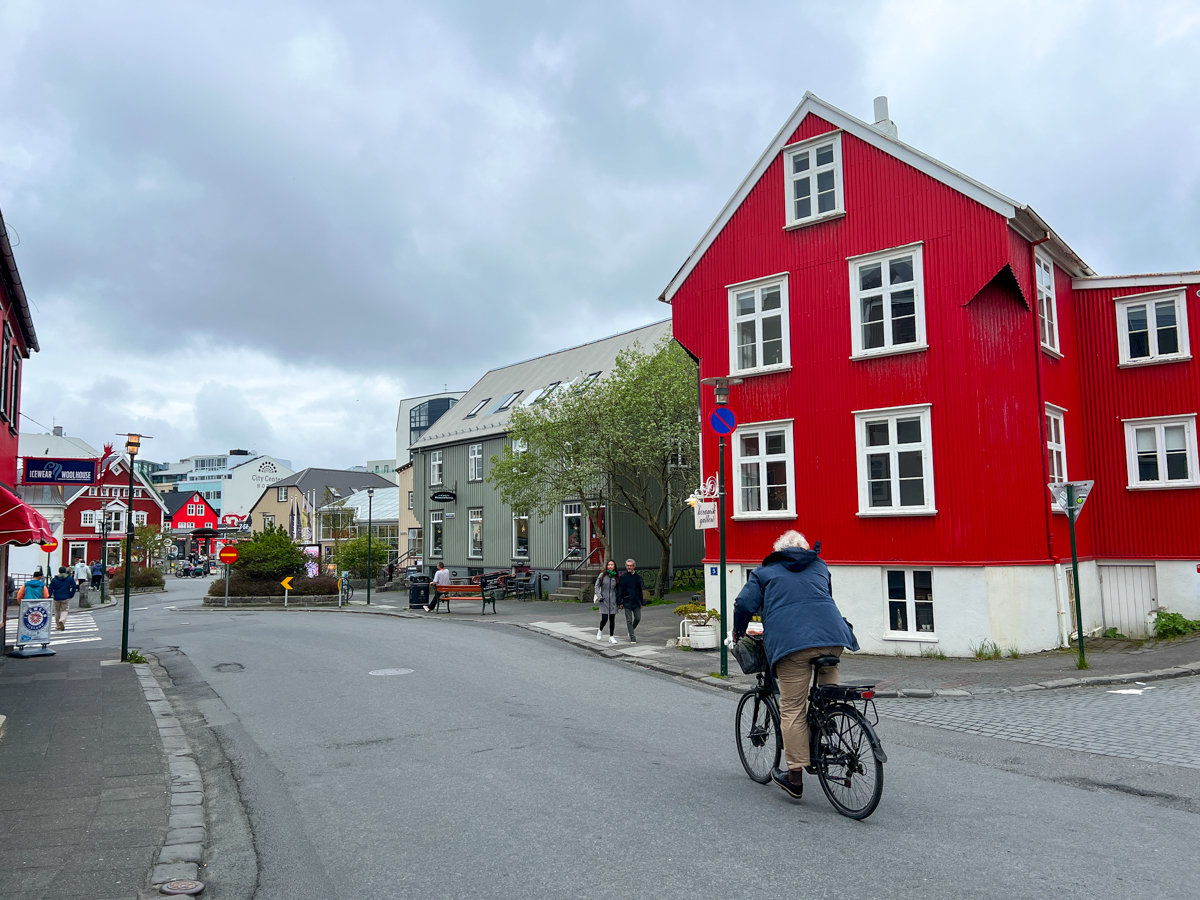
8. Reykjavik: The Arctic Alternative to Edinburgh
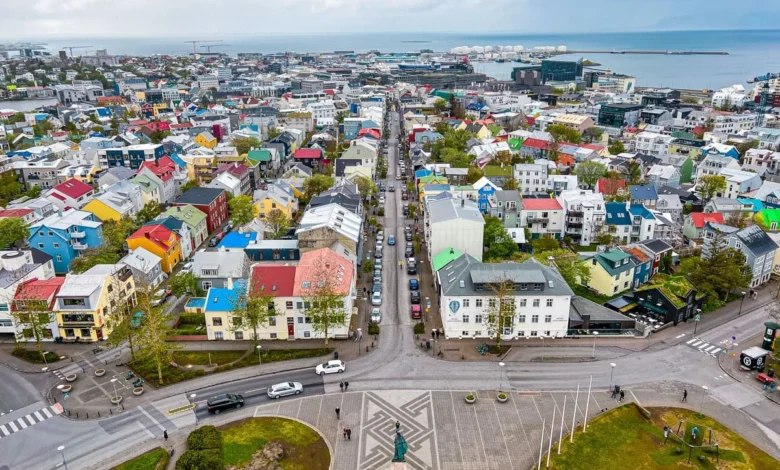
Edinburgh’s festival season, particularly the Fringe, causes a massive, temporary spike in local population that can overwhelm the city’s infrastructure. Reykjavik, Iceland, offers a climate-based alternative for those seeking to avoid the humidity of continental Europe. While the price point in Iceland remains high, the accessibility of the region from North America and its wide-open, natural landscapes provide a relief from the claustrophobic nature of European city centers. The city’s unique geothermal amenities and its proximity to the Golden Circle create a travel experience defined by nature rather than urban density.
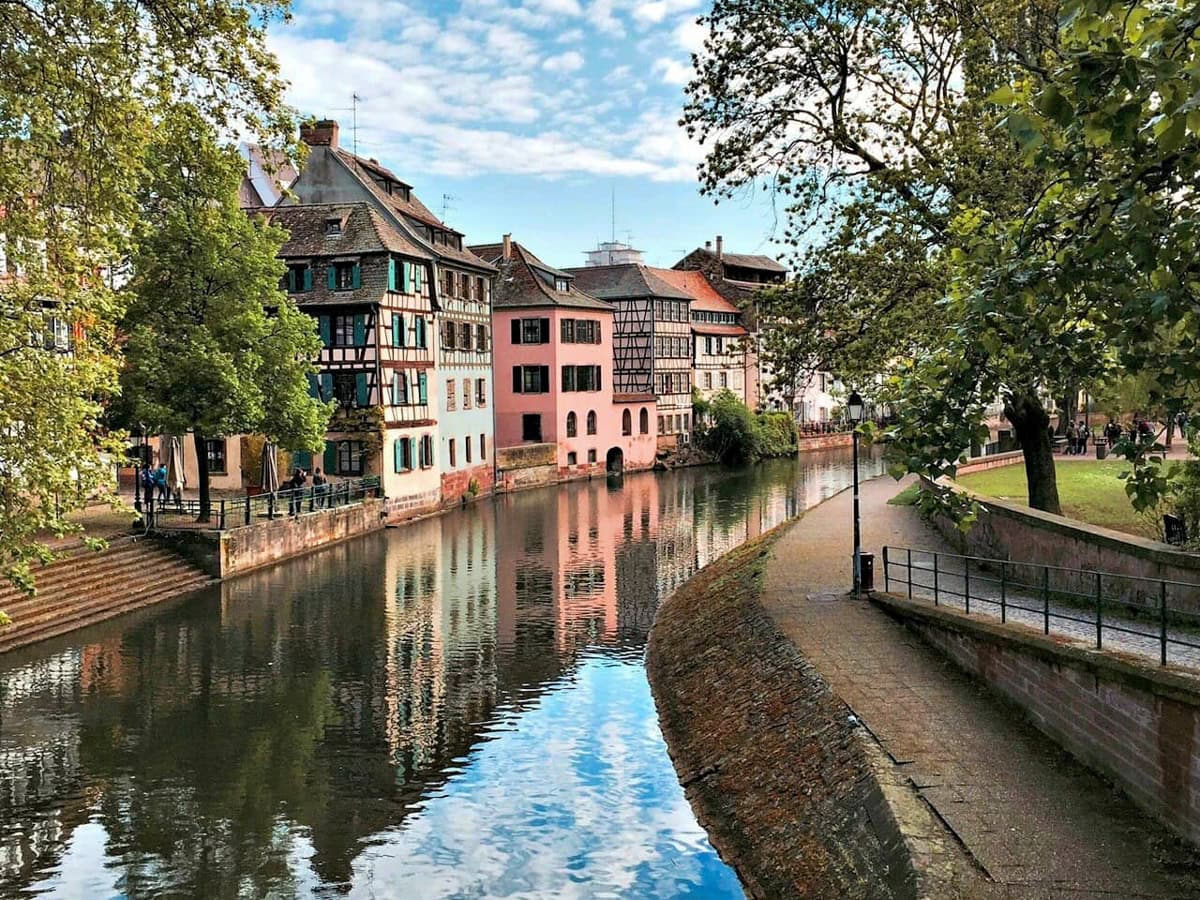
9. Strasbourg: The Convergence of French and German Traditions
Munich’s status as a tourist hub is largely defined by its traditional Bavarian image, which often results in a highly curated experience for the visitor. Strasbourg, however, embodies a genuine synthesis of French and German influences. The city’s status as the site of the tallest medieval building in Europe, the Cathédrale de Notre Dame, combined with its unique astronomical clock, positions it as a significant historical destination. The Alsatian culinary tradition—a fusion of French techniques and German ingredients—offers a distinct gastronomic experience that is often overlooked in larger German or French cities.
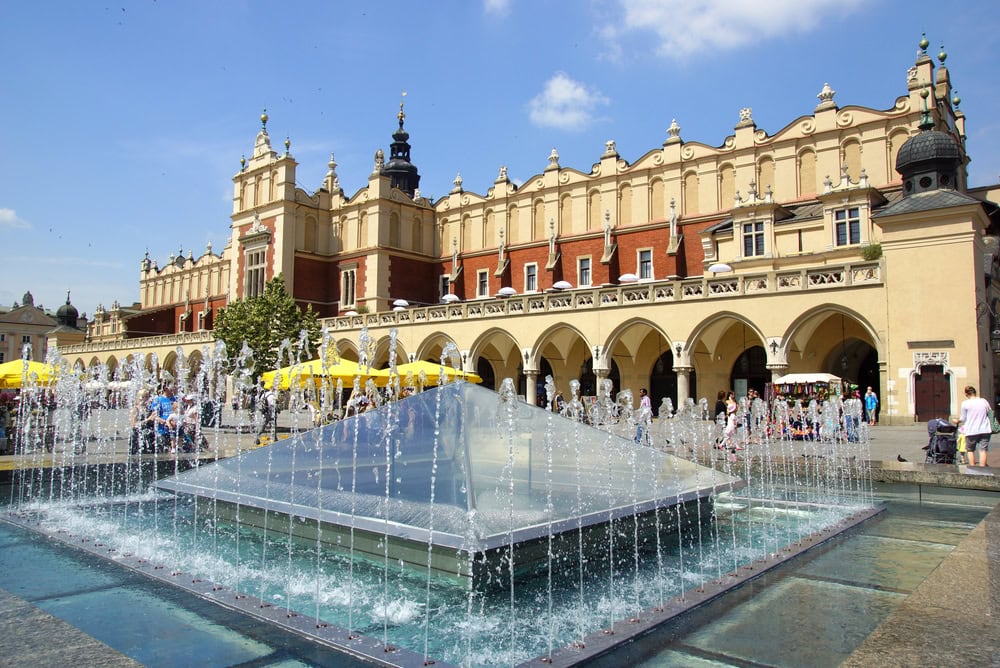
10. Kraków: The Historical Weight of Central Europe
Prague’s Old Town has become a focal point for mass tourism, often making it difficult to appreciate the city’s medieval architecture. Kraków, Poland, provides a similar historical narrative, centering on the Rynek Główny, one of the largest medieval squares in Europe. The city’s historical gravity, particularly concerning the Kazimierz district, offers an educational and somber experience that is essential for understanding 20th-century history. Kraków’s combination of affordability, cultural density, and relative ease of navigation makes it a superior alternative for the historically minded traveler.
Strategic Implications for Future Travel
The movement toward these secondary and tertiary destinations represents a broader shift in travel behavior. Government tourism agencies are increasingly recognizing that sustainable growth requires dispersing visitors across a wider geography. For the traveler, this shift offers the benefit of reduced costs and a more meaningful engagement with local populations. As infrastructure continues to improve, the divide between the “major” cities and these “hidden” gems will likely continue to narrow, encouraging a more balanced distribution of the economic and environmental impacts of tourism.
For those planning to visit these destinations, experts suggest a focus on off-peak shoulder months, such as early June or September, to further mitigate the effects of the summer season. By prioritizing public transit and engaging with local, small-group tour operators, travelers can ensure that their visit supports the long-term viability of these historic and culturally rich locations.
Related posts: