Nichupté Bridge Transforming the Connectivity and Tourism Landscape of Cancún and the Mexican Caribbean

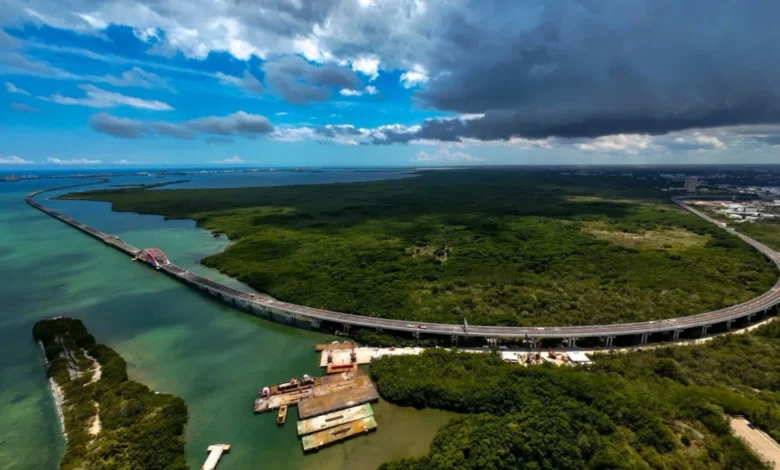
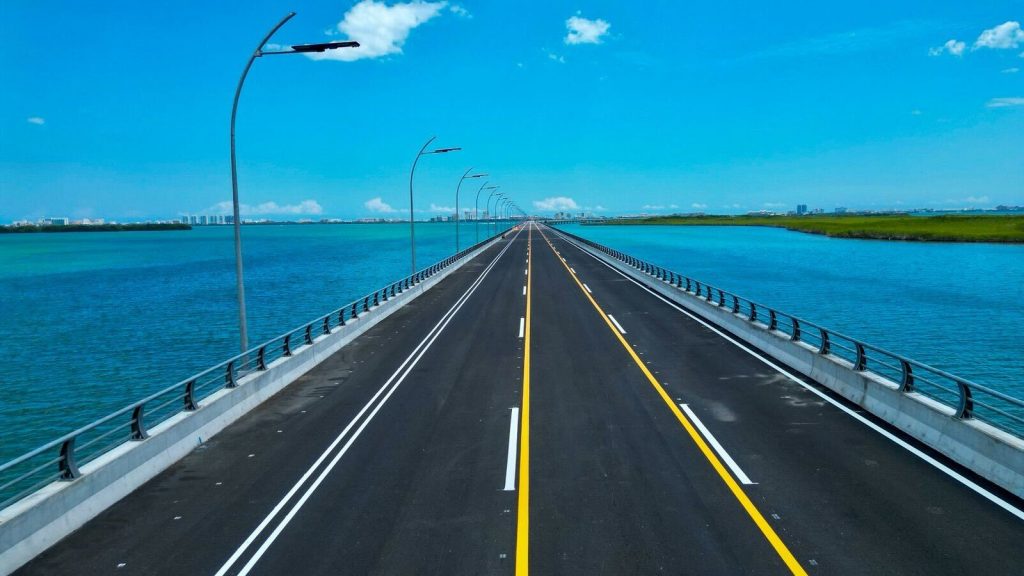
The completion and opening of the Nichupté Bridge marks a definitive turning point in the urban and touristic evolution of Cancún, addressing decades of logistical challenges within Mexico’s most visited destination. Stretching approximately 8.8 kilometers across the Nichupté Lagoon, this massive infrastructure project serves as a vital artery connecting the mainland downtown area of Cancún directly to the heart of the Hotel Zone. For years, the region’s singular access point via Kukulcan Boulevard had become a bottleneck, often resulting in significant delays for the millions of international travelers and local workers who traverse the corridor daily. With the bridge now operational, the Mexican Caribbean enters a new era of streamlined mobility, fundamentally altering the travel experience from the moment visitors land at Cancún International Airport.
Technical Specifications and Engineering Excellence
The Nichupté Bridge is not merely a roadway but a feat of modern civil engineering designed to withstand the unique environmental conditions of the Yucatán Peninsula. Spanning 8.8 kilometers (approximately 5.5 miles), the bridge includes a 13.5-meter-wide deck that accommodates three lanes of traffic. A key feature of the design is the inclusion of a reversible central lane, which allows authorities to adjust traffic flow based on peak hours—facilitating inbound traffic toward the Hotel Zone in the mornings and outbound traffic toward the city center in the evenings.
The project required an investment exceeding 5.5 billion Mexican pesos (approximately $300 million USD). Beyond its vehicular utility, the bridge incorporates dedicated spaces for non-motorized transport, including a bicycle path and pedestrian walkways. This inclusion aligns with modern urban planning standards that prioritize multi-modal transportation and sustainable city growth. To ensure the longevity of the structure against the corrosive maritime environment and the threat of Atlantic hurricanes, engineers utilized high-performance reinforced concrete and deep-foundation pilings capable of withstanding high-velocity winds and storm surges.
Chronology of Development and Strategic Vision
The conceptualization of a lagoon-crossing bridge in Cancún dates back more than a decade, as urban planners recognized that the rapid expansion of the Hotel Zone would eventually outpace the capacity of existing roads. However, the project gained significant momentum under the current federal and state administration’s focus on the "Strategic Development of the Southeast."
Construction officially commenced following rigorous environmental impact assessments and the securing of federal funding. Throughout 2023 and 2024, the project faced the dual challenge of maintaining construction speed while adhering to strict ecological safeguards. The bridge was built using a "top-down" construction methodology, which involved the use of specialized launching gantry cranes. This technique allowed workers to install prefabricated segments of the bridge from above, significantly reducing the footprint of the construction equipment on the lagoon floor and minimizing the disruption to the delicate mangrove ecosystems.
By the time of its official inauguration, the bridge was positioned as the centerpiece of a broader infrastructure overhaul in Quintana Roo, which also included the renovation of Colosio Boulevard and the construction of the Cloverleaf interchange at the airport entrance.
Environmental Stewardship and Ecological Preservation
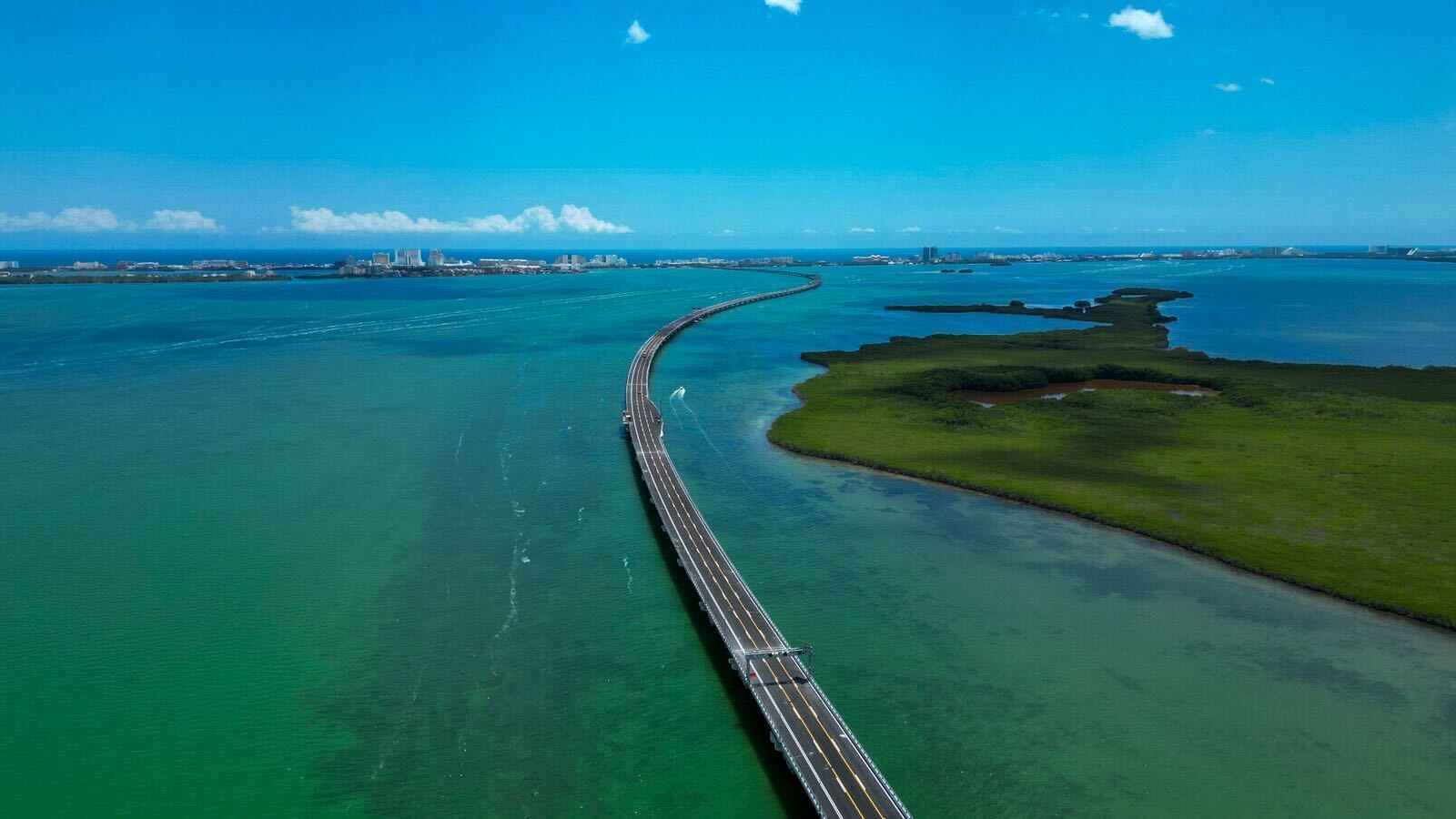
One of the most critical aspects of the Nichupté Bridge project was its location over a protected natural area. The Nichupté Lagoon system is home to vital mangrove forests, which serve as natural barriers against erosion and nurseries for local marine life. Recognizing the ecological sensitivity, the Secretariat of Environment and Natural Resources (SEMARNAT) mandated comprehensive mitigation strategies.
The "Top-Down" construction method mentioned previously was a direct response to these environmental requirements. By avoiding the placement of heavy machinery directly in the water or on the seabed where possible, the project minimized sediment suspension and preserved the water quality of the lagoon. Furthermore, the bridge’s height was designed to ensure that sunlight could still reach the vegetation beneath the structure, preventing the "shadow effect" that can often kill aquatic flora.
In addition to these construction techniques, the project included a massive reforestation effort. For every hectare of mangrove impacted by the construction, developers committed to restoring and protecting significantly larger tracts of wetlands in the surrounding area. This balance between development and conservation has been cited by regional officials as a model for future infrastructure projects in the Mexican Caribbean.
Economic Impact and the Evolution of the Tourism Model
The economic implications of the Nichupté Bridge extend far beyond reduced commute times. For the tourism sector, time is a high-value commodity. By reducing the transit time between the airport and the Hotel Zone by an estimated 30 to 45 minutes during peak periods, the bridge enhances the overall value proposition of Cancún as a seamless, high-end destination.
The bridge also unlocks new economic potential for downtown Cancún. Historically, the "Centro" area has struggled to capture the high-spending demographic that stays in the Hotel Zone due to the logistical friction of traveling between the two areas. With the new connection, the barrier is lowered, encouraging tourists to explore local gastronomy, shopping, and cultural sites in the city center. This integration is expected to distribute tourism wealth more equitably among local businesses and residents.
Furthermore, the bridge serves a critical safety function. In the event of a hurricane evacuation, the Hotel Zone previously relied on only two exit points (the north and south ends of the narrow sandbar). The Nichupté Bridge provides a third, high-capacity evacuation route, significantly improving the disaster preparedness and resiliency of the region.
Official Responses and Regional Integration
The significance of the project was underscored during the EDGE 2026 conference in San Diego, where leaders from the global travel industry gathered to discuss the future of luxury tourism. At the event, the Mexican Caribbean Tourism Board officially announced that the region would host EDGE 2027, citing the Nichupté Bridge as a primary example of the area’s readiness to host world-class events.
Andrés Martínez Reynoso, CEO of the Mexican Caribbean Tourism Board, emphasized the transformative nature of the project. "The Nichupté Bridge is not just a piece of infrastructure; it is a statement of intent," Martínez Reynoso stated. "It reflects our commitment to evolving alongside the needs of the modern traveler. Today’s tourists expect more than just beautiful beaches; they expect efficiency, sustainability, and a frictionless experience. This bridge delivers on all those fronts, ensuring that Cancún remains at the forefront of the global tourism market."
Local government officials have also praised the project for its impact on the workforce. Thousands of employees who power the resorts in the Hotel Zone live in the mainland suburbs. For these workers, the bridge represents hours of saved time each week, contributing to a better quality of life and higher employee satisfaction within the hospitality industry.
Broader Implications for the Mexican Caribbean
The Nichupté Bridge is part of a larger, interconnected strategy to modernize the entire state of Quintana Roo. It works in tandem with the Tren Maya (Maya Train), which connects Cancún to the broader Yucatán Peninsula and the archaeological sites of the south, and the recently opened Felipe Carrillo Puerto International Airport in Tulum.
This "infrastructure boom" suggests that the Mexican Caribbean is shifting its focus from simple expansion to sophisticated management of its success. As destinations like Playa del Carmen and Tulum reach maturity, the region is investing in the "connective tissue"—the roads, rails, and bridges—that allow these hubs to function as a unified, accessible ecosystem.
From a real estate perspective, the bridge is expected to drive up property values in the areas surrounding the mainland entrance, particularly in the Bonampak and Colosio corridors. Investors are already looking toward "New Cancún" developments that promise the convenience of city living with the immediate access to the lagoon and sea provided by the new span.
Conclusion: A Vision for 2027 and Beyond
As the Mexican Caribbean prepares to host EDGE 2027, the Nichupté Bridge stands as a symbol of a region that is looking forward. By addressing the fundamental challenge of mobility, Cancún has reinforced its status as a premier global destination capable of balancing massive tourist volumes with environmental responsibility and urban functionality.
The bridge represents the "new luxury" in travel: the luxury of time and the ease of movement. As travelers move away from the confines of all-inclusive resorts and seek more authentic, varied experiences, the ability to move freely between the high-energy Hotel Zone and the culturally rich downtown will become a hallmark of the Cancún experience. The Nichupté Bridge is the literal and metaphorical link to this future, ensuring that the rhythm of travel in the Mexican Caribbean remains as smooth as the turquoise waters it spans.