Cape Cod, a hook-shaped peninsula extending into the Atlantic Ocean from the southeastern corner of mainland Massachusetts, remains one of the most significant pillars of the New England tourism industry. Known for its historic maritime charm, expansive sandy coastlines, and unique glacial geography, the region serves as a primary summer destination for millions of domestic and international travelers. Navigating the Cape during peak season—traditionally defined as the period between Memorial Day and Labor Day—requires a comprehensive understanding of its regional layout, environmental characteristics, and logistical demands. As multi-generational travel continues to rise, Cape Cod’s ability to balance nostalgic appeal with modern luxury amenities has solidified its status as a premier family-oriented destination.
Regional Categorization and Geographic Layout
The Cape is geographically and culturally divided into four distinct regions, encompassing 15 towns and numerous villages. Understanding these divisions is essential for travelers to align their itinerary with specific interests, ranging from quiet nature preserves to bustling commercial centers.

The Upper Cape
Closest to the mainland and accessible via the Sagamore and Bourne bridges, the Upper Cape includes the towns of Bourne, Sandwich, Falmouth, and Mashpee. This region is often characterized by its accessibility for day-trippers and its historic sites, such as Sandwich, the oldest town on the Cape, founded in 1637. Falmouth serves as a major transit hub, providing ferry access to Martha’s Vineyard.
The Mid Cape
The Mid Cape consists of Barnstable, Yarmouth, and Dennis. Barnstable is the largest town on the Cape and serves as the seat of Barnstable County. This region is the commercial heart of the peninsula, home to the Cape Cod Mall, the Cape Cod Hospital, and Hyannis Harbor. For families, the Mid Cape offers a high density of traditional attractions, including miniature golf courses, museums, and a wide variety of dining options.
The Lower Cape
The Lower Cape includes Brewster, Harwich, and Chatham. This area is noted for its "elbow" position on the peninsula and is home to some of the most prestigious real estate and luxury resorts in the region. Chatham, in particular, is celebrated for its walkable downtown and the historic Chatham Lighthouse. Brewster is famous for the "Brewster Flats," a phenomenon where the tide recedes for miles, revealing a vast expanse of the ocean floor.

The Outer Cape
Extending north toward the Atlantic, the Outer Cape comprises Orleans, Eastham, Wellfleet, Truro, and Provincetown. This region is defined by the Cape Cod National Seashore, a 40-mile stretch of protected beach and dune systems. The Outer Cape offers a more rugged, naturalistic experience, culminating in the vibrant, artistic, and historically significant town of Provincetown at the very tip.
The Beach Ecosystem: Bay Side vs. Atlantic Side
The primary draw of Cape Cod is its diverse coastline. The peninsula offers two distinct marine environments, each catering to different recreational activities and safety considerations.
Cape Cod Bay (The Bayside)
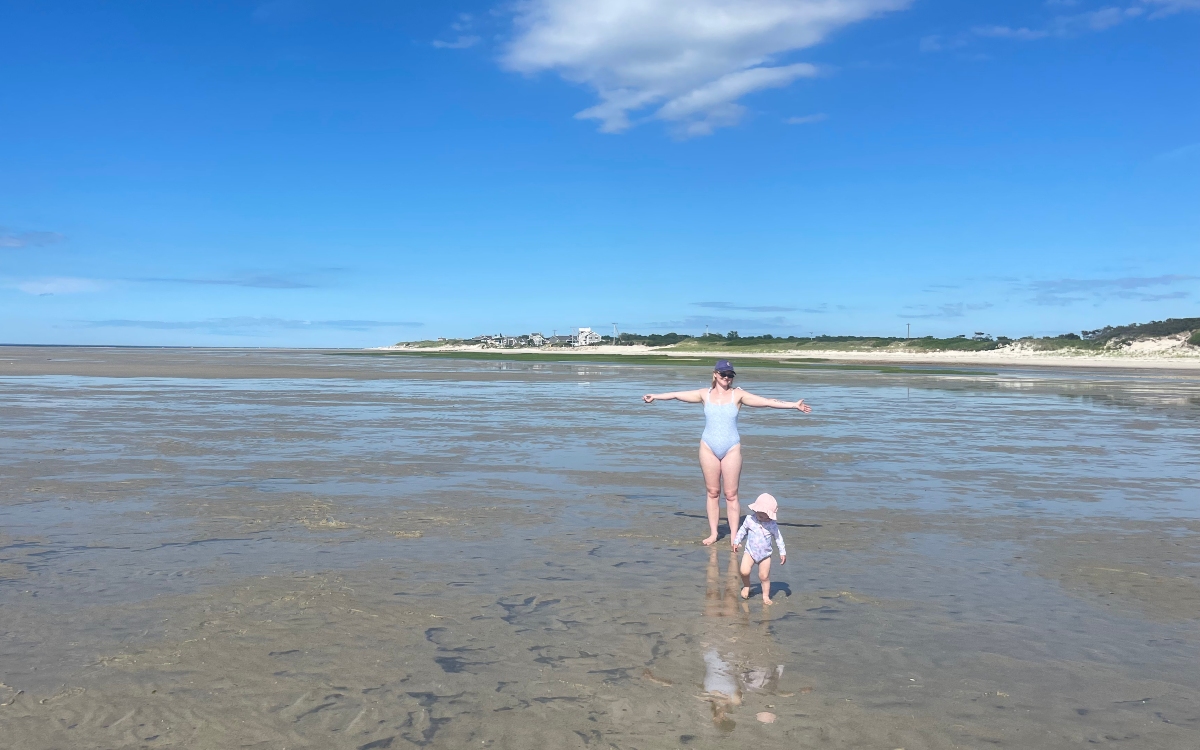
The beaches along Cape Cod Bay, such as Chapin Beach in Dennis or Mayflower Beach in Yarmouth, are characterized by their calm, shallow waters and significant tidal shifts. At low tide, the "flats" emerge, allowing visitors to walk hundreds of yards into the bay. This environment is highly favored by families with young children due to the lack of heavy surf and the presence of tidal pools, which serve as natural educational environments for observing local marine life, such as hermit crabs and minnows.
The Atlantic Ocean (The Oceanside)
The eastern-facing beaches, largely part of the Cape Cod National Seashore, offer a more dramatic coastal experience. Beaches like Nauset in Orleans or Marconi in Wellfleet feature massive sand dunes, colder water temperatures, and powerful surf. These conditions are ideal for surfing, boogie boarding, and sunrise photography. However, the Atlantic side also requires increased vigilance. The resurgence of the Atlantic gray seal population has led to a corresponding increase in the presence of great white sharks. Local authorities now utilize the "Sharktivity" app to provide real-time sightings, and many beaches are equipped with specialized emergency kits and warning flags.
Infrastructure and Family-Centric Recreation
Beyond its natural assets, Cape Cod has invested heavily in recreational infrastructure that supports the regional economy and provides low-impact ways to explore the landscape.
The Cape Cod Rail Trail
A cornerstone of the region’s outdoor offerings is the Cape Cod Rail Trail (CCRT). This 25.5-mile paved path follows a former railroad right-of-way, stretching from Yarmouth to Wellfleet. The trail is entirely flat and separated from motor vehicle traffic, making it a critical asset for families. According to the Massachusetts Department of Conservation and Recreation (DCR), the trail sees hundreds of thousands of users annually. It provides access to various state parks, freshwater ponds, and local businesses, allowing tourists to bypass the heavy summer traffic on Route 6 and Route 28.

Maritime Industry and Wildlife Observation
The Chatham Fish Pier serves as a functional intersection of the Cape’s commercial fishing industry and its tourism sector. As one of the few remaining active fishing piers where the public can observe the daily "catch" being unloaded, it offers an authentic look at the region’s maritime heritage. The pier is also a primary site for seal watching, as harbor and gray seals frequently congregate near the boats. For a more structured experience, private harbor charters offer seal-watching tours and educational excursions regarding the Monomoy National Wildlife Refuge, a vital habitat for migratory birds and marine mammals.
The Economic Impact of Cape Cod Tourism
Tourism is the undisputed engine of the Cape Cod economy. According to data from the Cape Cod Chamber of Commerce, the region welcomes approximately 4 million visitors annually, contributing billions of dollars to the state’s economy.
Employment and Seasonality
The hospitality sector accounts for a significant portion of regional employment. However, the seasonal nature of the industry presents unique challenges. Many businesses rely on the H-2B and J-1 visa programs to fill seasonal staffing needs in hotels and restaurants. In recent years, the "shoulder seasons"—late spring and early autumn—have seen increased marketing efforts to stabilize the economy beyond the traditional summer peak.

The Luxury Hospitality Sector
The Cape is home to world-class resorts that define the high-end travel experience in New England.
- Chatham Bars Inn: Originally opened in 1914 as a hunting lodge for wealthy Bostonians, this resort now serves as a benchmark for coastal luxury. With a private beach and a focus on "farm-to-table" dining sourced from its own eight-acre farm, it represents the integration of historic preservation and modern hospitality.
- Wequassett Resort and Golf Club: Located on the shores of Pleasant Bay, this Forbes Five-Star resort emphasizes multi-generational amenities. Its specialized children’s center and pet-friendly policies reflect a broader trend in the industry toward inclusive family travel.
Environmental and Logistical Challenges
As Cape Cod’s popularity persists, it faces significant environmental and infrastructural hurdles that impact both residents and visitors.
Coastal Erosion and Climate Change
The very geography that makes Cape Cod attractive is under constant threat. The peninsula is composed of glacial till and sand, making it highly susceptible to erosion. The National Park Service reports that the Outer Cape loses an average of three feet of shoreline per year. This has led to the relocation of historic structures, such as the Highland Light, and necessitates ongoing investment in dune restoration and "living shoreline" projects.

Transportation and Traffic Management
Access to the Cape remains a perennial logistical bottleneck. The Sagamore and Bourne bridges, both managed by the U.S. Army Corps of Engineers, were constructed in the 1930s and are reaching the end of their functional lifespans. During peak summer weekends, traffic congestion can extend for miles. Federal and state authorities are currently in the planning stages of a multi-billion-dollar project to replace both spans to improve safety and throughput.
Analysis of the Cape’s Enduring Appeal
The longevity of Cape Cod as a top-tier destination can be attributed to its "timeless" branding. Unlike many coastal destinations that have succumbed to high-rise development, much of the Cape—particularly the Outer Cape—is protected from over-commercialization by the 1961 establishment of the Cape Cod National Seashore. This federal protection has ensured that the "nostalgic charm" described by travelers remains a physical reality rather than a marketing gimmick.
Furthermore, the Cape has successfully diversified its offerings. While the beaches remain the primary draw, the growth of the Cape Cod Baseball League (a premier collegiate summer league), the expansion of the arts scene in Provincetown and Wellfleet, and the rise of culinary tourism have created a multi-faceted destination that appeals to various demographics.

In conclusion, Cape Cod represents a complex balance of natural beauty, historical significance, and economic vitality. For families, it offers a rare combination of educational opportunities and traditional recreation. However, the future of the region depends on how effectively it manages the dual pressures of environmental change and the need for modernized infrastructure. As the region moves forward, the commitment to preserving its unique character while adapting to 21st-century demands will be the defining factor in its continued success as a global travel icon.