The Italian passeggiata, particularly its enchanting nocturnal iteration, represents far more than a simple stroll; it is a profound cultural ritual deeply woven into the fabric of daily life across the peninsula. This cherished tradition, where locals and visitors alike take to the streets for a leisurely evening promenade, offers a unique window into Italian society, embodying community, style, and the art of savoring life’s simple pleasures. From bustling metropolitan avenues to tranquil village squares, the passeggiata transforms public spaces into vibrant social stages, especially as dusk descends and the cooler air invites people outdoors.
The Historical Roots and Cultural Significance
The origins of the passeggiata can be traced back centuries, evolving from practical necessity into a fundamental social institution. Historically, it served as a primary means of public interaction in an era before widespread private transportation and digital communication. It was a time for courtship, for families to gather, for neighbors to exchange news, and for individuals to simply see and be seen. While its form has adapted to modern life, its core purpose as a communal gathering and a moment of shared experience remains.
Sociologists often highlight the passeggiata‘s role in fostering social cohesion. In a country renowned for its strong community bonds, this evening ritual acts as a communal glue, reinforcing local identity and interpersonal connections. It is a democratizing act, where people of all ages and social strata participate, creating a dynamic tapestry of human interaction. Children play, teenagers flirt, adults converse, and the elderly observe, all contributing to a vibrant collective energy. This collective movement through public space, often culminating in a shared aperitivo or gelato, underscores Italy’s deeply ingrained social values.
Navigating the Midnight Passeggiata: An Essential Guide
Participating in the midnight passeggiata requires an understanding of its unspoken rules and rhythm. It is not a race or a brisk walk for exercise, but rather a deliberate, unhurried amble. The key is to embrace the relaxed atmosphere, making eye contact and offering a friendly "Buonasera" (good evening) to those you pass. Smiles and nods are universal currency, fostering a sense of camaraderie even among strangers.

- Pace and Presence: The pace is consistently slow, allowing for observation and interaction. Participants typically walk in pairs or small groups, often linking arms or walking side-by-side, occupying the width of the pavement. Avoid rushing or pushing through crowds; instead, become part of the flow.
- Engagement and Observation: The passeggiata is as much about observing as it is about participating. People dress to impress, showcasing their personal style, and there’s a gentle, unspoken appreciation for elegance. Engaging with shop window displays, stopping for a quick chat, or simply taking in the architecture are all integral parts of the experience.
- Sound and Atmosphere: While lively, the passeggiata generally maintains a convivial hum rather than loud chatter. Voices are kept to a respectful level, allowing the ambient sounds of the city—church bells, distant music, the clinking of glasses from nearby cafes—to blend into the atmosphere.
Optimal Timing for the Passeggiata Experience
To truly immerse oneself in the magic of the midnight passeggiata, timing is paramount. Certain days and seasons offer a more vibrant and authentic experience.
- Best Days to Stroll: Weekends, particularly Saturdays and Sundays, are undeniably the prime time for a lively passeggiata. As the work week concludes, locals are eager to unwind and socialize, filling the streets with an infectious energy. Town squares, main boulevards, and pedestrianized zones become bustling hubs of activity. During these times, it’s common to encounter street performers, impromptu musicians, and a general festive air that enhances the experience. Public holidays also often trigger extended passeggiate, sometimes stretching well into the early hours of the morning.
- Ideal Seasonal Timing:
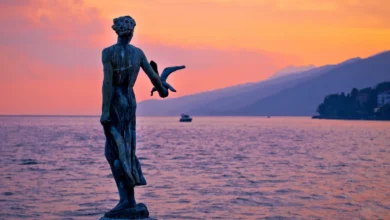
- Summer (June-August): While popular, summer passeggiate can be hot, especially in the south. However, the long, warm evenings and holiday atmosphere draw immense crowds, making for a truly vibrant scene. Many Italians migrate to coastal towns or cooler mountain regions, and the passeggiata shifts to seaside promenades.
- Spring (April-May) and Early Autumn (September-October): These seasons offer arguably the most delightful conditions. The air is mild, the scents of blooming flowers or ripening grapes fill the air, and the tourist crowds are often thinner than in peak summer. Locals are out in full force, enjoying the comfortable temperatures before the intense heat or cold sets in. These periods strike a perfect balance between pleasant weather and authentic local participation.
- Winter (November-March): While less common, the passeggiata still occurs, especially on crisp, clear evenings or around major holidays like Christmas. Festive lights and decorations add a different kind of charm, and participants often bundle up in stylish coats and scarves, gathering around outdoor heaters at cafes.
- Local Festival Considerations: Synchronizing your passeggiata with local festivals can elevate the experience from pleasant to unforgettable. Italy’s calendar is replete with regional celebrations, from patron saint days to food and wine festivals (sagre). During these events, streets come alive with parades, live music, traditional dances, temporary food stalls, and artisan markets. For instance, the Feast of San Giovanni in Florence (June 24th) or various historical reenactments in Siena or Verona transform the evening stroll into a living history lesson, immersing visitors in centuries of tradition and communal joy. Consulting local tourism boards or simply asking locals about upcoming events is highly recommended.
Prime Destinations for the Midnight Passeggiata
While the passeggiata is a nationwide phenomenon, certain cities and towns offer particularly memorable settings for this evening ritual.
- Rome: The Eternal City provides a magnificent backdrop. From the Spanish Steps and Via del Corso to the charming alleys of Trastevere, Romans engage in lively evening strolls. The illuminated monuments, like the Colosseum or the Trevi Fountain, add an unparalleled grandeur to the experience. The Piazza Navona, especially, becomes a living canvas of artists, musicians, and promenading families.
- Florence: In the heart of Tuscany, Florence’s historic center, a UNESCO World Heritage site, is ideal. The Ponte Vecchio, Piazza della Signoria, and the narrow streets leading to the Duomo are filled with pedestrians. The Arno River banks offer cooler breezes and stunning views as locals enjoy their evening.
- Venice: Unique among Italian cities, Venice’s calli (alleys) and campi (squares) become even more magical after the day-trippers depart. The Rialto Bridge and Piazza San Marco retain their grandeur, but the true charm lies in getting lost in the quieter, residential areas, observing Venetians go about their evening routines. The absence of cars amplifies the sounds of conversation and distant music.
- Naples: This vibrant southern city offers a raw and authentic passeggiata. The Lungomare Caracciolo, a lengthy promenade along the Bay of Naples, is a prime location, teeming with families, couples, and friends. The Spanish Quarters and the historic center, while bustling, also offer a glimpse into the city’s lively street culture. The scent of pizza and espresso is ever-present.
- Milan: As Italy’s fashion capital, Milan’s passeggiata is characterized by undeniable style. The Galleria Vittorio Emanuele II, Piazza del Duomo, and the Brera district are popular spots. Here, the evening stroll often merges with aperitivo culture, making it a sophisticated affair where fashion and socializing go hand-in-hand.
- Smaller Towns and Villages: For a truly intimate experience, exploring the passeggiata in smaller towns across Tuscany, Umbria, or Puglia is highly recommended. These often offer a more concentrated sense of community, where everyone seems to know everyone, and visitors are quickly welcomed into the local rhythm. Towns like Orvieto, Siena, or Lecce provide a captivating, less overwhelming alternative to the major urban centers.
The Art of Dressing for the Passeggiata
Italian culture places a high value on presentation, and the passeggiata is an occasion to showcase one’s personal style, even if it’s "casual elegance." The goal is to look polished and put-together without appearing overly formal or ostentatious.
- For Women: A stylish sundress, tailored trousers paired with a chic blouse, or a well-fitting skirt are excellent choices. Light, flowing fabrics like linen, silk, or cotton blends are ideal for comfort, especially in warmer months. Accessorize thoughtfully with a statement necklace, elegant scarf, or a classic handbag.
- For Men: Smart casual is the order of the day. Well-fitted chinos or tailored trousers with a crisp polo shirt or a linen button-down are perfect. A light blazer or a stylish sweater draped over the shoulders can add a touch of sophistication. Avoid shorts, flip-flops, or overly sporty attire, unless you are at a beach resort.
- Footwear is Key: Comfort is paramount, as you will be doing a significant amount of walking. Opt for fashionable flats, elegant sandals, loafers, or clean, stylish sneakers. High heels, while fashionable, can quickly become impractical on cobblestone streets.
- Layering: Even on warm evenings, a light jacket, cardigan, or a pashmina can be useful as temperatures can drop after sunset, especially in spring and autumn. This also adds another element of style.
Culinary Delights of the Evening Stroll

No Italian experience is complete without its gastronomic elements, and the passeggiata is no exception. Food and drink are integral parts of the evening’s pleasure.
- Gelato: A quintessential Italian treat, gelato is practically mandatory during a passeggiata. With countless flavors ranging from classic pistacchio and hazelnut to refreshing fruit sorbettos, a cone or cup of artisanal gelato is the perfect companion for a leisurely walk. Gelaterias often stay open late, becoming focal points for social gatherings.
- Espresso and Aperitivo: While espresso is traditionally a daytime drink, a quick shot at a bustling bar can punctuate a passeggiata. More commonly, the evening passeggiata often blends with the aperitivo ritual. This pre-dinner drink, typically enjoyed with small snacks (stuzzichini), is a social institution in itself, marking the transition from day to evening. A refreshing Aperol Spritz, Negroni, or a glass of local wine is a popular choice.
- Street Food: Many cities offer delectable street food options that are perfect for a stroll. In Rome, supplì (fried rice balls with mozzarella) or pizza al taglio (pizza by the slice) are popular. In Naples, fried seafood cones (cuoppo) or pizza fritta (fried pizza) are local favorites. These portable delights allow for continuous movement while savoring authentic flavors.
- Pastries: Many pasticcerie (pastry shops) remain open, offering an array of exquisite cakes, tarts, and biscuits. A small, sweet indulgence can be a delightful end to an evening walk.
Economic and Social Implications
The passeggiata has significant economic and social implications for Italian communities. From an economic perspective, it provides a crucial boost to local businesses. Gelaterias, cafes, bars, small boutiques, and restaurants all benefit from the increased foot traffic and the prolonged evening activity. Unlike in some cultures where commercial areas close early, Italian towns remain lively, encouraging spontaneous purchases and extending dining hours. This economic vitality helps sustain local economies and preserves the charm of independent businesses.
Socially, the passeggiata is a powerful tool for community building. In an increasingly digital world, it offers a regular, tangible opportunity for face-to-face interaction, strengthening intergenerational ties and reinforcing a sense of belonging. It allows for the casual exchange of news, the spontaneous planning of future gatherings, and simply the comfort of being part of a larger collective. This ritual actively combats social isolation, fostering a vibrant public sphere that is increasingly rare in many other parts of the world.
Preserving a Cherished Tradition
Despite the advent of modern entertainment and digital connectivity, the passeggiata shows no signs of diminishing in importance. Its enduring appeal lies in its simplicity and its deep connection to Italian identity. It serves as a reminder to slow down, to appreciate human connection, and to find joy in the shared experience of public life. Local authorities often support the passeggiata by pedestrianizing city centers, encouraging outdoor seating for cafes, and promoting local festivals, understanding its value both for residents and for attracting tourism.
The passeggiata is not just a cultural curiosity for tourists; it is a living, breathing tradition that continues to define the rhythm of Italian life. It is an invitation to step away from the hurried pace of modern existence and immerse oneself in a timeless ritual of community, style, and culinary delight. So, as the sun sets over Italy, join the throng, embrace the gentle hum of conversation, and let the magic of the midnight passeggiata sweep you into the heart of Italian culture.