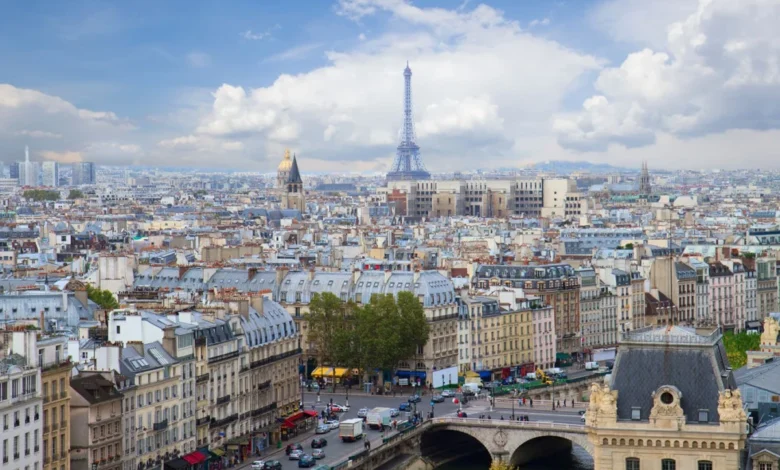
Europe experienced a monumental resurgence in international tourism in 2025, recording over 793 million international arrivals and officially surpassing pre-pandemic visitor levels. This significant milestone, largely attributed to pent-up travel demand and strategic recovery efforts by various nations, underscores the continent’s enduring appeal as a global travel destination. The recovery data, primarily sourced from a comprehensive 2024 study by Euromonitor International, alongside other Top 100 Cities in The World studies and local tourism office reports, provides a vital roadmap for understanding current travel trends and planning multi-city European adventures.
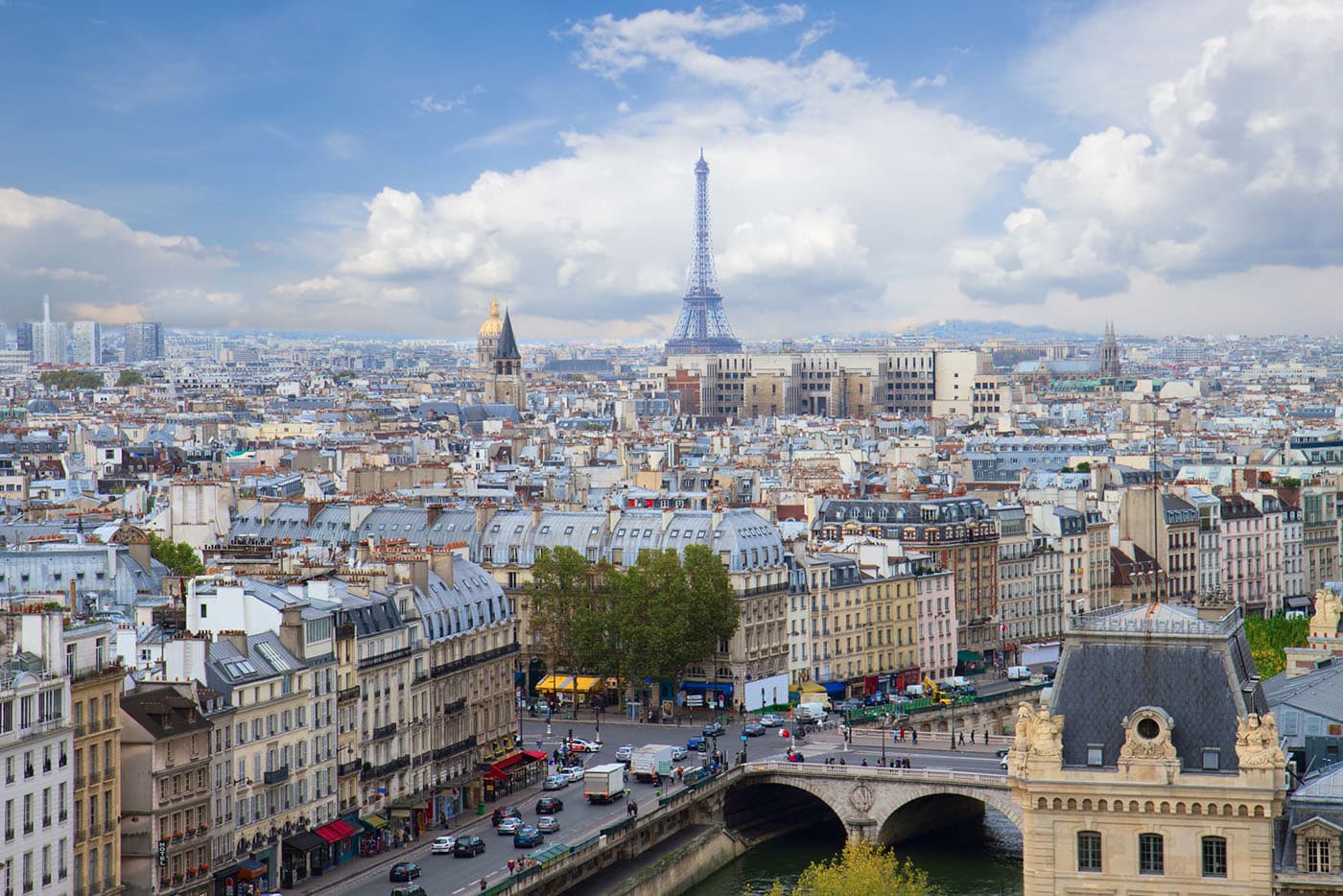
The robust recovery observed in 2024 and sustained into 2025 marks a critical turning point for Europe’s tourism sector, which faced unprecedented challenges during the global health crisis. The continent’s diverse array of cultural, historical, and natural attractions, coupled with improved connectivity and targeted marketing campaigns, has successfully drawn visitors back in record numbers. This guide delves into the most visited cities, offering insights into their unique draws and the factors contributing to their popularity.
The Pillars of European Tourism: Top Destinations Revealed
The analysis of visitor numbers reveals a clear hierarchy of popular cities, each offering a distinct flavor of European charm and experience. These urban centers not only act as major tourist magnets but also serve as economic engines for their respective regions and countries.
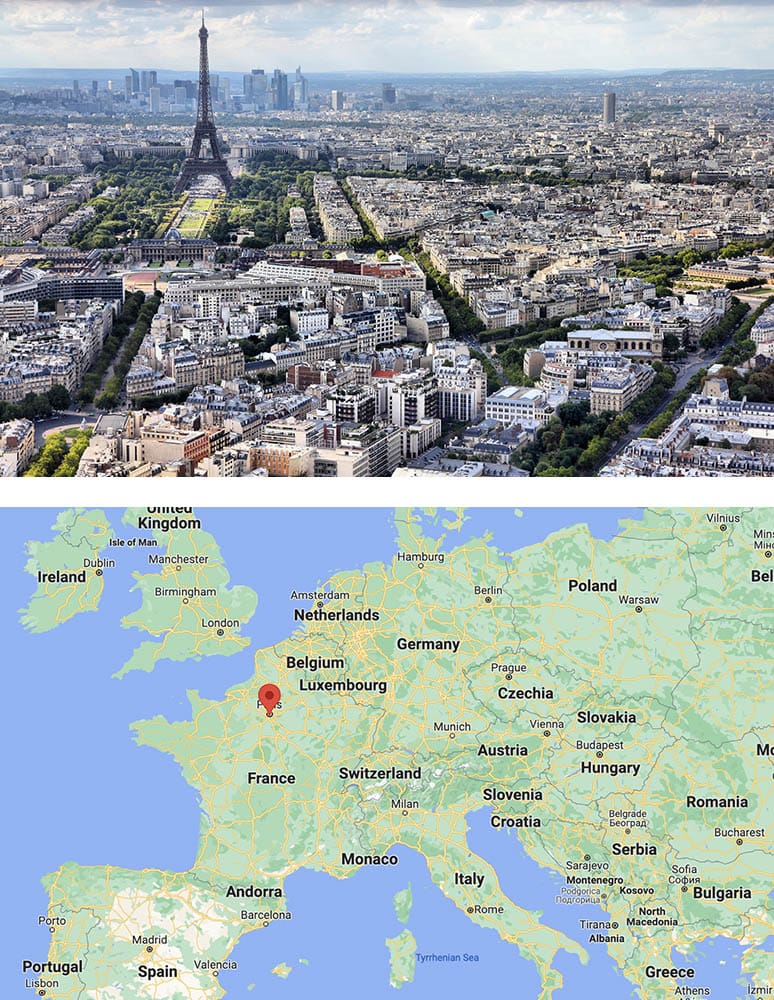
1. Paris, France – 50 Million Annual Visitors
The French capital, often hailed as the "City of Love," has reclaimed its top position as Europe’s most visited city, narrowly surpassing London after years of close competition. France itself remains the most visited country on the continent. Paris’s enduring allure stems from its unparalleled concentration of iconic landmarks such as the Eiffel Tower, Louvre Museum, and Notre Dame Cathedral, alongside a vibrant cultural scene, world-renowned cuisine, and bustling nightlife. The city’s efficient Metro system further enhances its accessibility, allowing visitors to navigate its rich tapestry of experiences with ease. With an extensive inventory of accommodation, from luxury hotels to budget-friendly vacation rentals and hostels, Paris is exceptionally well-equipped to host its massive influx of tourists. The upcoming 2024 Olympic Games have also injected renewed energy and investment into the city, further solidifying its global standing and enhancing its infrastructure for future visitors. Paris’s tourism office highlights its commitment to sustainable tourism, aiming to balance visitor enjoyment with urban preservation.
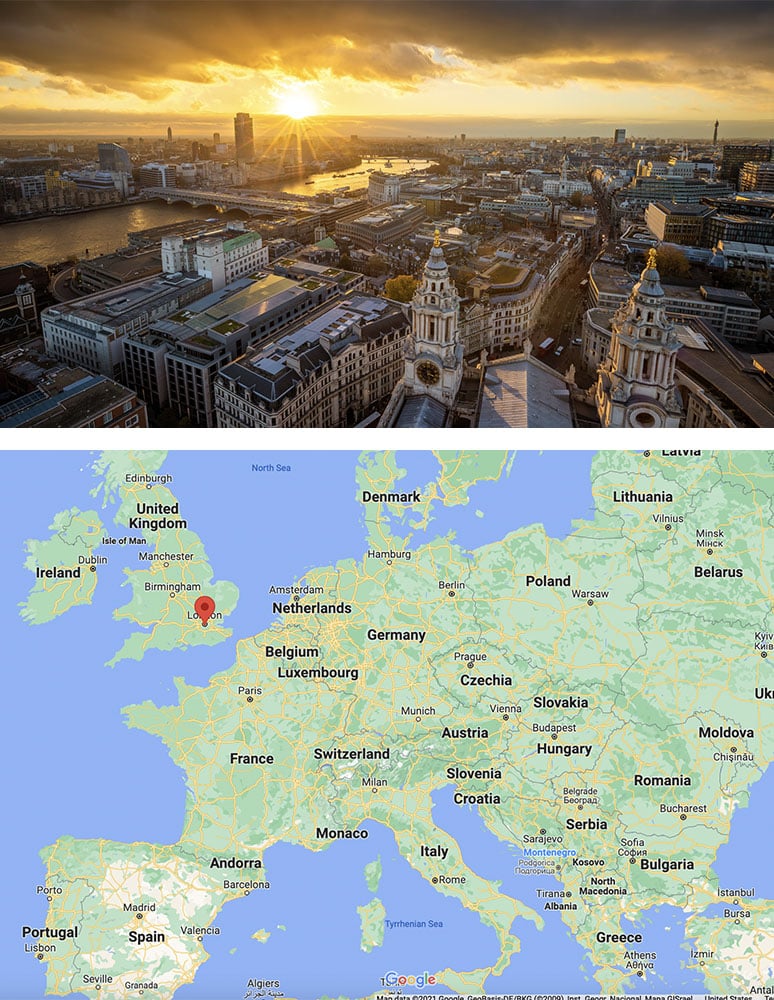
2. London, United Kingdom – 40 Million Annual Visitors
Historically Europe’s leading destination, London continues to be a formidable contender, ranking second despite being recently overtaken by Paris. Its appeal as a first-stop for many international travelers is multifaceted: multiple major airports ensure abundant and often affordable flight options, while the absence of a language barrier provides a comfortable entry point for English speakers. London is a global metropolis offering an incredible array of world-class attractions, from the historic Tower of London and Buckingham Palace to the contemporary Tate Modern and West End theaters. The city’s diverse culinary scene, vibrant neighborhoods, and extensive public transport network (the Tube) allow visitors to spend a week or more exploring without exhausting its offerings. Transport for London and Visit London continuously work to improve visitor experience and connectivity.
3. Rome, Italy – 35 Million Annual Visitors
The "Eternal City" predictably ranks among Europe’s most visited, revered globally for its unparalleled historical, educational, and cultural significance. Rome is a living museum, boasting ancient wonders like the Colosseum, Roman Forum, and Pantheon, alongside the spiritual heart of the Catholic Church, Vatican City. Its deep historical layers, from imperial grandeur to Renaissance artistry, offer an immersive journey through millennia of human civilization. Rome also serves as an excellent gateway to explore Italy’s other celebrated regions and cities, facilitated by robust rail connections. The city faces ongoing challenges in preserving its ancient heritage amidst high visitor traffic, prompting local authorities to implement measures aimed at crowd management and site protection.
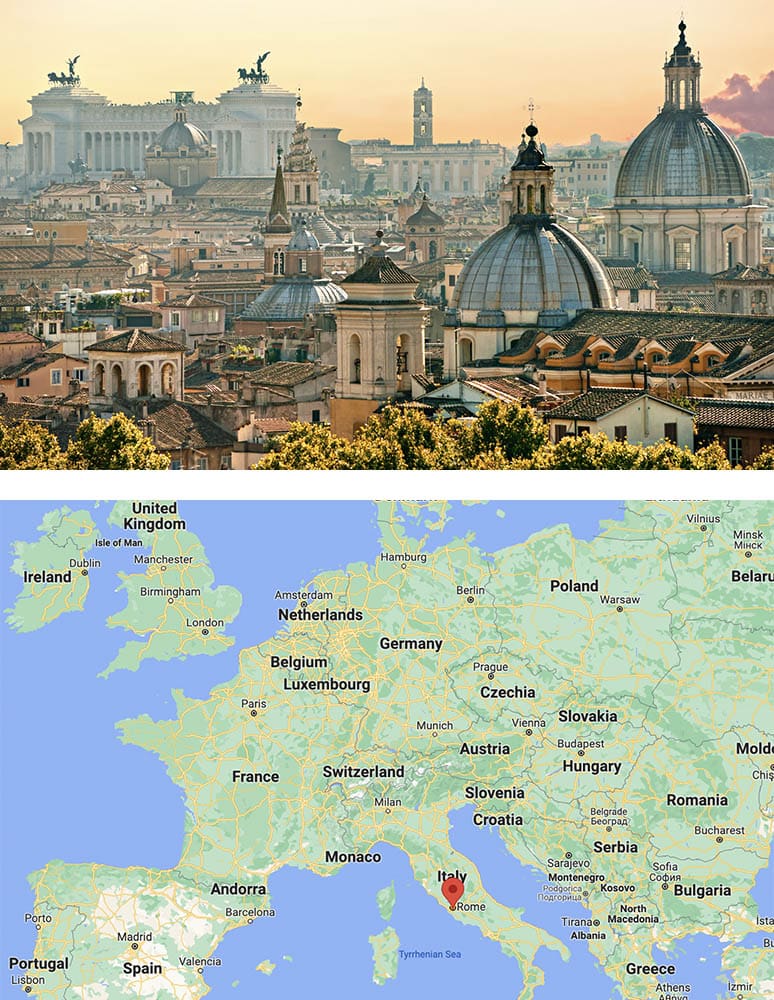
4. Istanbul, Turkey – 20 Million Annual Visitors
Istanbul’s rise in tourism numbers is a testament to its unique position as a bridge between East and West, straddling two continents. Following a period of political instability and security concerns, a return to calmer conditions has seen tourism skyrocket. The city’s rich history as the capital of the Byzantine and Ottoman Empires is reflected in architectural marvels like the Hagia Sophia, Blue Mosque, and Topkapi Palace. Its bustling Grand Bazaar and Spice Market offer vibrant cultural experiences, drawing in millions, particularly Europeans, eager to experience its distinctive blend of cultures. The Turkish Ministry of Culture and Tourism actively promotes Istanbul as a safe and dynamic destination.
5. Barcelona, Spain – 16 Million Annual Visitors
Barcelona consistently features on global travel itineraries, thanks to its vibrant food scene, distinctive Gothic and Modernist architecture (most notably Antoni Gaudí’s Sagrada Familia and Park Güell), pleasant Mediterranean weather, beautiful urban beaches, and renowned nightlife. The city’s unique Catalan culture adds another layer of appeal. However, Barcelona has also been at the forefront of the "over-tourism" debate, with local authorities implementing measures such as stricter regulations on vacation rentals and limitations on cruise ship numbers to manage visitor impact and preserve residential quality of life.
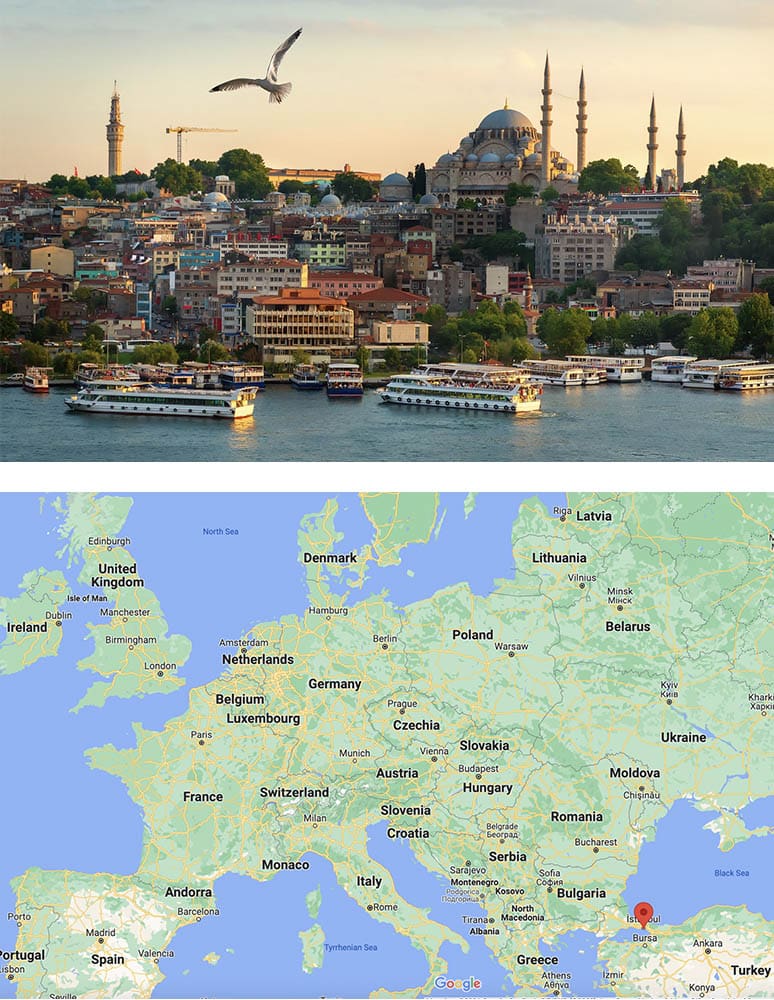
6. Lisbon, Portugal – 14 Million Annual Visitors
Lisbon has rapidly emerged as a hot destination, climbing the ranks of Europe’s most visited cities. Characterized by its pastel-colored buildings, historic tramways, soulful Fado music, and charmingly gritty yet laid-back coastal vibe, Lisbon offers a captivating experience. Crucially, it remains more wallet-friendly than many Western European capitals, with reasonably priced food, lodging, and attractions, making it attractive to a broader demographic of travelers. The city’s maritime history and stunning viewpoints (miradouros) contribute to its growing popularity.
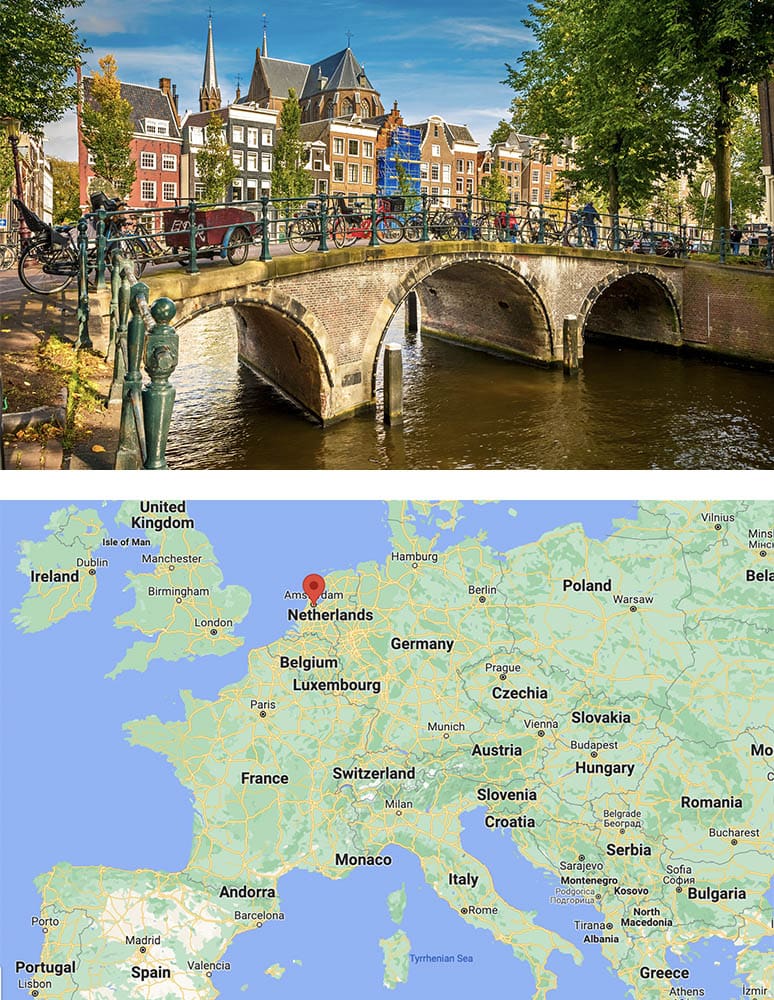
7. Amsterdam, Netherlands – 8.9 Million Annual Visitors
Despite its relatively compact size, Amsterdam is a major European tourism hub, famous for its picturesque canals, charming gabled houses, world-class museums (Rijksmuseum, Van Gogh Museum), and liberal social policies. It consistently ranks as one of Europe’s most livable cities. However, over-tourism is a significant concern, especially given the city’s limited infrastructure. Accommodation, in particular, can be very expensive. The municipality of Amsterdam has actively pursued policies to manage tourist flow, discourage nuisance tourism, and promote off-season visits to alleviate congestion and preserve local quality of life.
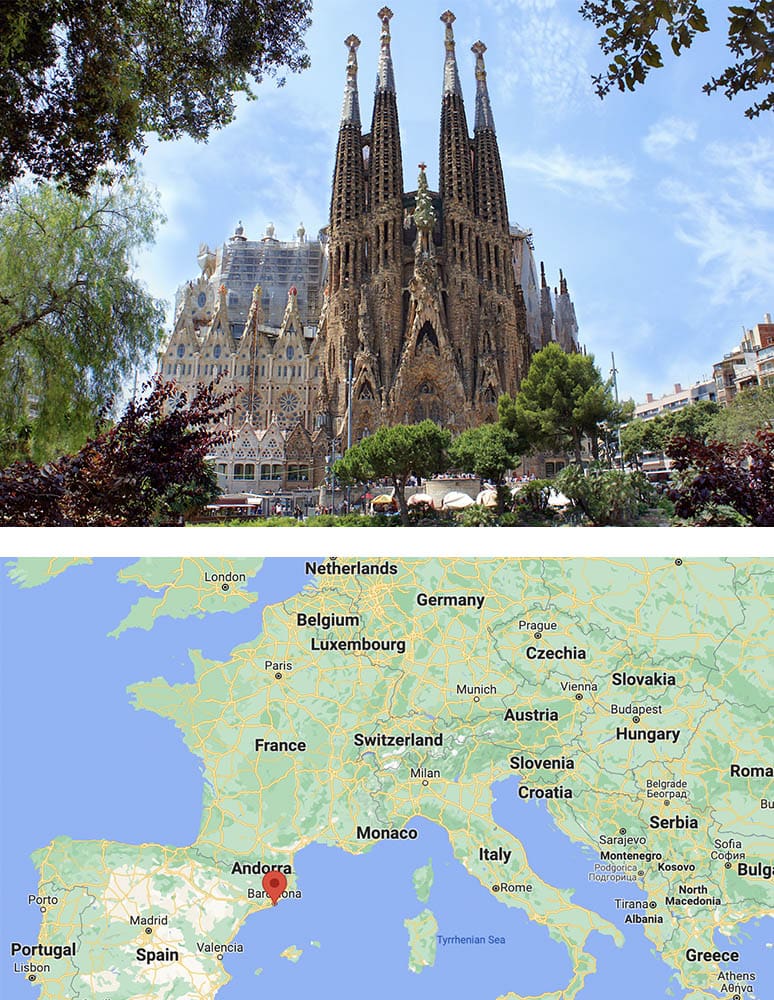
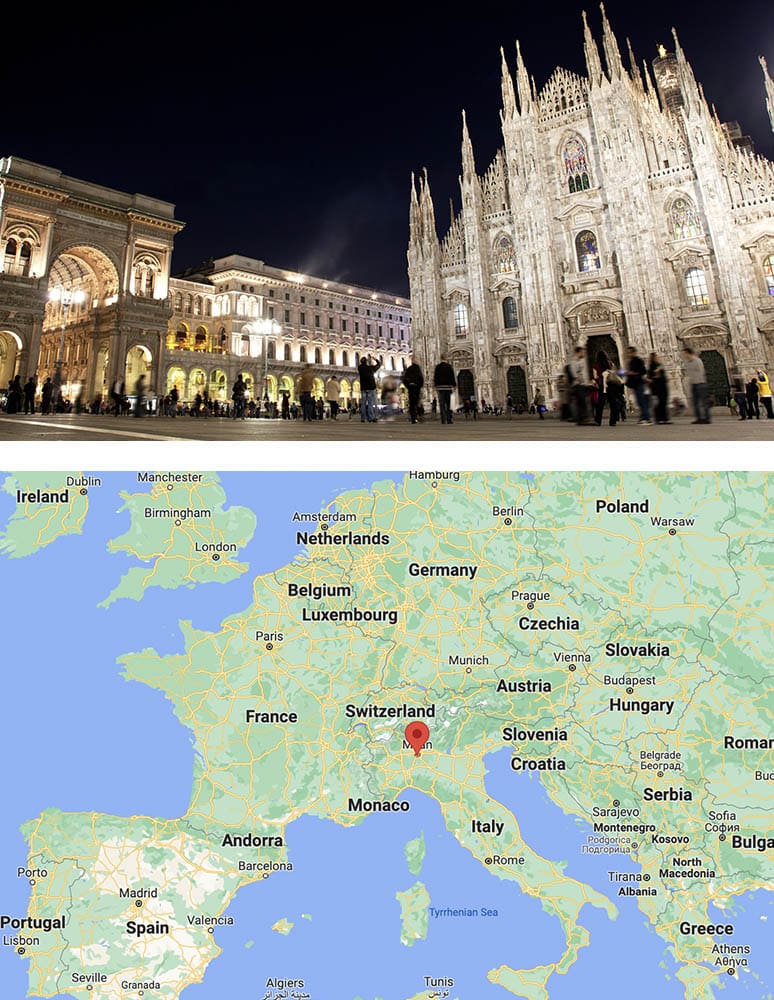
8. Milan, Italy – 8.2 Million Annual Visitors
As Italy’s fashion and finance capital, Milan exudes a more contemporary and sophisticated aura compared to its historical counterparts. While perhaps not the quintessential "old Italian city" for first-time visitors, it offers unique attractions such as the Duomo di Milano, Leonardo da Vinci’s "The Last Supper," and the renowned La Scala opera house. It serves as a vital hub for design, business, and haute couture, drawing a specific segment of travelers and offering a different facet of Italian culture.
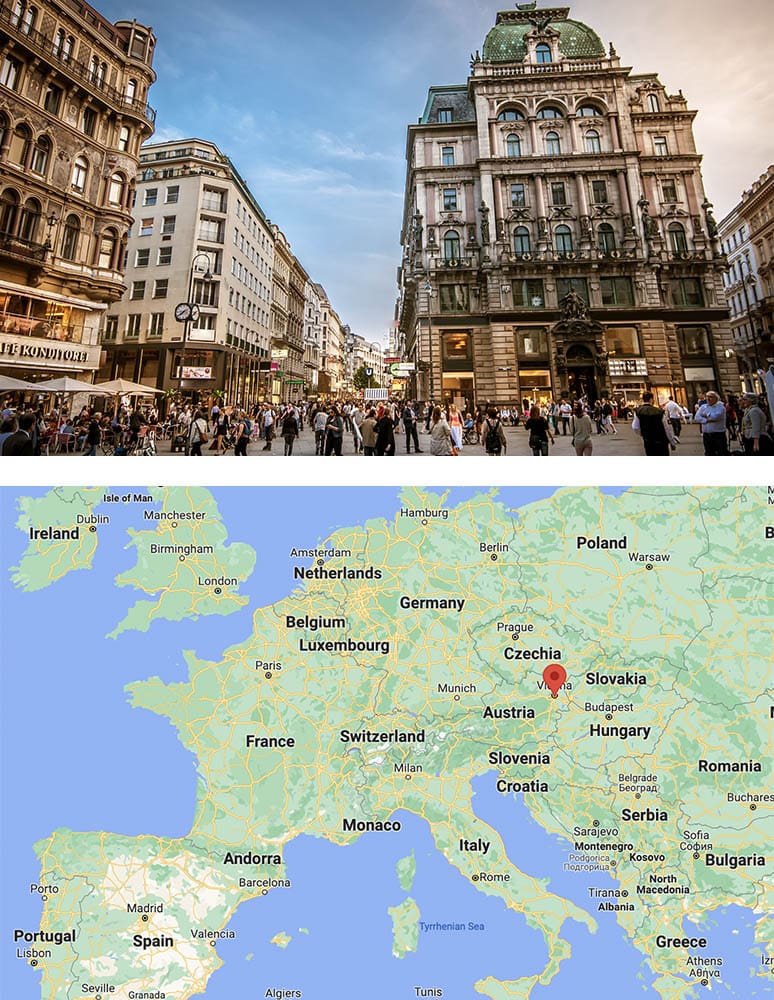
9. Vienna, Austria – 8.2 Million Annual Visitors
Consistently ranked among the world’s most livable cities, Vienna is a grand imperial capital that attracts millions with its opulent palaces (Schönbrunn, Hofburg), magnificent Gothic and Baroque architecture, and deep musical heritage (Mozart, Beethoven, Strauss). The city’s famous coffee house culture, serving traditional desserts, is an integral part of the Viennese experience. Its blend of historical elegance and high quality of life makes it a highly desirable destination for cultural tourism.
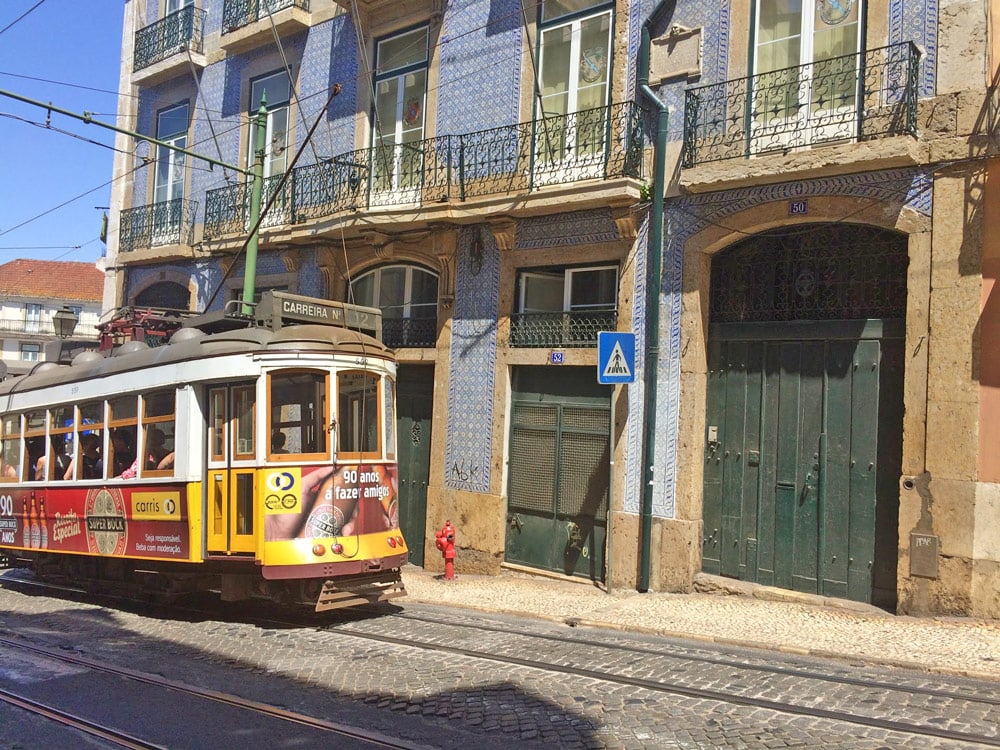
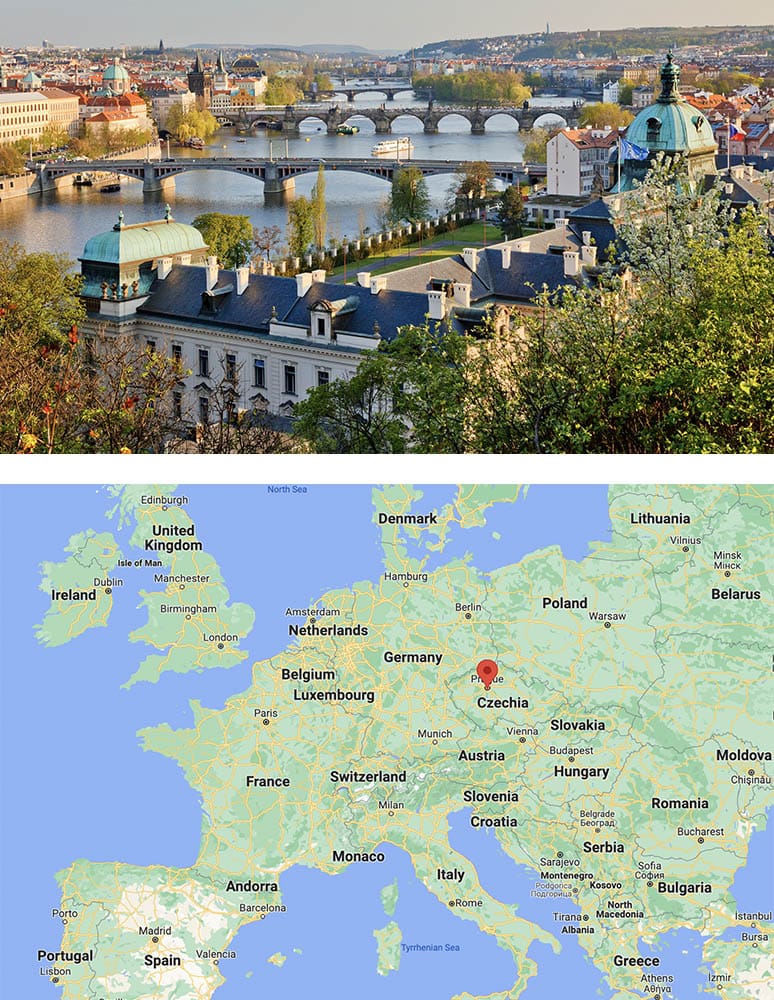
10. Prague, Czech Republic – 7.5 Million Annual Visitors
Often described as a "fairy tale city," Prague enchants visitors with its medieval Old Town Square, Charles Bridge, and Prague Castle. While its former reputation as an exceptionally cheap destination has evolved, it still offers good value compared to many Western European cities, particularly for food and drink. The city’s Gothic and Baroque architecture, vibrant arts scene, and lively student population make it a dynamic cultural center. Summer months can be very crowded, prompting recommendations for off-season visits to enjoy its charm more serenely.
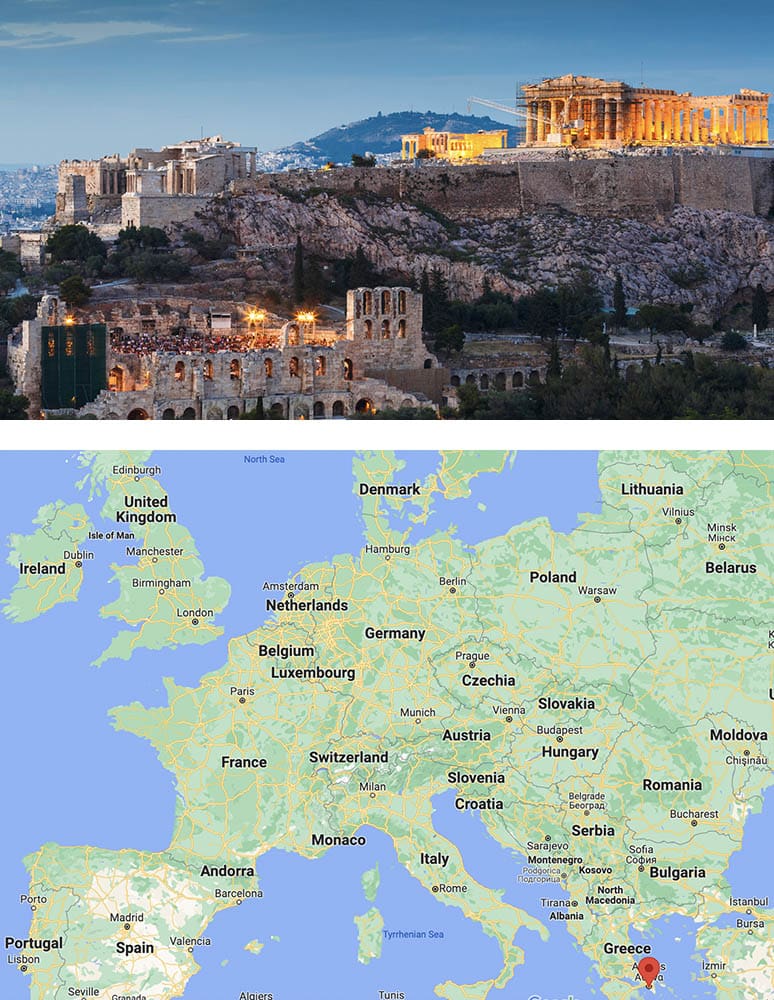
11. Athens, Greece – 6.5 Million Annual Visitors
Athens, the historical capital of Europe and the birthplace of democracy, arts, science, and Western philosophy, is primarily known for its iconic Acropolis and Parthenon. While often serving as a jumping-off point for exploring the famous Greek Islands, the city itself offers a profound journey into ancient civilization. Despite its historical grandeur, Athens can sometimes present a "drab and gritty" urban landscape beyond its ancient core, contrasting with typical perceptions of picturesque European cities. However, ongoing urban renewal projects and a burgeoning contemporary art scene are slowly reshaping its image.
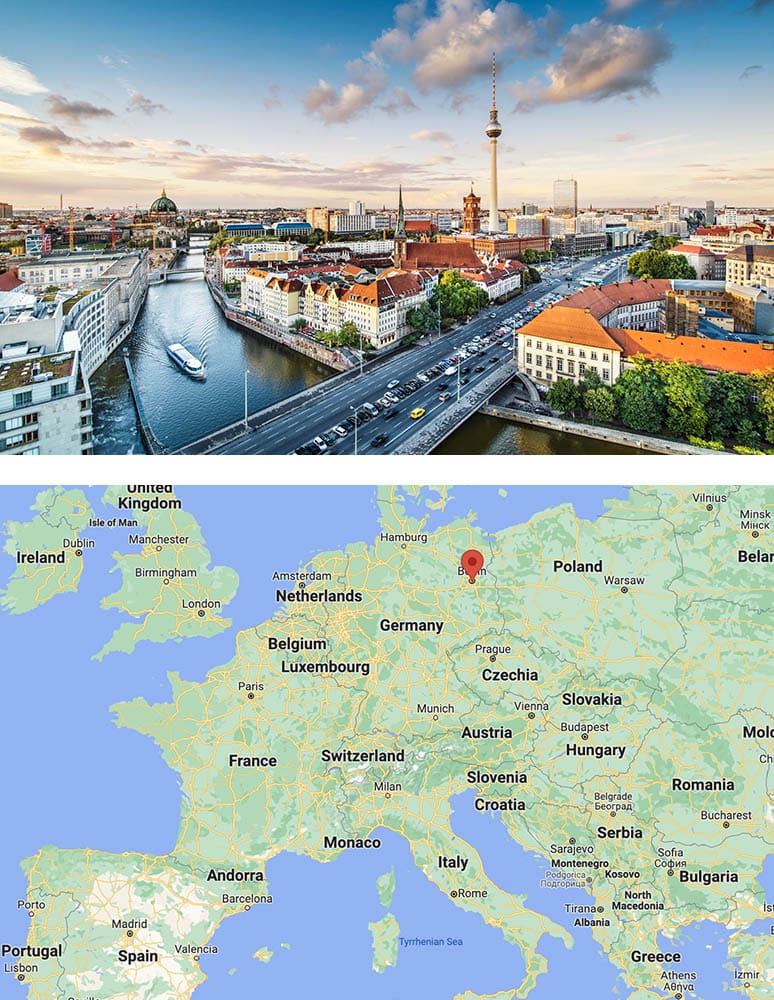
12. Berlin, Germany – 6.3 Million Annual Visitors
Berlin, famously described as "poor but sexy," has transformed from a divided city into a vibrant cultural hub. While no longer as inexpensive as it once was, it remains one of Europe’s more affordable major capitals. The city is celebrated for its rich, complex history (e.g., Brandenburg Gate, Berlin Wall Memorial, Reichstag), cutting-edge arts scene, and legendary nightlife. Berlin offers a plethora of excellent museums and galleries, reflecting its intellectual and creative spirit. Efforts to memorialize its past while embracing a dynamic future continue to attract a diverse range of visitors.
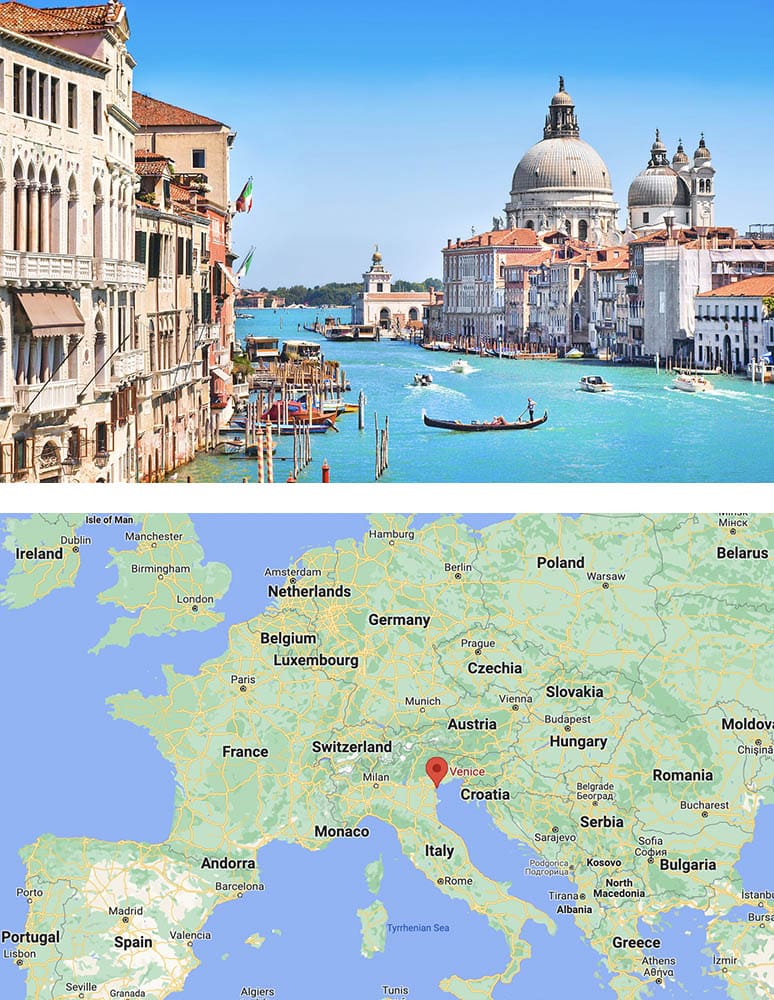
13. Venice, Italy – 5.6 Million Annual Visitors
The uniquely beautiful, sinking city of Venice remains a bucket-list destination, drawing millions to its intricate network of canals, historic bridges, and St. Mark’s Square. However, Venice epitomizes the challenges of over-tourism, particularly from large cruise ships and day-trippers. The city’s fragile ecosystem and infrastructure are under immense pressure. Staying overnight offers a significantly different experience, as the crowds thin out in the evenings, revealing a more tranquil and magical side of the city. Debates around entry fees and regulating tourist flow are ongoing as the city grapples with its environmental and cultural preservation.
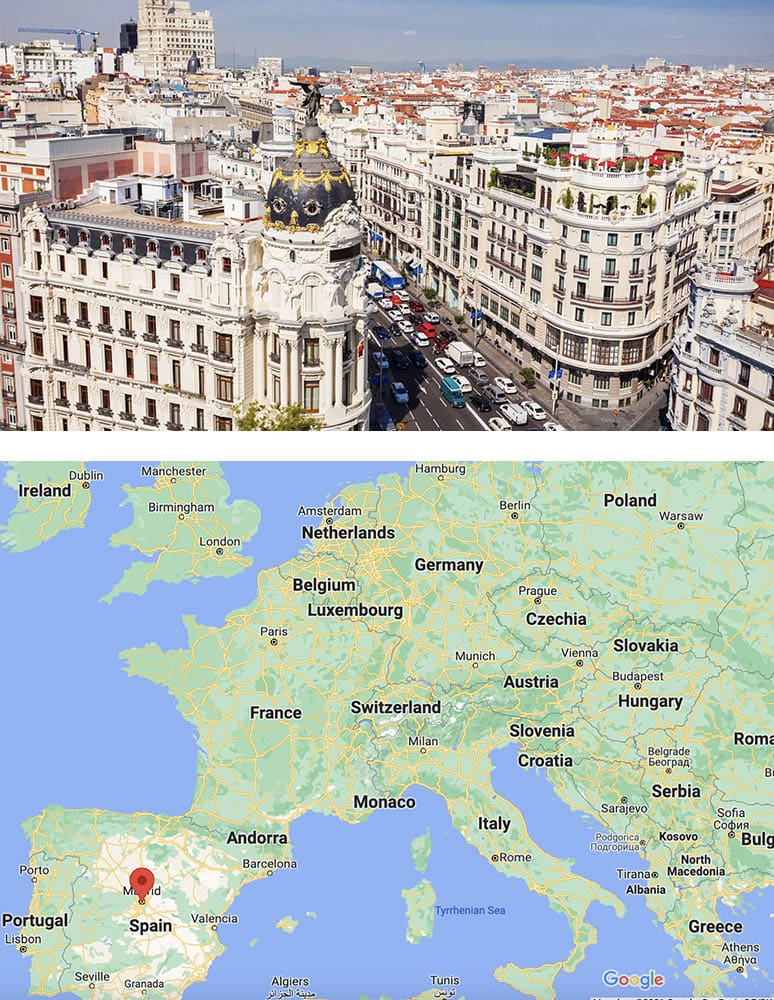
14. Madrid, Spain – 5.6 Million Annual Visitors
Spain’s bustling capital and largest city, Madrid, is a vibrant metropolis offering an outstanding blend of culture, art (Prado Museum, Reina Sofía), impressive architecture, and lively nightlife. It’s relatively affordable by Western European standards. While much of its architecture dates from the 20th century, giving it a more modern feel than some older European capitals, Madrid overflows with energy, grand boulevards, and a distinctive old-world charm that captivates visitors. Its central location also makes it an excellent base for exploring other parts of Spain.
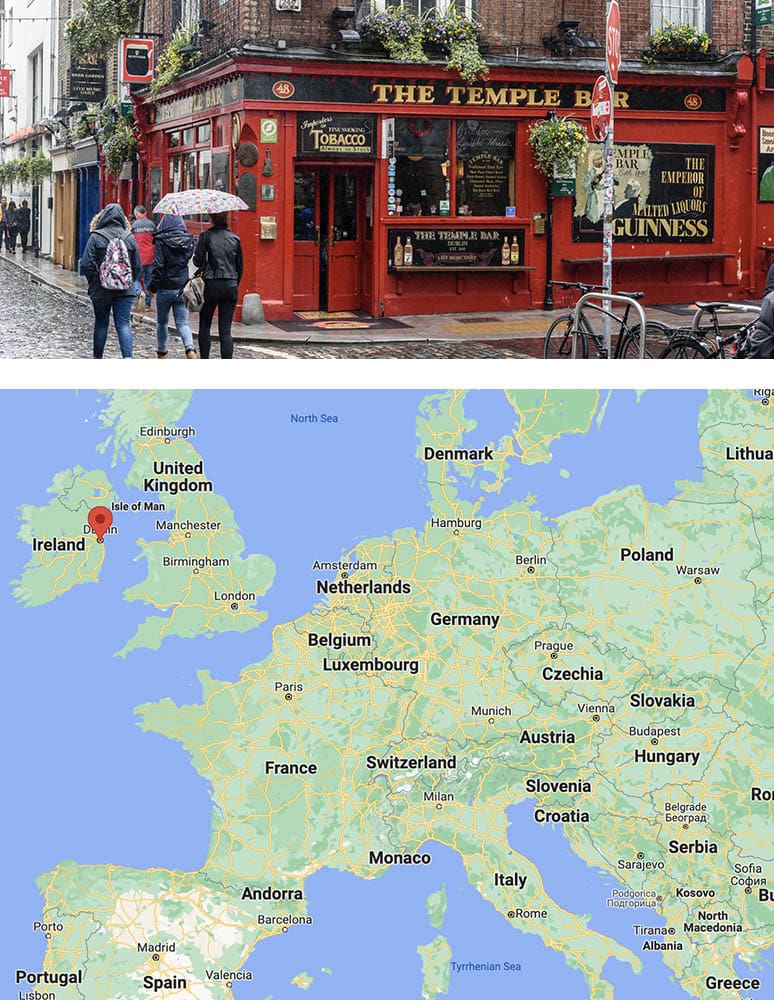
15. Dublin, Ireland – 5.5 Million Annual Visitors
Dublin, a small yet incredibly vibrant city, charms visitors with its friendly locals, rich literary heritage, and excellent pub culture. Home to a large student population, it offers diverse nightlife options. The city’s compact size makes it highly walkable, allowing easy exploration of landmarks like Trinity College, Dublin Castle, and the Guinness Storehouse. However, Dublin is noted for being quite expensive, particularly regarding food and alcohol, which is a key consideration for budget travelers.
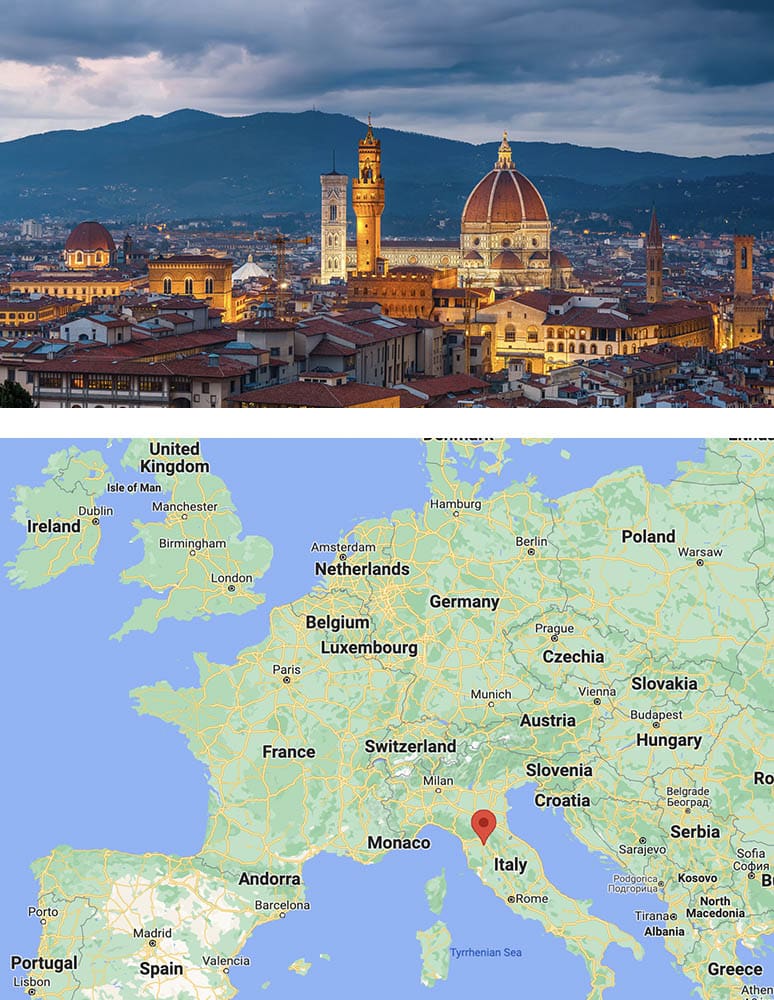
16. Florence, Italy – 5.1 Million Annual Visitors
Florence, the heart of the Renaissance, is an indispensable Italian destination, easily accessible from Rome by high-speed train. While popular for day trips, a multi-day stay is highly recommended to fully absorb its immense beauty, world-class art (Uffizi Gallery, Accademia Gallery’s David), and delectable Tuscan cuisine. The crowds significantly diminish in the evenings, offering a more intimate experience of its charming streets and piazzas.
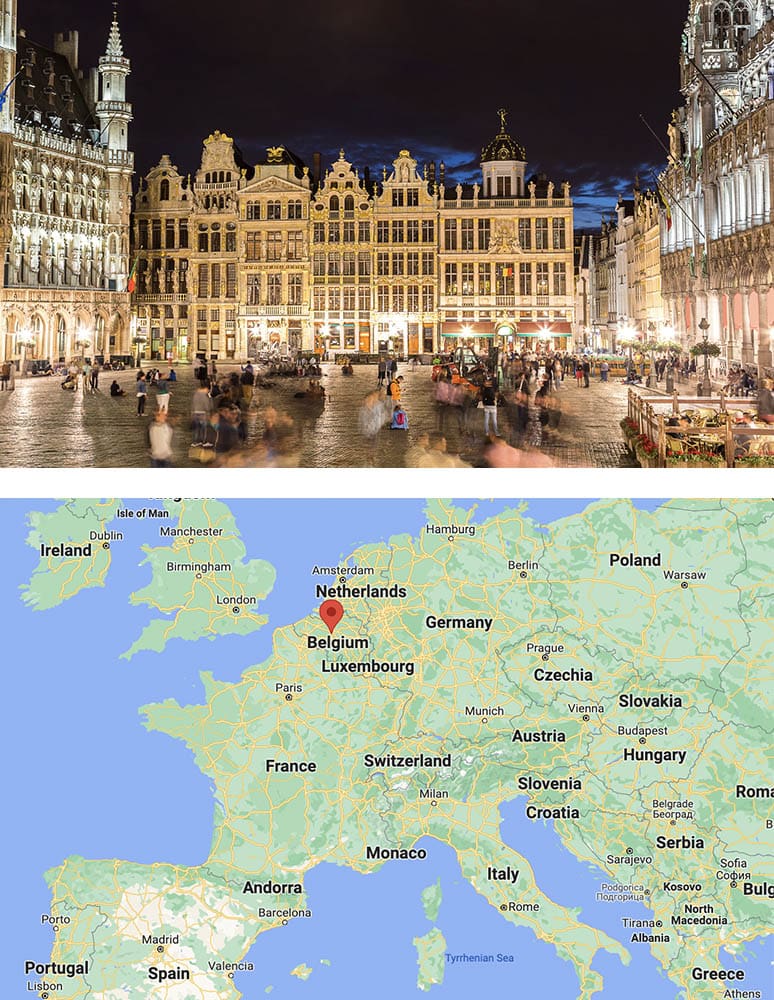
17. Brussels, Belgium – 4.3 Million Annual Visitors
As the de facto capital of the European Union, Brussels is globally recognized but sometimes perceived as a more business-centric destination. Despite a reputation for being somewhat expensive and lacking "must-see" sights, the city boasts the stunning Grand Place, numerous excellent museums, and a burgeoning creative scene that is slowly shedding its staid image. Its culinary delights—waffles, chocolate, fries, and, of course, a vast array of world-class beers—are undeniable draws for visitors.
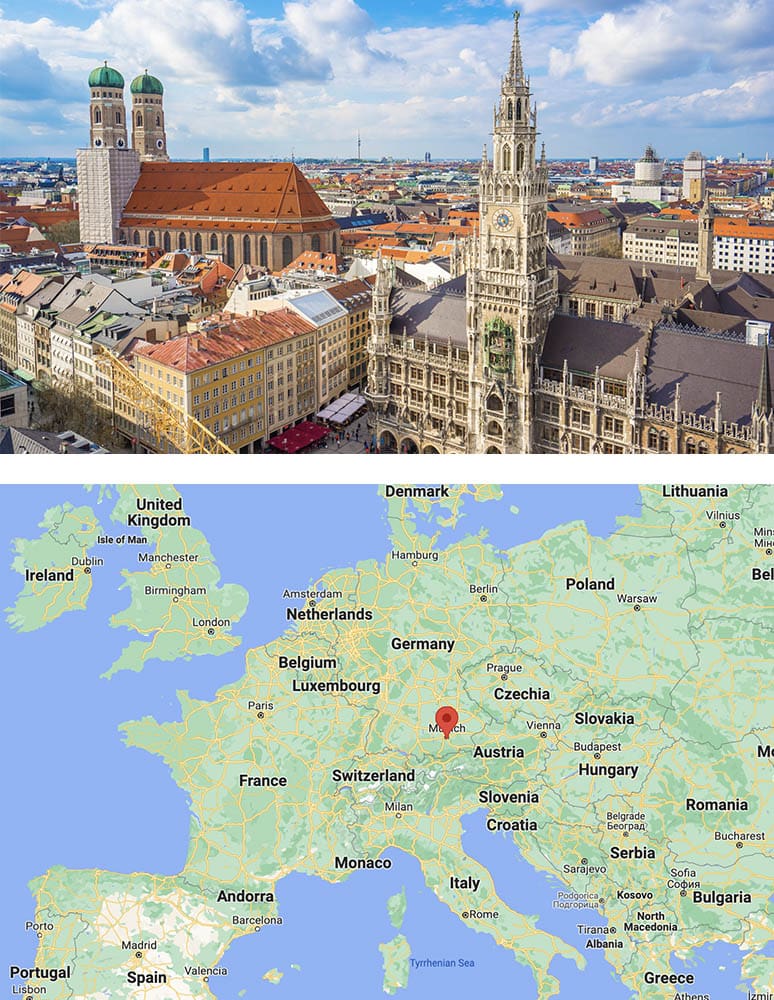
18. Munich, Germany – 4.2 Million Annual Visitors
Munich, the Bavarian capital, offers a distinctively German experience with its centuries-old classical architecture, numerous museums, and vibrant beer culture. It is globally famous for its annual Oktoberfest, drawing millions for its raucous festivities. Beyond the festival, Munich is a beer drinker’s paradise with expansive beer gardens and traditional breweries. The city also serves as a gateway to the picturesque Bavarian Alps and fairy-tale castles like Neuschwanstein.
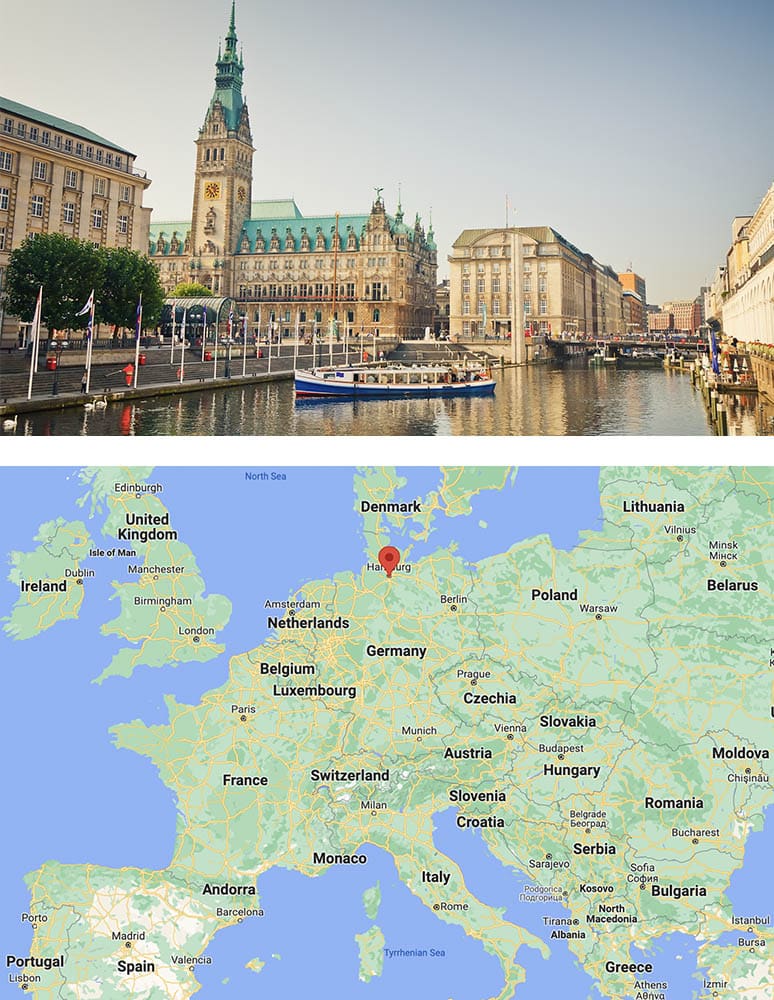
19. Hamburg, Germany – 4 Million Annual Visitors
Germany’s second-largest city, Hamburg, has historically been one of Europe’s largest port cities. While once known for its gritty edges, Hamburg has undergone significant urban regeneration, notably with the development of the HafenCity district and the architectural marvel of the Elbphilharmonie concert hall. It is now considered one of Germany’s hippest cities, offering a dynamic mix of new restaurants, bars, and clubs, alongside a rich maritime heritage and diverse cultural scene.
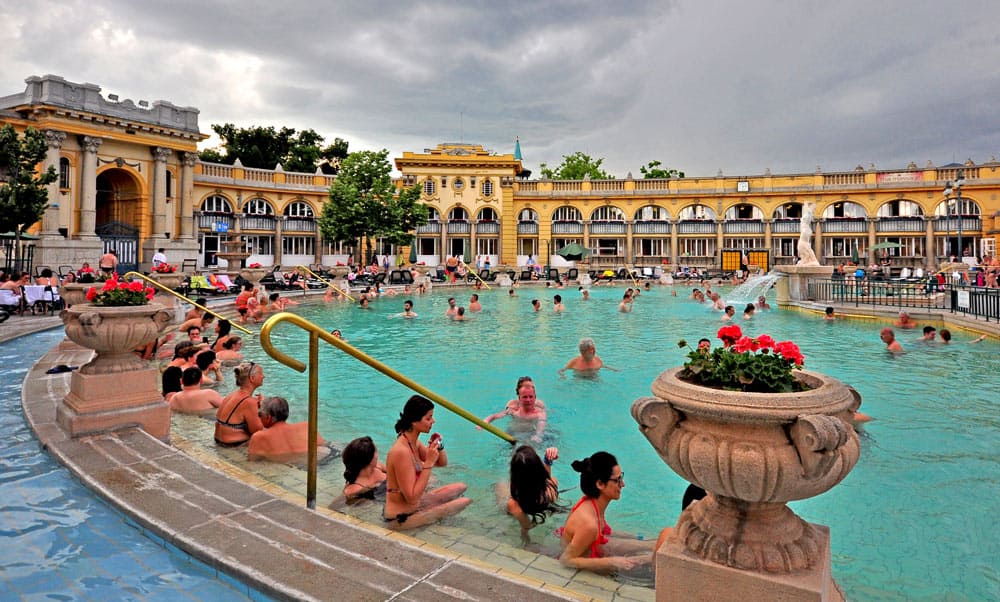
20. Budapest, Hungary – 4 Million Annual Visitors
Often referred to as the "Paris of the East," Budapest is rapidly gaining recognition as one of Europe’s most visited cities. It combines elegant boulevards and beautiful architecture with a unique grit and edge, a legacy of its past under communist rule. The city is renowned for its thermal baths, vibrant "ruin bars," and affordability, making it a favorite for those seeking a rich cultural experience and lively nightlife without the high costs of Western Europe.
Emerging and Unique Destinations in Europe’s Tourism Landscape
Beyond the top tier, several other European cities are attracting substantial numbers of visitors, each with its own distinct appeal and growing presence on the global tourism map.
21. Tallinn, Estonia – 4 Million Annual Visitors
Nestled between Stockholm and St. Petersburg, Tallinn presents an enchanting blend of Nordic and Russian influences. Its remarkably preserved medieval Old Town, complete with ancient walls and historic buildings, makes it one of Europe’s most complete walled cities. While popular for day trips from Helsinki, staying overnight offers a more authentic experience away from the cruise ship crowds that often fill its streets during the day.
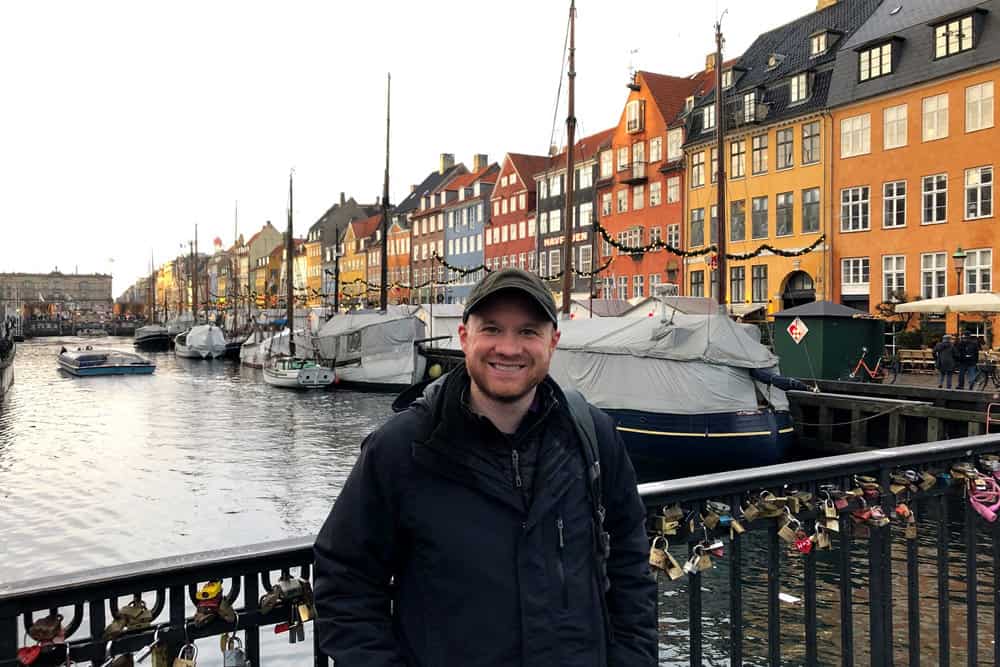
22. Copenhagen, Denmark – 3.2 Million Annual Visitors
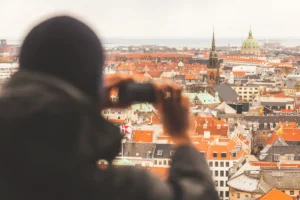
Copenhagen consistently ranks high in global happiness indices, and visitors quickly understand why. The city combines stunning contemporary architecture with historic charm, a thriving food scene (including New Nordic cuisine), numerous sights and museums, a vibrant craft beer culture, and an exemplary cycling infrastructure. Its "hygge" lifestyle and friendly locals contribute to its "must-visit" status, despite being one of Europe’s more expensive cities.
23. Edinburgh, Scotland – 3.1 Million Annual Visitors
Scotland’s capital is a captivating city known for its magical medieval Old Town, elegant Georgian New Town, and the iconic Edinburgh Castle. It becomes a global cultural magnet during the Edinburgh Festival in August. Its welcoming atmosphere, friendly locals, and traditional Scottish pubs add to its charm, making it a popular destination for those seeking a blend of history, culture, and spirited hospitality.
24. Heraklion, Greece – 3 Million Annual Visitors
As the capital of Crete and a major port city, Heraklion serves as a crucial entry point for visitors to Greece’s largest island. While many use it as a transit hub to explore the rest of Crete’s diverse landscapes and historical sites, Heraklion itself offers access to the Minoan palace of Knossos and a glimpse into Cretan urban life.
25. Kraków, Poland – 2.9 Million Annual Visitors
Kraków is a beautifully preserved old-school city and Poland’s cultural and intellectual capital. Its UNESCO-listed Old Town, Wawel Castle, and historical Jewish Quarter offer immense cultural depth. Thanks to its relatively low prices and large university student population, Kraków also has a reputation as a lively party town, balancing historical exploration with vibrant contemporary life.
26. Warsaw, Poland – 2.8 Million Annual Visitors
A city that largely rose from the ashes of WWII, Warsaw is Poland’s sprawling, meticulously rebuilt capital. It’s a city of resilience and transformation, now being discovered by more international visitors. While its tourism infrastructure is still developing compared to Western European counterparts, Warsaw offers a compelling narrative of history, modern development, and a burgeoning cultural scene.
27. Frankfurt, Germany – 2.7 Million Annual Visitors
Frankfurt is Germany’s financial heart and a major transportation hub. Largely modern due to post-war reconstruction, it’s more business-centric than a traditional tourist destination. However, it offers a respectable array of museums, a striking skyline, and a charming reconstructed Old Town (Römerberg), making it a worthwhile stop for those interested in contemporary German urbanism and culture.
28. Stockholm, Sweden – 2.7 Million Annual Visitors
Spread across 14 islands, Stockholm is an aesthetically pleasing city, renowned for its stunning waterfront, the Royal Palace, and the Vasa Museum. Its elegant design, vibrant cultural scene, and high quality of life are significant draws. The primary deterrent for more widespread tourism is its relatively remote Nordic location and high cost of living.
29. Nice, France – 2.6 Million Annual Visitors
Nice, the jewel of the French Riviera, has been a beloved summer destination for centuries. While the Côte d’Azur is known for its exclusivity, Nice offers numerous budget-friendly options, including excellent museums and easy train access to charming seaside towns along the coast. Its Mediterranean climate and picturesque Promenade des Anglais contribute to its enduring appeal.
30. Porto, Portugal – 2.5 Million Annual Visitors
While Lisbon attracts the majority of tourists in Portugal, Porto, with its slightly shabby yet undeniably beautiful charm, is gaining increasing recognition. Famous for its Port wine cellars along the Douro River, its historic Ribeira district, and a burgeoning culinary scene, Porto offers a more authentic and affordable Portuguese experience.
31. Bruges, Belgium – 2.5 Million Annual Visitors
Despite its small size, the medieval fairytale town of Bruges is one of Europe’s most popular destinations. Its picturesque canals, cobbled streets, and well-preserved architecture attract millions. While many visit as day-trippers, an overnight stay reveals a quieter, more magical side of the city once the daytime crowds depart.
32. Reykjavik, Iceland – 2 Million Annual Visitors
Tourism to Reykjavik has seen an explosion in recent years, attracting over two million visitors annually—a remarkable figure for a city of just over 100,000 residents. Surrounded by incredible natural wonders, Reykjavik itself is a vibrant hub of life, art, and music. However, visitors should be prepared for its reputation as a very expensive destination.
33. Seville, Spain – 2 Million Annual Visitors
Spain’s fourth-largest city and the capital of Andalusia, Seville is a beloved destination in Southern Europe. Known for its laid-back atmosphere, flamenco, stunning Alcázar palace, and grand Seville Cathedral, it offers a rich cultural experience. Visitors are advised to plan their trips in spring or fall to avoid the intense summer heat.
34. Lyon, France – 1.6 Million Annual Visitors
Often celebrated as the gastronomic capital of France, Lyon is a city of immense culinary prowess, art, culture, and history. With Roman ruins, Renaissance old town, and a youthful university population, Lyon offers a rich and welcoming experience that many find more approachable than Paris. Its status as a UNESCO World Heritage site underscores its historical significance.
35. Dubrovnik, Croatia – 1.5 Million Annual Visitors
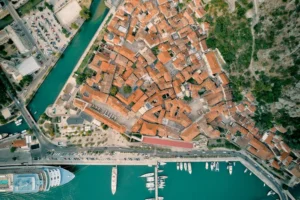
Dubrovnik, the "Pearl of the Adriatic," has witnessed a dramatic surge in popularity, partly due to its role as a filming location for "Game of Thrones." Its magnificent walled Old Town and stunning coastal setting now attract millions, leading to higher prices and concerns about over-tourism. Visiting in the off-season is recommended for a more serene experience of this historical gem.
Broader Implications and the Future of European Tourism
The remarkable rebound in European tourism brings significant economic benefits, creating jobs, stimulating local businesses, and generating substantial revenue for national economies. However, this growth also presents a complex set of challenges. Over-tourism remains a pressing issue in many popular destinations, straining infrastructure, impacting local quality of life, and potentially diluting the authentic cultural experience. Cities like Amsterdam, Venice, and Barcelona are actively exploring and implementing strategies to manage visitor flows, from introducing entry fees and regulating short-term rentals to promoting off-season travel and diversifying attractions to less-visited areas.
Sustainability is increasingly at the forefront of tourism planning across Europe. Governments and local tourism boards are investing in eco-friendly initiatives, promoting public transport, and encouraging responsible travel behaviors. The emphasis is shifting from merely attracting large numbers to fostering a more balanced and sustainable tourism ecosystem that benefits both visitors and residents.
As Europe continues to solidify its post-pandemic recovery, the insights gleaned from these visitor statistics will be crucial for strategic planning. The continent’s ability to adapt, innovate, and prioritize sustainable practices will determine its long-term success in remaining a premier global destination while preserving its unique heritage and environment for future generations.