The Ultimate Guide to Family Travel in Cape Cod Regions Activities and Strategic Planning for High Season


Cape Cod, a hook-shaped peninsula extending from the southeastern corner of mainland Massachusetts into the Atlantic Ocean, remains one of the most significant pillars of the New England tourism industry. Comprising 15 distinct towns within Barnstable County, the region serves as a premier destination for multi-generational travel, balancing historical preservation with a robust hospitality infrastructure. For families navigating the complexities of peak-season travel—defined primarily as the period between Memorial Day and Labor Day—the Cape offers a diverse array of coastal environments, from the calm tidal flats of Cape Cod Bay to the rugged, high-energy dunes of the Atlantic Ocean. Understanding the geographical layout, seasonal logistics, and regional specialties is essential for a successful excursion into this historic maritime corridor.
Regional Categorization and Geographic Overview
The Cape is traditionally divided into four primary regions: the Upper Cape, the Mid Cape, the Lower Cape, and the Outer Cape. Each region possesses a unique character shaped by its proximity to the mainland and its geological history. The Upper Cape, including towns like Falmouth and Sandwich, is the most accessible for travelers arriving from Boston or Providence. It is home to the Cape Cod Canal and historic glass-making legacies. The Mid Cape serves as the commercial hub, with Hyannis acting as a major transportation node for ferries to Martha’s Vineyard and Nantucket.

Moving further east, the Lower Cape includes Chatham and Orleans, towns characterized by affluent residential architecture and high-end boutique experiences. Finally, the Outer Cape, consisting of Eastham, Wellfleet, Truro, and Provincetown, is defined by the Cape Cod National Seashore. This 40,000-acre federal preserve was established in 1961 by President John F. Kennedy to protect the region’s fragile ecosystems from overdevelopment. For families, selecting a "home base" among these regions dictates the pace of the vacation, with the Mid and Lower Cape typically offering the most centralized access to kid-friendly amenities.
Coastal Dynamics: Bay Side versus Atlantic Ocean
A critical component of Cape Cod travel planning is the distinction between the "Bay Side" and the "Ocean Side." These two coastlines offer fundamentally different physical environments and recreational opportunities.
The Cape Cod Bay Experience
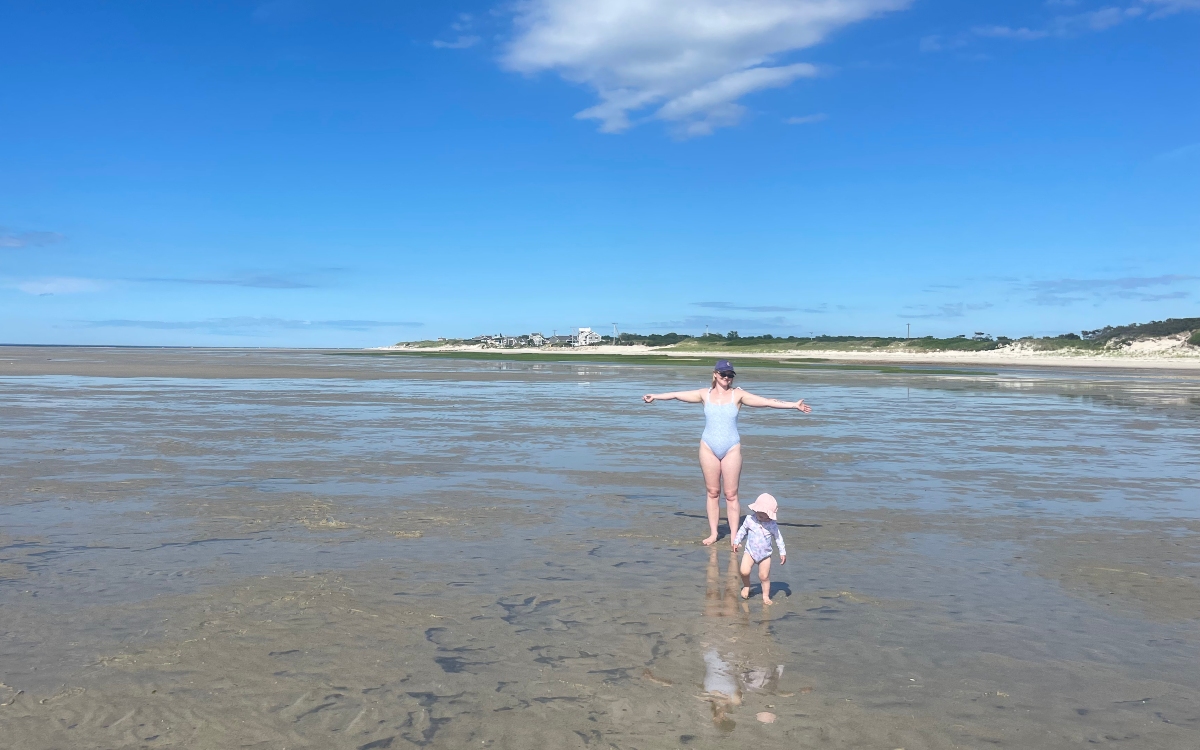
The western and northern shores of the Cape face Cape Cod Bay. This area is characterized by remarkably calm waters and a shallow slope, making it the preferred choice for families with toddlers or young children. The defining feature of the Bay Side is its massive tidal flats. During low tide, the water recedes for hundreds of yards—and in some areas, up to a mile—exposing a vast expanse of sand, tide pools, and marine life. Beaches such as Chapin Beach in Dennis and Cold Storage Beach in East Dennis are renowned for these conditions. The bay’s water temperatures are significantly higher than those of the Atlantic, often reaching the low 70s (Fahrenheit) in late summer, providing a more comfortable swimming environment for younger visitors.

The Atlantic Ocean and National Seashore
The eastern "backside" of the Cape faces the open Atlantic Ocean. This coastline is dominated by massive sand dunes, some rising over 100 feet, and a high-energy surf environment. Beaches like Nauset Beach in Orleans and Marconi Beach in Wellfleet are part of the Cape Cod National Seashore. These locations are ideal for older children and teenagers interested in bodyboarding, surfing, or exploring rugged natural landscapes. However, the Atlantic side is subject to colder water temperatures, often hovering in the low 60s, and stronger rip currents, necessitating vigilant supervision and adherence to lifeguard warnings.
Strategic Logistics for Peak Season
Tourism data from the Cape Cod Chamber of Commerce indicates that the region sees millions of visitors annually, with a heavy concentration in July and August. This influx creates significant logistical challenges, particularly regarding transportation and beach access.
Parking lots at popular beaches often reach full capacity by 10:00 AM. Local municipalities have implemented various permit systems; while some beaches offer daily paid parking, others require weekly or seasonal stickers available only to residents or long-term renters. Journalistic analysis of travel patterns suggests that "off-peak" beach visits—either arriving before 9:00 AM or after 4:00 PM—are the most effective ways for families to avoid crowds. The "Golden Hour" period in the late afternoon not only provides softer lighting for photography but also coincides with the departure of day-trippers, offering a more serene environment.
Recreational Infrastructure: The Cape Cod Rail Trail
Beyond the coastline, the Cape Cod Rail Trail (CCRT) represents one of the most successful examples of adaptive land use in Massachusetts. Managed by the Department of Conservation and Recreation (DCR), this 25.5-mile paved path follows a former railroad corridor through the towns of Yarmouth, Dennis, Harwich, Brewster, Orleans, Eastham, and Wellfleet.
The trail is entirely flat and separated from motor vehicle traffic, making it a critical asset for family recreation. It provides a safe environment for cycling, inline skating, and stroller-based walking. Economic impact studies of the CCRT show that it supports a wide array of local businesses, including bike rental shops and roadside eateries. For families, the trail serves as a scenic bypass to the often-congested Route 28 and Route 6, allowing for shaded, outdoor transit between towns and kettle ponds.
Marine Life and the Commercial Fishing Legacy
The town of Chatham, located at the "elbow" of the Cape, remains a focal point for both the commercial fishing industry and wildlife observation. The Chatham Fish Pier is a working waterfront where visitors can observe the daily operations of the local fishing fleet.

A significant draw for families is the presence of gray seals and harbor seals. As fishing boats return to the pier to offload catches of Atlantic cod, haddock, and monkfish, seals frequently congregate in the harbor. This interaction provides a free, educational opportunity for children to witness marine biology in a real-world setting. Additionally, private charter tours operating out of Chatham and Harwichport offer seal-watching excursions and harbor tours, providing a more intimate look at the Monomoy National Wildlife Refuge, a 7,600-acre habitat dedicated to migratory birds and grey seals.
The Luxury Hospitality Sector and Family Amenities
The Cape Cod hospitality market has evolved to cater to a high-end demographic that demands both luxury and family-centric programming. Two properties, in particular, define this sector: Chatham Bars Inn and Wequassett Resort & Golf Club.
Chatham Bars Inn
Established in 1914, Chatham Bars Inn is a historic landmark that has transitioned into a modern luxury resort. It features a quarter-mile private beach and an oceanfront pool. From a journalistic perspective, the resort’s success lies in its "Kids’ Club" model, which provides structured, complimentary activities for children. This allows for a bifurcated vacation experience where parents can utilize the spa or fine dining facilities while children engage in supervised, age-appropriate recreation.

Wequassett Resort & Golf Club
Located on the shores of Pleasant Bay, Wequassett is the only Forbes Five-Star resort on the Cape. Its infrastructure is designed for family "pod" travel, offering multi-bedroom cottages and villas that provide more privacy than a standard hotel room. The resort has also gained recognition for its "pet concierge" services, reflecting a broader trend in the travel industry where pets are treated as integral family members. Such amenities are indicative of a shift toward experiential luxury, where the focus is on seamless service and diverse on-site activities.
Broader Economic and Environmental Implications
The continued popularity of Cape Cod as a family destination has significant implications for the region’s future. The tension between high-volume tourism and environmental conservation remains a primary concern for local officials. Issues such as nitrogen loading in the groundwater, coastal erosion, and the management of the shark population (a byproduct of the successful seal conservation efforts) are frequently debated in town hall meetings.
Moreover, the "Classic New England" brand of Cape Cod is a vital economic engine for Massachusetts. According to state tourism reports, the Cape and Islands region accounts for a substantial portion of the state’s multi-billion-day tourism revenue. Sustaining this requires a delicate balance of maintaining nostalgic charm—typified by local ice cream parlors and mini-golf courses—while upgrading infrastructure to handle modern traffic and environmental pressures.

Conclusion
Cape Cod remains a definitive destination for families seeking a blend of historical context, natural beauty, and structured recreation. By understanding the regional nuances between the calm Bay Side and the dramatic Atlantic shore, and by utilizing resources like the Cape Cod Rail Trail, travelers can navigate the high-season crowds effectively. Whether through the lens of a working fish pier in Chatham or the luxury of a Five-Star resort in Harwich, the Cape provides a multifaceted experience that continues to attract generations of visitors to the Massachusetts coastline. As the region moves forward, the integration of sustainable tourism practices with its timeless coastal appeal will be paramount in preserving the Cape Cod experience for future generations.