Comprehensive Tourism and Cultural Guide to Flagstaff Arizona a Year Round Destination for Science and Adventure

Flagstaff, Arizona, situated at an elevation of 7,000 feet on the southwestern edge of the Colorado Plateau, serves as a critical nexus for scientific research, outdoor recreation, and historical preservation in the American Southwest. Known colloquially as "Flag," the city is the county seat of Coconino County and functions as the primary gateway to Grand Canyon National Park. With a population exceeding 77,000, of which approximately 26 percent are students at Northern Arizona University (NAU), the city maintains a unique demographic profile that blends academic rigor with a rugged, outdoors-oriented lifestyle. The city’s identity is further defined by its status as the world’s first International Dark Sky City, a designation that highlights its commitment to astronomical research and environmental stewardship.
Historical Chronology and Evolution
The history of Flagstaff is inextricably linked to the expansion of the American West. The city was officially settled in the late 19th century, with its growth spurred by the arrival of the Atlantic and Pacific Railroad in 1882. This transportation link transformed a small sheep-herding outpost into a major center for the lumber and ranching industries. The "Lumberjack" mascot of Northern Arizona University remains a permanent tribute to this industrial heritage.
A pivotal moment in the city’s chronology occurred in 1894 with the establishment of the Lowell Observatory by Percival Lowell. This institution placed Flagstaff at the forefront of global astronomy, most notably in 1930, when Clyde Tombaugh discovered Pluto using the observatory’s facilities. During the mid-20th century, Flagstaff played a vital role in the United States’ space race. In the 1960s, astronauts for the Apollo missions utilized the nearby Meteor Crater and the volcanic fields surrounding Flagstaff for geological training, as the terrain was considered the closest terrestrial match to the lunar surface.
Scientific and Astronomical Significance
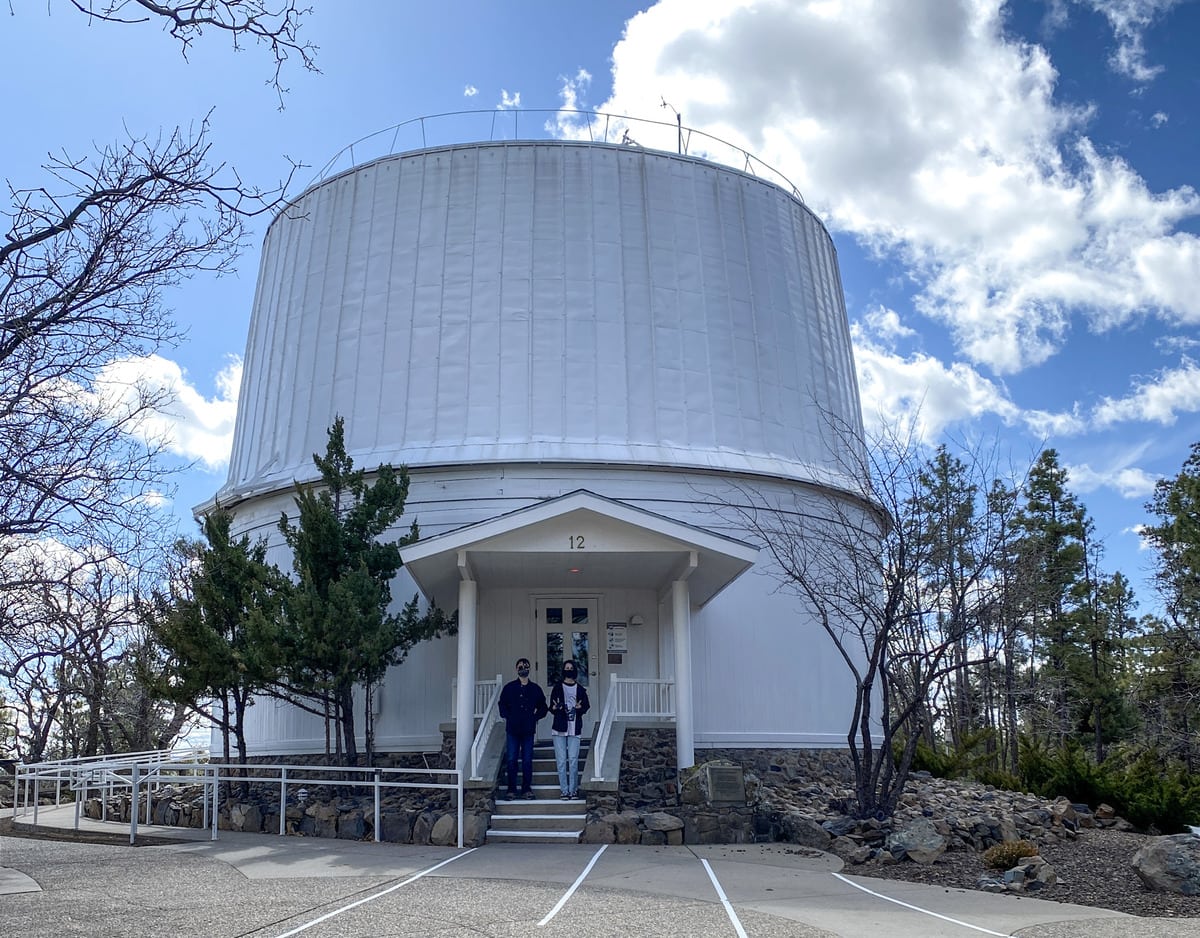
The scientific importance of Flagstaff extends beyond its historical achievements. As the first Dark Sky City, Flagstaff enforces strict lighting ordinances to minimize light pollution, benefiting both the local ecosystem and the astronomical community. Lowell Observatory remains one of the oldest and most productive astronomical research centers in the United States. Visitors to the site can engage with the 125-year-old Clark Refractor Telescope and the Pluto Discovery Telescope.
Recent data indicates that the observatory continues to be a major economic driver, attracting hundreds of thousands of visitors annually. The facility has expanded its public outreach, offering guided tours and night-sky viewing sessions that utilize state-of-the-art equipment to observe distant nebulae and planetary bodies.
Recreational Infrastructure and Environmental Context
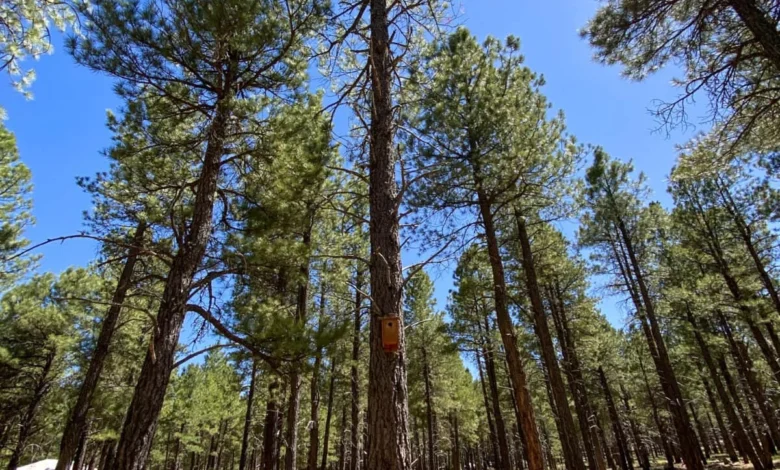
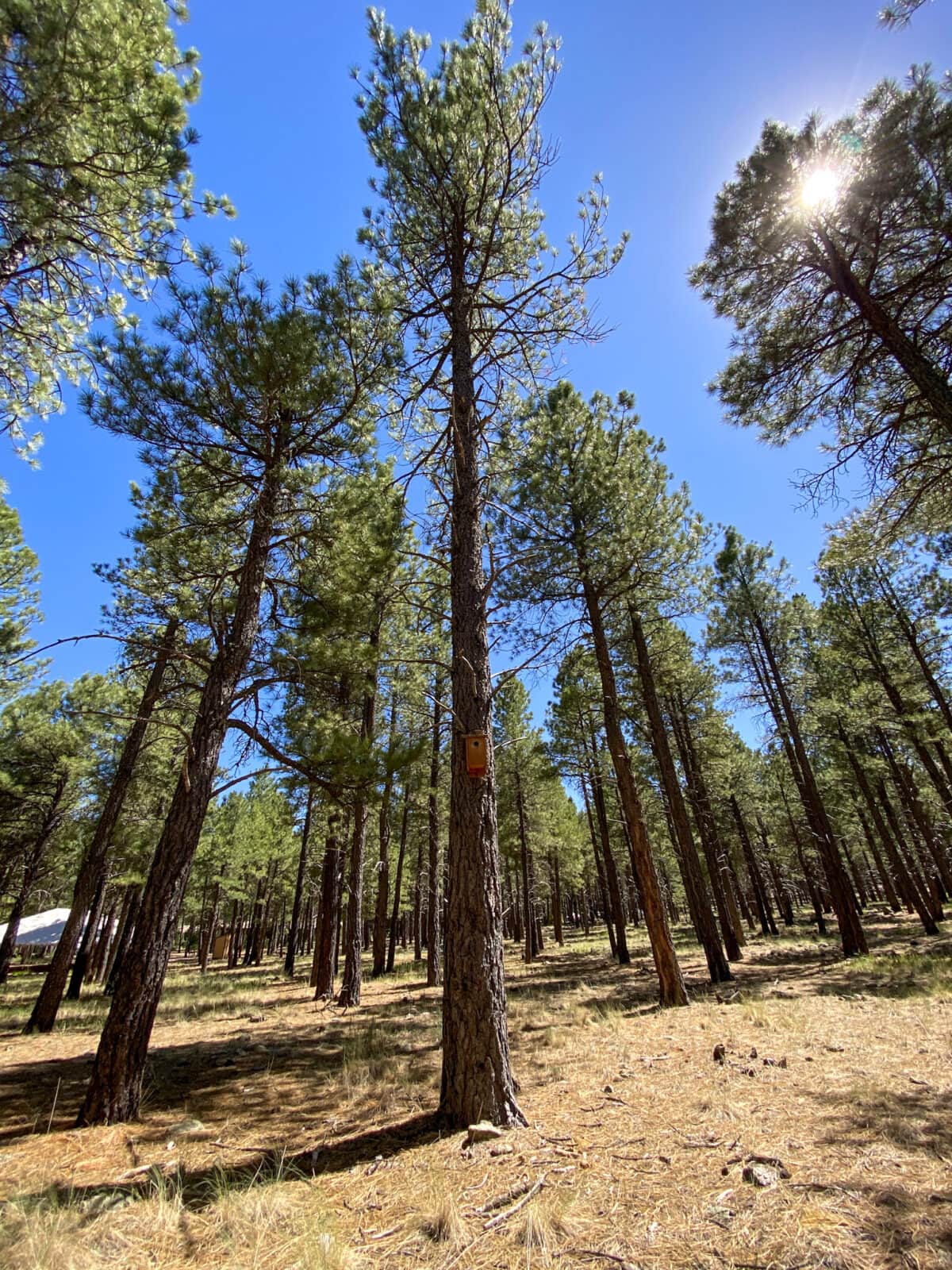
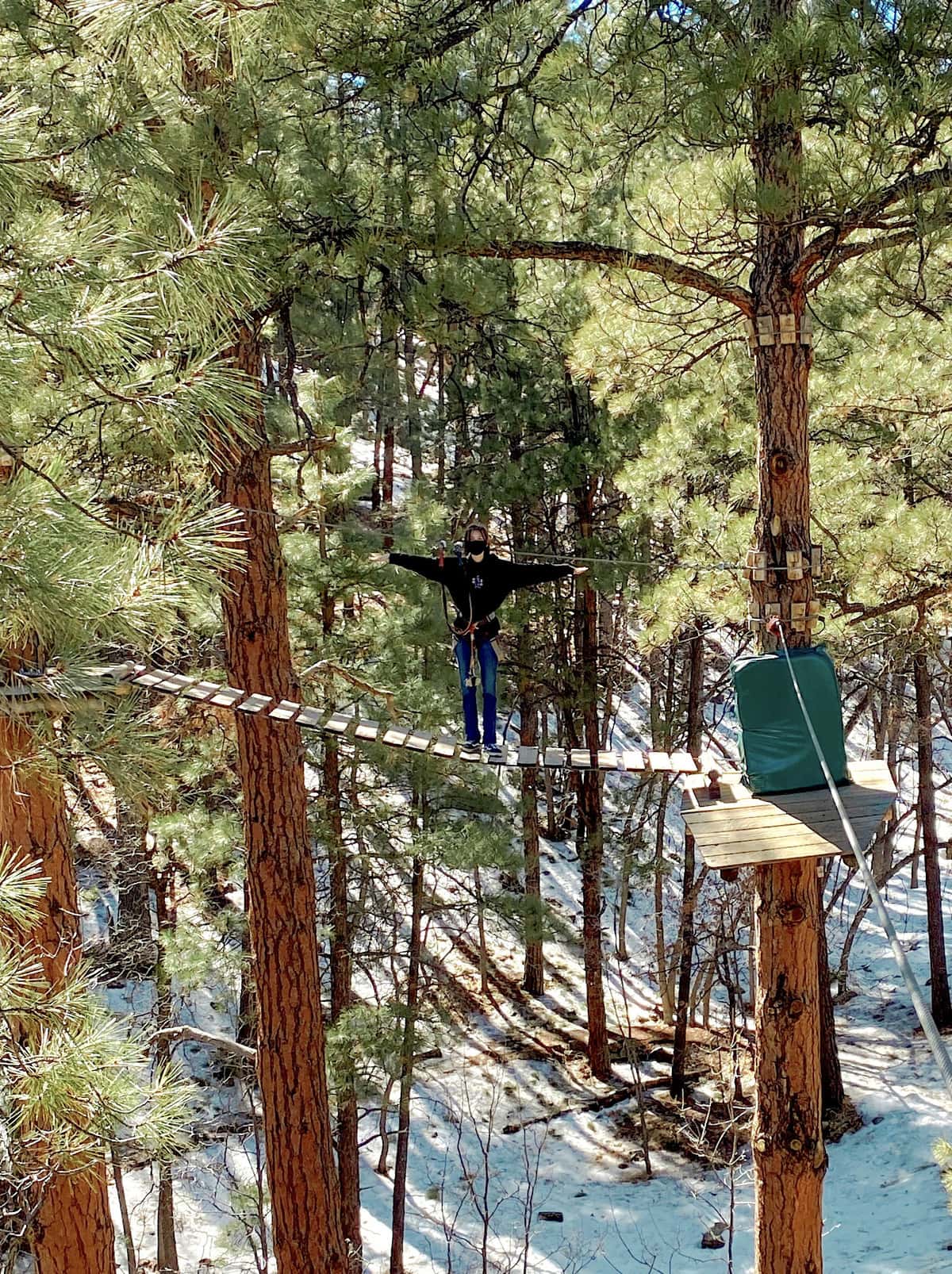
Flagstaff is located within the Coconino National Forest, which encompasses the largest contiguous Ponderosa pine forest in North America. This environmental setting provides the backdrop for a robust recreational economy.
Arizona Snowbowl and Winter Sports
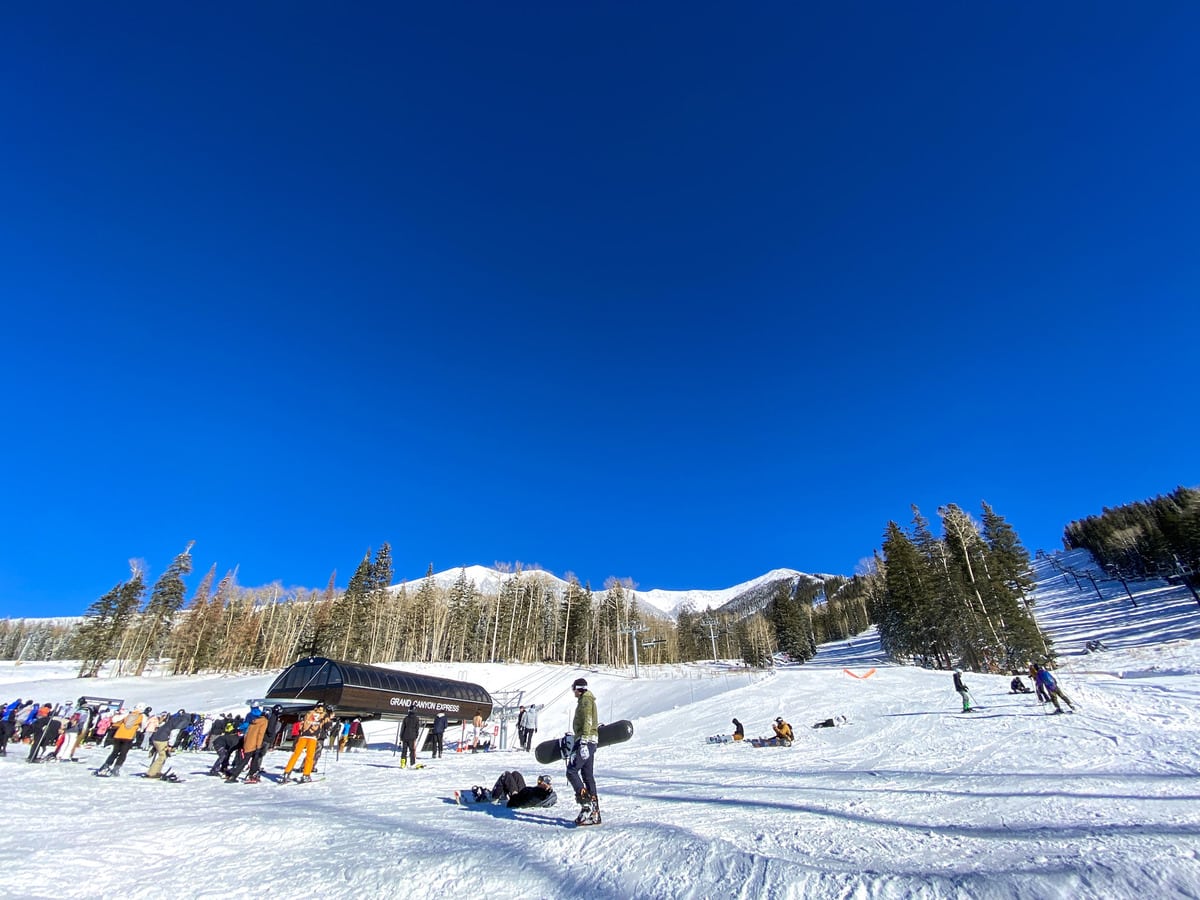
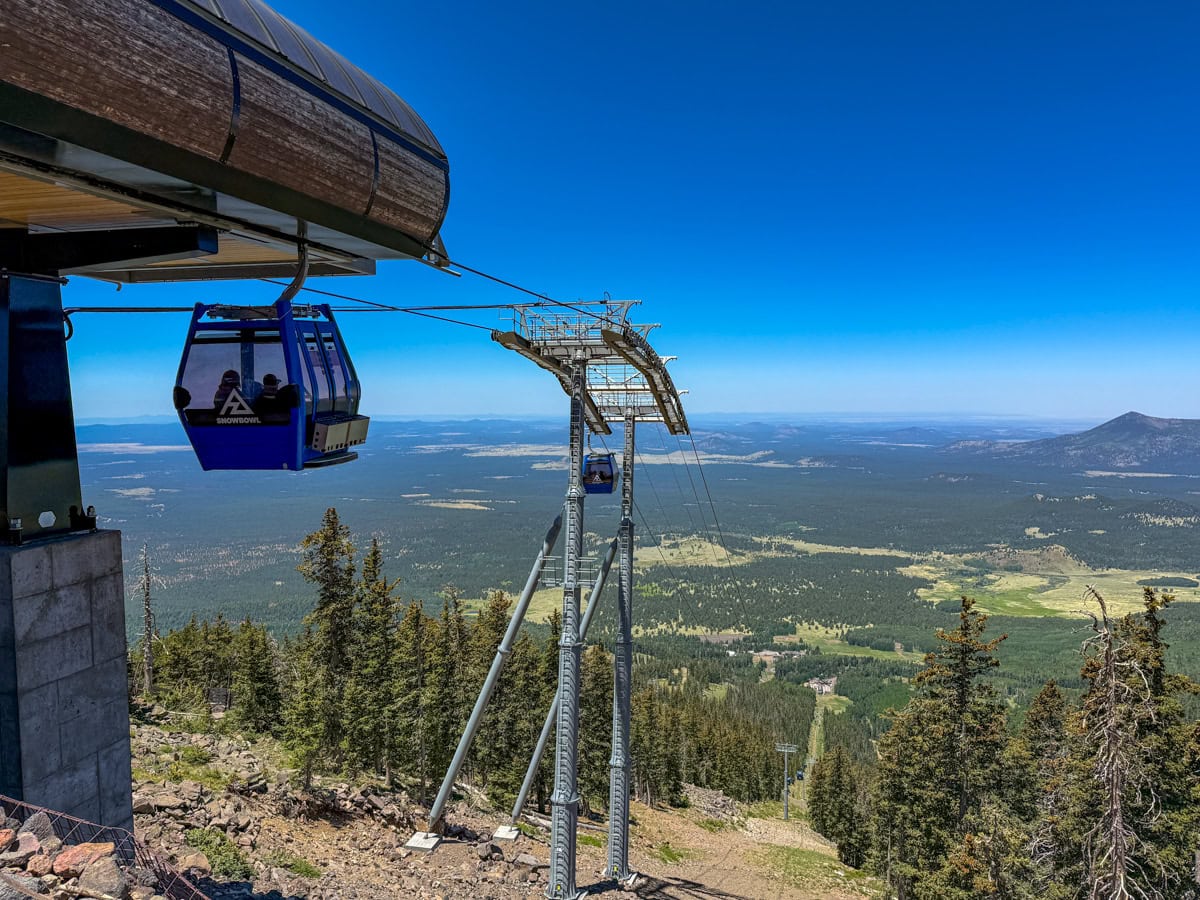
Arizona Snowbowl, located on the San Francisco Peaks, represents a significant component of the region’s winter tourism. The resort features 777 skiable acres and 61 runs, with a lift-served elevation reaching 11,500 feet. In an effort to remain competitive and accessible, the resort has implemented family-friendly policies, such as free skiing for children aged 12 and under. The facility also operates a scenic gondola year-round, providing panoramic views of the volcanic field and, on clear days, the North Rim of the Grand Canyon.
Hiking and Multi-use Trails
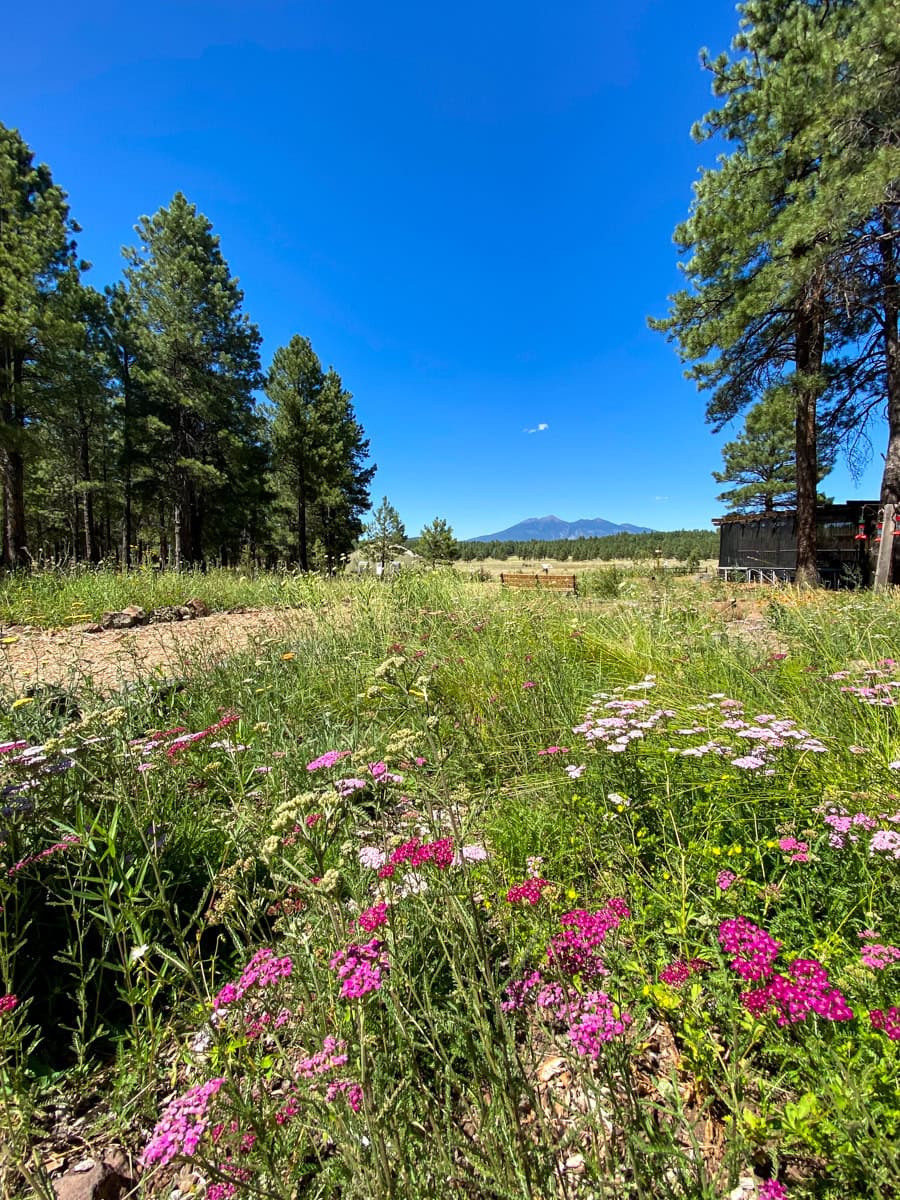
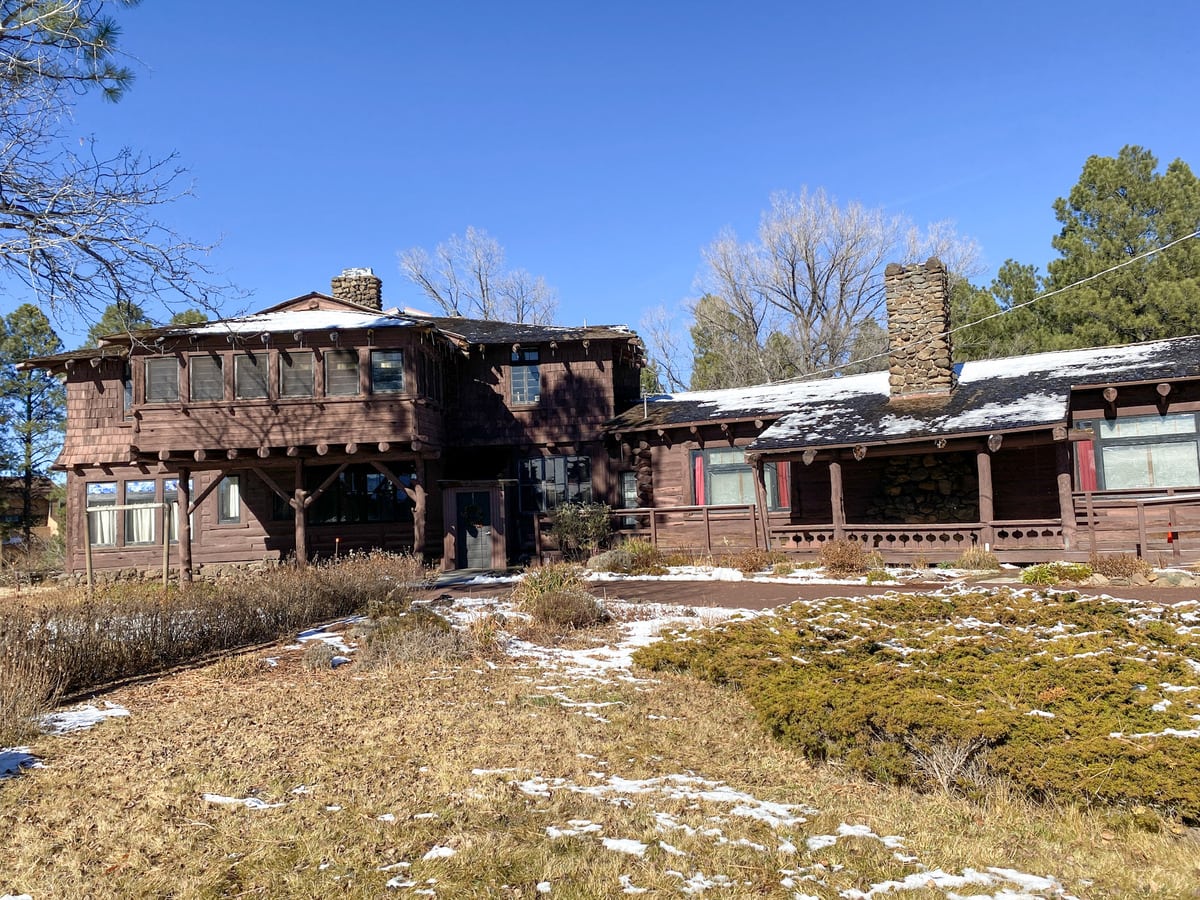
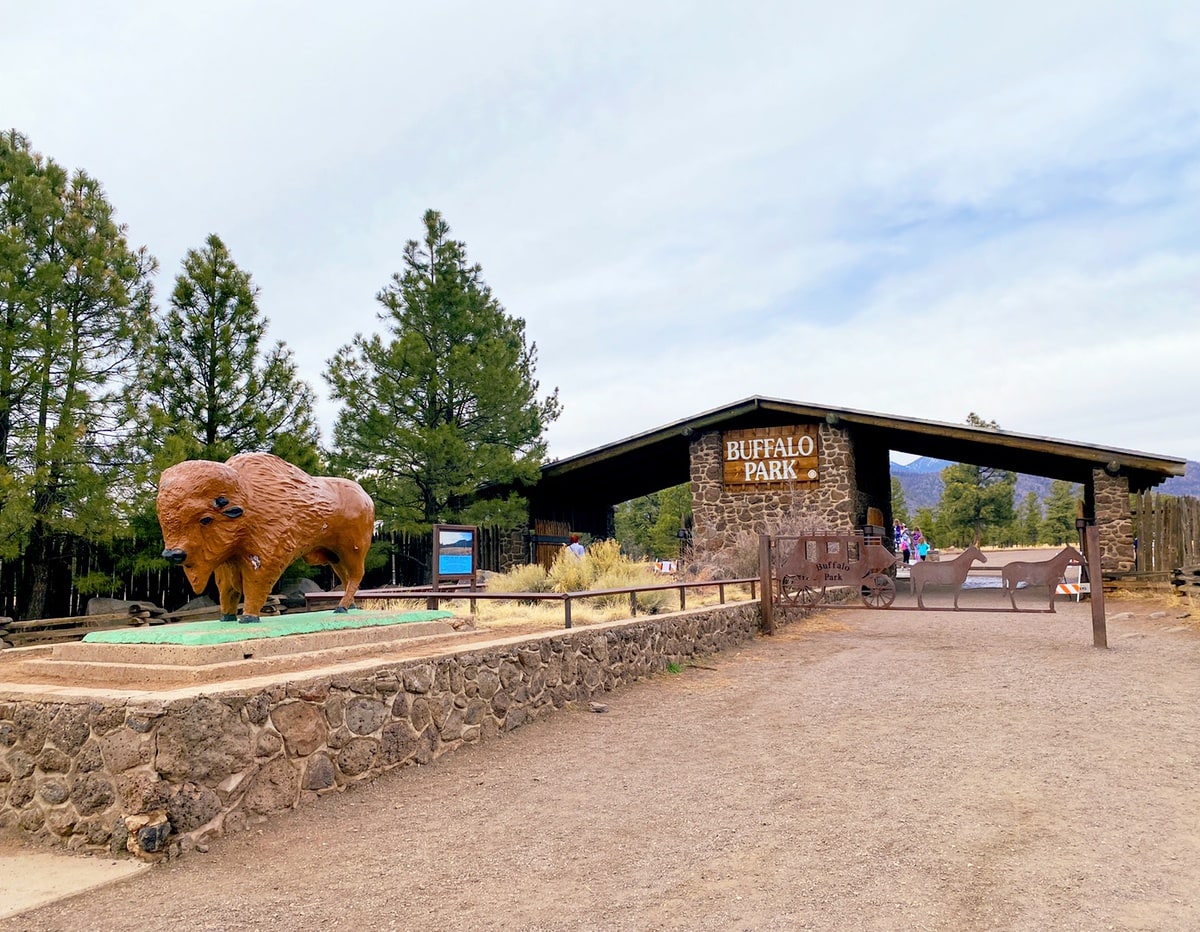
The city’s trail system includes nearly 130 designated paths. Buffalo Park, a 215-acre expanse, offers a 2.2-mile loop trail that is a staple for local runners and tourists seeking accessible views of the mountains. For more strenuous activity, Fatmans Loop and the trails within the Arboretum at Flagstaff provide varied terrain and ecological diversity. The Arboretum itself spans 200 acres and is home to 750 native plant species, serving as a center for high-altitude botanical research.
Archaeological and Geological Landmarks
The region surrounding Flagstaff contains some of the most well-preserved archaeological sites in the United States, providing insight into the lives of the Ancestral Puebloan people.
Walnut Canyon National Monument
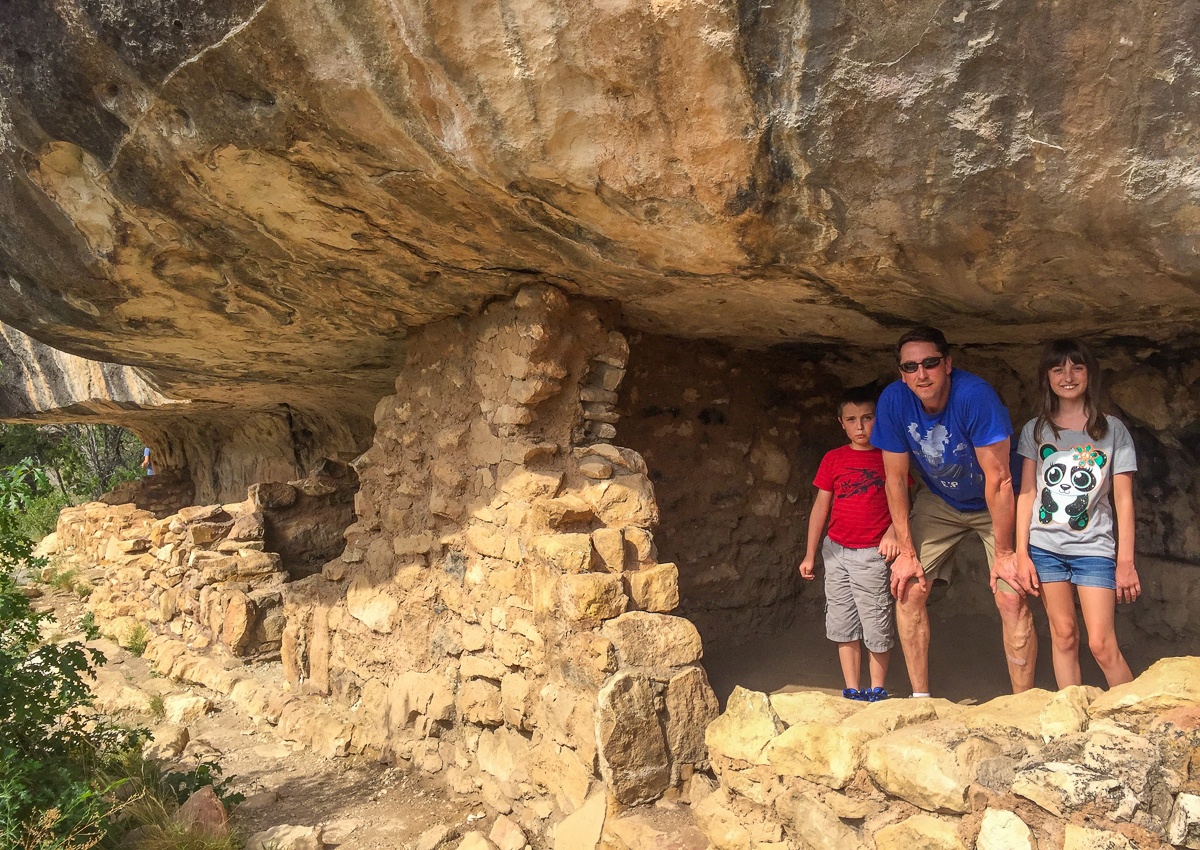
Located approximately 7.5 miles east of the city, Walnut Canyon preserves 25 visible cliff dwellings built by the Sinagua people between 600 and 1400 AD. The Island Trail allows for a close-up examination of these masonry structures, which were strategically built into the limestone alcoves of the canyon walls.
Wupatki and Sunset Crater
The Wupatki National Monument features a multistory Sinagua pueblo with over 100 rooms and a ceremonial ball court. Historians suggest that the area saw a population boom following the eruption of Sunset Crater in 1085 AD. The volcanic eruption, which coated 900 square miles in ash, initially made the soil more fertile for agriculture, leading to a temporary flourishing of the community before its eventual abandonment around 1225 AD. Sunset Crater remains a dormant cinder cone, and the surrounding lava fields offer a stark, otherworldly landscape that contrasts with the lush forests of the higher elevations.
Cultural and Economic Impact
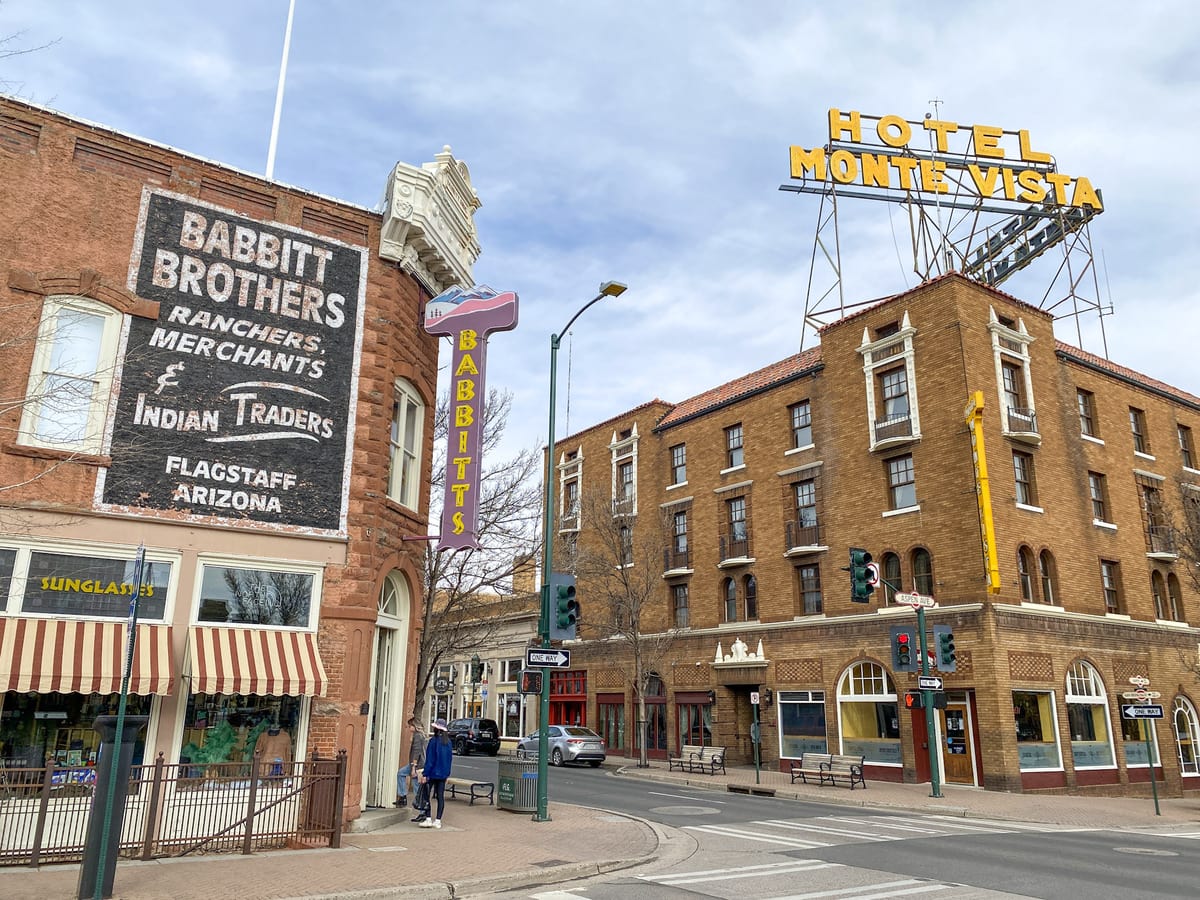
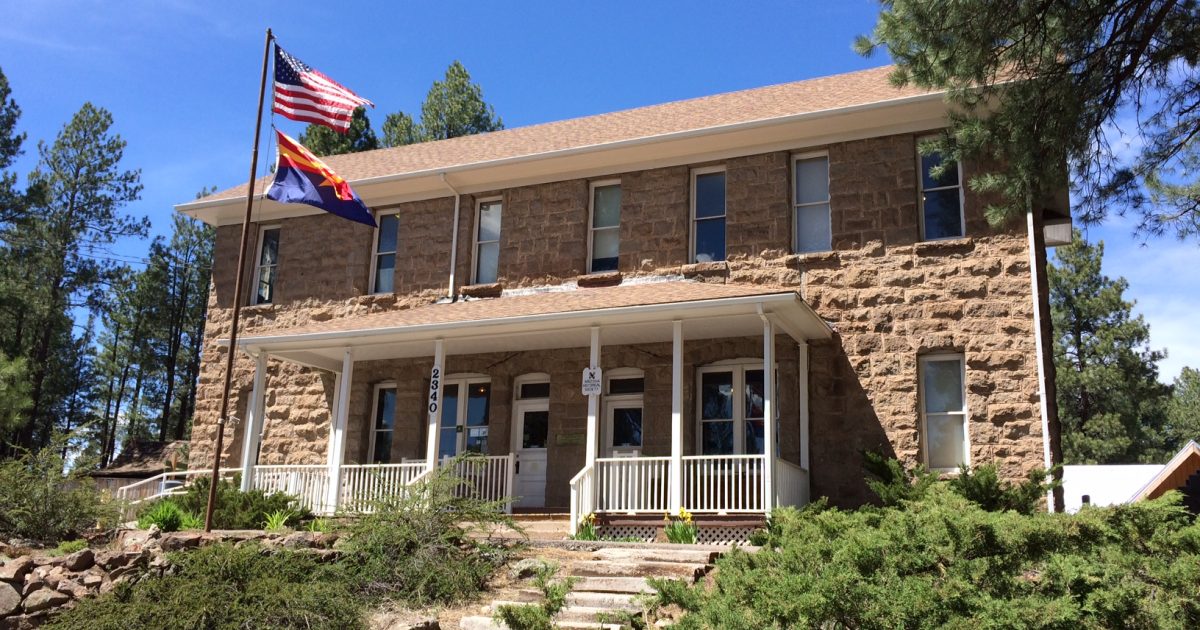
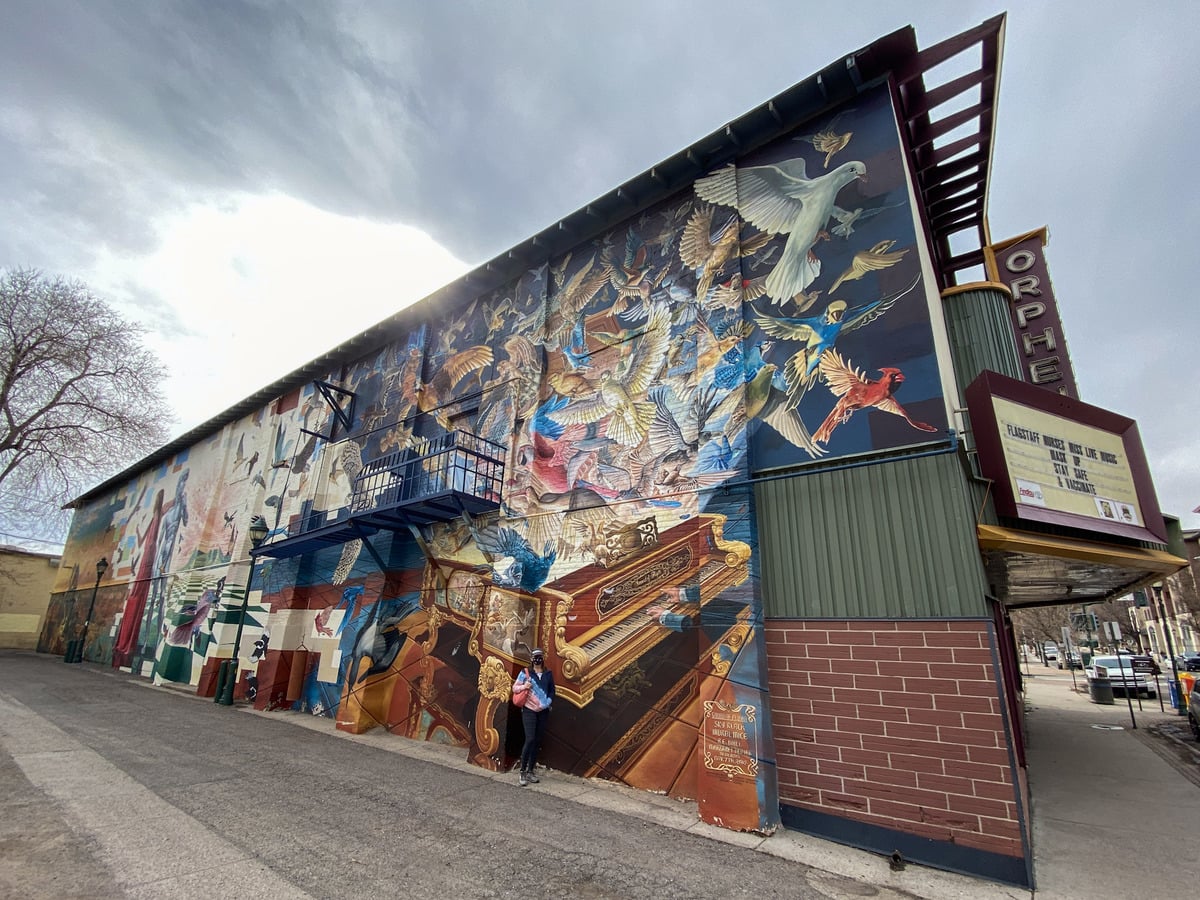
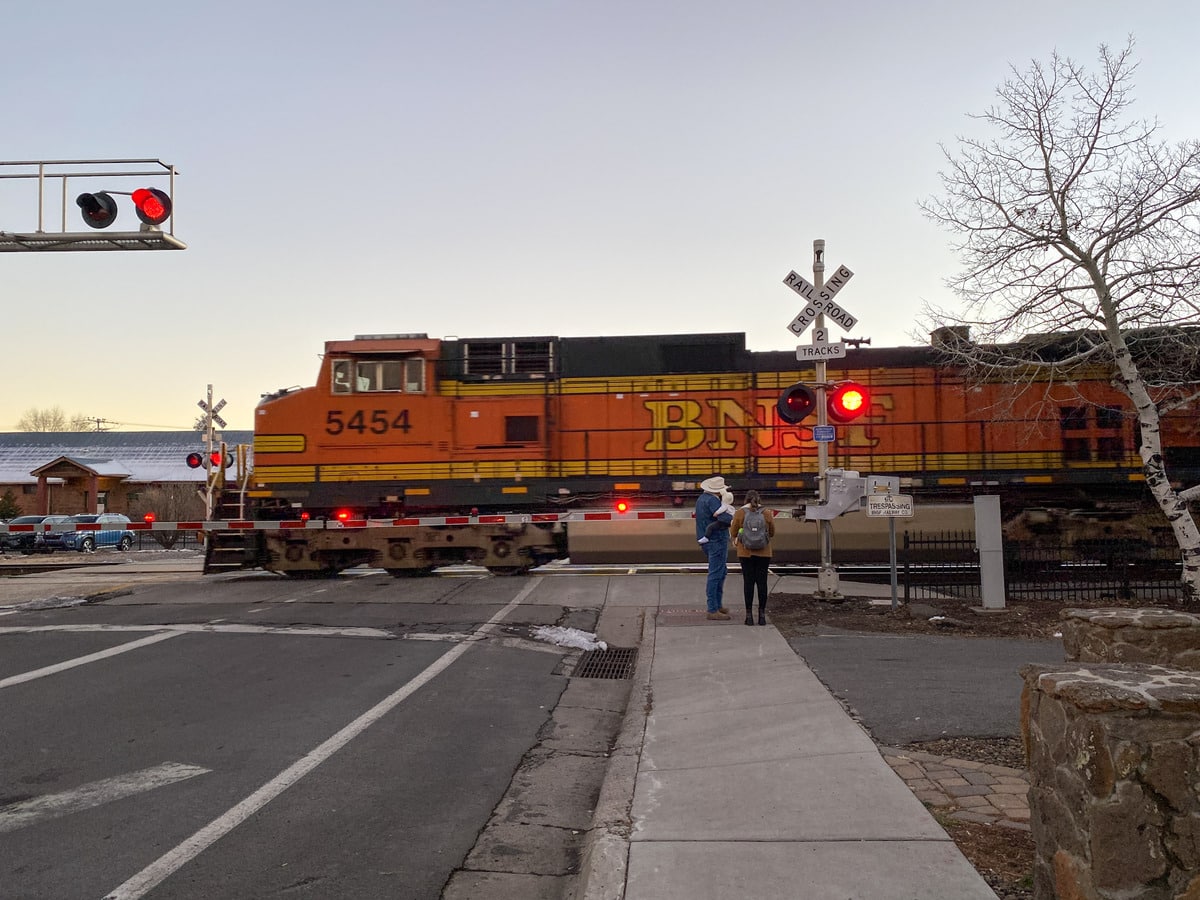
Flagstaff’s downtown area is a testament to the city’s successful efforts to balance modernization with historical preservation. The district is characterized by late 19th-century architecture, murals, and the frequent sound of train whistles from the Burlington Northern Santa Fe (BNSF) railway, which sees over 100 trains pass through daily.

The Arts and Education
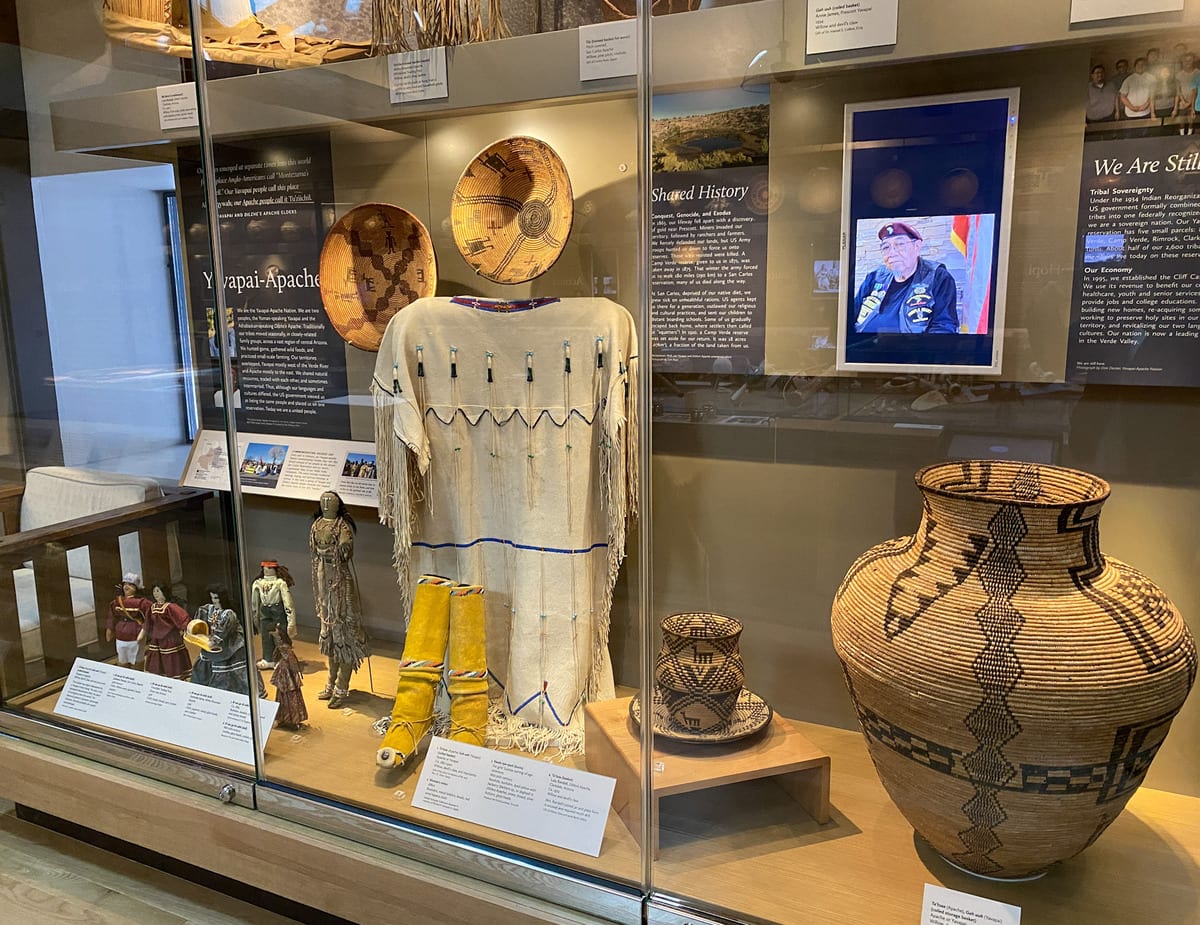
The Museum of Northern Arizona serves as a primary repository for the art and history of the 10 Native American tribes of the Colorado Plateau. Meanwhile, the Orpheum Theater, originally the Majestic Opera House, continues to function as a premier venue for live performance, contributing to the city’s vibrant nightlife.
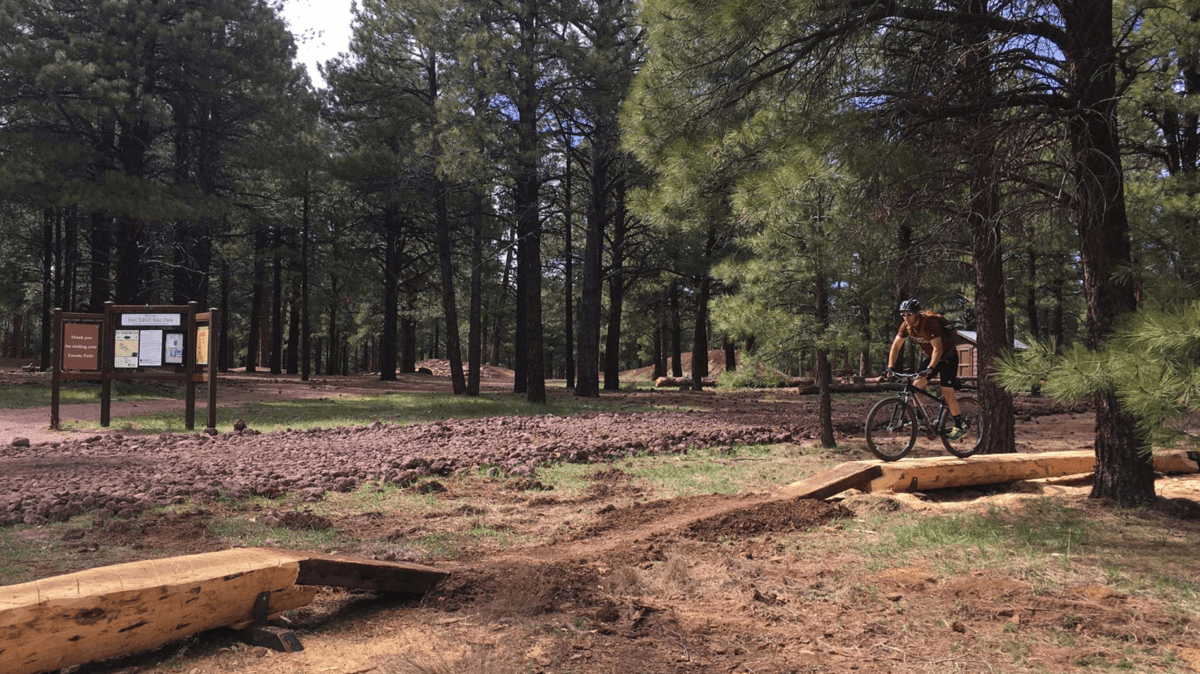
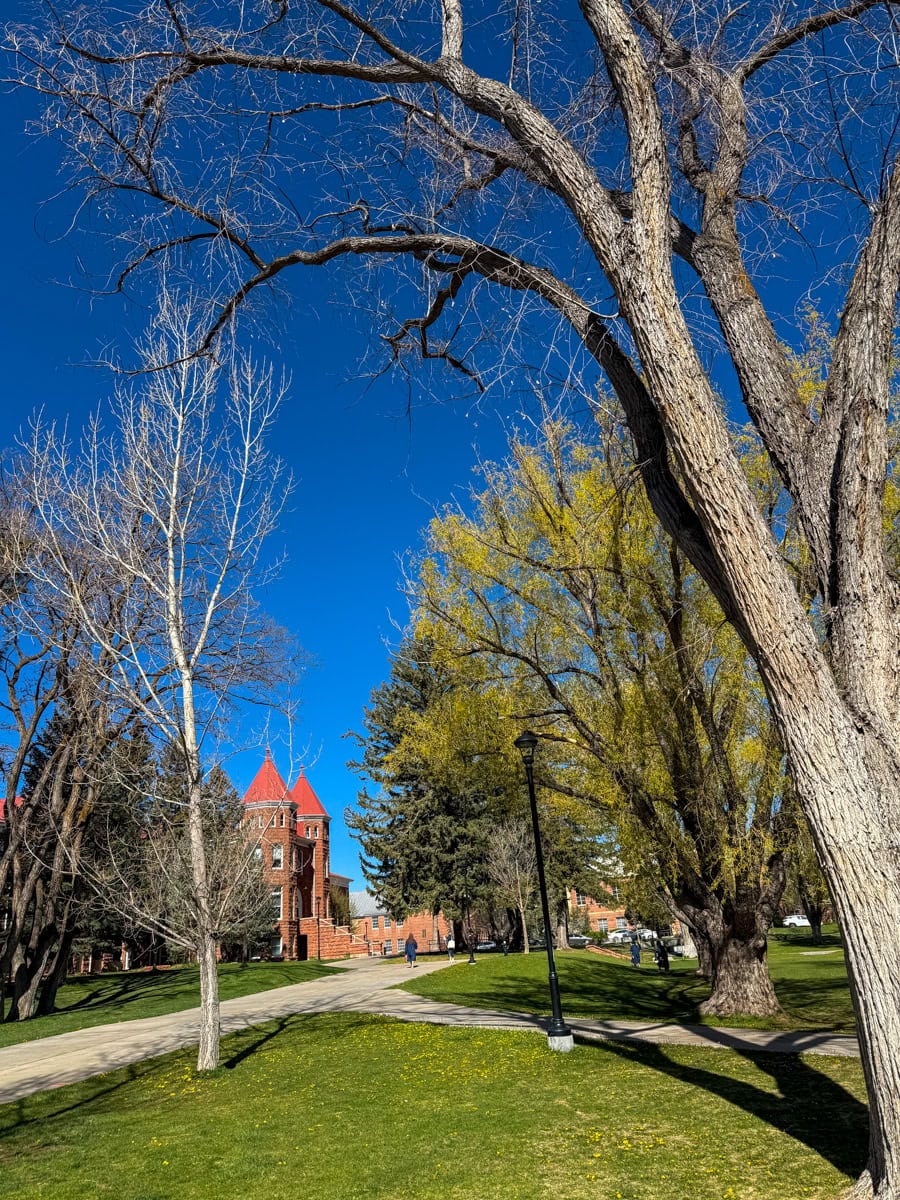
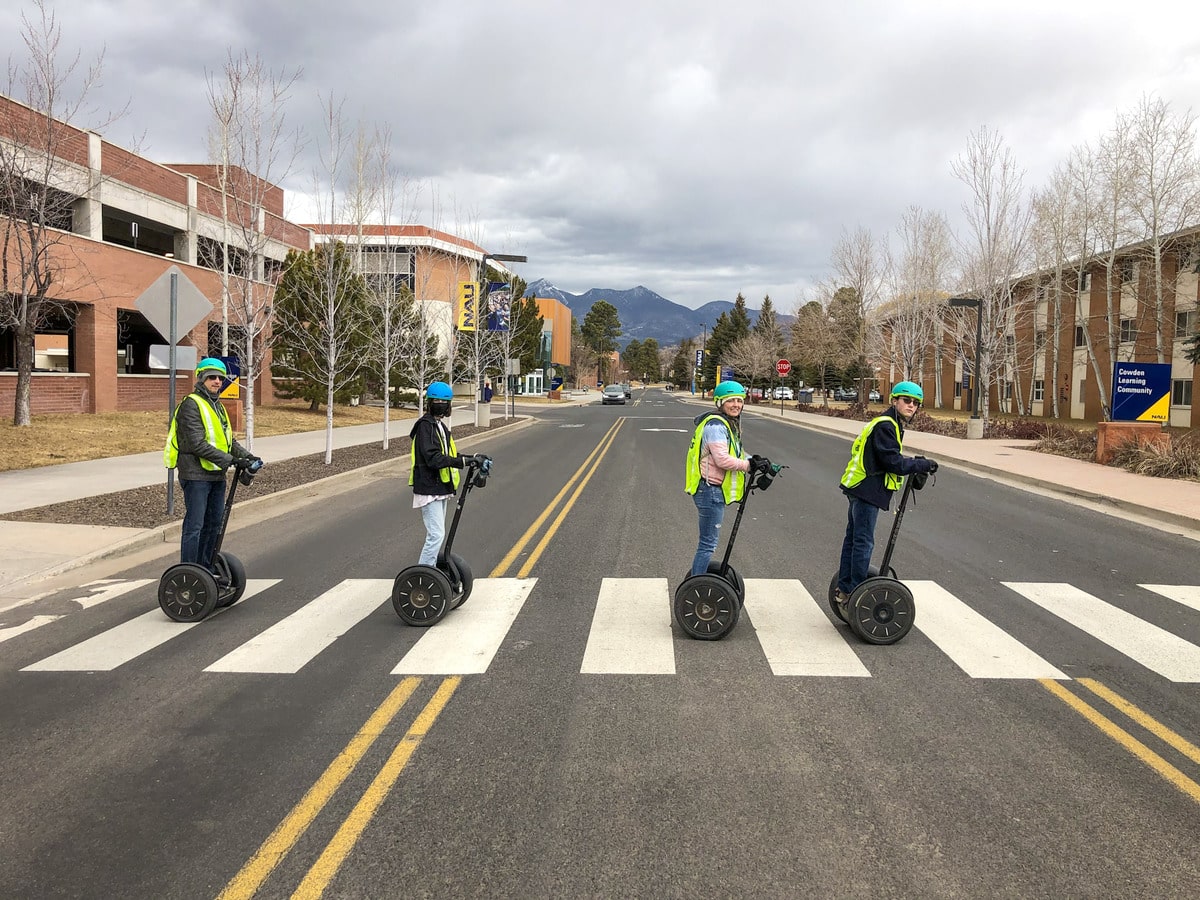
The presence of Northern Arizona University significantly influences the local economy and culture. The university’s research initiatives in forestry, climate change, and astronomy often collaborate with local federal agencies, such as the U.S. Geological Survey and the National Park Service, creating a highly educated workforce.
Hospitality and Tourism Data
Tourism is a cornerstone of Flagstaff’s economy. According to regional economic reports, the hospitality sector supports thousands of jobs. Major international brands, including IHG Hotels & Resorts, have a significant presence in the city. The Holiday Inn Express Flagstaff, for instance, caters to the diverse needs of the traveler market, offering amenities designed for both the adventure tourist and the business professional.
Regional Connectivity and Day Trips
Flagstaff’s central location makes it an ideal hub for exploring the wider region of Northern Arizona.
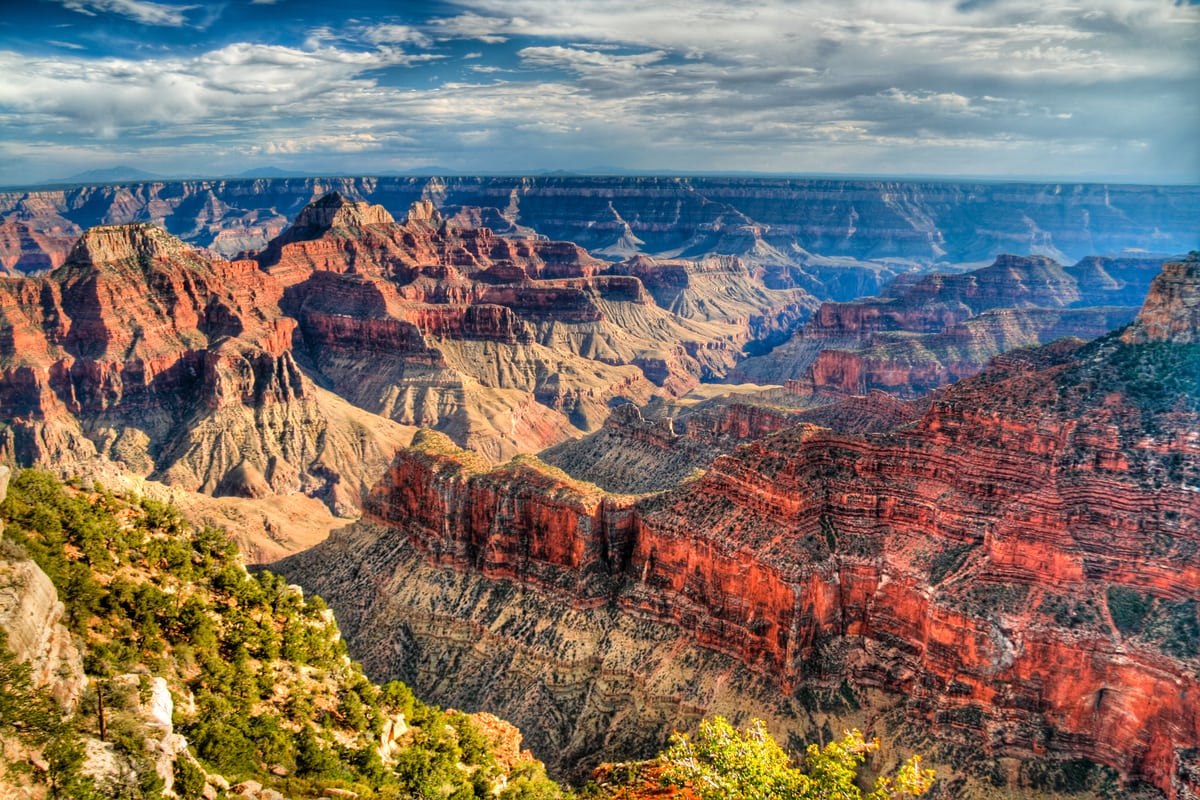
- Grand Canyon National Park: A 90-minute drive from Flagstaff, the South Rim receives millions of visitors annually. Many travelers utilize Flagstaff as their primary lodging base due to its broader range of amenities compared to the park’s interior.
- Sedona and Oak Creek Canyon: Located to the south, these areas offer red-rock formations and distinct microclimates.
- Meteor Crater: Situated to the west, this nearly one-mile-wide impact site provides a rare look at a well-preserved meteorite landing from 50,000 years ago.
- Bearizona Wildlife Park: Located in nearby Williams, this facility utilizes a drive-through safari model to showcase North American megafauna, including bears, wolves, and bison, in large-scale naturalistic enclosures.
Climate and Altitude Considerations
Prospective visitors and researchers must account for Flagstaff’s unique climate. Unlike the desert heat associated with much of Arizona, Flagstaff experiences four distinct seasons. It is consistently ranked as one of the snowiest cities in the United States, receiving an average of over 100 inches of snow annually. Summer temperatures typically peak in the high 70s or low 80s Fahrenheit, providing a "cool-down" destination for residents of the lower-elevation Phoenix metropolitan area.
The altitude of 7,000 feet can pose physiological challenges. Health officials recommend that visitors increase hydration and allow for a period of acclimatization to avoid altitude sickness, particularly before engaging in strenuous outdoor activities at higher points like the Snowbowl peaks.
Implications and Future Outlook
Flagstaff’s future is tied to its ability to manage growth while preserving its environmental and scientific assets. The city’s "Dark Sky" ordinances serve as a global model for environmental conservation in urban settings. As climate change impacts the Southwest, Flagstaff’s role as a center for ecological research becomes increasingly vital. The synergy between Northern Arizona University, the historical landmarks, and the burgeoning recreational industry suggests that Flagstaff will remain a premier destination for those seeking a combination of intellectual engagement and physical adventure in a high-country setting.
By maintaining its historical downtown and investing in sustainable tourism, Flagstaff continues to demonstrate how a mid-sized city can leverage its unique geography and history to maintain a robust, diversified economy while serving as a guardian of some of the nation’s most important scientific and cultural treasures.