A Comprehensive Guide to Family Travel in Cape Cod Exploring the Regions Coastal Attractions and Hospitality Infrastructure


Cape Cod, a glacial peninsula extending into the Atlantic Ocean from the southeastern corner of mainland Massachusetts, remains one of the most significant family vacation destinations in the United States, characterized by its unique blend of maritime history, 560 miles of coastline, and a seasonal economy that draws millions of visitors annually. The region, comprising 15 towns and numerous villages, is structured into four distinct geographic areas: the Upper Cape, Mid Cape, Lower Cape, and Outer Cape. Navigating this complex landscape during the peak summer season requires a comprehensive understanding of local geography, tidal patterns, and the specialized infrastructure designed to accommodate multi-generational travelers.
Geographic Overview and Regional Character
The "Lay of the Land" on Cape Cod is defined by the varying personalities of its four sub-regions. The Upper Cape, which includes the towns of Bourne, Falmouth, Mashpee, and Sandwich, serves as the gateway to the peninsula. It is favored by those seeking shorter commute times from metropolitan areas like Boston and Providence. This area is noted for its historic glass-making legacy in Sandwich and the scientific community of Woods Hole.

The Mid Cape, consisting of Barnstable, Yarmouth, and Dennis, represents the commercial heart of the region. It offers a high concentration of family-oriented amenities, including water parks, museums, and the Hyannis transportation hub, which provides ferry access to the islands of Martha’s Vineyard and Nantucket.
Moving further east, the Lower Cape encompasses Harwich, Brewster, Chatham, and Orleans. This region is often associated with a more traditional, affluent New England aesthetic, featuring shingled estates, refined Main Streets, and the elbow of the Cape. Chatham, in particular, is recognized for its historic lighthouse and bustling fish pier.
Finally, the Outer Cape, comprising Eastham, Wellfleet, Truro, and Provincetown, offers the most dramatic natural landscapes. Much of this land is protected under the Cape Cod National Seashore, established in 1961 by President John F. Kennedy. This area is characterized by massive sand dunes, rugged Atlantic surf, and a more bohemian, arts-centric culture in Provincetown.

The Dual Coastal Experience: Bay Side vs. Atlantic Side
A primary factor in planning a Cape Cod excursion is the selection of beach environments, which are bifurcated by the peninsula’s geography into the Cape Cod Bay side and the Atlantic Ocean side. These two coasts offer vastly different ecological and recreational experiences.
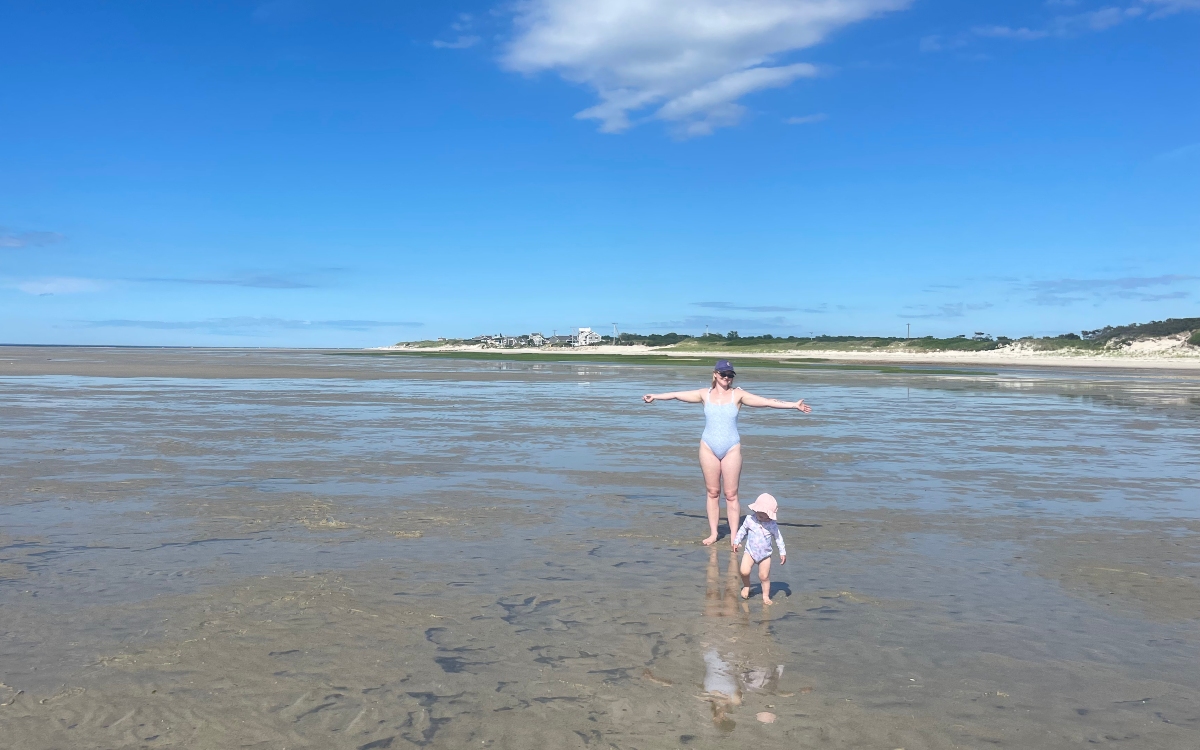
The Bay Side beaches, such as Chapin Beach in Dennis and Cold Storage Beach in East Dennis, are defined by their gentle surf and significant tidal fluctuations. At low tide, the "Brewster Flats" and surrounding areas reveal miles of sandbars and shallow pools. This environment is scientifically significant for its biodiversity and provides a safe, exploratory space for younger children. The water on the Bay side is generally warmer, often reaching the low 70s (Fahrenheit) in late summer, due to the shallow depths and protection from the open ocean.
In contrast, the Atlantic Ocean Side beaches, including Nauset Beach in Orleans and Coast Guard Beach in Eastham, provide a more visceral maritime experience. These shorelines are characterized by steep dunes, colder water temperatures (rarely exceeding 65 degrees), and powerful surf. These conditions are ideal for surfing, boogie boarding, and viewing the dramatic sunrise. However, the Outer Cape’s Atlantic side has seen significant geological changes due to coastal erosion, with some areas losing up to three feet of shoreline per year.
Chronology of a Seasonal Destination
The operational timeline of Cape Cod is strictly seasonal, impacting everything from traffic patterns to service availability.
- Pre-Season (April – May): Towns undergo "spring cleaning." Ferries increase their schedules, and seasonal businesses begin hiring staff, many of whom arrive via the J-1 and H-2B visa programs to support the hospitality surge.
- The Kickoff (Late June): The end of the school year in New England marks the definitive start of the peak season.
- Peak Season (July – August): This period sees the highest population density. Local infrastructure, particularly Route 6 (the Mid-Cape Highway), often reaches maximum capacity. Beach parking lots in popular towns like Chatham and Wellfleet frequently fill by 9:30 AM.
- The "Second Summer" (September – October): Following Labor Day, the region enters a shoulder season highly favored by those without school-aged children. The weather remains mild, the water stays warm, and the crowds diminish significantly.
Infrastructure for Active Recreation: The Cape Cod Rail Trail
One of the most successful examples of repurposing industrial infrastructure for tourism is the Cape Cod Rail Trail (CCRT). Spanning approximately 25 miles from Yarmouth to Wellfleet, the trail follows the former corridor of the Old Colony Railroad.
The CCRT is a paved, largely flat surface that serves as a vital artery for non-motorized transport. It provides families with a safe environment for cycling, walking, and stroller use, away from the congestion of the main roads. The trail’s integration with local economies is seamless, with numerous bike rental shops, ice cream parlors, and cafes positioned at trailheads. The success of the CCRT has prompted ongoing expansion projects, with officials aiming to eventually link the trail further into the Upper Cape.

The Maritime Economy and Wildlife Interaction
The Chatham Fish Pier serves as a focal point for understanding the Cape’s "blue economy." It is a working pier where the commercial fishing fleet offloads catches of lobster, cod, and monkfish. For tourists, the pier provides an educational vantage point to observe the intersection of industry and nature.
In recent years, the resurgence of the gray seal population around the pier has become a major draw. While these animals provide entertainment for onlookers, their presence has also led to an increase in great white shark sightings in the surrounding waters. This ecological shift has forced local municipalities to implement rigorous shark safety protocols, including "Sharktivity" tracking apps and enhanced lifeguard training, representing a modern challenge for the region’s tourism boards.
Hospitality Analysis: Luxury and Family Integration
The Cape Cod hospitality sector has evolved to balance historic charm with modern luxury demands. Two institutions, Chatham Bars Inn and Wequassett Resort & Golf Club, represent the pinnacle of this market.

Chatham Bars Inn, originally built in 1914 as a hunting lodge for wealthy families, has transitioned into a full-service resort. Its business model focuses on "contained luxury," providing a private beach, on-site farm-to-table dining, and structured children’s programming. This allows the resort to maintain a high capture rate of guests who may never leave the property during their stay.
The Wequassett Resort & Golf Club, located on the shores of Pleasant Bay, emphasizes flexible accommodations. By offering multi-bedroom cottages and suites, the resort caters to the growing trend of "flexcationing," where families combine remote work with leisure. Data from the American Hotel & Lodging Association suggests that such amenities are increasingly critical for high-end coastal resorts to maintain occupancy rates outside of the traditional weekend spikes.
Broader Impact and Environmental Implications
The continued popularity of Cape Cod as a family destination has significant socio-economic implications. Tourism is the primary driver of the regional economy, generating billions of dollars in annual spending. However, this success brings challenges.

The "Short-Term Rental" (STR) market, facilitated by platforms like Airbnb and Vrbo, has transformed the housing landscape. While providing families with more options for multi-generational stays, it has also contributed to a housing shortage for the year-round workforce. Local officials in towns like Provincetown and Nantucket have recently debated stricter regulations on STRs to preserve community integrity.
Furthermore, environmental sustainability is a pressing concern. The Cape’s sole-source aquifer, which provides all the region’s drinking water, is sensitive to nitrogen loading from septic systems. This has led to a massive, multi-billion-dollar initiative across various towns to install municipal sewer systems—a project that will impact local traffic and taxes for decades but is deemed essential for the long-term viability of the tourism industry.
Conclusion
Cape Cod’s enduring appeal lies in its ability to offer a nostalgic, "timeless" American vacation while simultaneously adapting to modern environmental and economic realities. For families, the region provides a diverse portfolio of activities—from the quiet tidal flats of Brewster to the bustling fish piers of Chatham and the protected wilderness of the National Seashore. As the region moves forward, the balance between preserving its historic character and upgrading its infrastructure will remain the central theme of its development. For the traveler, success on the Cape remains a matter of strategy: understanding the tides, respecting the environment, and navigating the seasonal ebbs and flows of one of New England’s most cherished landscapes.