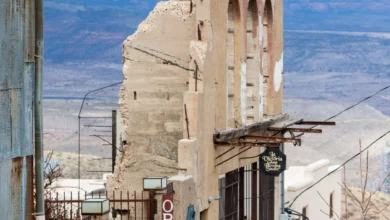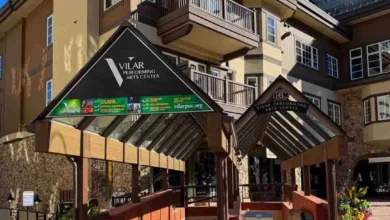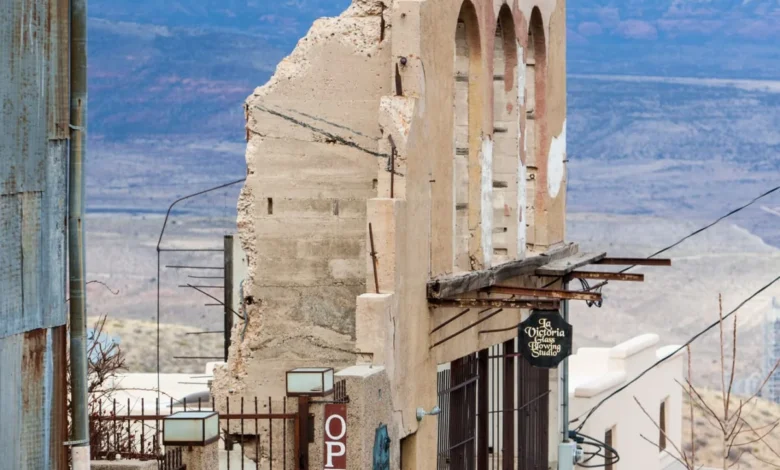
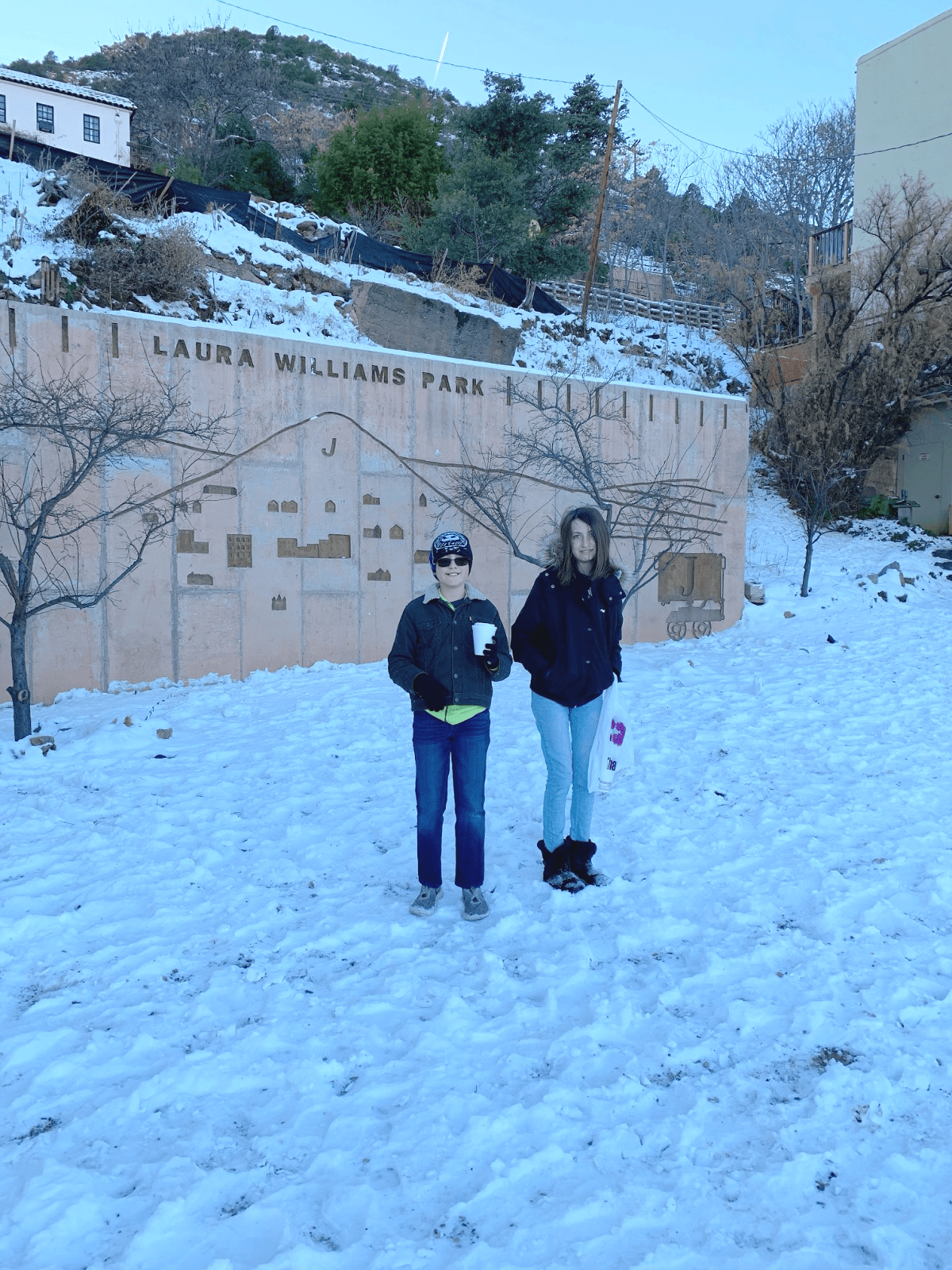
Perched precariously on the side of Cleopatra Hill in Yavapai County, Arizona, the historic town of Jerome stands as a testament to the volatility of the American frontier. Once a booming center of copper production that earned the moniker The Wickedest Town in the West, Jerome has undergone a radical demographic and economic metamorphosis. From a peak population of nearly 15,000 residents at the turn of the 20th century to a near-abandoned state following the closure of its mines in the 1950s, the town now exists as a curated National Historic Landmark District, maintaining a permanent population of approximately 500 residents who serve a burgeoning tourism and arts economy.
A Chronology of Economic Volatility
The story of Jerome is defined by its geological wealth and the subsequent industrial cycles that dictated its fate. The United Verde Copper Company, established in the 1880s, transformed the rugged hillside into a massive industrial engine. By 1918, the copper mining operations were at their zenith, with the town serving as a dense urban core for laborers, miners, and the infrastructure required to support them.
The transition from a bustling municipality to a ghost town occurred in a series of distinct phases. Following the economic instability of the Great Depression and the eventual decline of copper ore quality, the major mining operations began to contract. The definitive shift occurred in 1953, when the Phelps Dodge Corporation, which had acquired the operations, shuttered the mines. Within months, the town faced an existential crisis. The loss of employment resulted in a rapid exodus, and the once-thriving commercial districts were left to decay.
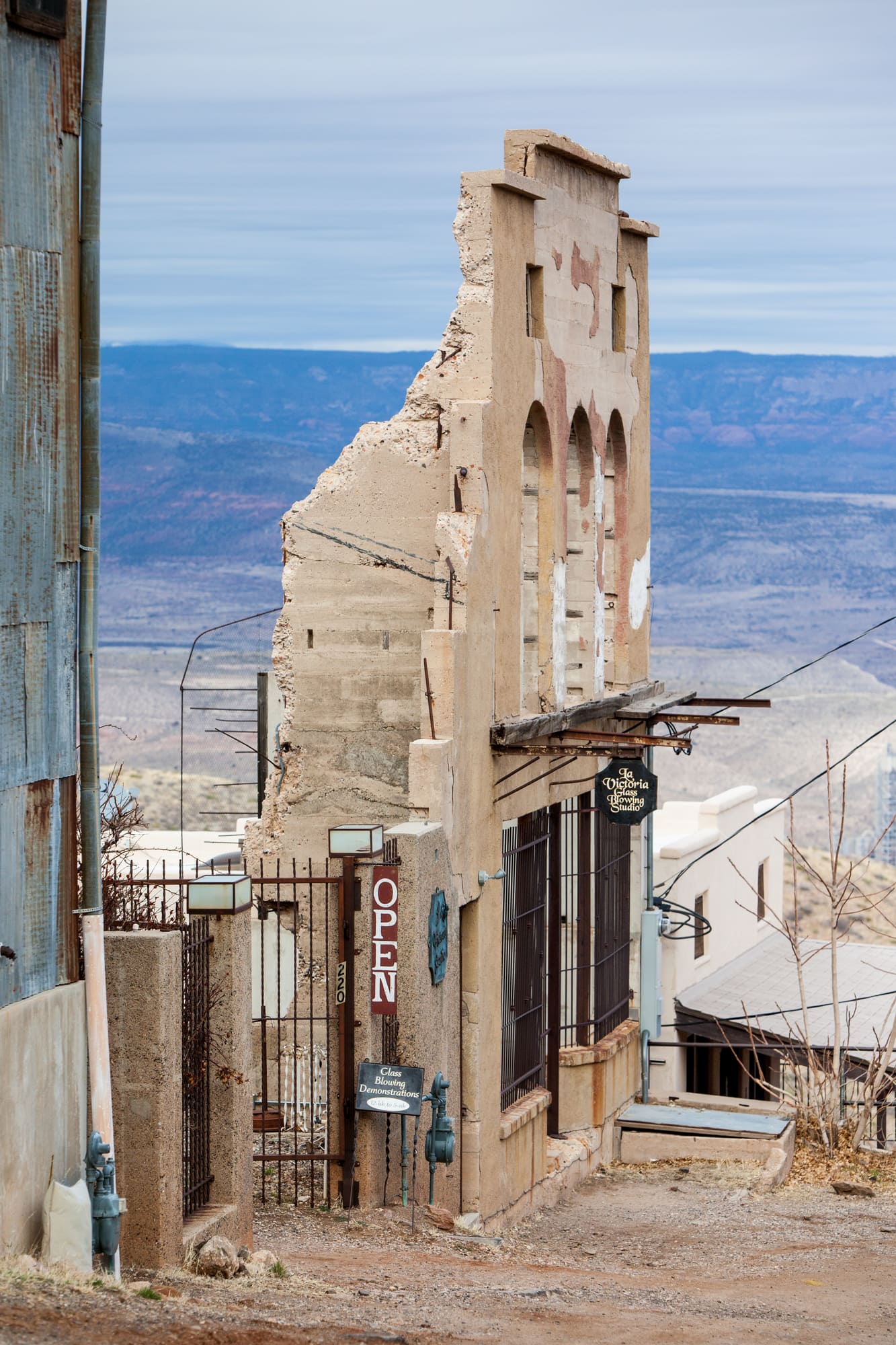
For nearly two decades, Jerome existed in a state of suspended animation. The physical geography of the town—built on a steep, unstable slope prone to subsidence and landslides—further complicated redevelopment efforts. It was not until the late 1960s and early 1970s that a new demographic arrived. Artists, counter-culture figures, and historical preservationists were drawn to the low cost of living and the unique aesthetic of the abandoned industrial architecture. This influx of creative energy eventually culminated in the 1967 designation of the town as a National Historic Landmark District, a move that provided the legal framework necessary to protect the remaining 100-plus historic structures from demolition.
Mining Operations and Geological Hazards
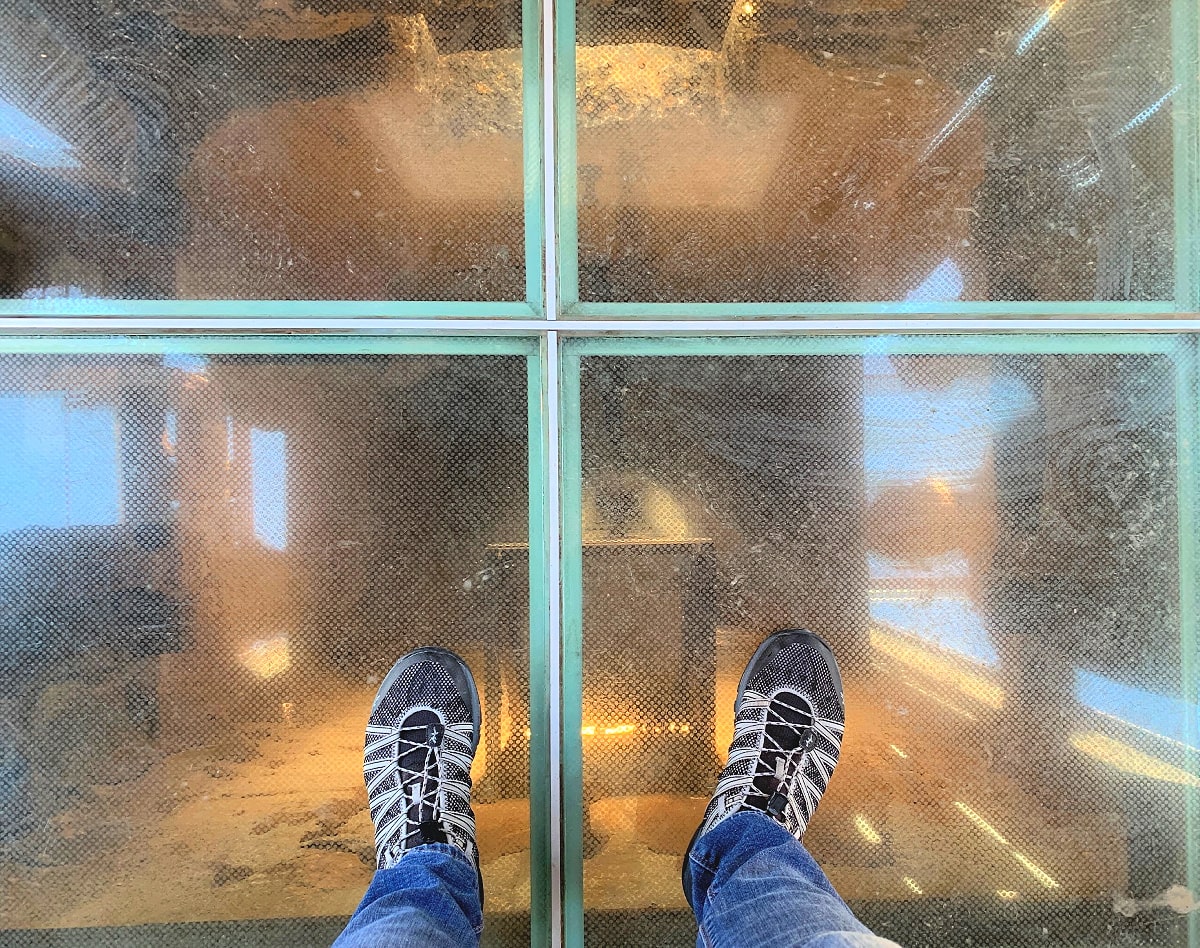
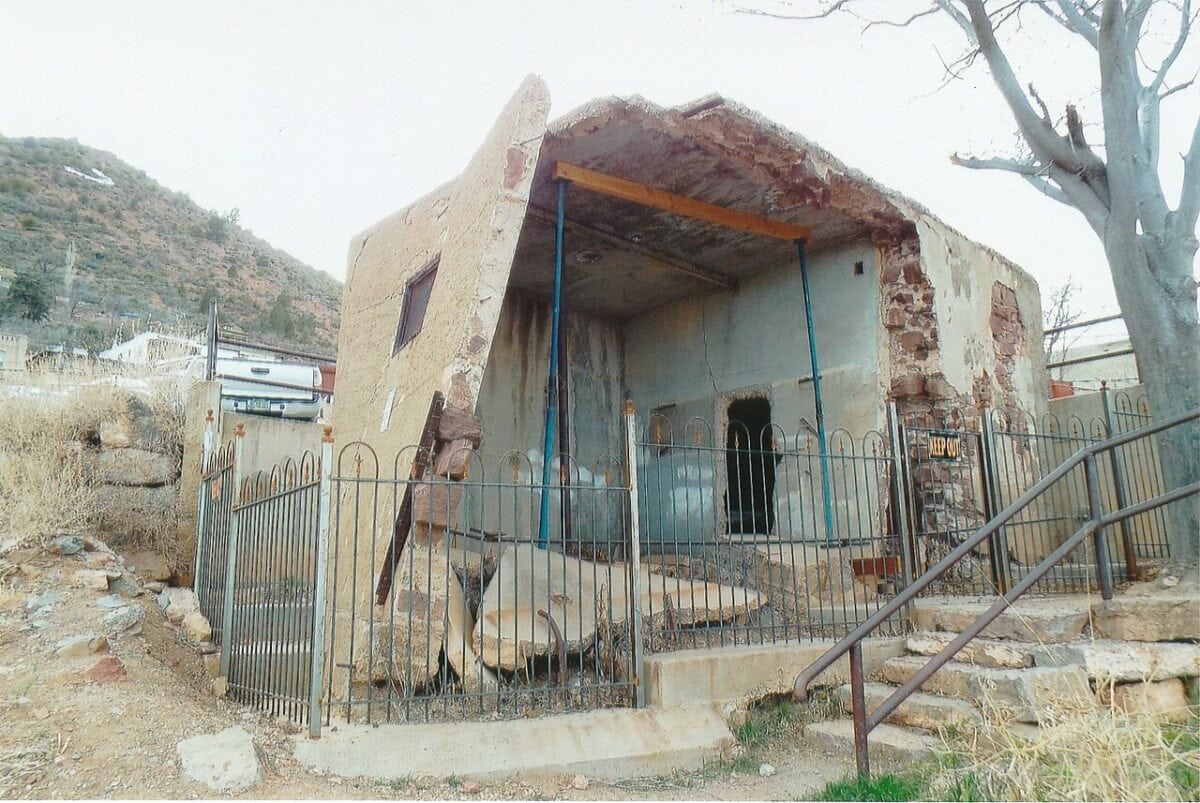
The industrial legacy of Jerome is centered on the extraction of copper, silver, and gold. The mining methodology involved an intricate, subterranean network of shafts that turned the interior of Cleopatra Hill into a literal honeycomb. This mining intensity eventually caused significant geological instability. The phenomenon of the Sliding Jail—a concrete municipal lockup that shifted 225 feet from its original foundation following a subterranean blast in 1938—serves as a permanent physical reminder of the hazards posed by the town’s mining history.
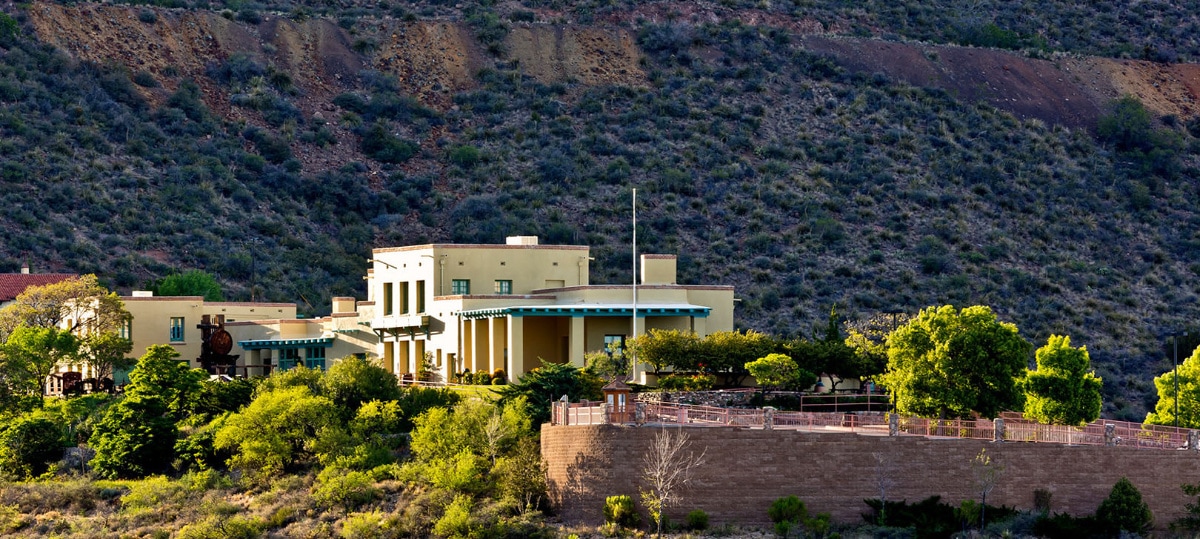
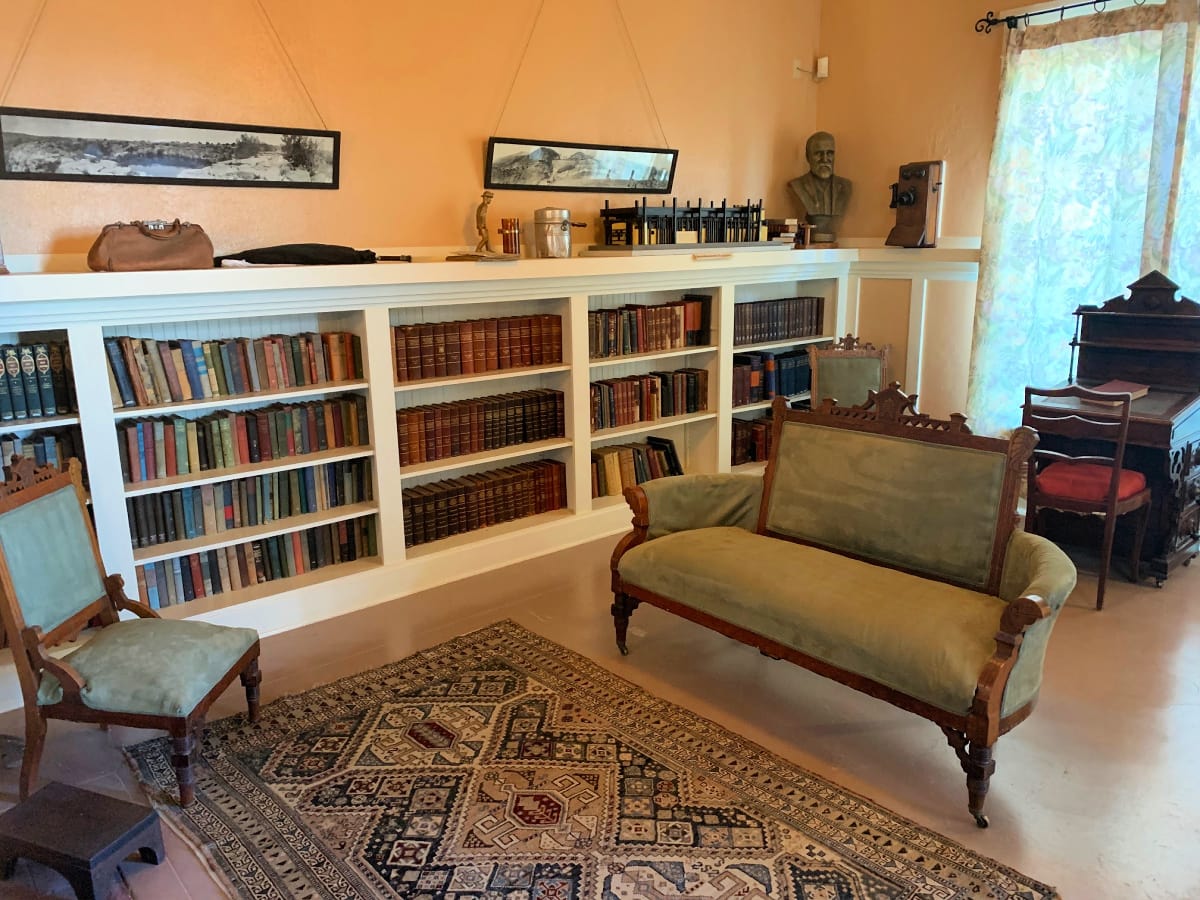
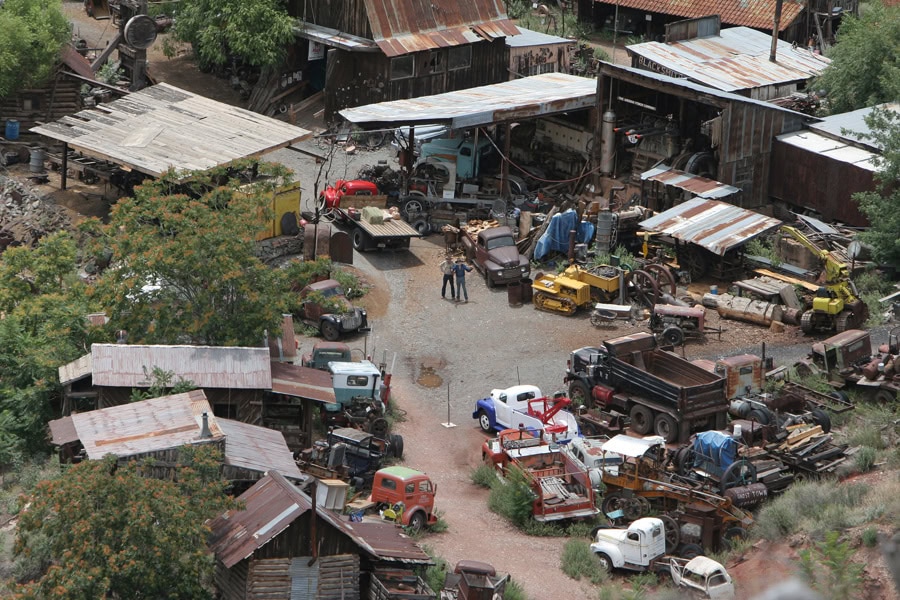
Current industrial remnants are preserved primarily through the Jerome State Historic Park and the Audrey Headframe Park. The former, housed in the Douglas Mansion, provides an objective look at the mining families who directed the town’s early growth. The latter preserves the physical equipment of the United Verde mine, though it remains subject to periodic closures for structural restoration—a reality of maintaining infrastructure in a town built upon seismic fault lines and hollowed-out mountains.
Cultural and Economic Reinvention
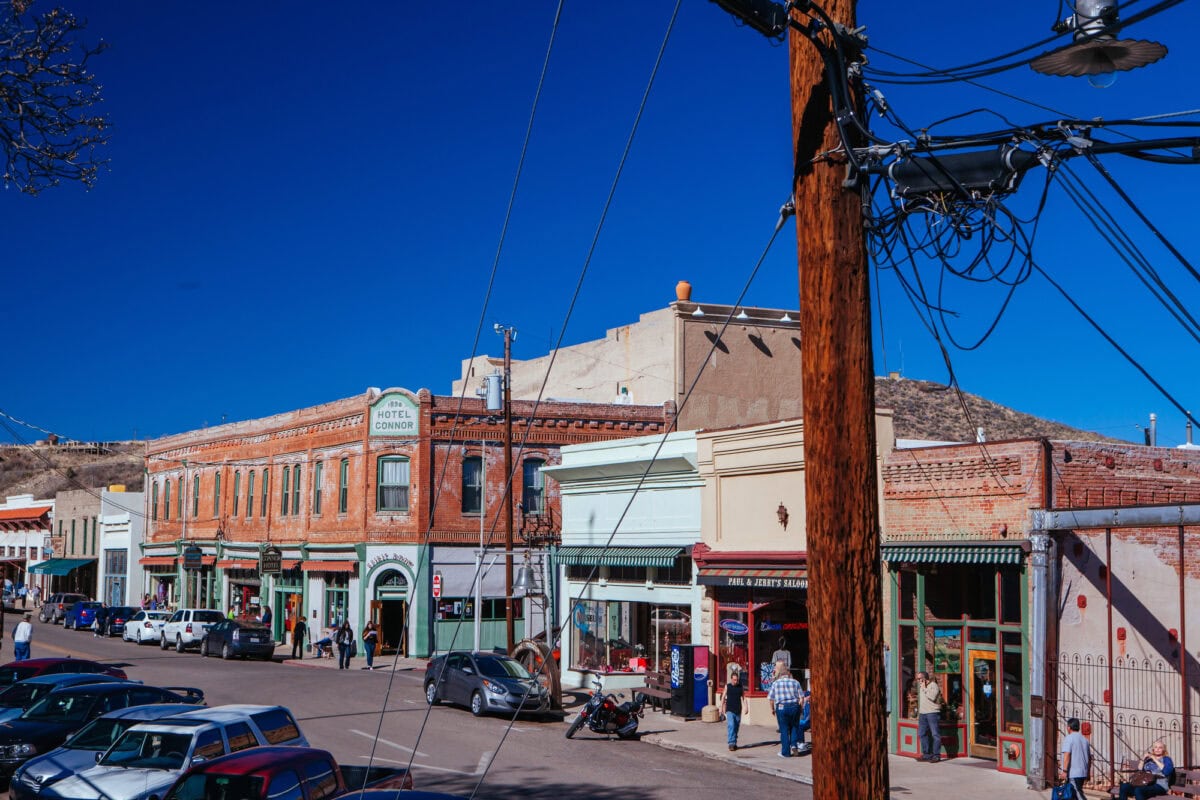
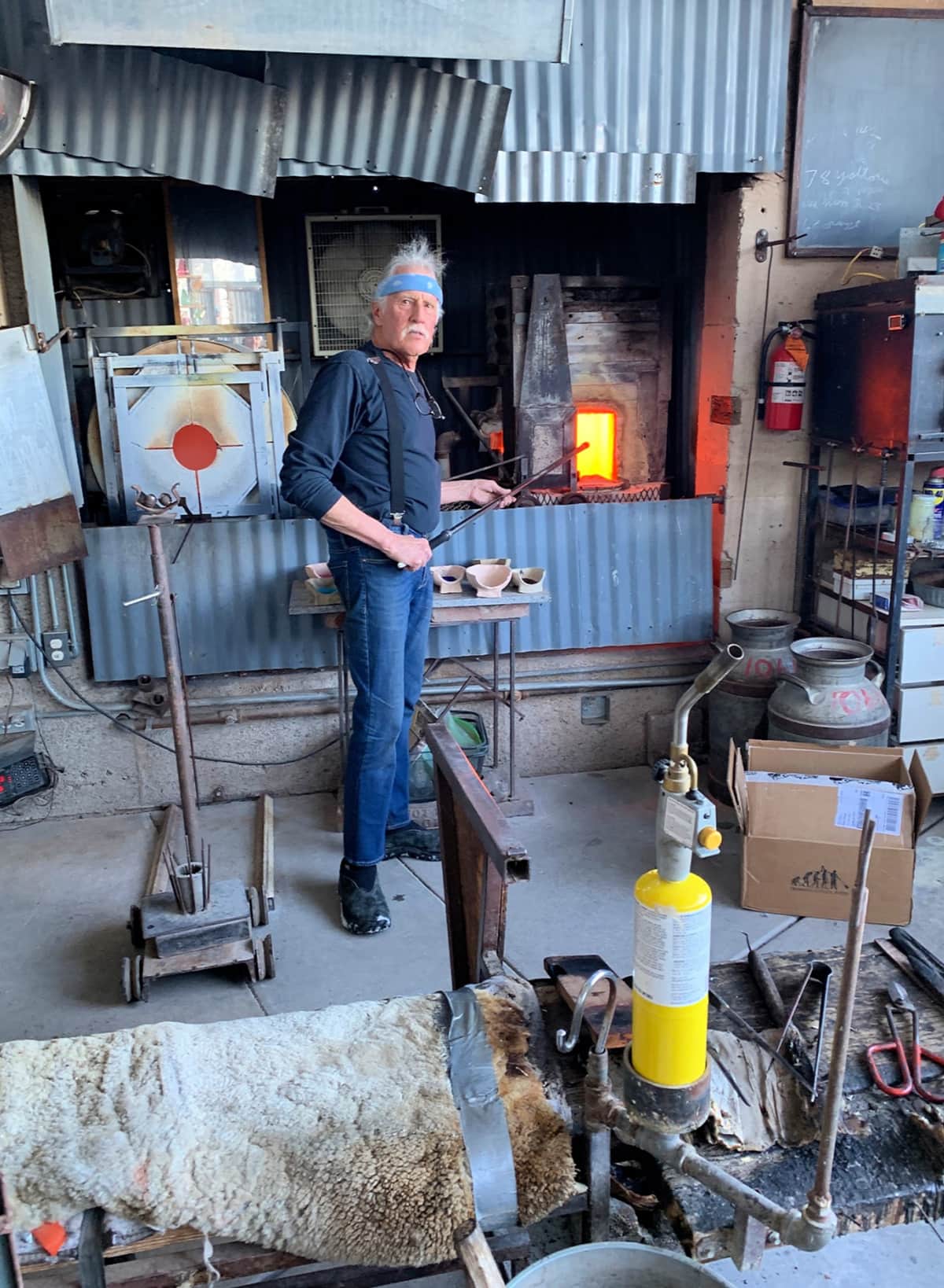
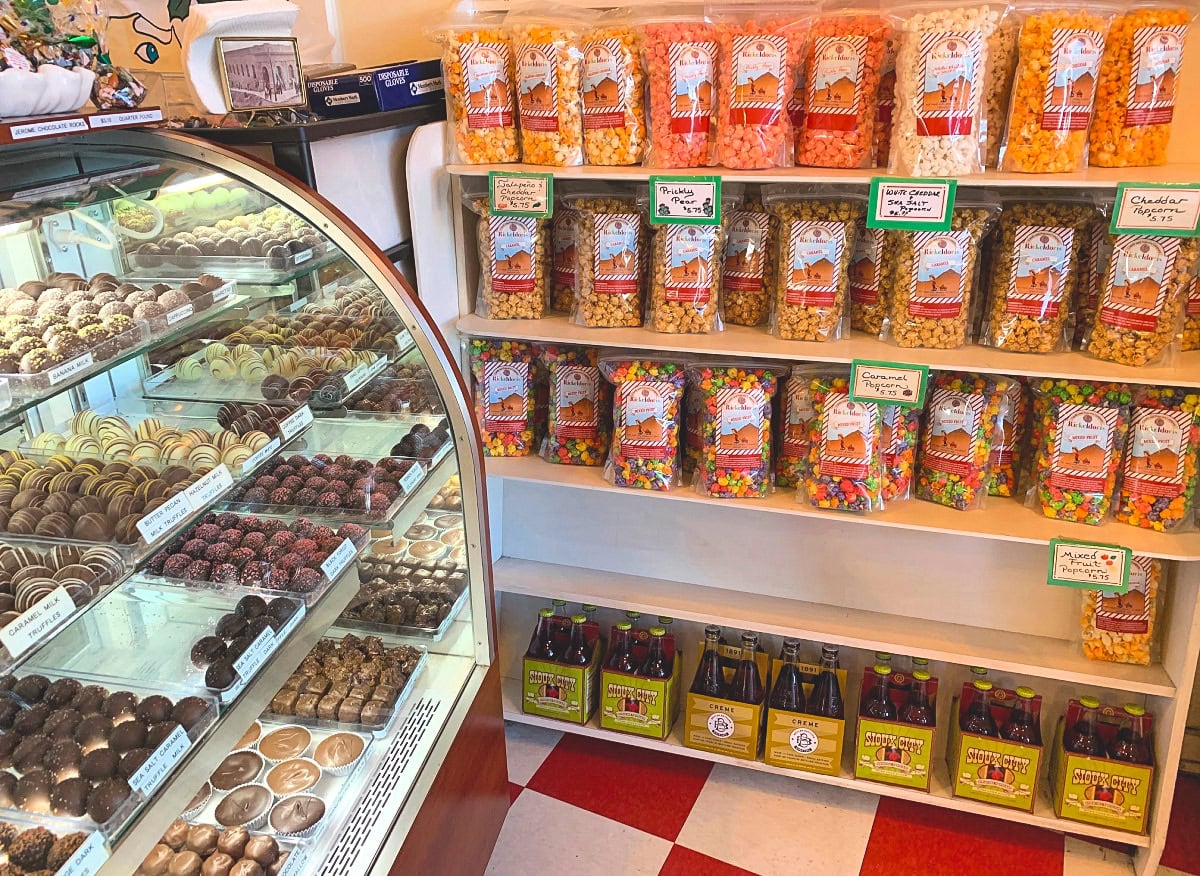
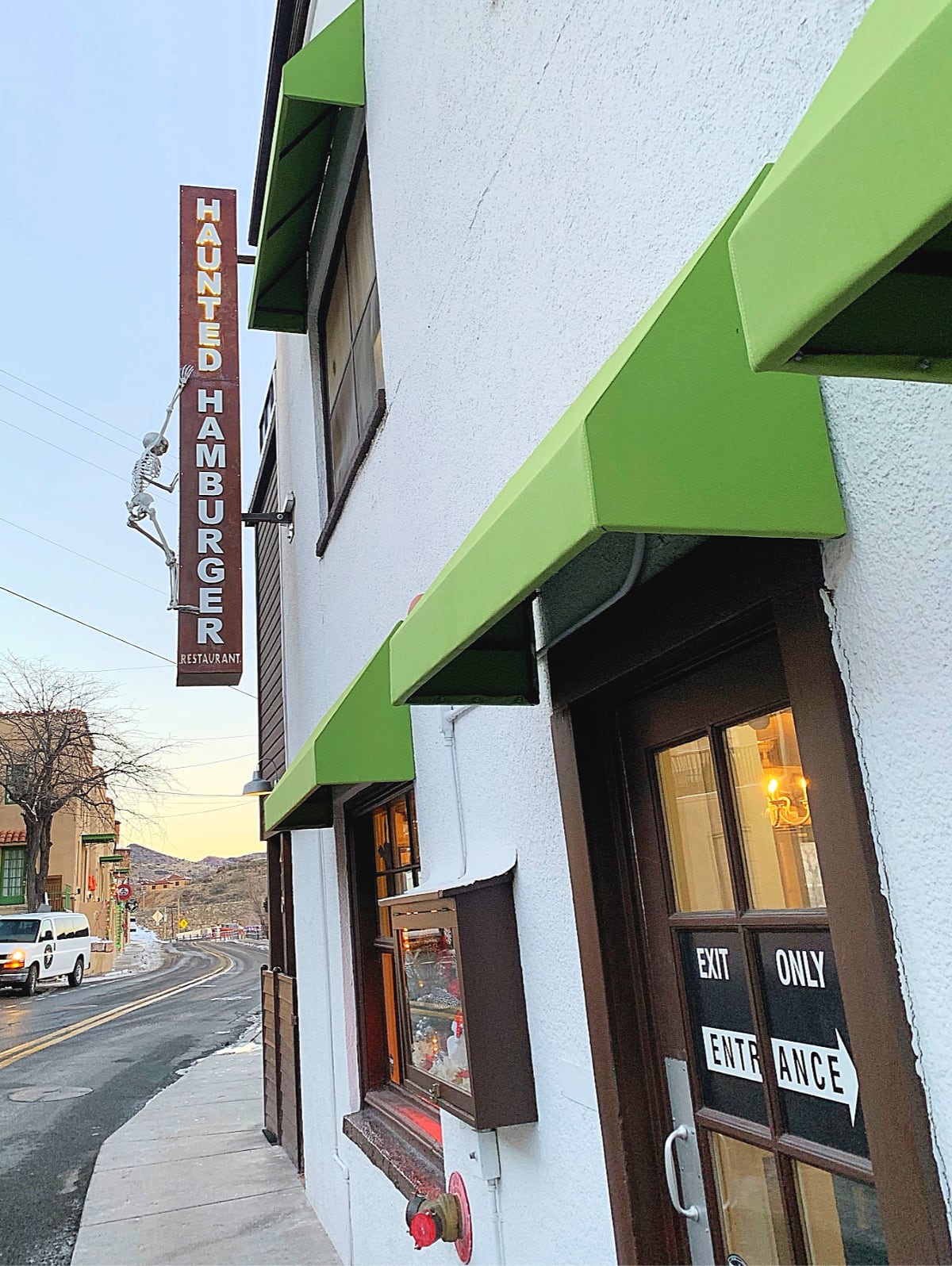
The contemporary Jerome economy is rooted in tourism, driven by a combination of Wild West history, paranormal intrigue, and a robust arts scene. The conversion of former mining offices, hospitals, and mercantile stores into boutique hotels and art galleries has created a unique economic model.
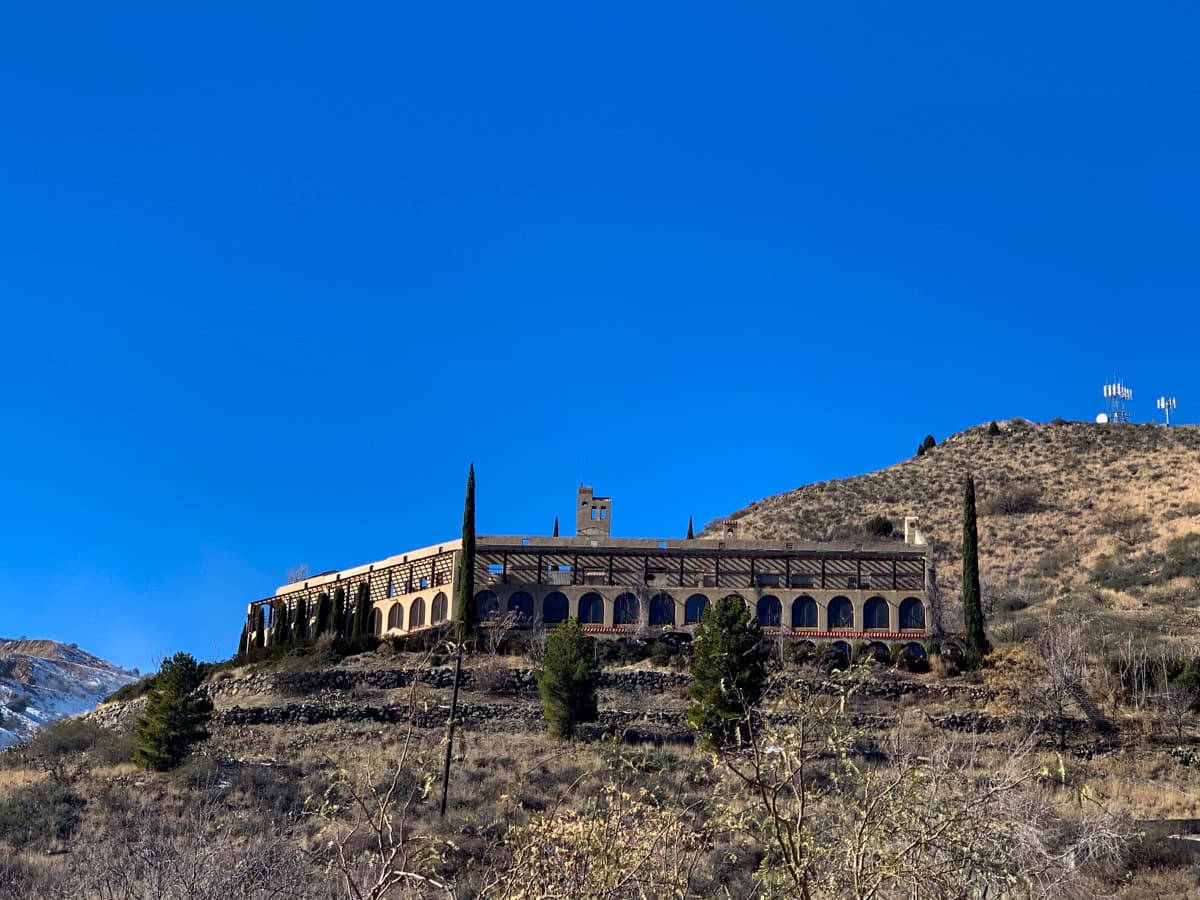
The Jerome Grand Hotel, for example, is a prime case study in adaptive reuse. Formerly the United Verde Hospital, the structure was abandoned for decades before being purchased and renovated in the 1990s. Its status as a functioning hotel with a reputation for documented paranormal activity provides a dual-revenue stream: accommodation services and guided history tours. Similarly, the Clinkscale Hotel, which operated as a mercantile store at the turn of the century, now serves as a boutique destination, reflecting the town’s shift toward high-end experiential travel.
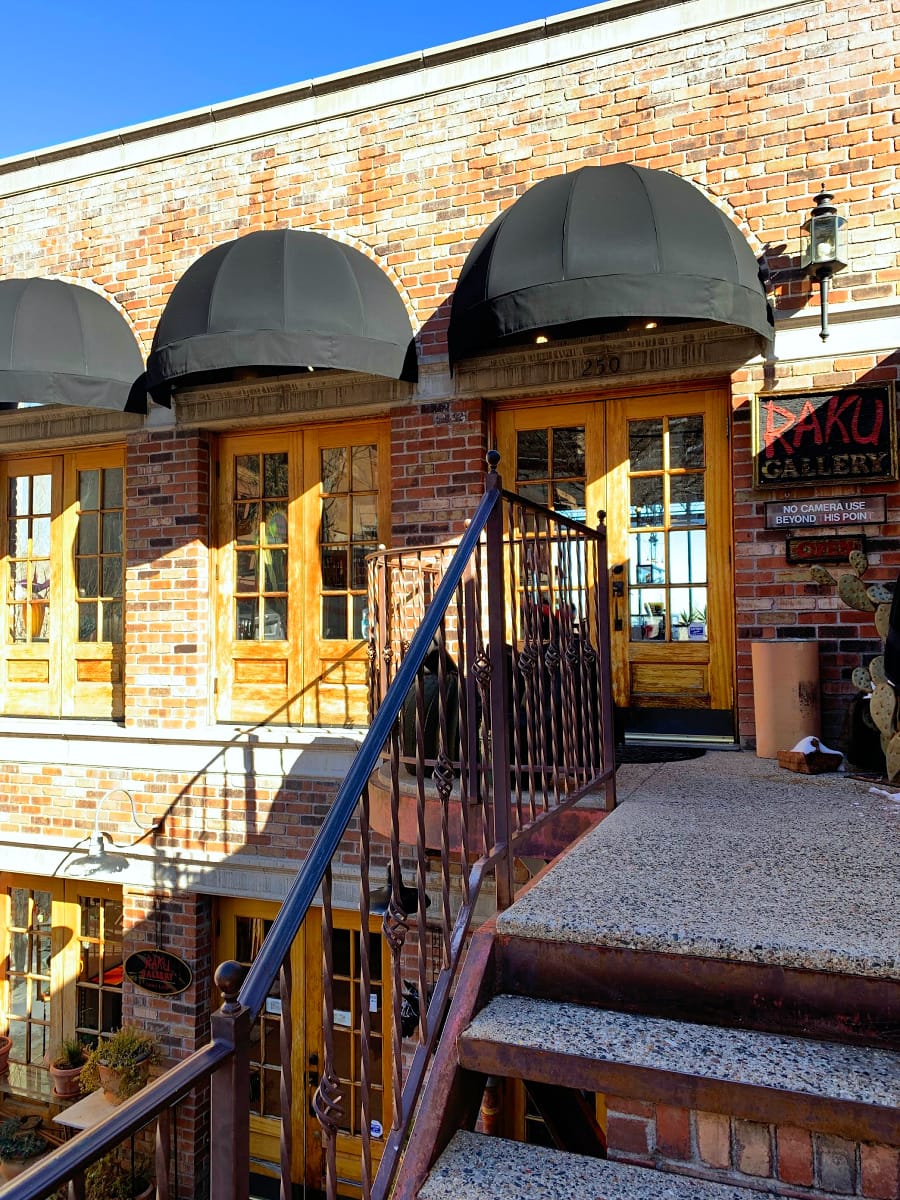
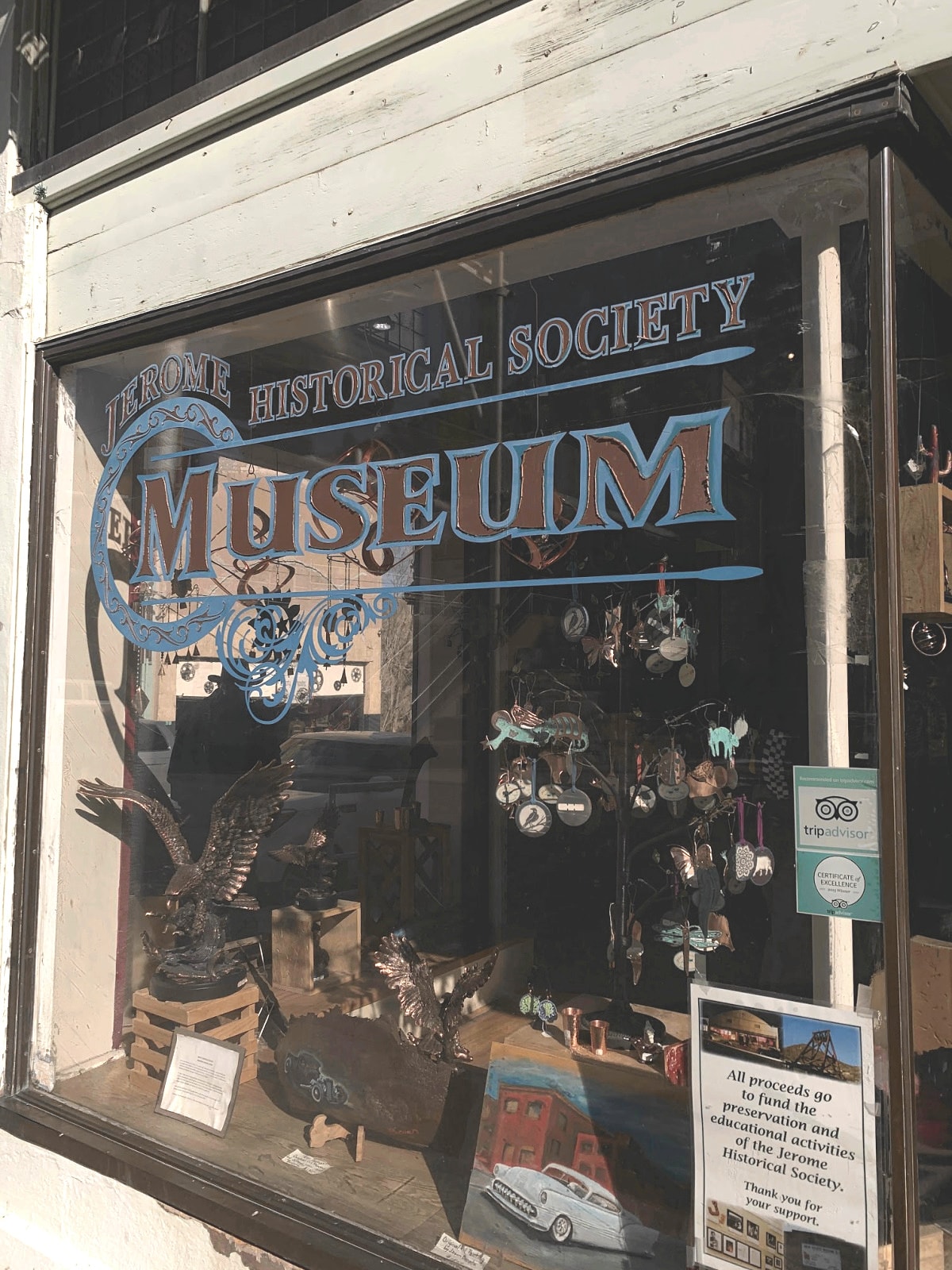
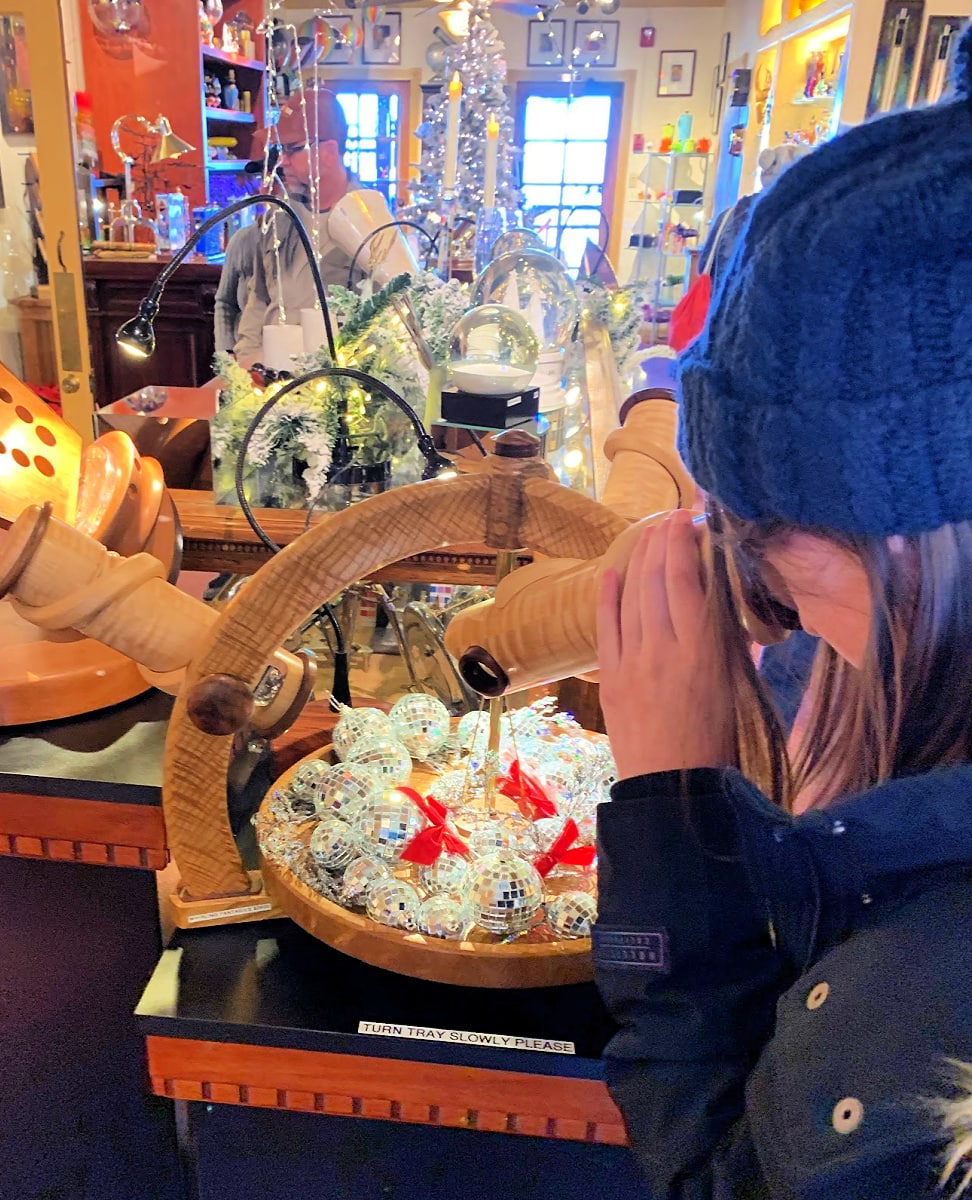
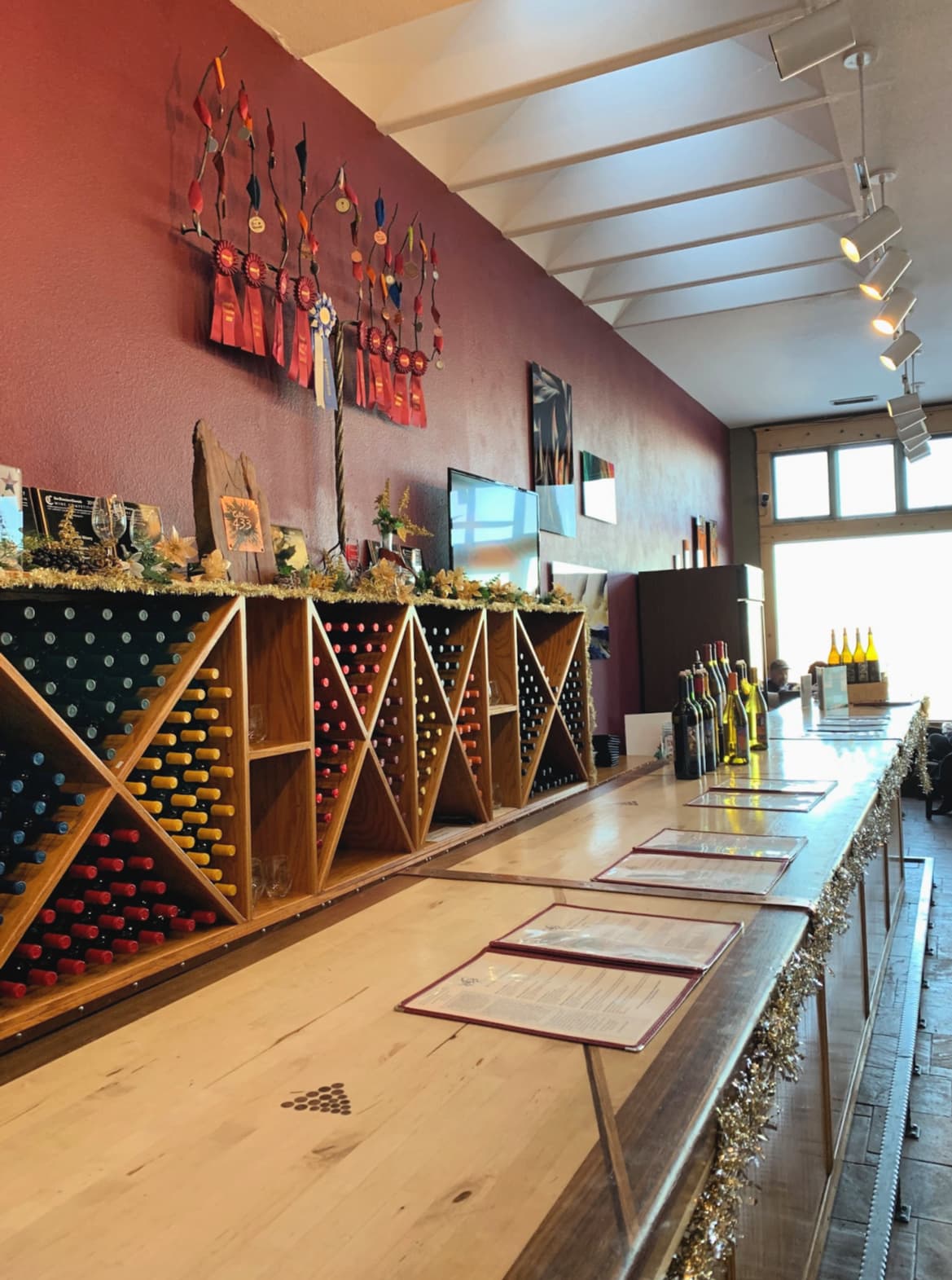
Data on regional tourism suggests that Jerome acts as a critical link in the Verde Valley’s broader tourism corridor, which includes neighboring Sedona and Prescott. The town’s monthly art walks and the presence of specialized retail—such as the Nellie Bly Kaleidoscopes collection—attract a niche market that seeks a departure from standard suburban shopping experiences. Furthermore, the development of local viticulture in the Verde Valley has allowed Jerome to host several wine tasting rooms, tapping into the growing Arizona wine industry and increasing the average duration of stay for visitors.
The Implications of Preservation
The transformation of Jerome from a decaying mining camp to a preserved historic landmark carries broader implications for similar towns in the American West. The preservation of Jerome demonstrates that historical significance can be a sustainable economic engine, provided that the physical heritage is treated as a core asset rather than an obstacle to modern development.
However, the town faces significant ongoing challenges. Maintaining historic, non-standard buildings in a high-elevation, seismically active zone requires substantial capital and continuous regulatory oversight. The municipal government operates under a delicate balance: managing the influx of tourists—which places a strain on limited parking and narrow, winding infrastructure—while preserving the authentic character that draws those visitors in the first place.
Official perspectives from the Jerome Chamber of Commerce emphasize the necessity of the National Historic Landmark status as a tool for economic stability. By restricting development to historically sensitive guidelines, the town ensures that it does not lose the very qualities that distinguish it from standard mountain resorts. The policy of promoting the town as an active, living ghost town rather than a static museum piece has proven successful in attracting consistent annual foot traffic.
Looking Ahead
Jerome remains a rare success story in the history of American resource-dependent towns. While many mining settlements across the West were either completely erased by environmental reclamation or remained in perpetual decline, Jerome leveraged its isolation and its unique, rugged architecture to establish a new identity.

The town’s future, much like its past, is tied to the management of its physical environment. With nearly 500 residents today, it maintains a critical mass necessary to support public services and basic infrastructure. As long as the town can continue to navigate the dual requirements of public safety and historic preservation, it is expected to remain a significant point of interest for travelers exploring the geological and cultural history of the Arizona interior. The synthesis of its industrial origins and its current role as a sanctuary for the arts ensures that Jerome will continue to occupy a unique niche in the American landscape, serving as a cautionary tale of industrial collapse and a model for rural revitalization.