Navigating London with a Toddler: Essential Tips, Parks, and Attractions for Family Travel

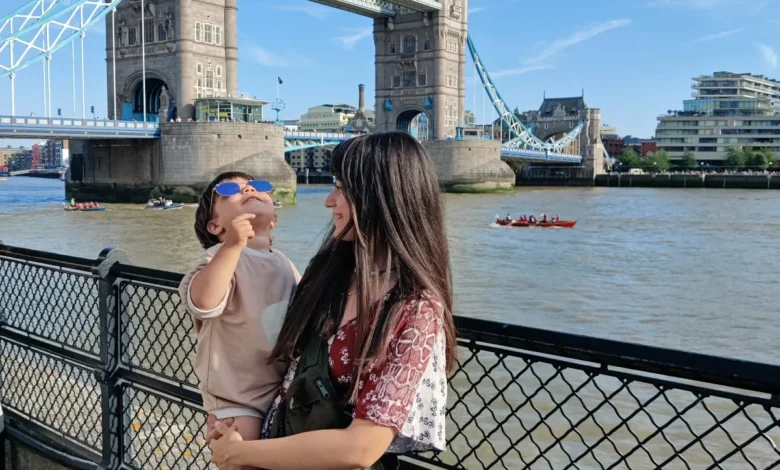
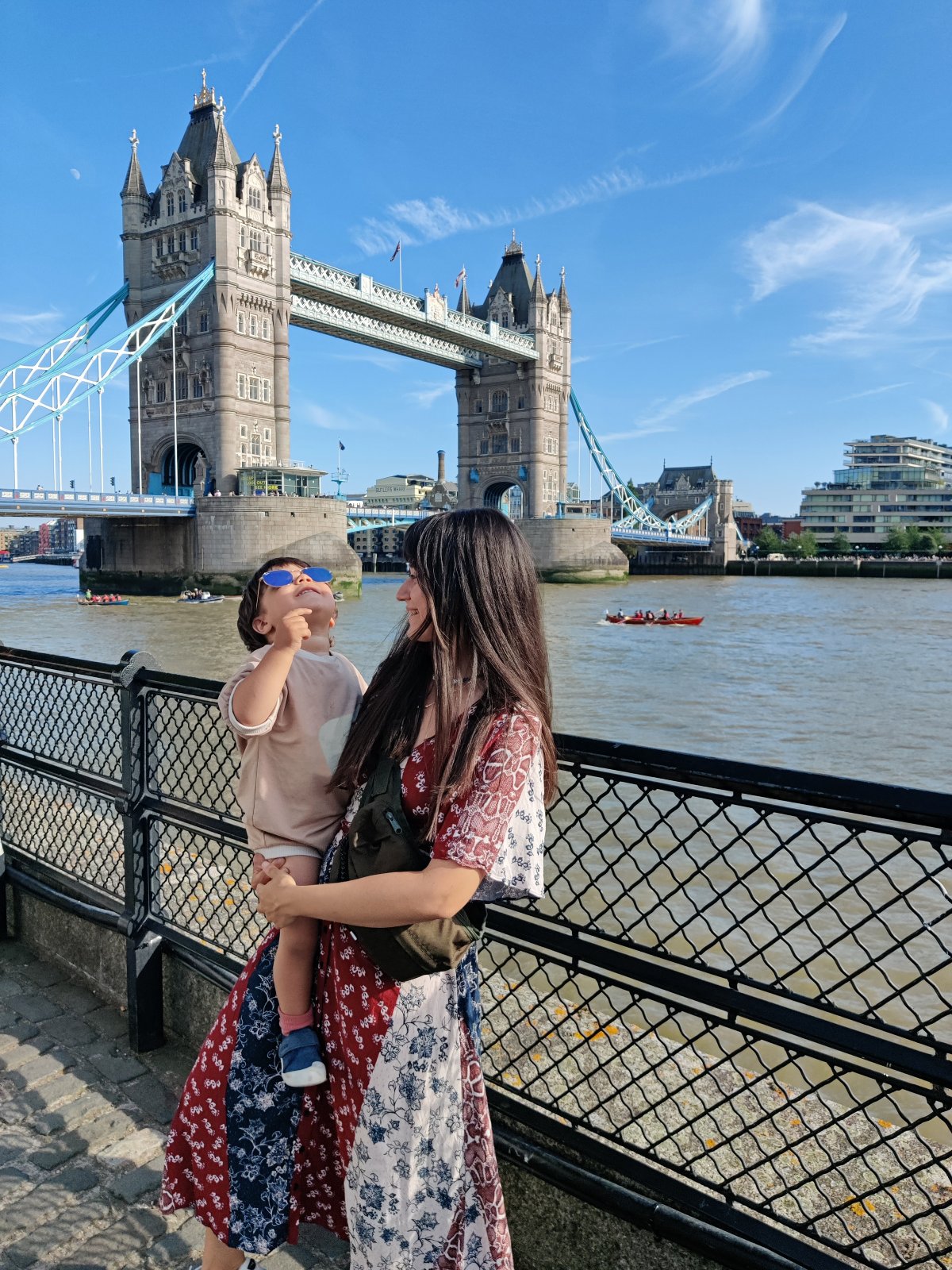
The prospect of traveling to London with a toddler often elicits mixed reactions from seasoned parents, balancing the city’s rich cultural tapestry with the practical hurdles of managing young children abroad. Historically celebrated for its iconic landmarks such as Tower Bridge, Westminster Abbey, and Buckingham Palace, alongside world-class cultural institutions like Shakespeare’s Globe and the National Gallery, the British capital is fundamentally structured around adult-centric pacing. However, shifting demographic trends in family tourism indicate a rising preference for early-childhood international travel, prompting urban planners, tourism boards, and hospitality groups to adapt their offerings. According to tourism analytics from VisitBritain, family-oriented travel segments have steadily rebounded, with urban destinations increasingly investing in child-friendly infrastructure to accommodate multi-generational and young-family visitors.
Navigating the vast metropolis with a child between the ages of one and three requires a strategic recalibration of expectations. While navigating the London Underground with a stroller or managing unpredictable nap schedules demands patience, traveling during this developmental stage frequently unlocks an unexpected sense of wonder. Urban sociologists and child development experts note that toddlers process environments through immediate sensory engagement. Consequently, witnessing a double-decker bus rumble past or discovering an open green space can provide profound developmental stimulation for the child while offering parents a fresh, unvarnished perspective of a historic city. Successfully bridging the gap between rigorous sightseeing and toddler management relies on a carefully curated itinerary that prioritizes open-air environments, interactive museums, and flexible transit options.

Harnessing London’s Green Spaces for Rest and Play
London’s extensive network of Royal Parks and botanical gardens serves as an indispensable resource for families seeking respite from the dense urban core. The British cultural obsession with horticulture, deeply rooted in centuries of garden design and aristocratic estate management, has yielded sprawling green lungs that function as essential buffers within the metropolis. Chief among these is Hyde Park, a 350-acre expanse originally established by King Henry VIII in 1536. Providing a direct parallel to New York City’s Central Park, Hyde Park offers families a natural reset button following morning excursions, allowing toddlers space to run, observe local waterfowl, and decompress away from heavy pedestrian traffic.
Adjacent to Hyde Park lies Kensington Gardens, home to the Diana Princess of Wales Memorial Playground. Following a comprehensive £3 million renovation, this Peter Pan-themed installation features a prominent wooden galleon, an elaborate treehouse network, an interactive water play zone, and a dedicated enclosure tailored specifically for children under the age of three. Admission to the playground is complimentary, though peak weekend hours frequently necessitate queuing systems managed by park attendants to regulate capacity.
Further expanding the outdoor itinerary, the Royal Botanic Gardens at Kew—commonly known as Kew Gardens—features a dedicated Children’s Garden spanning several acres, specifically engineered for ages two through twelve to explore ecological concepts through tactile play. For families prioritizing fauna, Regent’s Park houses the historic London Zoo, established in 1828 by the Zoological Society of London, while the more intimate Battersea Park hosts the Battersea Children’s Zoo, which is explicitly scaled for families utilizing strollers.
Adapting Historic Sites and Cultural Institutions for Young Minds
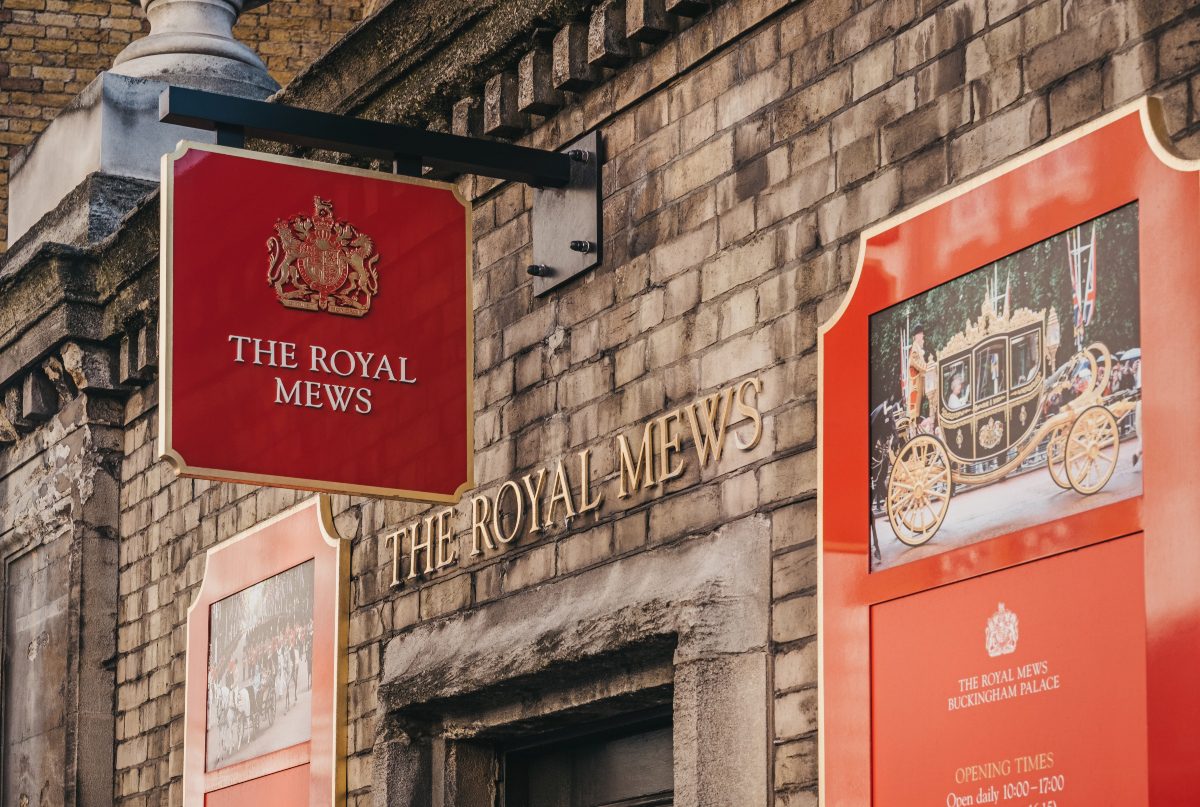
Traditional sightseeing presents inherent logistical challenges for parents traveling with toddlers, particularly within historic interiors that restrict strollers, mandate quiet behavior, or feature delicate artifacts. To mitigate these obstacles, tourism operators and heritage management bodies have developed alternative pathways to engage younger audiences. Rather than attempting a guided tour of the staterooms inside Buckingham Palace, family travel specialists recommend visiting the Royal Mews. Located adjacent to the palace, the Royal Mews functions as the Sovereign’s official garage, housing historic carriages, state motor vehicles, and active horse stables. Transport history and live animals consistently deliver high engagement levels for toddlers, merging historical context with sensory stimulus.
Similarly, navigating the city’s architectural landmarks can be streamlined by focusing on stroller-accessible infrastructure. Ambling across the pedestrian-only Millennium Bridge, riding the London Eye rotation capsule, or traversing Trafalgar Square provides visual engagement without the friction of enclosed museum galleries. Furthermore, municipal transit advocates frequently note that heritage bus routes, such as traditional hop-on, hop-off double-decker services, remain exceptionally effective tools for introducing young children to urban geography.
Museum curation in London has undergone a significant modernization shift to incorporate dedicated early-years learning environments. The Young V&A in Bethnal Green—operating as a specialized branch of the Victoria and Albert Museum—features a bespoke Play Gallery containing sensory installations, soft-play construction zones, and structured role-play areas designed for early childhood development. Likewise, while the Natural History Museum receives substantial global acclaim, the adjacent Science Museum offers an understated alternative via its dedicated multisensory play zones tailored for infants and toddlers. Both institutions maintain a general free-admission policy, affording parents the financial flexibility to depart abruptly if a child becomes fatigued or irritable.

For transportation enthusiasts, the London Transport Museum in Covent Garden chronicles over two centuries of urban transit evolution. The facility showcases vintage double-decker buses, historic underground carriages, and tram cars that permit direct physical interaction. Museum executives have reported steady year-over-year increases in family ticket sales, underscoring the commercial and educational viability of interactive, tactile museum design. For retail excursions, the seven-story Hamleys toy emporium on Regent Street—dating back to 1760—remains a fixture of the city’s commercial landscape, featuring live demonstrators, interactive display tables, and a top-floor Lego replica of the British royal family.
Culinary Innovations: Afternoon Tea and Family Dining
The traditional British afternoon tea, historically reserved for formal adult gatherings, has increasingly evolved to capture the family demographic. High-end hospitality establishments have restructured their culinary programs to cater to younger palates without sacrificing aesthetic presentation. The Ampersand Hotel in South Kensington, for instance, offers a science-themed afternoon tea where children can utilize chemistry beakers to mix effervescent beverages and excavate edible chocolate fossils between courses. At Aqua Shard, positioned 31 floors above the street level, a Peter Pan-themed tea presents pastries arranged on a miniature pirate ship alongside scones concealed within a treasure chest.
To alleviate the pressure of maintaining formal dining etiquette with an impatient toddler, mobile dining experiences have gained notable traction. Brigit’s Bakery operates specialized afternoon tea excursions aboard vintage Routemaster double-decker buses. These mobile tours loop past prominent landmarks including Big Ben and Tower Bridge while an onboard entertainer manages children’s programming. Themed routes centered on intellectual properties such as Peppa Pig, Paw Patrol, and Paddington accommodate children aged two and older, successfully fusing sightseeing, dining, and childcare into a single logistical unit.
Strategic Planning and Broader Economic Implications
The operational expansion of child-centric urban tourism reflects a broader economic pivot within London’s hospitality and cultural sectors. As post-pandemic travel demographics increasingly skew toward family units, hoteliers, cultural institutions, and municipal authorities are investing in infrastructure that minimizes friction for travelers with infants and toddlers. Industry analysts project that cities offering comprehensive family support systems—ranging from accessible underground stations to dedicated museum play spaces—will capture a disproportionate share of international family tourism revenue in the coming decade.
For families planning an excursion to the British capital, logistical success ultimately depends on strategic neighborhood selection, proximity to green spaces, and a willingness to pace daily itineraries around early childhood biological rhythms. By exchanging rigid sightseeing schedules for immersive, tactile experiences, parents can navigate one of the world’s most historic capitals while fostering an early appreciation for global exploration in the youngest travelers.