Delta Air Lines Offers Unprecedented SkyMiles Redemption Rates for Australia and New Zealand Amid Strategy Shift

In a move that has caught the attention of the global aviation industry and loyalty program analysts, Delta Air Lines recently processed a series of unadvertised award redemptions that allowed travelers to book roundtrip flights to Australia and New Zealand for as little as 25,400 SkyMiles. This development, which represents one of the lowest transpacific redemption rates in the history of the SkyMiles program, signals a potential pivot in how the Atlanta-based carrier manages its loyalty currency and seat inventory. The deal, which appeared without prior announcement, covered travel from nearly 200 U.S. airports, including major hubs and smaller regional outposts, to destinations such as Brisbane (BNE) and Auckland (AKL).
The significance of a 25,400-mile roundtrip redemption to the Oceania region cannot be overstated within the context of current travel economics. Typically, major U.S. carriers require between 80,000 and 120,000 miles for a standard economy seat to Australia or New Zealand. Delta’s own dynamic pricing model frequently pushes these rates above 150,000 SkyMiles during peak seasons. By offering these routes at a fraction of the traditional cost—comparable to the mileage required for a short-haul domestic flight between New York and Chicago—Delta has challenged the prevailing sentiment that SkyMiles are a devalued currency.
Chronology of the Unadvertised Award Drop
The event began during the early hours of a mid-week morning when flight deal analysts and automated monitoring systems detected a massive surge in low-level award availability. Unlike traditional "flash sales" that Delta has historically promoted via its official website or marketing emails, this specific event was entirely unannounced.

By 8:00 AM EST, the availability had expanded to include a vast network of departure cities. While the lowest rates were initially found on the nonstop service from Los Angeles International Airport (LAX), the pricing quickly populated across the carrier’s domestic network. Travelers in cities such as Minneapolis, Detroit, and even smaller regional markets reported seeing the same 25,400-mile rate, despite these itineraries requiring additional domestic connection legs.
The window of opportunity for these rates was exceptionally narrow. Industry data suggests that the highest volume of bookings occurred within a four-hour window. By early afternoon, Delta had adjusted the pricing for nearly all departure cities except for the Los Angeles gateway. Shortly thereafter, the rates returned to their standard levels, which are often five to six times higher than the "unicorn" deal discovered by analysts.
Comparative Data and Financial Analysis
To understand the magnitude of this event, it is necessary to examine the cash value of the tickets provided. During the travel period covered by the deal—primarily the late 2024 and early 2025 windows—roundtrip cash fares to Brisbane and Auckland frequently fluctuate between $1,200 and $1,800.
A redemption of 25,400 SkyMiles for a $1,500 ticket yields a value of approximately 5.9 cents per mile. This is significantly higher than the standard valuation of Delta SkyMiles, which most financial analysts peg at roughly 1.2 to 1.5 cents per mile. For cardholders of Delta’s co-branded American Express credit cards, the value was further amplified by the "TakeOff 15" benefit, which provides an automatic 15% discount on all award bookings. Without this discount, the base rate for the deal was approximately 30,000 SkyMiles—still a historic low for the region.
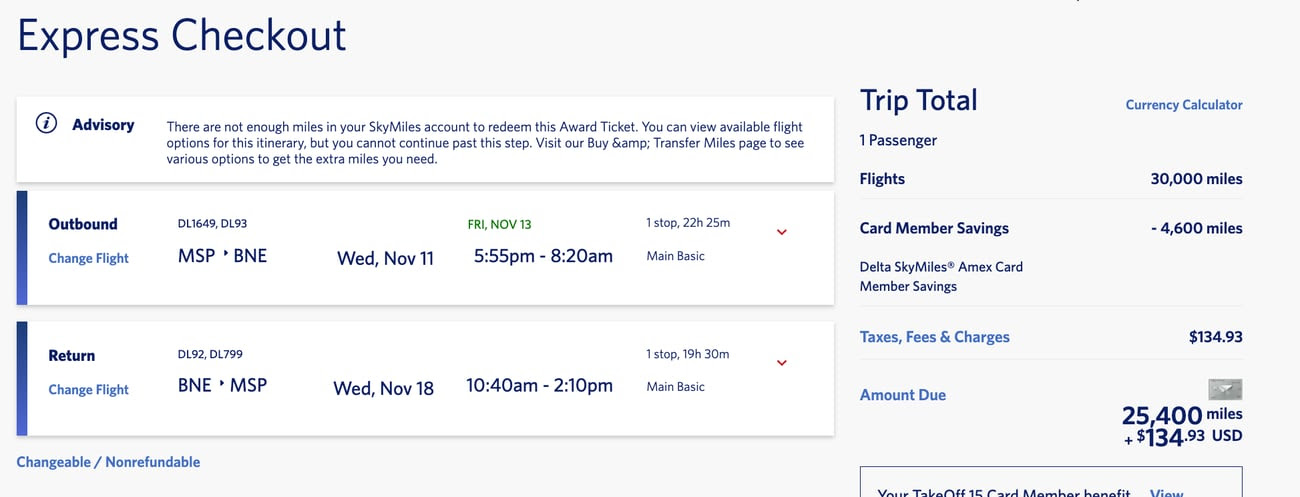
Furthermore, the structure of the deal included options for upgrades. While the 25,400-mile rate applied to Basic Economy, travelers were able to secure Main Cabin seats for an additional 12,000 to 18,000 miles. This allowed for seat selection and the ability to cancel for a full refund of miles, features that are increasingly prioritized by high-value loyalty members.
The Erosion of the Hub Penalty
One of the most notable aspects of this development is the apparent fading of the "hub penalty." Historically, Delta and its competitors have charged a premium—both in cash and in miles—for passengers flying out of their primary hubs. For example, a passenger flying from a Delta hub like Atlanta (ATL) or Salt Lake City (SLC) would often pay more than a passenger flying from a "competitor hub" like Chicago (ORD) or Denver (DEN), as the airline leveraged its dominance in its home markets.
In this instance, the 25,400-mile rate was applied democratically across the United States. This suggests a shift in Delta’s algorithmic pricing strategy, moving toward a model that prioritizes load factors on specific long-haul segments rather than maximizing revenue on a per-market basis. By allowing passengers from nearly 200 cities to access the same low rate, Delta effectively filled "distressed inventory" on its new and existing routes to the South Pacific.
Context of Delta’s Expanding Pacific Network
The timing of this award drop coincides with a significant expansion of Delta’s footprint in the South Pacific. Over the last 24 months, Delta has aggressively increased its service to Australia and New Zealand to compete with United Airlines and the Qantas-American Airlines joint venture.
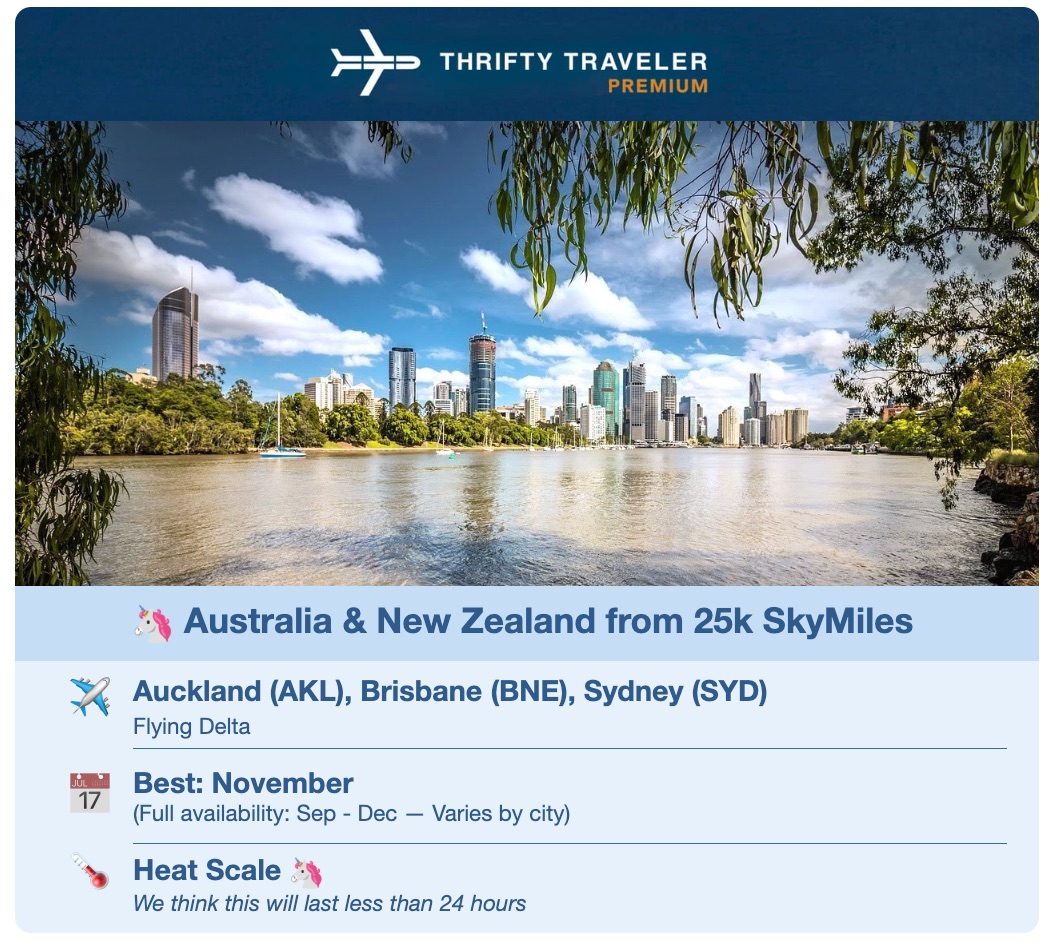
The launch of service to Auckland and the expansion of frequencies to Sydney and Brisbane have resulted in a surplus of seat capacity in a market that was previously underserved. Aviation analysts suggest that these ultra-low mileage deals serve as a dual-purpose tool: they ensure high load factors on newly inaugurated routes and act as a powerful marketing mechanism to re-engage SkyMiles members who may have been disillusioned by previous devaluations.
A New Strategy for Loyalty Engagement
Delta’s decision to stop advertising these sales on its dedicated "SkyMiles Award Deals" page represents a tactical shift. By moving toward "shadow sales," the airline creates a sense of urgency and rewards the most engaged members of the loyalty community—those who use monitoring services or frequent travel forums.
This strategy mimics the "scarcity model" used by luxury brands. When high-value redemptions are perceived as rare and difficult to find, their perceived value increases. This encourages members to maintain high mileage balances in anticipation of the next unannounced drop, thereby increasing the "stickiness" of the loyalty program and the usage of co-branded credit cards.
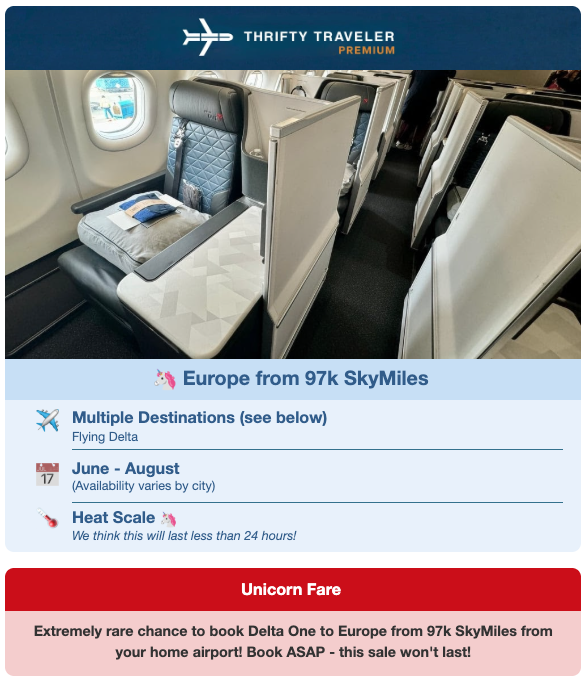
Industry experts have noted that this is not an isolated incident. Over the past several weeks, Delta has released similar unannounced deals, including:
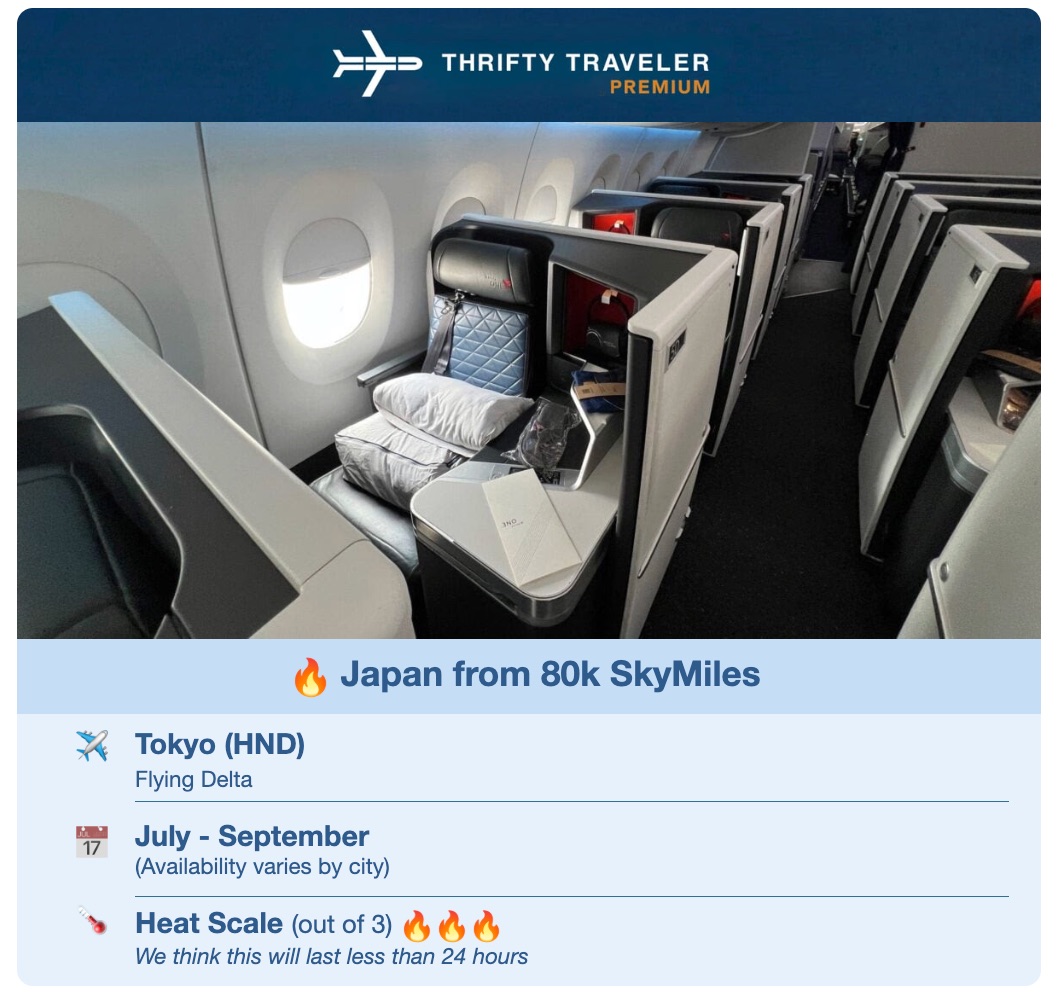
- Delta One (Business Class) to Tokyo and Hong Kong for 80,000 to 100,000 SkyMiles.
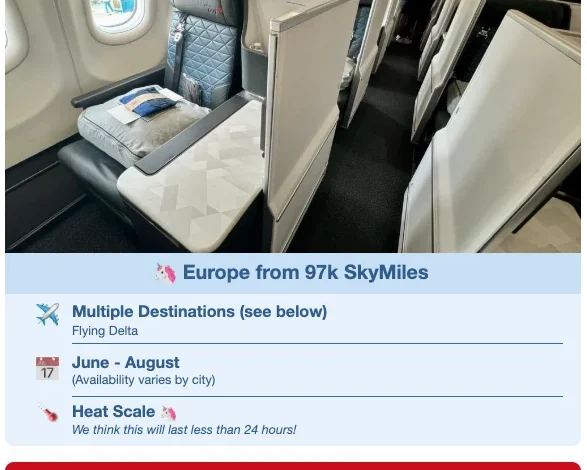
- Roundtrip Main Cabin flights to Europe for 30,000 to 40,000 SkyMiles.
- Domestic "short-hop" flights for as little as 5,000 SkyMiles.
These data points suggest that Delta is moving away from a fixed-value mindset and embracing a more volatile, but occasionally high-reward, dynamic pricing environment.
Market Implications and Competitive Response
The ripple effects of Delta’s 25,400-mile Australia deal are likely to be felt across the alliance networks. United Airlines, which has the largest U.S. presence in the South Pacific, and American Airlines will be forced to evaluate whether they must lower their own award floors to remain competitive.
For the consumer, this trend highlights the increasing importance of flexibility and speed. As airlines move toward algorithmic, unannounced pricing, the traditional method of planning a trip months in advance around a fixed mileage cost is becoming obsolete. Instead, the modern traveler must be prepared to book within minutes of a deal’s appearance.
Broader Economic Impact on Travel
The ability to travel to the other side of the world for the mileage equivalent of a domestic flight has broader implications for the tourism industries in Australia and New Zealand. Both nations have been aggressive in their post-pandemic recovery efforts, seeking to attract high-spending North American tourists. While the airfare is low in terms of miles, these travelers still contribute significantly to the local economies through spending on accommodations, dining, and tours.
From a corporate perspective, these deals allow Delta to clear its balance sheet of "loyalty debt." Miles are a liability for an airline until they are redeemed. By facilitating mass redemptions at low rates on flights that might otherwise have empty seats, Delta improves its financial health while simultaneously boosting customer satisfaction.
Conclusion: The Future of SkyMiles
The 25,400-mile roundtrip deal to Australia and New Zealand stands as a landmark moment in the evolution of airline loyalty programs. It contradicts the long-standing narrative that SkyMiles are "worthless" for international travel and suggests that Delta is willing to use its loyalty program as a precision instrument for inventory management.
While these "unicorn" deals are transitory and require significant effort to locate, they represent a new era of award travel. For Delta, the strategy appears to be working: it generates massive brand buzz, fills aircraft, and maintains the relevance of the SkyMiles currency in an increasingly competitive market. For the savvy traveler, the message is clear: the value is there, but it is no longer found on a promotional flyer; it is found by those who are watching the data in real-time.
Related posts: