Choosing the Best Stateroom on a Cruise Ship: A Comprehensive Guide to Cabin Selection and Location

The process of planning a maritime vacation begins long before the first suitcase is packed, starting with a series of strategic decisions that dictate the quality and cost of the travel experience. Once a traveler has selected a cruise line, specific vessel, and itinerary, the most critical remaining variable is the selection of a stateroom. In the cruise industry, a "stateroom" or "cabin" serves as a private residence at sea, functioning as a base of operations for the duration of the voyage. While modern mega-ships offer an expansive array of public amenities, from theaters to water parks, the stateroom remains the primary private space where passengers spend approximately one-third to one-half of their time onboard. Selecting the appropriate cabin requires a nuanced understanding of ship architecture, pricing tiers, and the physiological effects of maritime motion.
Categorization of Cruise Ship Accommodations
The cruise industry has standardized stateroom classifications into several primary tiers, though specific terminology varies by cruise line. Understanding these distinctions is essential for aligning a traveler’s budget with their expectations for comfort and views.
Interior Staterooms
Interior staterooms are located in the inner core of the ship, lacking windows or any direct access to natural light. These cabins represent the most economical entry point for cruisers. According to industry data from the Cruise Lines International Association (CLIA), interior cabins are frequently utilized by budget-conscious travelers and those who view their room primarily as a place for sleep. Some modern vessels have sought to mitigate the lack of views by installing "virtual balconies"—large high-definition screens that stream live footage from external cameras to simulate a window.
Porthole and Oceanview Staterooms
The oceanview category introduces natural light into the living space. Porthole staterooms, often found on lower decks or toward the bow, feature small, circular reinforced glass windows. Standard oceanview cabins typically offer larger, rectangular windows that do not open. These rooms provide a visual connection to the sea and the horizon, which can be a critical factor for passengers prone to claustrophobia, without the higher price point associated with outdoor access.
Balcony and Verandah Staterooms
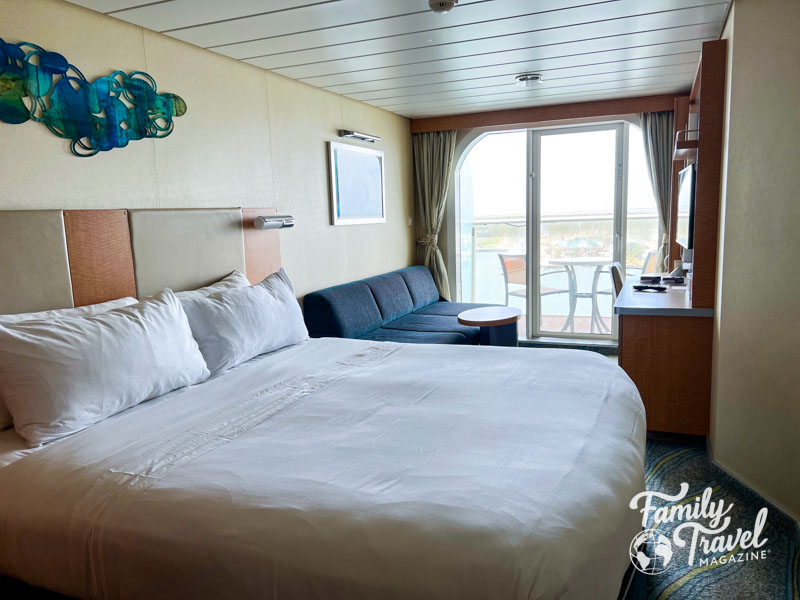
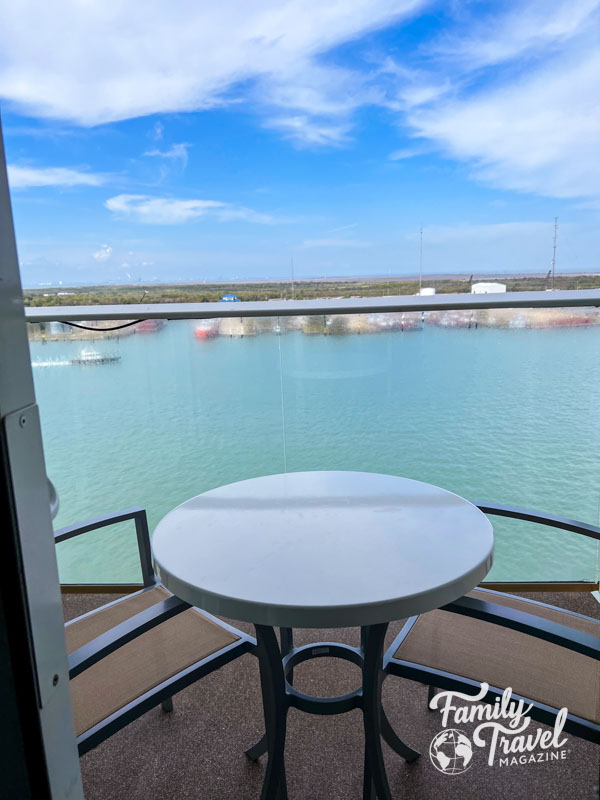
Since the early 2000s, the design of new cruise ships has shifted heavily toward maximizing balcony inventory. Often referred to as "verandahs," these rooms feature floor-to-ceiling glass doors that open onto a private outdoor deck equipped with seating. Industry analysis indicates that balcony cabins are now the most popular category for North American travelers. The ability to access fresh air and private views of the ocean or ports of call is considered a significant value-add, particularly on scenic itineraries such as those in Alaska or the Mediterranean.
Cruise Suites and Luxury Enclaves
At the top of the accommodation hierarchy are suites, which offer significantly more square footage and often include separate living and sleeping areas. Beyond physical space, suites typically grant access to exclusive "ship-within-a-ship" areas. For example, Norwegian Cruise Line’s "The Haven" and MSC Cruises’ "Yacht Club" provide suite guests with private lounges, pools, and restaurants. These accommodations often come with concierge or butler services, priority boarding, and enhanced in-room amenities.
The Strategic Importance of Cabin Location
While the type of room defines the internal environment, the location of the cabin on the ship’s deck plan determines the external experience, including noise levels, proximity to activities, and the degree of motion felt by passengers.
Vertical Positioning: Deck Levels
The vertical location of a stateroom involves a trade-off between convenience and stability. Higher decks are generally closer to the "action," including pool decks, buffet restaurants, and sports courts. However, these decks are also more susceptible to the ship’s "roll" (side-to-side motion). Conversely, lower decks are closer to the ship’s center of gravity and experience less movement, but they may be farther from outdoor amenities and closer to the mechanical sounds of the engine room or bow thrusters.
Horizontal Positioning: Forward, Aft, and Midship
The longitudinal placement of a cabin—whether it is at the front (forward), middle (midship), or back (aft) of the vessel—is a primary consideration for maritime comfort.
- Midship: Widely considered the most desirable location, midship cabins experience the least amount of "pitch" (up-and-down motion) and roll. They also offer the most centralized access to the ship’s elevator banks and stairwells.
- Forward: Cabins at the front of the ship offer unique views but are the first to encounter waves, leading to more pronounced motion in rough seas.
- Aft: Rear-facing cabins are prized for their views of the ship’s wake and typically feature larger balconies due to the ship’s hull design. However, they may be subject to more vibration from the propellers.
Environmental Noise and Obstructions
Sophisticated travelers utilize deck plans to identify potential noise "bleed" from public spaces. Professional travel advisors recommend avoiding cabins located directly beneath high-traffic areas such as nightclubs, gymnasiums with heavy weights, or the galley (kitchen), where 24-hour operations occur. Additionally, some oceanview or balcony cabins are classified as "obstructed view," meaning a lifeboat or structural pillar partially blocks the sightline. These are usually sold at a discount.
Chronology of the Stateroom Selection Process
The timeline for securing the ideal stateroom typically follows a structured path aligned with the cruise industry’s booking cycles.
- The "Wave Season" Research (January – March): This is the period when cruise lines release their most significant promotions. Travelers typically identify their preferred ship class and itinerary during this window.
- Initial Categorization: Approximately 6 to 12 months before sailing, travelers select their cabin tier based on a comparative analysis of price and desired amenities.
- Deck Plan Analysis: Once the tier is selected, the traveler or their agent reviews the ship’s schematics to identify specific cabin numbers that avoid noise or motion issues.
- The "Guaranteed" (GTY) Decision: Near the time of booking, travelers may choose a "Guaranteed" cabin. In this arrangement, the passenger pays a lower rate for a specific category but allows the cruise line to assign the specific room number later. This is an inventory management tool for the cruise line and a cost-saving measure for the passenger.
- Final Assignment and Upgrade Bidding: In the 30 to 90 days preceding embarkation, cruise lines often send "upgrade bids," allowing passengers in lower categories to bid for unsold higher-tier cabins.
Technical Data and Industry Trends
The evolution of stateroom design reflects broader shifts in consumer technology and environmental engineering. Data from shipbuilders like Meyer Werft and Fincantieri indicate that modern staterooms are increasingly modular, constructed off-site in factories and "slotted" into the ship’s steel frame during assembly.
- Space Optimization: The average standard cruise cabin ranges from 150 to 200 square feet. Designers use "smart" furniture, such as beds that can be converted from twins to a king, and split-bathroom configurations (pioneered by Disney Cruise Line) to maximize utility in small footprints.
- Connectivity: Modern ships are being retrofitted with high-speed satellite internet (such as Starlink), necessitating more power outlets and USB-C ports in staterooms to accommodate the average of 3.5 devices per passenger.
- Environmental Impact: High-efficiency HVAC systems and LED lighting are now standard in new staterooms. Many lines have also implemented key-card-controlled power systems to ensure lights and air conditioning are deactivated when the room is unoccupied.
Official Responses and Market Analysis
Cruise line executives frequently emphasize that the "stateroom mix" is a vital component of a ship’s profitability. During earnings calls, major players like Carnival Corporation and Royal Caribbean Group have noted that premium accommodations (balconies and suites) often sell out first, despite higher price points. This trend suggests a growing consumer preference for private outdoor space and exclusive amenities over the lowest possible fare.
Industry analysts suggest that the "Guaranteed" stateroom model serves as a crucial hedge for cruise lines, allowing them to fill every cabin while maintaining price integrity for those who pay a premium to select their exact location. For the consumer, the choice between a self-selected room and a guaranteed assignment represents the fundamental trade-off between control and cost.
Broader Impact and Implications
The selection of a stateroom has implications that extend beyond personal comfort. It influences the secondary spend of the passenger; for instance, a traveler who saves money on an interior cabin may be more likely to spend on "onboard revenue" items such as specialty dining, shore excursions, or spa treatments. Conversely, those in high-end suites often have these costs bundled into their fare, shifting the economic model toward a more inclusive, luxury-oriented experience.
As the cruise industry continues to expand—with an estimated 35 million passengers expected to sail annually by 2027—the competition for "prime" real estate on ships will likely intensify. The ability to navigate deck plans and understand the physics of maritime travel will remain a requisite skill for the modern traveler seeking to maximize the value of their vacation investment. Ultimately, the stateroom is more than a place to sleep; it is a calculated choice that defines the boundaries of the sea-going experience.