The Comprehensive Guide to Navigating Asheville North Carolina for Families with Infants and Toddlers

Asheville, North Carolina, has solidified its reputation as a premier destination for domestic tourism, evolving from a niche mountain retreat into a sophisticated hub for families traveling with infants and toddlers. Known historically for its architectural heritage and vibrant arts scene, the city has successfully integrated a "family-first" infrastructure that balances the needs of young children with the interests of adult travelers. This evolution is supported by a robust tourism economy; according to data from the Buncombe County Tourism Development Authority (BCTDA), visitor spending in the region reached approximately $2.6 billion in 2022, with a significant portion of that growth attributed to the family travel sector.
Historical Context and Tourism Evolution
The trajectory of Asheville as a destination began in the late 19th century when George Washington Vanderbilt II selected the area for his Biltmore Estate, completed in 1895. Throughout the 20th century, the city transitioned through various identities—from a tuberculosis sanitarium center due to its clean mountain air to a bohemian enclave in the 1970s and 80s.
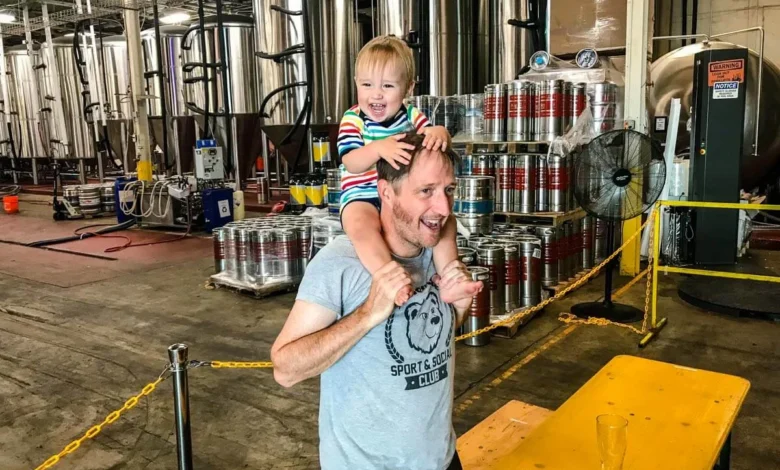
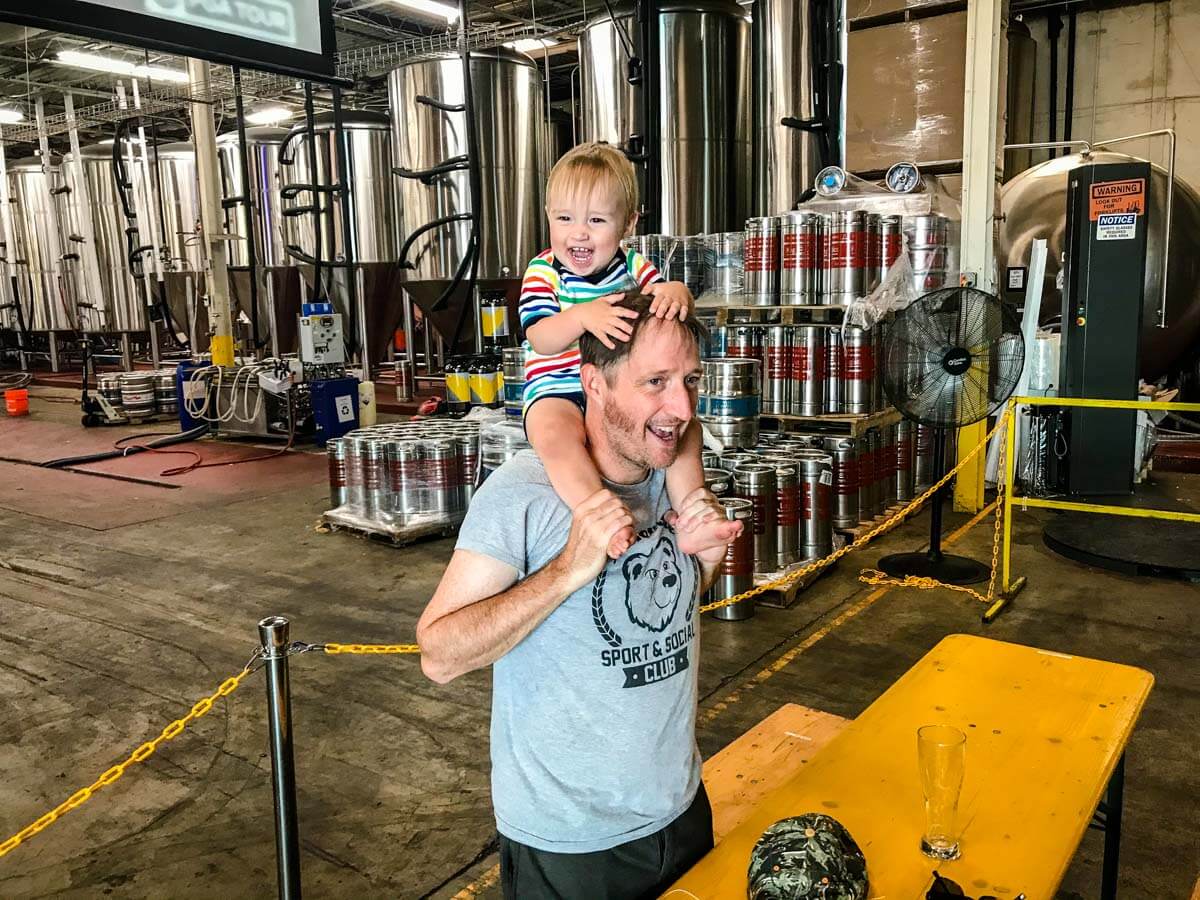
In the last decade, Asheville has seen a deliberate shift toward inclusive tourism. The rise of the "Beer City USA" moniker in the early 2010s initially attracted a younger, childless demographic. However, as that demographic aged and began families, the city’s hospitality industry adapted. Breweries began incorporating expansive green spaces, and museums developed interactive "tot-spots," creating a unique ecosystem where the needs of a three-year-old and a parent are not mutually exclusive.

Regional Connectivity and Aviation Infrastructure
For families traveling with small children, the logistics of arrival are a primary concern. Asheville Regional Airport (AVL) serves as the primary gateway and is currently undergoing a massive $400 million expansion project, titled "AVL Forward," to accommodate record-breaking passenger growth.
While AVL offers the most direct access—situated just 15 minutes from the city center—it remains a smaller regional hub. Consequently, many families utilize larger international hubs:

- Charlotte Douglas International Airport (CLT): Located approximately two hours east, providing the highest volume of direct flights.
- Greenville-Spartanburg International Airport (GSP): Located 75 minutes south in South Carolina, often serving as a middle-ground alternative for budget-conscious travelers.
Regional transit experts note that while the Asheville Redefines Transit (ART) system provides the S3 South 3 route from the airport to downtown, the frequency of service—often hourly—makes a rental car the preferred choice for those managing strollers and car seats.
Strategic Accommodations for Family Stability
The choice of lodging in Asheville often dictates the ease of the travel experience. The market is currently split between high-density downtown hotels and neighborhood-based short-term rentals.

The Urban Core
Downtown Asheville offers the advantage of walkability. Establishments such as the Renaissance Asheville Downtown Hotel have adapted to the family market by offering essential amenities like cribs, highchairs, and indoor saltwater pools, which are safer for sensitive infant skin than traditional chlorine pools. The AC Hotel by Marriott represents a newer trend: the family-friendly rooftop. Its venue, Capella on 9, provides a controlled environment where parents can experience the city’s skyline while attending to infant feeding needs.
Residential Neighborhoods
For families seeking a "home base" atmosphere, the neighborhoods of Montford and West Asheville are increasingly popular. Montford, a historic district, provides proximity to the Tempie Avery Montford Community Center, while West Asheville offers a high concentration of family-oriented eateries. These areas allow travelers to utilize services like BabyQuip, a leading baby gear rental platform that has seen significant growth in the Asheville market, providing delivered cribs, hiking carriers, and strollers to rental properties.

Navigating the Living Wage and Ethical Tourism
A distinctive feature of Asheville’s business landscape is the emphasis on social responsibility. Many family-friendly venues are certified by "Just Economics of Western North Carolina," an organization that verifies employers paying a living wage. For the traveling public, supporting these establishments is often seen as an investment in the local community’s stability.
New Belgium Brewing, for example, is a certified B Corporation. This designation indicates that the company meets high standards of verified social and environmental performance. Their Asheville facility features a fenced-in grassy field specifically designed to allow toddlers to roam safely while parents supervise from a distance, illustrating the intersection of corporate ethics and family-centric design.

Educational and Recreational Infrastructure for Toddlers
The city’s investment in public spaces has resulted in several "top-tier" playgrounds and museums that cater to the developmental stages of toddlers (ages 1–4).
Specialized Playgrounds
- Roy Pope Memorial Park: Located in Woodfin, this facility is frequently cited by local child development experts for its enclosed design. The inclusion of a giant sandpit and multiple playground structures allows for varied sensory play.
- Tempie Avery Montford Center: This site is notable for its "squishy" safety flooring, which minimizes injury risks for children who are still perfecting their gait.
Museums and Indoor Learning
The Asheville Art Museum and the Asheville Museum of Science (AMOS) have pivoted toward younger audiences. The Art Museum’s second-floor dedicated children’s room focuses on block building and tactile art creation. AMOS, though smaller in scale than metropolitan science centers, features a specialized water station and a "climb-able" solar system, which are calibrated for the height and motor skills of toddlers.

The Biltmore Estate: A Legacy of Family Tourism
As the largest privately owned house in the United States, the Biltmore Estate remains a cornerstone of the regional economy. However, navigating the 250-room mansion with a toddler requires specific planning. Management at the estate recommends that families with strollers focus on the exterior grounds, which feature paved paths suitable for lightweight travel strollers.
The Biltmore Conservatory and the surrounding gardens offer a sensory-rich environment for infants, while the Antler Hill Village section of the estate provides a farmyard experience where children can interact with animals. Data from the estate suggests that the winery is also a high-traffic area for families, as the tasting rooms are designed to be spacious enough to accommodate strollers during off-peak hours.

Nature and Outdoor Accessibility
The Blue Ridge Mountains provide an accessible outdoor experience for families using hiking carriers. The Craggy Pinnacle Trail, located off the Blue Ridge Parkway, is a frequently recommended route due to its relatively short distance and high-reward vistas. Closer to the city, the Beaver Lake Bird Sanctuary provides a flat, though unpaved, walking circuit.
Local conservationists emphasize that while these paths are "toddler-friendly," the terrain of the Southern Appalachians requires sturdy footwear and an awareness of rapid weather changes. The French Broad River, one of the oldest rivers in the world, also offers riverside parks like Roy Pope, where the proximity to water is balanced by safe, fenced boundaries.

Economic Implications and Future Outlook
The rise of Asheville as a family-friendly destination has significant economic implications. By catering to families, the city has successfully extended its "peak season." While autumn remains the most popular time for leaf-peeping, the family market drives consistent traffic during spring breaks and summer vacations.
However, this growth brings challenges. The BCTDA and city planners are currently grappling with the balance of tourism-driven revenue and the cost of living for residents. The "living wage" movement mentioned by local businesses is a direct response to the rising housing costs associated with a high-demand tourism economy.

For the traveler, Asheville represents a successful model of how a city can maintain its cultural "cool" while being pragmatically accessible for the youngest generation. The integration of high-end culinary experiences with arcade games (Asheville Brewing Company) and the transformation of industrial spaces into safe riverside parks (Wedge Brewing) suggests that the future of urban tourism lies in multi-generational appeal.
Fact-Based Travel Summary for Families
To ensure a seamless visit, families are encouraged to adhere to the following data-backed recommendations:

- Transport: Rent a vehicle at AVL to navigate the 20-to-60-minute drives required for the most spacious breweries like Fonta Flora or Sierra Nevada.
- Supplies: Utilize major hubs like Harris Teeter or the French Broad Co-op for organic infant supplies, as smaller boutique shops in the city center may have limited stock.
- Timing: Visit the WNC Nature Center or the Asheville Tourists baseball games during weekday mornings or "Family Fun Day" promotions to avoid the peak crowds of Saturday afternoons.
- Gear: Prioritize a sturdy hiking carrier over a traditional stroller if planning to explore the Blue Ridge Parkway, as many scenic overlooks involve uneven stone steps.
Asheville continues to refine its identity, proving that the mountain charm that drew the Vanderbilts over a century ago can be modernly adapted for the smallest of travelers. Through strategic infrastructure, ethical business practices, and a commitment to public recreational spaces, the city remains a benchmark for family-oriented travel in the American South.