As the fall season approaches, the hospitality industry has increasingly pivoted toward "spooky tourism," transforming historic properties and luxury resorts into immersive Halloween destinations. For 2026, travel data indicates a significant rise in demand for themed hotel packages, with occupancy rates for late-October weekends in "haunted" regions trending 15 to 20 percent higher than in previous years. This surge reflects a broader consumer shift toward experiential travel, where guests seek more than just accommodations—they desire curated, atmospheric programming. From the paranormal intrigue of Salem to the high-end masquerades of Virginia, the following analysis details the premier hospitality offerings for the 2026 Halloween season.
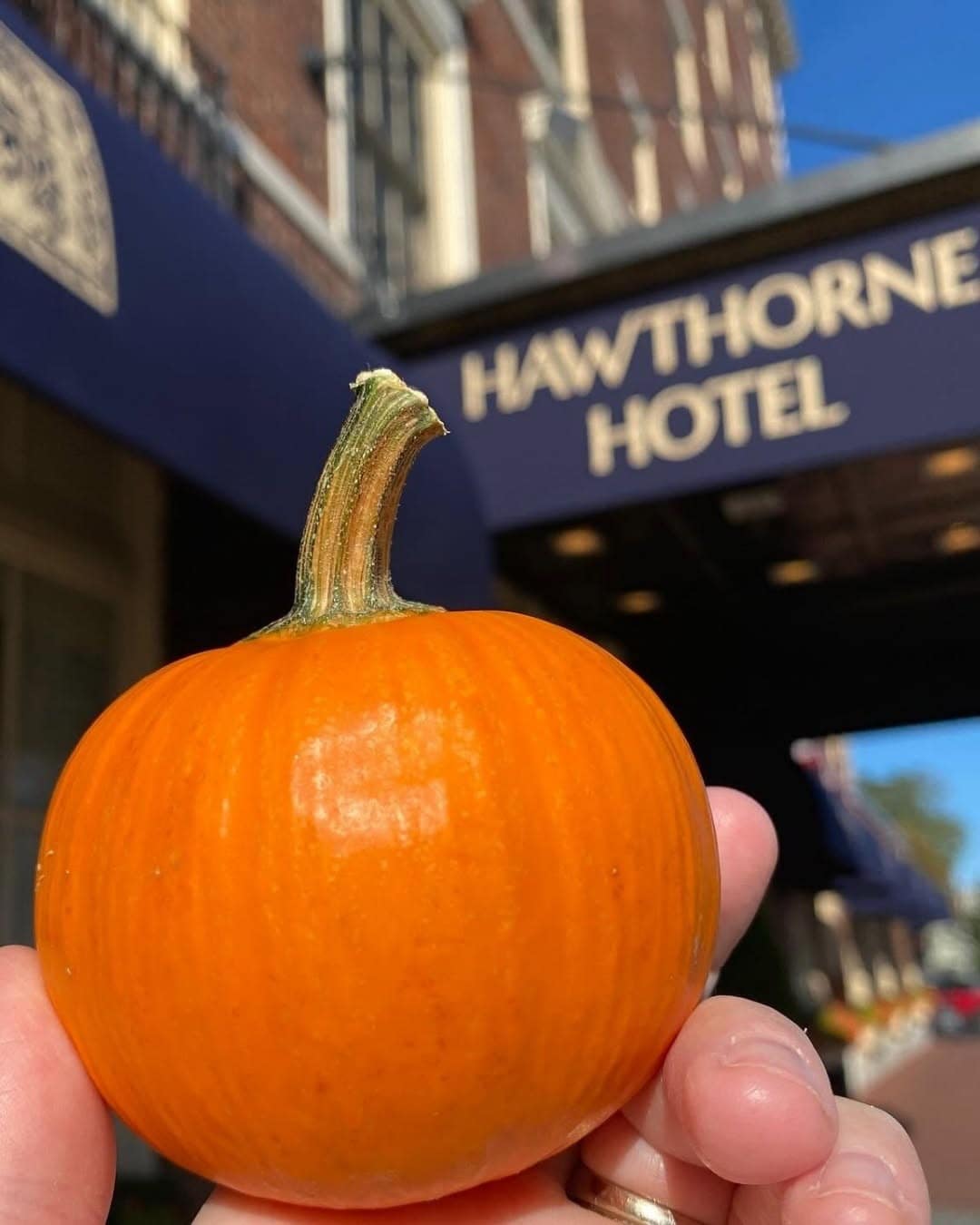
The Evolution of Haunted Hospitality in Salem, Massachusetts
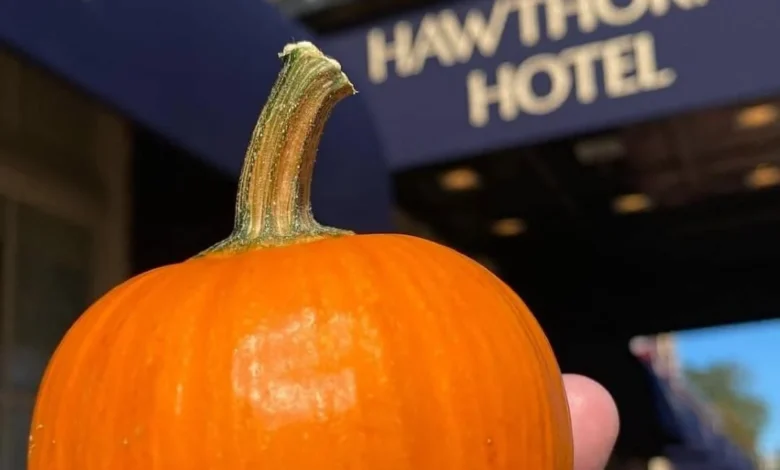
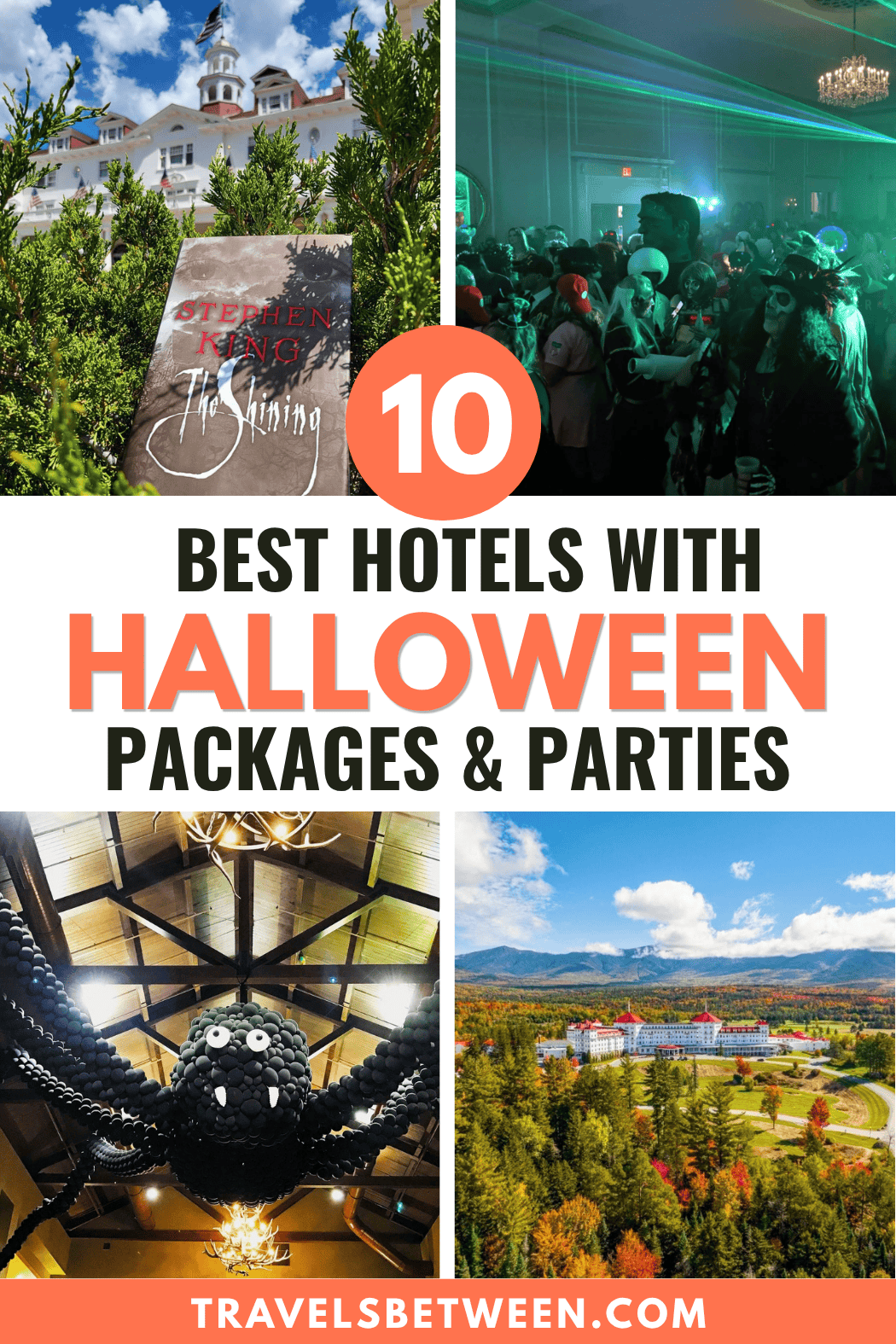
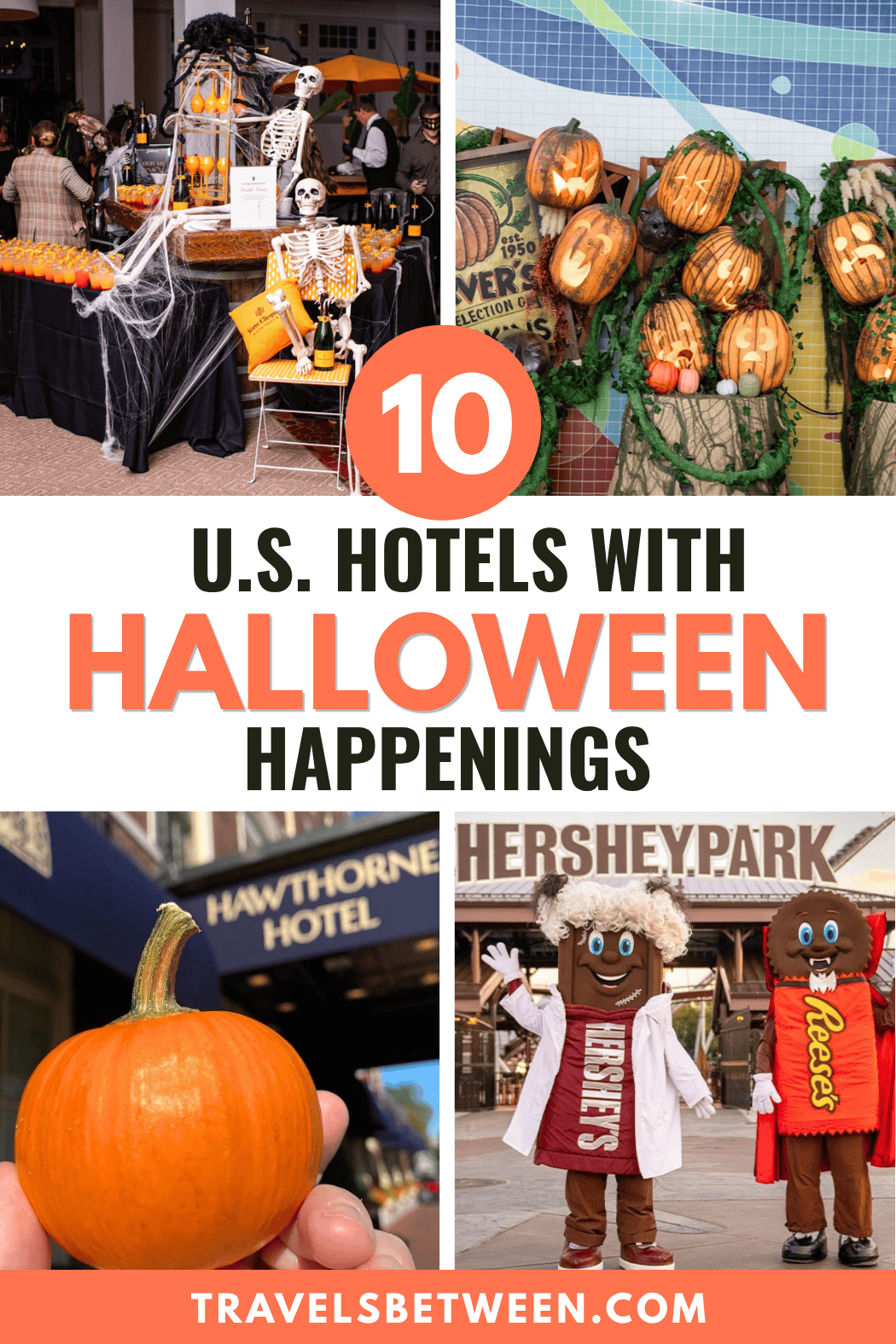
The Hawthorne Hotel in Salem remains a focal point for seasonal tourism, leveraging its proximity to the epicenter of 17th-century witch-trial history. The property, which dates back to 1925, has long been a subject of paranormal investigation, consistently appearing on registries of America’s most haunted locations.
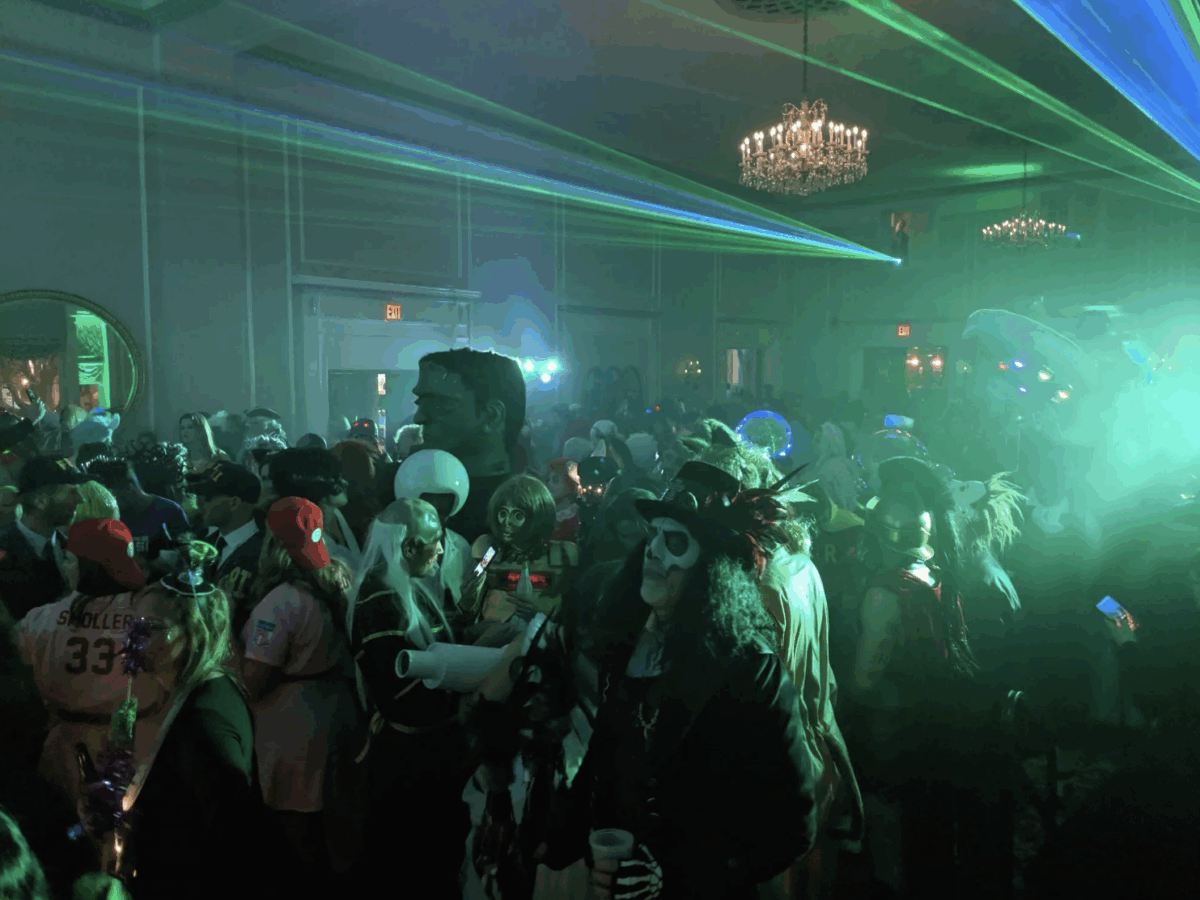
The hotel’s flagship event, the annual Halloween Ball, has evolved into a highly selective engagement. Scheduled for October 24, 2026, the event centers on the theme "Phobia," a psychological exploration of human fear. Unlike standard hotel programming, the Hawthorne enforces a strict policy requiring a three-night stay, a decision that ensures exclusivity while stabilizing revenue during the high-demand October window. For families, the "Hocus Pocus" package provides a less intense, historical alternative, mapping the filming locations of the iconic 1993 film. The commercial success of these packages demonstrates the economic viability of leveraging local folklore to drive off-season occupancy.
Alpine Festivities: Omni Mount Washington Resort
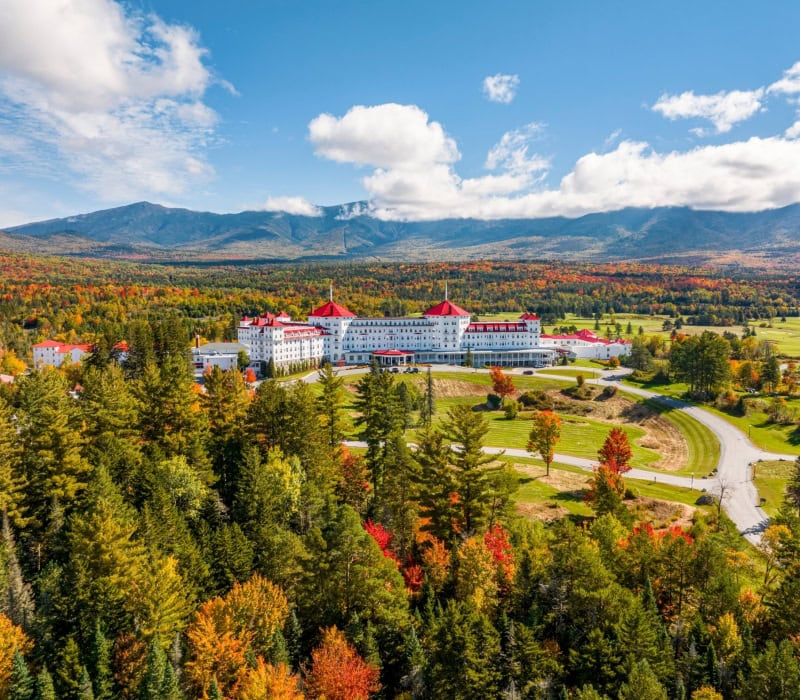
In Bretton Woods, New Hampshire, the Omni Mount Washington Resort utilizes its landscape to blend traditional European seasonal celebrations with American Halloween customs. The resort’s strategy involves a dual-phase approach: an early October Oktoberfest to capitalize on the peak foliage window, followed by a late-month "Halloweekend" designed for high-density family engagement.
The resort’s 2026 calendar includes a "Spirits After Dark" bash on October 31, catering to the adult demographic, while daylight hours are reserved for a comprehensive suite of family activities, including the "Monster Cookie" decorating workshop and a progressive movie marathon. By offering shuttle services to local festivals and hosting on-site stein-hoisting contests, the resort maximizes its expansive property footprint, effectively creating a self-contained destination that minimizes the need for guests to leave the premises.
The North American "Howl-O-Ween" Model
Great Wolf Lodge, operating 22 locations across North America, provides a standardized but scalable model for family-oriented Halloween travel. The "Howl-O-Ween" program, running from September 24 through October 31, 2026, demonstrates the effectiveness of corporate-wide thematic branding.
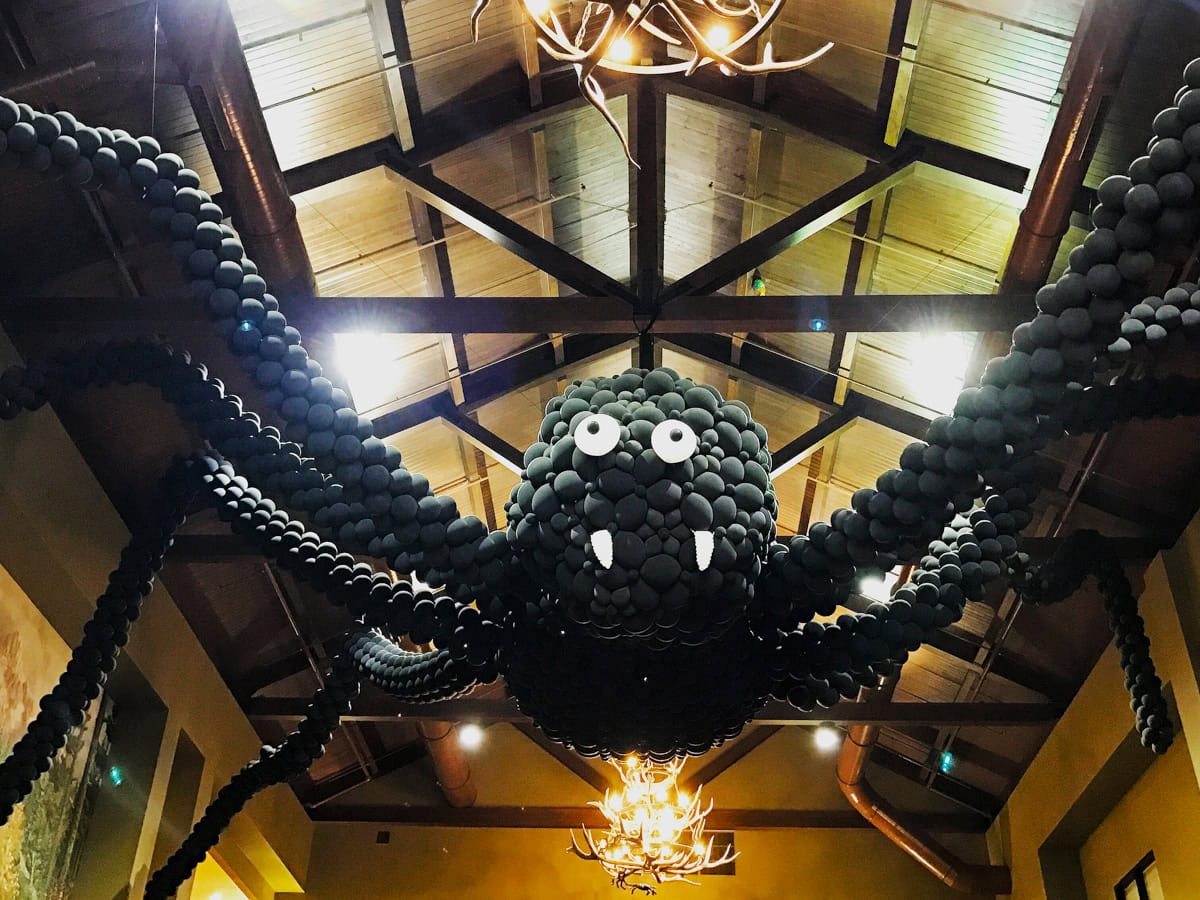
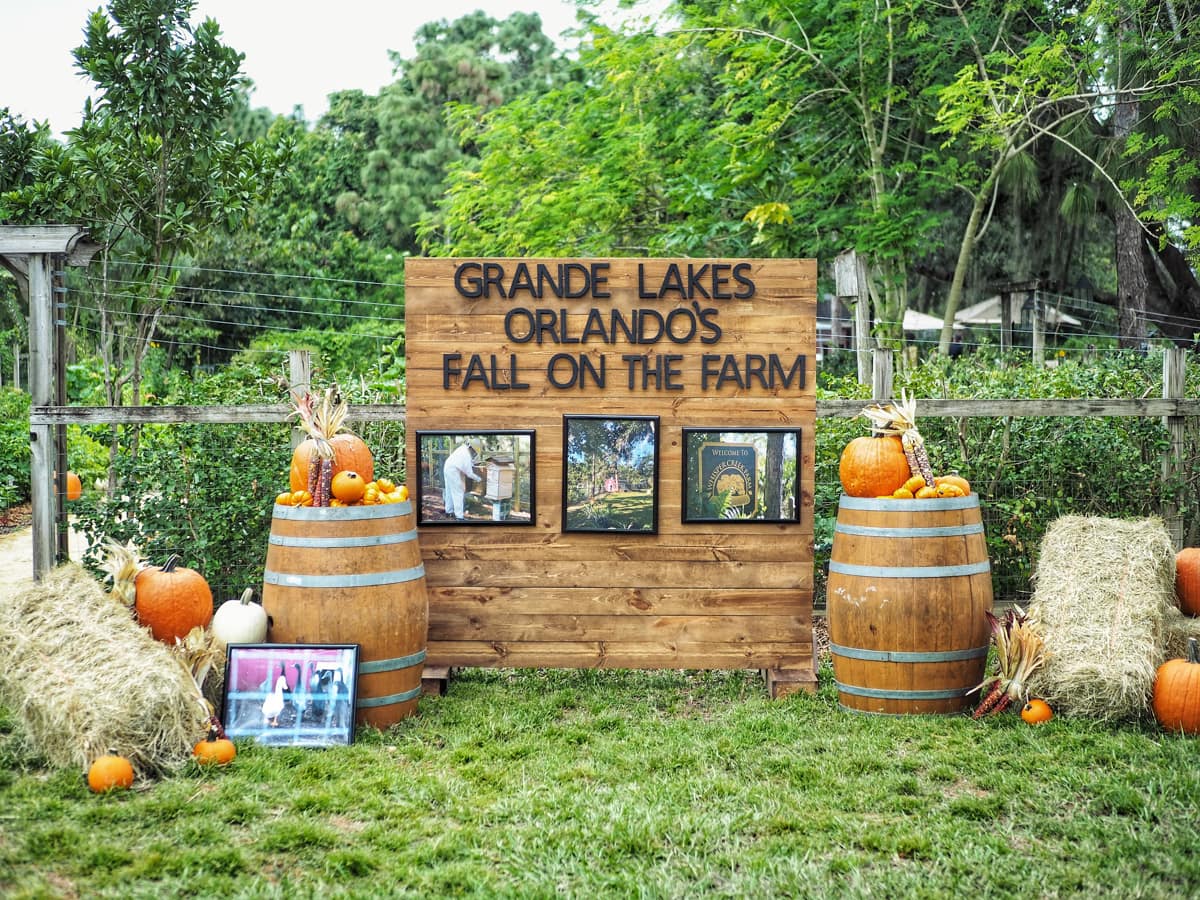
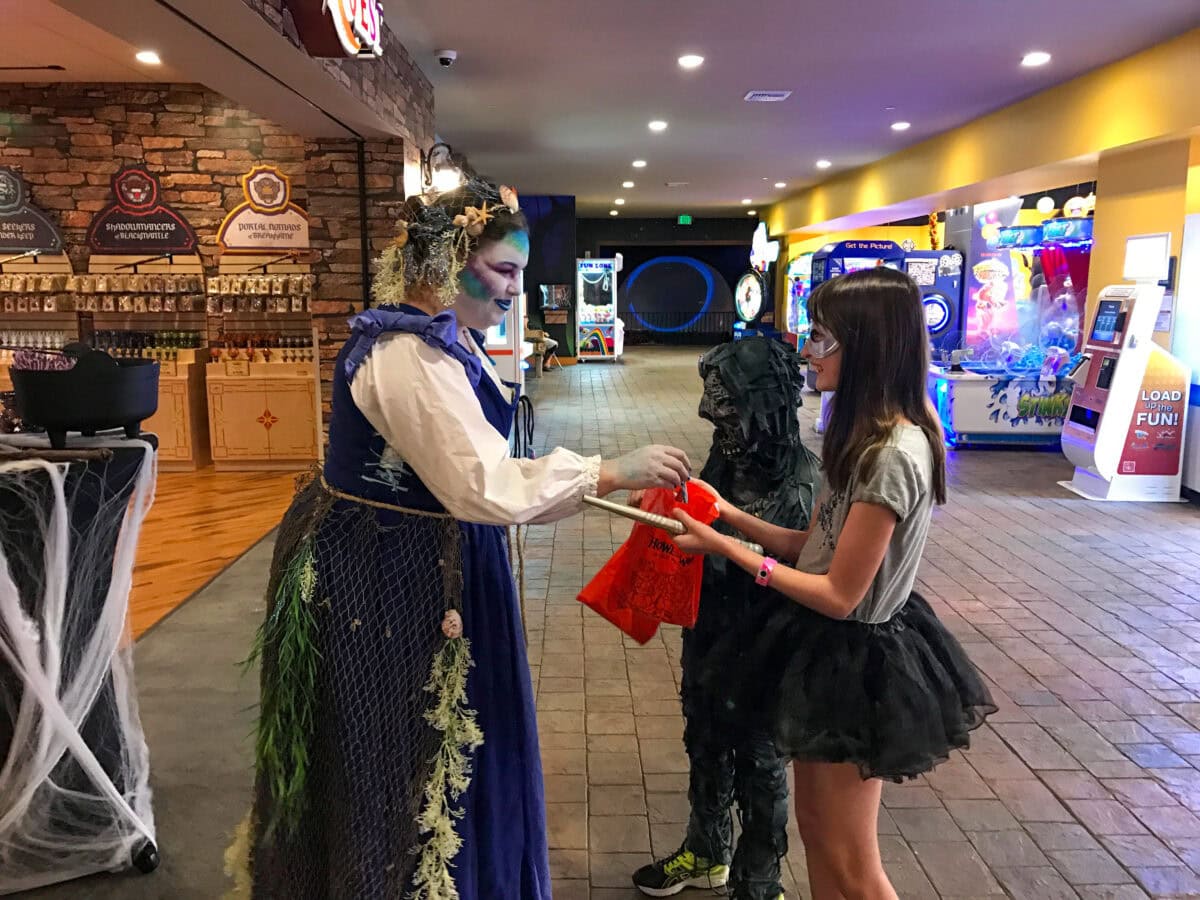
By integrating Halloween décor—such as spider-shaped installations and pumpkin patches—with existing indoor water park facilities, the brand maintains high guest satisfaction ratings during the transition from summer to winter seasons. Data from the company suggests that these seasonal activations increase ancillary spending on food, beverage, and merchandise by approximately 12 percent compared to non-holiday periods. The "Trick-or-Treat Trail" has become a cornerstone of this offering, providing a controlled environment for children to engage in seasonal activities without the logistical complexities of urban trick-or-treating.
Literary Hauntings: The Stanley Hotel
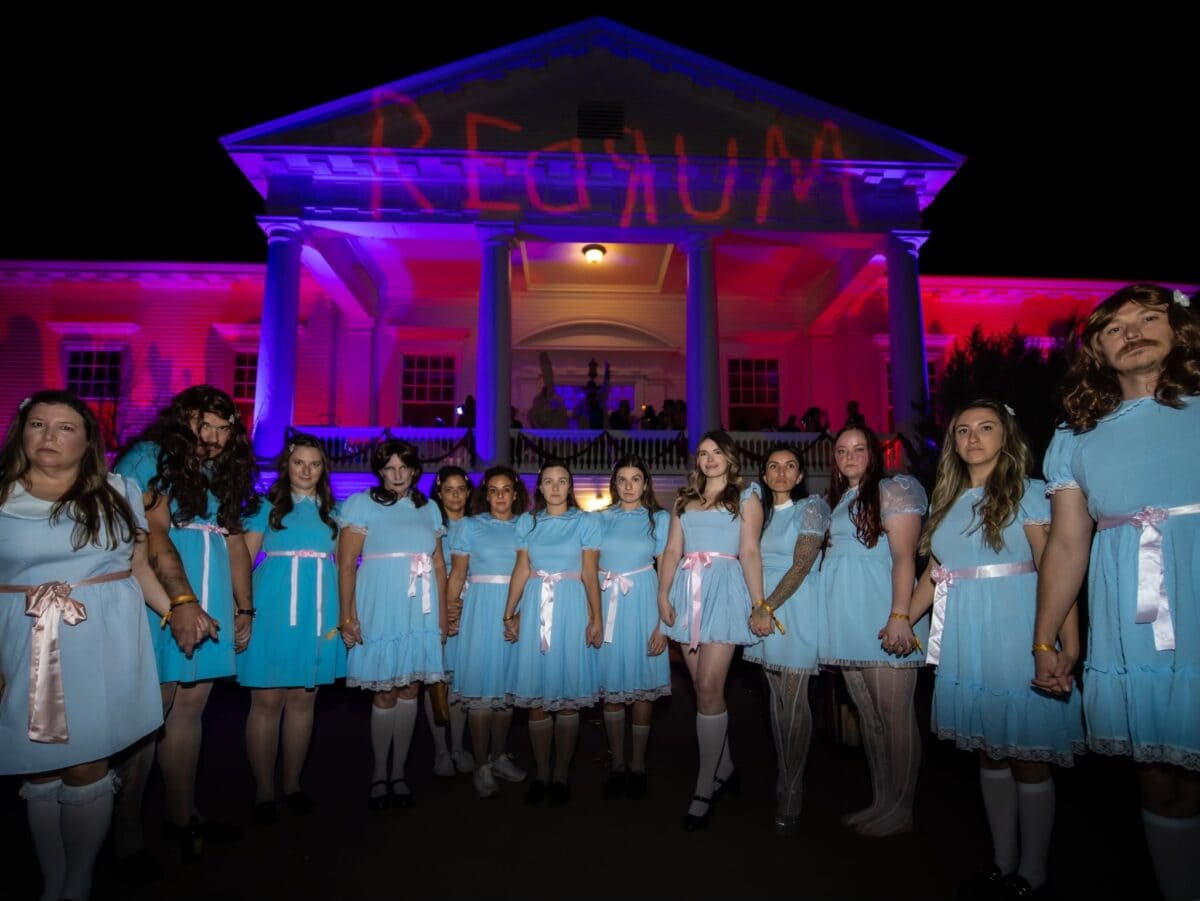
Estes Park, Colorado, is home to The Stanley Hotel, a property whose historical significance is inextricably linked to Stephen King’s 1977 novel, The Shining. The hotel’s management has leaned into this literary history, transforming it into a brand pillar.
"The Shining Ball," held annually, serves as a cultural nexus for fans of the horror genre. The event on October 24, 2026, will feature high-production-value elements including immersive photo booths, tarot readings, and a costume contest that incentivizes high-effort participation through cash prizes and room credits. The hotel’s ability to sustain its reputation as a "haunted" destination through year-round tours and seances provides a constant stream of revenue, but it is the October events that command premium pricing, often selling out months in advance.
The Convergence of Theme Parks and Hospitality: Hershey and Orlando
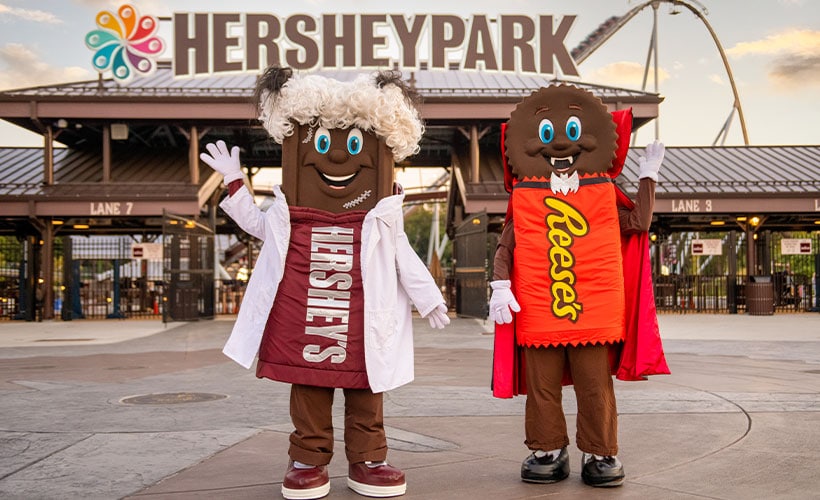
The integration of amusement park entertainment into hotel packages has become a dominant trend in Pennsylvania and Florida. Hersheypark’s "Dark Nights" program represents a sophisticated tier of immersive haunt experiences. By bundling "Dark Nights" access, which includes five haunted houses and scare zones, with luxury accommodations at The Hotel Hershey or the Hershey Lodge, the company captures both the thrill-seeker and the family demographic.
In Orlando, the strategy is even more pronounced. The Universal Orlando Resort leverages its proximity to "Halloween Horror Nights" to drive bookings at properties like Loews Portofino Bay Hotel and Cabana Bay Beach Resort. By offering bundled packages that include Express Passes, the resort solves a significant consumer pain point: wait times at popular haunted houses. This vertical integration—owning the attraction and the lodging—allows Universal to dictate the pace of the guest experience, ensuring that those who pay for the premium hotel package are guaranteed a seamless transit from room to park.
Luxury Masquerades: The Cavalier Resort
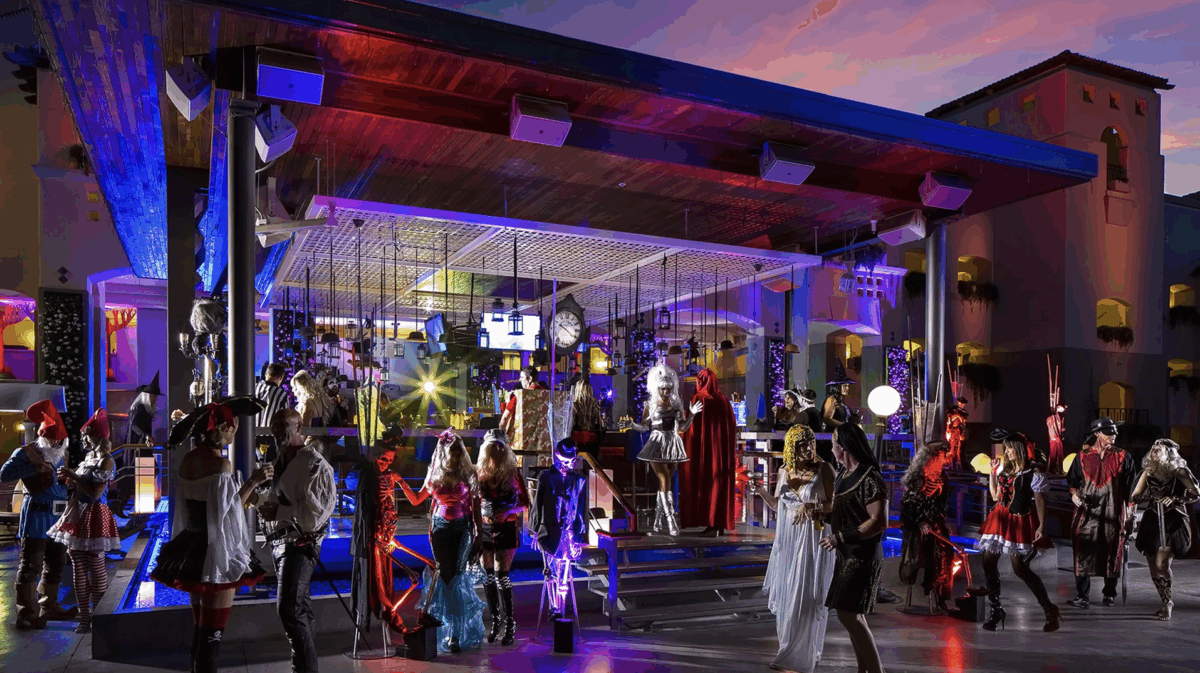
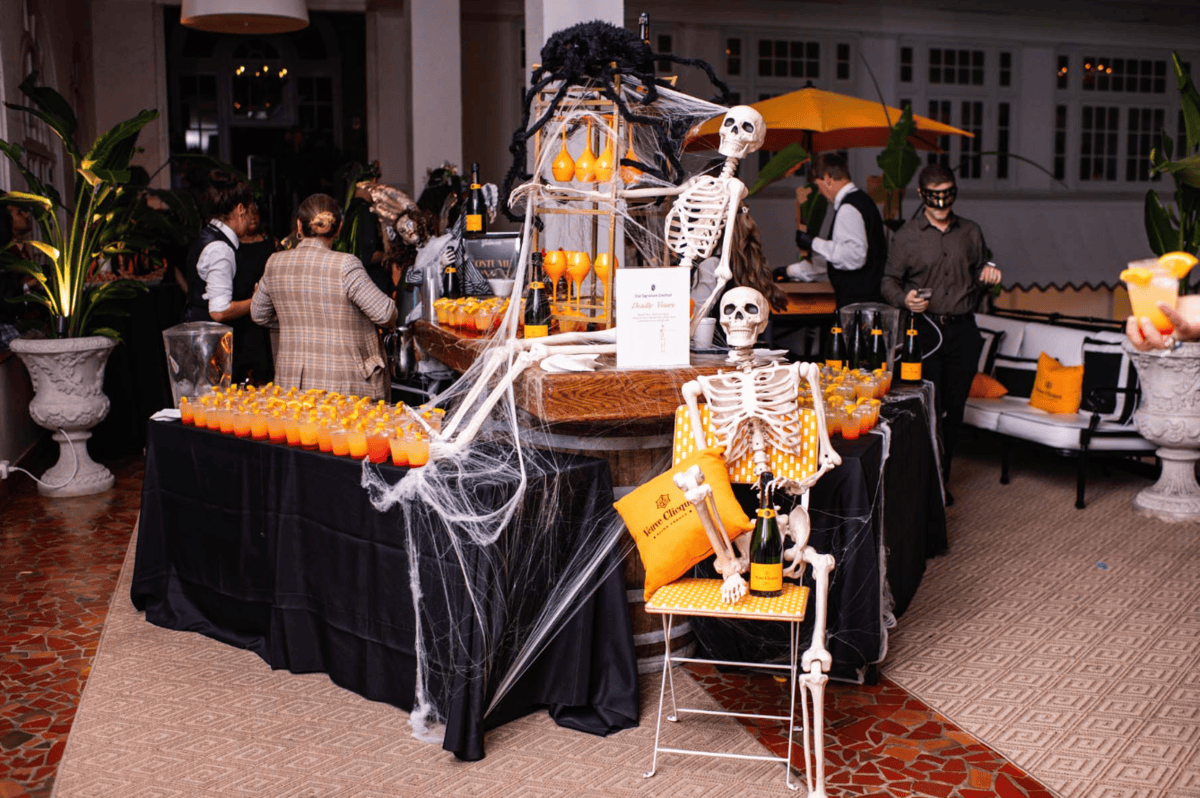
The Cavalier Resort in Virginia Beach offers a contrast to the high-intensity thrills of theme parks, focusing instead on "elevated" Halloween experiences. The "Yelloween" event, a partnership with Veuve Clicquot, targets an older, affluent demographic. By blending champagne service with a costume contest, the property repositions Halloween from a children’s holiday to a luxury social event. This approach acknowledges the growing segment of adult travelers who seek the aesthetic of the season—the "moody" lighting and autumnal decor—without the inclusion of traditional "scare" tactics.
Strategic Implications and Market Analysis
The proliferation of these events signifies a broader trend in the travel industry: the "eventization" of the hotel stay. Properties are no longer merely providing shelter; they are acting as curators of a specific lifestyle experience.
- Revenue Management: By requiring multi-night minimum stays during Halloween weekends, hotels can manage labor costs more efficiently and increase average daily rates (ADR).
- Operational Logistics: The success of events at properties like The Stanley or the Hawthorne Hotel relies on balancing "haunted" branding with modern safety and service standards.
- Consumer Demographics: Market segmentation is clearly visible in the programming. Family-oriented resorts prioritize "trick-or-treat" trails and crafts, while luxury and historic properties lean toward "adults-only" masquerades and high-end beverage partnerships.
As of late 2026, the industry is witnessing a shift where "seasonal programming" is becoming a mandatory component of a competitive hotel’s annual marketing budget. The reliance on themes—whether it be the "Phobia" theme in Salem or the "Nightmare on Princess Drive" in Scottsdale—allows properties to differentiate themselves in an increasingly crowded travel market. For the consumer, this translates into a higher degree of variety in how the Halloween season can be experienced, moving from traditional neighborhood activities to curated, high-production vacations.
Looking toward 2027, industry analysts expect this trend to expand, with more properties investing in permanent or semi-permanent "scare" infrastructure. The ability to pivot a property’s identity to align with the cultural zeitgeist of the Halloween season is currently one of the most effective tools for maintaining high occupancy during the traditional shoulder season of autumn. As these programs become more complex, the distinction between a hotel stay and a thematic performance will continue to blur, offering travelers increasingly immersive ways to celebrate the season.