Fly Tot Review: An Analysis of Inflatable Airplane Travel Beds for Families with Young Children

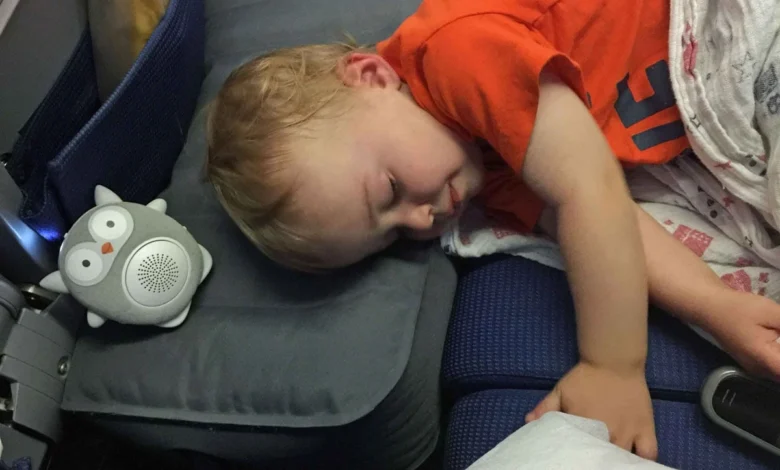
The challenge of ensuring adequate rest for toddlers during long-haul international flights has long been a primary concern for traveling families. As commercial aviation remains a space-constrained environment, the emergence of inflatable leg-rest cushions, such as the Fly Tot, represents a notable development in the niche market of child-travel accessories. By bridging the gap between an economy seat and the seat in front, these devices aim to transform standard seating into a flat surface, potentially mitigating the physical and behavioral fatigue often associated with confined air travel.

Evolution of the Inflatable Airplane Bed Market
The concept of the "airplane travel bed" for children gained significant traction approximately a decade ago. Initially, parents relied on improvised solutions or sought out premium cabin configurations to manage the physical needs of toddlers on extended flights. The Original Fly Tot emerged as one of the first commercially available solutions specifically engineered for the dimensions of an economy airplane seat.
Over the last ten years, the product line has evolved, culminating in the release of the Fly Tot Plus. This iteration reflects a broader industry trend toward enhanced safety features and user-friendly ergonomics. Key technical advancements in the current model include a patented two-width design to accommodate varying seat pitches and a specialized safety release valve. This valve is engineered to deflate the cushion automatically in response to sudden cabin pressure fluctuations, addressing concerns regarding emergency protocols.

Technical Specifications and Operational Enhancements
The current generation of inflatable travel cushions, specifically the Fly Tot Plus, is designed for children between the ages of two and eight. Unlike earlier versions that were utilized for infants, current manufacturer guidelines emphasize a shift toward older toddlers and young children. This shift in age-appropriateness aligns with the physical size of the cushion and the intended use of the child’s existing seat belt.
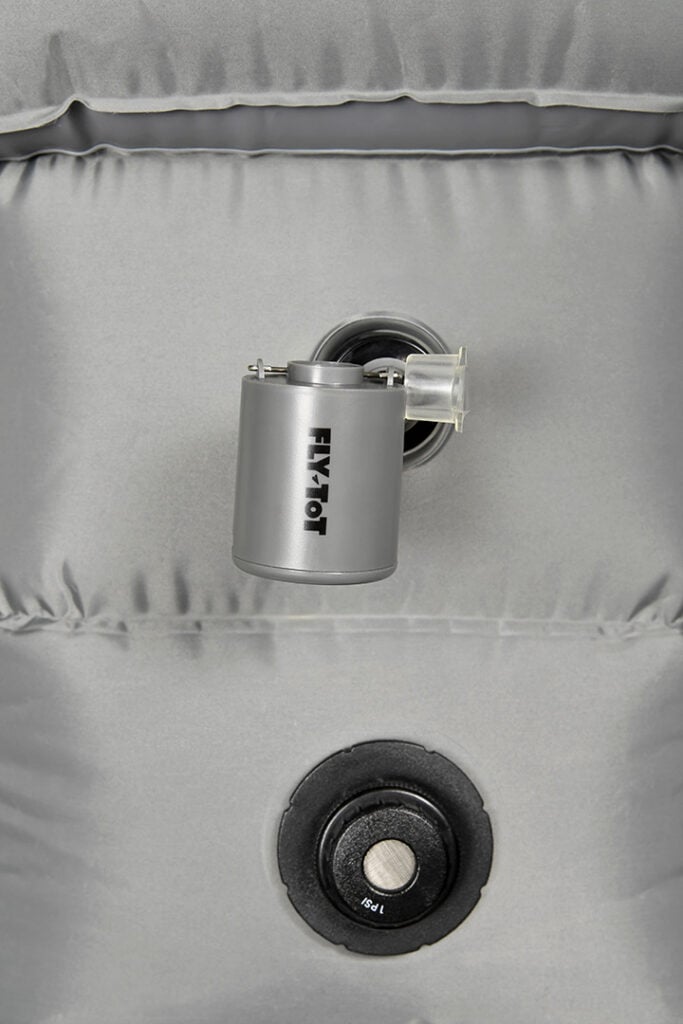
A significant operational upgrade in the modern iteration is the inclusion of a rechargeable, compact electric pump. Historically, the manual inflation process required considerable physical effort and consumed valuable cabin space. The transition to a "Tiny Pump" system—capable of inflating the unit in under 60 seconds—demonstrates a move toward minimizing the logistical burden of the device. Furthermore, the incorporation of a tapered design allows for better clearance of under-seat equipment, such as life vests and in-flight entertainment electronics, which are standard in modern long-haul aircraft.
Regulatory Landscape and Airline Policies
The implementation of inflatable cushions on commercial flights remains subject to the stringent regulatory frameworks of individual airlines. There is currently no universal global policy governing the use of these devices. Consequently, passengers are often caught in a fragmented landscape of carrier-specific rules.
Many major international airlines, including several in the Asia-Pacific and European regions, have established clear guidelines regarding seat-extender cushions. Generally, these policies mandate that the device must not block access to emergency exits, must not impede the path of other passengers, and must be deflated during taxi, takeoff, and landing. Furthermore, the final authority on the deployment of any child-comfort device rests with the cabin crew.

Industry analysts observe that while some airlines embrace these devices as a tool to improve the passenger experience for families, others prohibit them due to concerns regarding potential obstruction of evacuation routes or interference with the deployment of under-seat airbags. It is estimated that roughly 30% to 40% of international carriers have specific, documented policies regarding such devices, while others treat them on a case-by-case basis.
Impact on Family Travel Dynamics
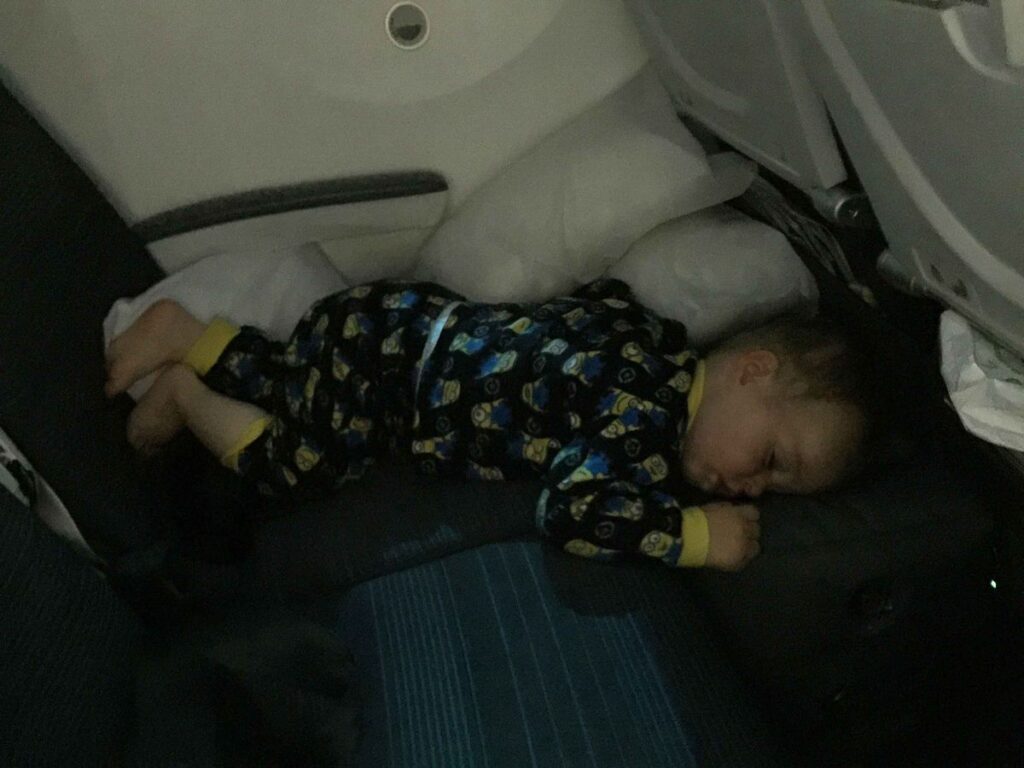
Data gathered from long-haul flight experiences suggests that the use of an inflatable bed can significantly alter the trajectory of a flight for families. For children in the two-to-eight age range, the ability to transition from a seated position to a recumbent one is often the difference between a state of agitation and rest.

From an observational standpoint, the benefits extend beyond the child. When a toddler is contained in a flat-lying area, the physical burden on parents—who would otherwise hold the child for extended periods—is reduced. This enables parents to manage their own rest cycles more effectively, which in turn leads to a more stable environment for the entire cabin. However, it is important to distinguish that these products do not function as a child restraint system. Children must remain secured with the airplane’s seat belt at all times while seated, regardless of the presence of an inflatable cushion.
Comparative Analysis of Market Alternatives
The market for travel beds now features several distinct design philosophies. The Fly Tot operates by filling the footwell entirely to create a platform. Conversely, competitors such as the Flyaway Kids Bed employ a design that uses the seat as a support to create a raised, horizontal platform.

The choice between these products often comes down to individual aircraft configuration and personal preference. The Fly Tot’s primary advantage is its simplicity and stability as a floor-based cushion, whereas alternative designs may offer more flexibility in how they interact with seat-back trays or existing armrests. When selecting an accessory, parents are advised to review the specific dimensions of their aircraft, as the seat pitch—the distance between one point on a seat and the same point on the seat in front—varies significantly between economy, premium economy, and long-haul wide-body jets.
Best Practices for In-Flight Deployment
For families intending to utilize an inflatable bed, technical preparation is essential. The following steps are consistently recommended by travel experts:
- Advance Verification: Confirm the airline’s policy in writing. If an airline does not have a public policy, reaching out to the customer service department for a written acknowledgment can prevent disputes during boarding.
- Strategic Seat Selection: Window seats are universally preferred for the use of such devices. This positioning ensures that the child is not blocking the path of other passengers, adhering to standard safety requirements for cabin egress.
- Synchronization with Flight Routine: Timing is critical. Experts suggest waiting until the meal service has concluded and the cabin lights have been dimmed before initiating the inflation process. This prevents the obstruction of crew during critical service periods.
- Compliance with Safety Signage: Whenever the "fasten seatbelt" sign is illuminated, the device must be stowed, or the child must be adjusted into a standard seated position. Failure to comply with these requests can lead to the device being confiscated or a formal warning from flight crew.
Socio-Economic Implications and Long-Term Value
The investment in an inflatable travel bed is often evaluated against the frequency of travel. For families undertaking infrequent, short-haul domestic flights, the cost and the logistical requirement of carrying the device may outweigh the benefits. However, for families engaged in frequent international transit, the device is increasingly viewed as a standard piece of travel equipment, similar to a portable white noise machine or a dedicated car seat.
The economic impact of a well-rested child upon arrival cannot be understated. Jet lag and travel fatigue are exacerbated by poor sleep quality in transit. By facilitating a more natural sleep position, these devices may contribute to a faster adjustment period at the final destination, potentially allowing for more productive or enjoyable family vacations.

Conclusion and Future Outlook
The Fly Tot and its contemporaries reflect an industry response to the growing demographic of millennial and Gen Z parents who prioritize both travel and family comfort. As airlines continue to modernize their cabin interiors, the compatibility of these devices will likely remain a topic of discussion between manufacturers and aviation safety authorities.
While the technology for inflatables has matured, the responsibility remains with the consumer to stay informed regarding carrier regulations. The core value of these products—the provision of space—will remain a critical factor in the travel landscape, provided that safety remains the primary consideration in their design and implementation. For the modern family, the ability to transform a rigid, narrow economy seat into a more accommodating space is a significant advancement, provided it is managed with respect for fellow passengers and adherence to international aviation safety standards.