The Comprehensive Guide to Navigating Asheville North Carolina with Toddlers and Infants


Asheville, North Carolina, has solidified its reputation as a premier destination for family-centric travel, offering a unique blend of Appalachian culture, sophisticated culinary offerings, and accessible outdoor recreation. For families traveling with toddlers and infants, the city provides a diverse infrastructure of parks, museums, and unconventional family-friendly spaces like craft breweries. This guide examines the logistical requirements, neighborhood characteristics, and educational opportunities available for those navigating the "Land of the Sky" with young children.
Regional Connectivity and Transit Logistics
Travelers approaching Asheville must consider a variety of transportation nodes. While the Asheville Regional Airport (AVL) is the most convenient entry point, located approximately 15 minutes from the city center, it remains a smaller facility with a focused number of direct flights. Data from recent years indicates that AVL is one of the fastest-growing small airports in the United States, yet many visitors still find it more cost-effective to fly into larger hubs. Charlotte Douglas International Airport (CLT) in North Carolina and Greenville-Spartanburg International Airport (GSP) in South Carolina serve as primary alternatives, located approximately two and one-and-a-half hours away, respectively.
Public transit within the region remains a challenge for families. The Asheville Rides Transit (ART) system offers the S3 South 3 route, which connects the airport to the central ART Station downtown. However, frequency and coverage are often cited by transit analysts as limitations for those with rigid toddler schedules. Consequently, car rentals are the dominant choice for family travelers.

For those looking to minimize luggage, the rise of the "baby gear sharing economy" has reached Asheville. Companies like BabyQuip allow visitors to rent high-end strollers, cribs, and car seats, which are often delivered directly to hotels or vacation rentals. This service addresses a critical gap, as many airport rental car agencies do not guarantee the availability of specific child safety seats.
Neighborhood Analysis and Accommodations
The selection of a home base in Asheville significantly impacts the ease of travel with small children. The city’s geography is divided into distinct neighborhoods, each offering different levels of walkability and access to services.

Downtown Asheville
Staying in the urban core is recommended for families prioritizing walkability. The Renaissance Asheville Downtown Hotel is a notable facility for its family-oriented amenities, including indoor saltwater pools and available cribs. Downtown provides immediate access to the French Broad Food Co-op, a critical resource for organic baby supplies, diapers, and locally sourced produce.
Montford and West Asheville
For a more residential experience, the historic Montford district and the eclectic West Asheville neighborhood are preferred. Montford is characterized by its proximity to the Tempie Avery Montford Community Center, which features modern playground equipment and soft-surfaced flooring designed for toddler safety. West Asheville offers a high concentration of independent restaurants and "living wage" certified businesses, aligning with the city’s strong community-focused ethos.

Suburban Enclaves
Towns such as Weaverville, Black Mountain, and Mills River offer more spacious accommodations, often at a lower price point than the city center. These areas are ideal for families seeking a quieter environment, though they necessitate a vehicle for all sightseeing activities.
The Evolution of Family-Friendly Craft Culture
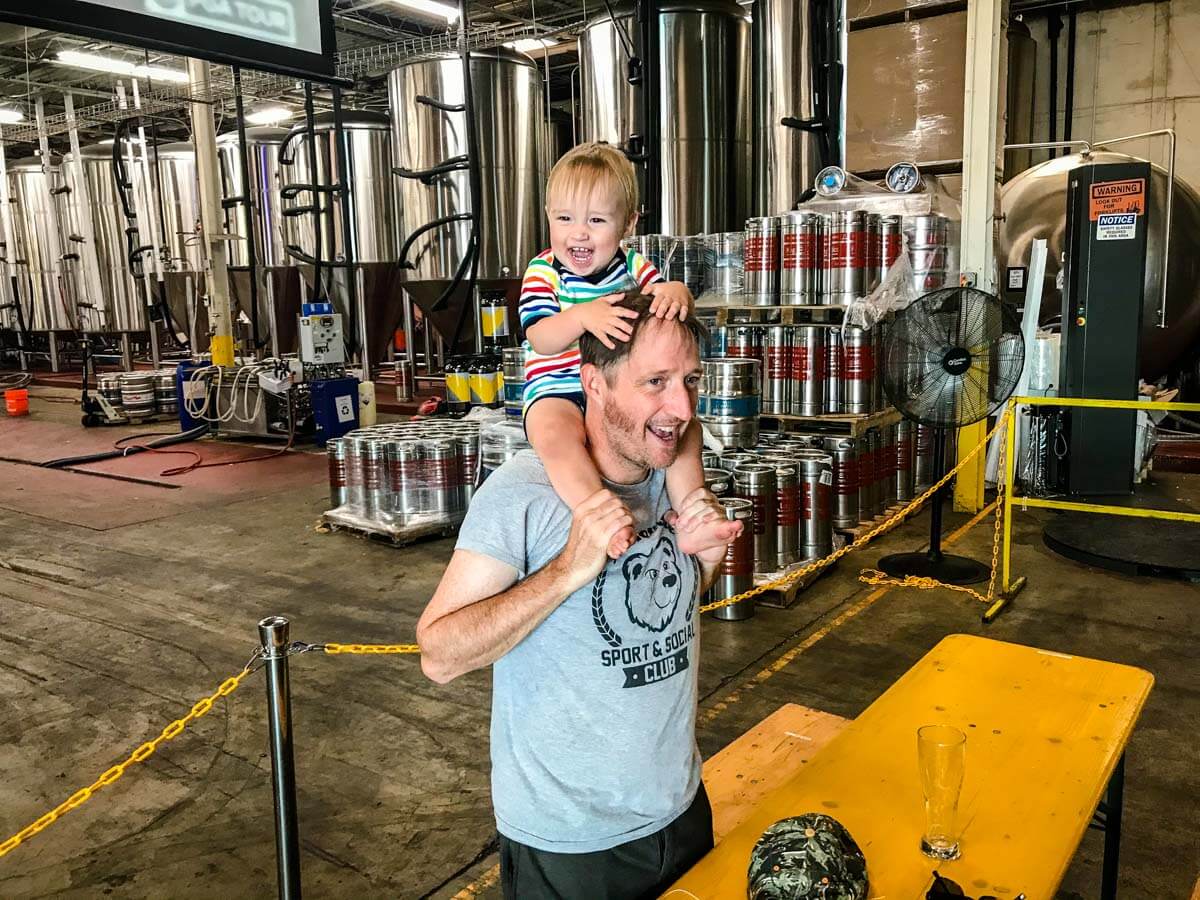
One of Asheville’s most distinctive features is the integration of family life into its famous craft brewery scene. Unlike many urban centers where breweries are strictly adult-oriented, Asheville’s "Beer City" culture often treats these spaces as community hubs.

New Belgium Brewing Company serves as a primary example of this trend. Located along the French Broad River, the facility features a large, fenced-in grassy field where children can play safely while parents socialize. Furthermore, New Belgium’s status as a certified B Corp—and its policy of donating tips to local charities—reflects the city’s broader commitment to social responsibility.
Other notable family-friendly locations include:

- Hi-Wire Brewing (Big Top): Features a "giant pool table" where toddlers use soccer balls as billiard balls.
- Highland Brewing: The city’s oldest brewery, offering expansive outdoor meadow spaces.
- Wedge Brewing Company: Known for its locations in the River Arts District, providing a scenic backdrop for families.
Analysts suggest that the success of these spaces is due to the "third place" philosophy, where breweries serve as a communal space between home and work, accommodating all generations of the local population.
Educational and Cultural Programming for Toddlers
Asheville’s cultural institutions have made significant strides in early childhood engagement. The Asheville Art Museum, following a major renovation, includes a dedicated "Interactive Art Play" room on its second floor. This space allows toddlers to engage with tactile materials and building blocks, fostering early creative development in a controlled environment.

The Asheville Museum of Science (AMOS) is another downtown staple. Though smaller than metropolitan science centers, it features a highly popular water table station and a "Colburn Hall of Minerals" that provides a sensory experience for curious young minds.
For animal engagement, the Western North Carolina (WNC) Nature Center is the region’s premier facility. Unlike traditional zoos, the Nature Center focuses on species native to the Southern Appalachian Mountains, including red wolves, black bears, and river otters. The facility is designed with low-level viewing windows specifically for children and includes a nearby playground to supplement the educational experience.

Outdoor Recreation and Accessible Nature
The Blue Ridge Mountains offer some of the most spectacular scenery in the United States, and Asheville provides several "low-impact" ways for families to experience this wilderness.
Bent Creek Experimental Forest
Located within the Pisgah National Forest, Bent Creek is a favorite for local families. The Hard Times Trailhead provides access to shallow creeks where toddlers can engage in "nature play." The terrain is relatively flat, making it manageable for parents using hiking carriers.

The Blue Ridge Parkway
For those seeking views without strenuous hiking, the Craggy Pinnacle Trail (Milepost 364.1) is a recommended excursion. While the hike involves an incline, it is short enough for parents with sturdy carriers. The Parkway itself is a National Park Service unit, and its historical significance as a New Deal-era project adds a layer of cultural context to the natural beauty.
Beaver Lake Bird Sanctuary
In the North Asheville area, the Beaver Lake Bird Sanctuary offers a flat, albeit unpaved, walking path. It is an excellent location for "slow travel," allowing toddlers to observe local waterfowl and skip rocks in a tranquil setting.

Navigating the Biltmore Estate with Infants
The Biltmore House, a 250-room French Renaissance chateau built by George Vanderbilt in 1895, remains Asheville’s most famous landmark. However, for those with toddlers, the mansion itself presents challenges. The historic interior is not stroller-friendly, and the crowds can be overwhelming for small children.
Experts recommend that families with toddlers focus their visit on the Biltmore Gardens and the Antler Hill Village. The gardens, designed by Frederick Law Olmsted (who also designed New York’s Central Park), feature wide, paved paths suitable for strollers. The Antler Hill Village includes a farmyard where children can interact with goats and chickens, as well as a playground that provides a necessary break from the formal atmosphere of the estate.

Economic Context and Community Values
Visitors to Asheville are often encouraged to support the "Living Wage" movement. The organization Just Economics of Western North Carolina certifies businesses that pay their employees a wage that reflects the actual cost of living in the region. This social consciousness is a core part of Asheville’s identity.
Families can see these values in action at the French Broad Food Co-op or at local eateries like 828 Family Pizzeria and White Labs Brewing Co., the latter of which is renowned for using scientific yeast strains to create unique pizza crusts and beers. By choosing these establishments, travelers contribute to the sustainability of the local economy that makes Asheville a desirable place to live and visit.

Conclusion and Strategic Recommendations
Asheville’s appeal as a toddler-friendly destination lies in its ability to balance adult interests—such as fine dining and craft beverages—with the practical needs of young children. To maximize the experience, families should consider the following strategic tips:
- Prioritize Flexibility: Use a mix of strollers and baby carriers, as the city’s terrain varies from paved urban sidewalks to rugged mountain trails.
- Timing the Visit: Spring and autumn offer the most temperate weather for outdoor play, though summer remains popular for river-based activities.
- Engagement: Check the schedules of local organizations like the Asheville Tourists (minor league baseball) for "Family Fun Days," which offer discounted tickets and kid-specific entertainment.
Through a combination of thoughtful planning and an appreciation for the local "laid-back" vibe, a trip to Asheville can serve as a blueprint for successful multi-generational travel in the American South.
Related posts: