Beyond the Northern Lights: The Evolution and Cultural Dynamics of Reykjavik’s Nightlife Industry

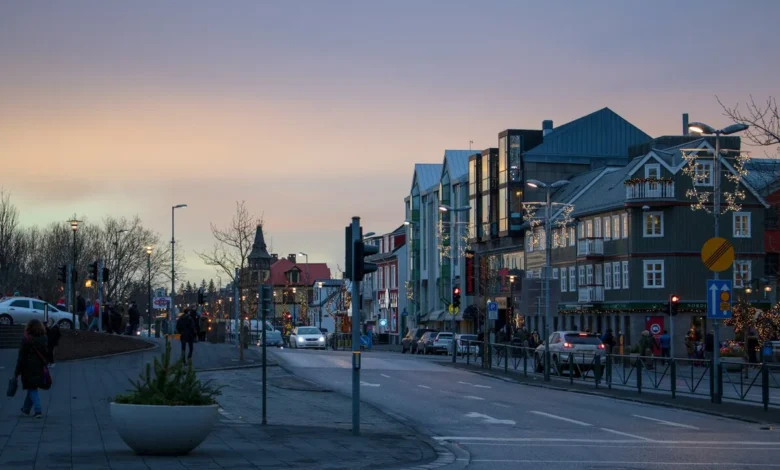
The capital of Iceland, Reykjavik, has long been characterized by its proximity to dramatic natural landscapes, yet its internal social fabric—specifically its nightlife—presents a sophisticated study in cultural resilience and rapid modernization. While the majority of the approximately two million annual tourists who visit the island focus on geological wonders such as the Golden Circle or the Aurora Borealis, the city’s urban core offers a distinct sociological experience centered on the Laugavegur corridor. Reykjavik’s nightlife, known locally as the "pöbbarölt" or bar crawl, is not merely a commercial sector but a community ritual shaped by a unique legal history, a late-blooming craft industry, and the extreme seasonal variations of the North Atlantic.
The Historical Framework: From Prohibition to Beer Day
To understand the current state of Reykjavik’s bar scene, one must examine the legal constraints that governed the country for most of the 20th century. Iceland entered a period of total prohibition in 1915. While the ban on red wine was lifted in 1922 to facilitate trade with Spain, and spirits were legalized in 1935, beer with an alcohol content higher than 2.25% remained strictly illegal until March 1, 1989. This 74-year hiatus created a significant cultural vacuum, leading to the "Beer Day" (Bjórdagurinn) celebrations that still occur annually.
The rationale behind the prolonged beer ban was rooted in a belief that beer was a "gateway" beverage that would lead to increased alcoholism among the youth and the working class. Furthermore, during Iceland’s struggle for independence from Denmark, beer was often associated with Danish lifestyle and culture, making its rejection a point of nationalist identity. The lifting of the ban in 1989 triggered a rapid transformation of the capital’s social landscape. Within three decades, Iceland transitioned from a nation with zero legal breweries to one boasting over 30 craft breweries, a shift that has fundamentally altered the economic and social dynamics of downtown Reykjavik.
The Pöbbarölt: Structural and Social Dynamics
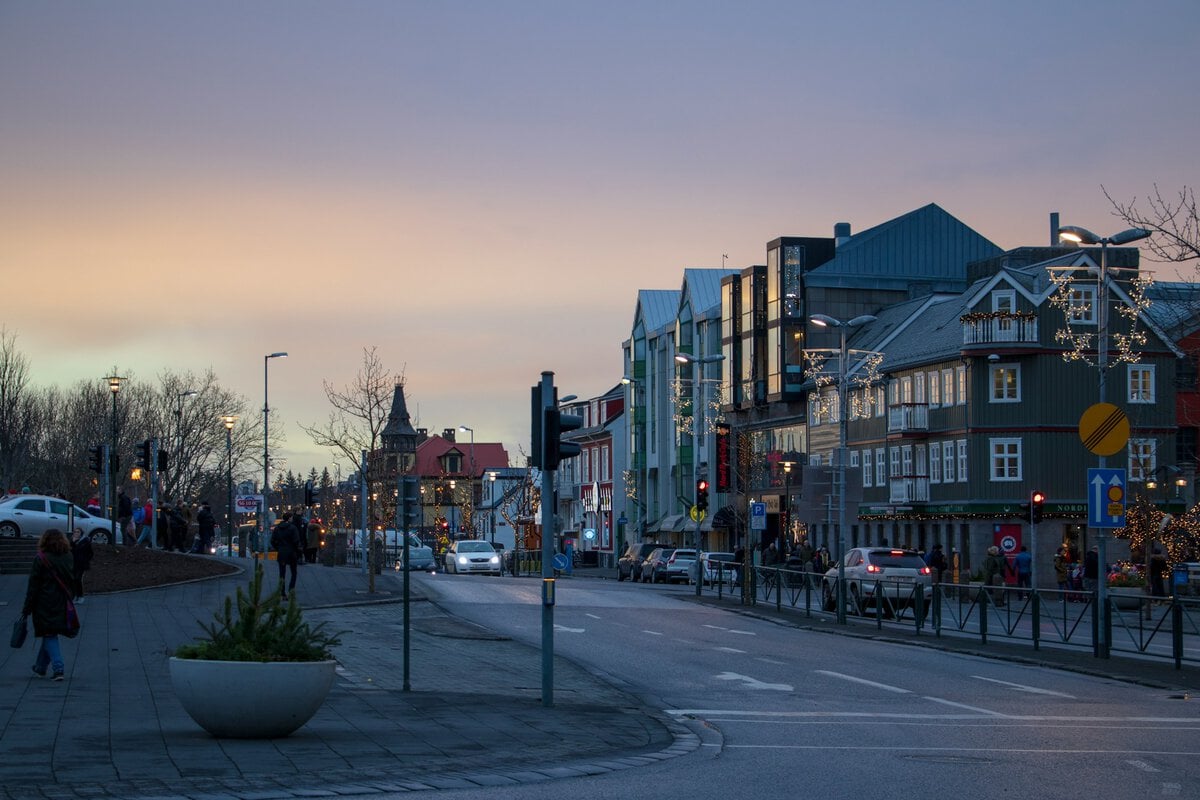
The Reykjavik nightlife experience is defined by its compact, human-scale geography. Unlike larger European capitals where nightlife is fragmented across various districts, Reykjavik’s scene is concentrated almost entirely on Laugavegur and its immediate tributaries. This density facilitates a "walking culture" where patrons move fluidly between venues without the need for vehicular transport.
According to industry observers and local guides, such as those operating under the Reykjavik Wayfinder collective, the Icelandic approach to social drinking is characterized by a "late-start" phenomenon. On weekends, peak occupancy in bars rarely occurs before midnight. This is largely attributed to the high cost of alcohol in Iceland, which is subject to some of the highest taxes in the OECD. To mitigate expenses, locals traditionally engage in "pre-gaming" at home, only entering the public sphere in the early hours of the morning.
The social atmosphere is notably egalitarian. The absence of strict dress codes, VIP sections, or "velvet rope" entry policies reflects the broader Icelandic social structure, which prioritizes accessibility and direct communication. Interactions between locals and visitors are frequent, often fueled by a dry, self-deprecating humor that is a hallmark of the national character.
A Chronology of the Reykjavik Night: Key Venues and Transitions
A standard evening in the city’s urban center typically follows a specific trajectory, moving from historical appreciation to modern craft exploration and ending in traditional social hubs.
Phase One: Historical Immersion and Technique
The evening often begins at venues like Lemmy, a rock-centric establishment that pays homage to Lemmy Kilmister of Motörhead. This venue serves as a microcosm of the city’s affinity for rock and folk music. Beyond the aesthetic, it provides a venue for technical education in Icelandic pouring standards. The transition from the mead-drinking eras of Norse history to the modern draft system is a common point of discussion. While popular myth suggests Vikings were heavy beer drinkers, historical data indicates their primary intoxicants were mead (honey-based) and eventually fermented spirits. Brennivín, the caraway-flavored schnapps known as "Black Death," remains a staple here, often served as a cultural bridge to the country’s agrarian past.
Phase Two: The Craft Beer Expansion
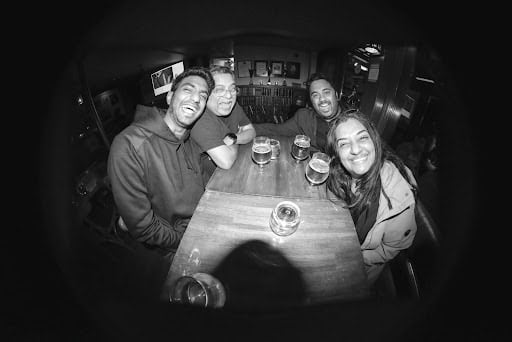
As the night progresses, the focus typically shifts toward the specialized craft beer sector, exemplified by venues like Ægir 101. The growth of this sector is a significant economic indicator for the city. Since 1989, the variety of Icelandic beer has expanded from simple lagers to complex raspberry sours, caramel stouts, and seasonal brews utilizing local ingredients like Icelandic thyme or toasted seaweed. This phase of the night represents the "new Iceland"—international, experimental, and quality-focused. The use of beer flights allows for a comparative analysis of local brewing techniques, reflecting a shift in consumer behavior from volume-based consumption to connoisseurship.
Phase Three: The Traditional Social Anchor
The final phase of a Reykjavik night often culminates in "institutions" like Ölstofan. These venues are characterized by their resistance to "touristification." They maintain a steady local clientele and focus on conversation rather than high-volume music. It is in these settings that the deeper cultural symbols of Iceland, such as runic history and old Norse mythology, are often discussed. The presence of "Gull-lite" or specialized house ales, alongside the storytelling of seasoned guides, provides a sense of continuity in a city that is rapidly changing due to the pressures of global tourism.
Economic Data and the Impact of Tourism
The nightlife sector is a vital component of Reykjavik’s economy. Data from the Icelandic Tourist Board indicates that "cultural experiences," which include the bar and restaurant scene, are a top priority for 65% of international visitors. However, this influx has created a dual-market economy.
- Pricing Indices: Alcohol prices in Reykjavik are approximately 100-150% higher than the European average. A standard pint of craft beer ranges from 1,200 to 1,800 ISK ($9 to $13 USD).
- State Monopoly: All retail sales of alcohol outside of bars and restaurants are controlled by the state-owned Vínbúðin (ÁTVR). This monopoly ensures high tax revenue for the government but also reinforces the culture of late-night bar entry.
- Employment: The hospitality sector has become a primary employer for both locals and the significant expatriate population in Reykjavik, with the nightlife industry supporting thousands of jobs in the downtown area.
Environmental Influence: The Light Factor
A unique variable in Reykjavik’s nightlife is the extreme solar cycle. During the summer solstice, the city experiences near-24-hour daylight. This "midnight sun" phenomenon has a documented effect on circadian rhythms and social behavior, often extending the hours of the pöbbarölt as the lack of darkness removes a natural psychological cue to end the night. Conversely, in the mid-winter, the city receives only four to five hours of daylight. During this period, bars function as essential "third places"—social environments outside of home and work—that provide warmth and light, serving a critical role in maintaining community mental health during the long polar nights.
Implications and Future Outlook
The evolution of Reykjavik’s nightlife from a prohibited activity to a sophisticated cultural export mirrors Iceland’s broader journey toward international prominence. The "Stefán" archetype—the multi-hyphenate guide who is simultaneously an actor, engineer, and storyteller—represents the modern Icelander: highly educated, versatile, and deeply connected to oral traditions.
However, the industry faces challenges. Gentrification in the 101-postal code area (downtown) has led to rising rents, forcing some historic venues to close or relocate. There is a ongoing tension between maintaining the "local" feel of these establishments and catering to the high-volume requirements of the tourism industry.
Furthermore, the social landscape is shifting as younger Icelanders adopt more globalized habits, including a rising interest in non-alcoholic social spaces and high-end cocktail mixology, which challenges the traditional dominance of the beer-centric pöbbarölt.
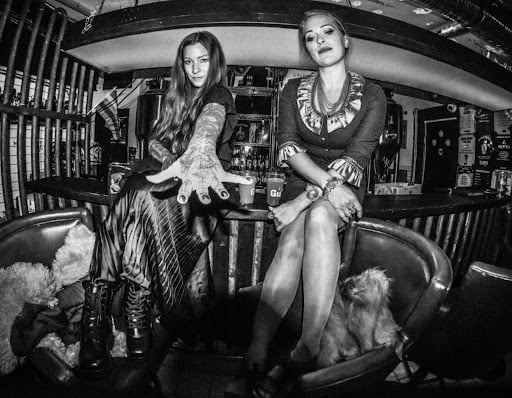
In conclusion, a night out in Reykjavik is more than a leisure activity; it is a lens through which one can view the country’s history, its economic adaptations, and its social resilience. The transition from the "Black Death" and prohibition to a thriving, world-class craft beer scene is a testament to the city’s ability to modernize while retaining the dry humor and compact community feel that defines the Icelandic experience. For the visitor, participating in this ritual offers a rare opportunity to move beyond the "museum version" of Icelandic culture and engage with the living, breathing reality of life in the world’s northernmost capital.
Related posts: