The island of Curaçao, a constituent country of the Kingdom of the Netherlands situated in the southern Caribbean Sea, has long been recognized for its vibrant architecture and deep-water ports. However, as the global travel industry shifts toward experiential and authentic tourism, this Dutch Caribbean gem is increasingly defined by its "off-the-beaten-path" appeal. For the modern traveler, the transition from a standard tourist itinerary to a local-centric experience requires more than just a map; it necessitates an understanding of the island’s unique cultural geography, its linguistic nuances, and its traditional culinary rhythms. By bypassing the traditional hotel concierge in favor of direct engagement with small business owners and residents, visitors are discovering a side of the island that remains insulated from the homogenization of mass tourism.
The Geographic Shift: Prioritizing Banda Abou and the Western Coast
While the capital city of Willemstad remains the economic and administrative heart of the island, the local population has long favored the western region, known as Banda Abou. This area, located to the west of the Queen Juliana Bridge, represents a stark contrast to the bustling, commercialized corridors of the island’s eastern side. Banda Abou is characterized by its rugged terrain, limestone cliffs, and a collection of more than 20 secluded beaches that serve as the primary weekend retreats for Curaçaoans.
Among these, Kokomo Beach has emerged as a premier destination for those seeking a balance between natural beauty and functional amenities. Located approximately 15 minutes from the center of Willemstad, Kokomo is situated at Vaersenbaai. Unlike the larger, more commercialized beach clubs, Kokomo maintains a localized atmosphere. The beach is noted by marine biologists and diving enthusiasts for its accessible reef system, which allows for high-quality snorkeling without the need for boat transport. The presence of indigenous marine life, including parrotfish and various species of coral, provides a microcosm of the Caribbean’s biodiversity. For the local community, these spots are not merely leisure sites but essential components of the island’s social fabric, where multi-generational families gather to share meals and music.
Maritime Excursions and Environmental Preservation: The Case of Klein Curaçao
The allure of the "local experience" extends beyond the main island to the uninhabited volcanic rock known as Klein Curaçao (Little Curaçao). Located roughly 15 miles off the southeast coast, this 1.7-square-kilometer island serves as a vital case study in both historical preservation and environmental conservation. The journey to Klein Curaçao, typically taking 1.5 to 2 hours depending on sea conditions, has become a staple for residents looking to escape the relative "urbanization" of the mainland.
Historically, Klein Curaçao played a role in the maritime trade of the 18th and 19th centuries, evidenced today by the iconic pink lighthouse and several shipwrecks that dot its coastline. From a biological perspective, the island is a critical nesting ground for sea turtles, specifically the Green, Hawksbill, and Loggerhead species. Local conservation groups have frequently emphasized the importance of sustainable tourism on this islet, as the fragile ecosystem is susceptible to human impact. Visitors are encouraged to utilize group tours that provide structured BBQ lunches and facilities, thereby centralizing waste management and reducing the footprint on the white-sand beaches. The underwater caves and coral walls surrounding Klein Curaçao also offer some of the most technically challenging and visually rewarding diving spots in the region, contributing to the island’s reputation as a top-tier destination for specialized tourism.
The Gastronomic Landscape: From Batidos to Plasa Bieu
Understanding Curaçaoan culture is impossible without an analysis of its culinary traditions, which are a synthesis of Arawak, European, and African influences. A defining feature of daily life on the island is the "batido," a fresh fruit smoothie that serves as a cooling agent against the tropical heat. These beverages are more than mere refreshments; they are an agricultural showcase.
Establishments like La Boheme, located in the historic Punda district, have institutionalized the batido as a gourmet offering, blending local staples like papaya and mango with Caribbean flavors. The "100% Batidos" trucks, found in various street-side locations, represent the more traditional, grab-and-go style of consumption favored by the local workforce. The use of papaya is particularly significant, as the fruit is grown locally and is a staple in the island’s diet.
However, the pinnacle of authentic Curaçaoan dining is found at Plasa Bieu, or the "Old Market," in downtown Willemstad. In a globalized world where dinner is often the primary meal, Curaçaoans maintain the tradition of a heavy, hot midday lunch. Plasa Bieu operates as a covered hall featuring six independent kitchens, where open-fire cooking remains the standard. The atmosphere is characterized by large communal picnic tables, the scent of charcoal, and the sounds of Papiamento—the local creole language.
The menu at Plasa Bieu typically includes Stobá (hearty stews made with goat or beef), Giambo (an okra-based soup), and Funchi (a cornmeal staple similar to polenta). These dishes are reflective of the "Krioyo" (Creole) cuisine that has sustained the island’s population for centuries. Analysts of the local economy note that Plasa Bieu remains one of the few places where price points remain accessible to the average resident while providing a high-quality, culturally significant product.
Economic Data and Tourism Trends
The shift toward local-style exploration is supported by recent data from the Curaçao Tourist Board (CTB). In 2023, Curaçao reported record-breaking numbers in stay-over arrivals, surpassing the half-million mark for the first time in its history. A significant portion of this growth is attributed to the North American market, which has shown an increased interest in boutique accommodations and cultural immersion over traditional all-inclusive resort stays.
According to CTB reports, the diversification of the tourism product—moving away from a pure "sun, sea, and sand" model toward one that highlights the UNESCO World Heritage status of Willemstad and the natural reserves of the West—has increased the average daily spend per visitor. By patronizing local markets like Plasa Bieu and independent beach operators in Banda Abou, tourists are contributing to a more equitable distribution of wealth across the island’s micro-economies.
Chronology of Cultural Development
To understand the current "local" appeal, one must look at the timeline of Curaçao’s development:
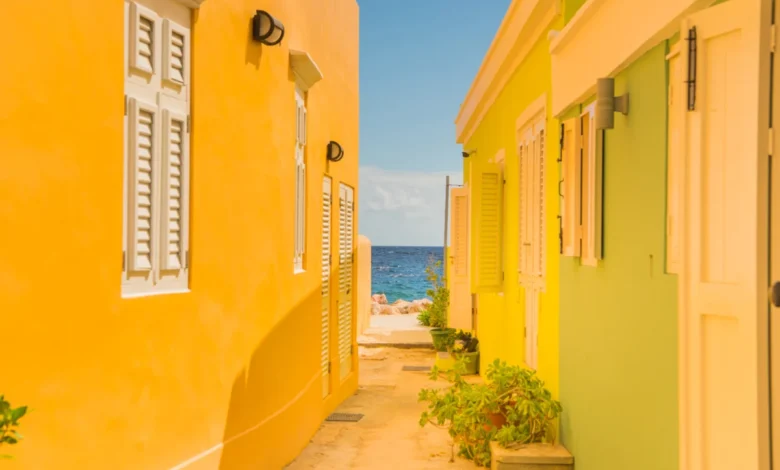
- 1634: The Dutch West India Company takes control of the island, establishing the foundations of the colorful architecture seen in Punda and Otrobanda.
- 1997: Willemstad is designated a UNESCO World Heritage site, sparking a renewed interest in preserving local history rather than just modernizing for tourists.
- Post-2010: Following the dissolution of the Netherlands Antilles, Curaçao became an autonomous country within the Kingdom. This political shift led to a stronger emphasis on national identity and the promotion of Papiamento in official and cultural spheres.
- 2020–Present: The post-pandemic recovery period saw a strategic pivot toward "slow travel," encouraging visitors to stay longer and integrate deeper into the local community.
Official Perspectives and Social Impact
Local officials and heritage advocates have frequently commented on the necessity of maintaining the island’s authenticity. In various public forums, representatives from the Ministry of Economic Development have suggested that the "local" experience is Curaçao’s greatest competitive advantage in a crowded Caribbean market. By encouraging tourists to "Revel Like a Local," the island fosters a sense of mutual respect between visitors and residents.
Socially, this movement supports the preservation of Papiamento. Unlike many Caribbean islands where English or Spanish has become the dominant social tongue, Papiamento remains the primary language of the home and the street in Curaçao. When travelers engage with local smoothie stands or market vendors, they are often introduced to this linguistic blend of Portuguese, Spanish, Dutch, and African dialects, further enriching the travel experience.
Broader Implications for the Caribbean
The model Curaçao is pursuing—one of authentic integration—serves as a potential blueprint for other island nations facing the challenges of "over-tourism." By highlighting lesser-known beaches and traditional meal times, Curaçao mitigates the pressure on its primary infrastructure while ensuring that the financial benefits of tourism reach local entrepreneurs.
The focus on areas like Banda Abou and the preservation of sites like Klein Curaçao demonstrates a commitment to environmental and cultural sustainability. For the traveler, the implication is clear: the most rewarding way to experience the Caribbean is not through a sanitized lens, but through the everyday rhythms of the people who call it home. Whether it is through a papaya batido on a street corner or a plate of Stobá at a communal table in Plasa Bieu, the true essence of Curaçao lies in its rejection of the artificial in favor of the real.
Related posts: