The Ultimate Guide to Cape Cod Day Trips for Families Exploring the Peninsula and Beyond

Cape Cod, a hook-shaped peninsula extending into the Atlantic Ocean from the southeastern corner of mainland Massachusetts, remains one of the most enduring summer destinations in the United States. While many travelers dedicate a full week or more to exploring its diverse ecosystems and historic villages, the region’s unique geography also makes it a prime candidate for targeted day trips. For families navigating the complexities of seasonal tourism, a successful excursion to the Cape requires a sophisticated understanding of regional logistics, historical context, and the varied recreational offerings found within its fifteen distinct towns.
The logistical framework of a Cape Cod visit is dictated primarily by its two points of entry: the Sagamore Bridge and the Bourne Bridge. Spanning the Cape Cod Canal—a man-made waterway completed in 1914 to shorten shipping routes—these bridges serve as the sole terrestrial arteries for the millions of visitors who descend upon the region annually. According to data from the Massachusetts Department of Transportation (MassDOT), traffic volume on these spans can exceed 100,000 vehicles per day during the peak summer months. For day-trippers, this creates a significant bottleneck, particularly on Friday afternoons and Sunday evenings. To maximize time spent at destinations rather than in transit, travel experts and local authorities recommend mid-week visits, which bypass the heavy "change-over" traffic common during weekend rental cycles.
Historical Context and the Evolution of Cape Cod Tourism
The appeal of Cape Cod as a family destination is rooted in a blend of natural preservation and historical significance. A pivotal moment in the region’s history occurred in 1961, when President John F. Kennedy signed legislation establishing the Cape Cod National Seashore. This act protected nearly 40,000 acres of pristine coastline, salt marshes, and upland forests from commercial development, ensuring that the Outer Cape remained an accessible wilderness for future generations.
This preservation effort sits alongside a deep colonial and indigenous history. From the earliest Wampanoag inhabitants to the arrival of the Pilgrims in 1620, the Cape has served as a cornerstone of American identity. Modern day trips often weave these historical threads together, offering families a chance to engage with both the natural environment and the cultural heritage of the Northeast.
Strategic Entry Points: The Upper Cape Destinations
For families arriving from Boston or Providence, the "Upper Cape" towns of Sandwich and Falmouth offer the most accessible day-trip options due to their proximity to the bridges. Sandwich, incorporated in 1639, holds the distinction of being the oldest town on the Cape. Its appeal lies in its preserved 19th-century charm, exemplified by the Sandwich Glass Museum. The museum documents the town’s industrial legacy as a world-renowned center for glass production between 1825 and 1888. Adjacent to the historic center is the Heritage Museums & Gardens, which spans 100 acres and features a vintage carousel and a world-class collection of American automobiles, providing a multi-generational draw.
Further south in the village of Woods Hole, part of the town of Falmouth, the atmosphere shifts from the historical to the scientific. Woods Hole is a global hub for marine research, housing the Woods Hole Oceanographic Institution (WHOI) and the Marine Biological Laboratory. Families often visit the Woods Hole Science Aquarium, the oldest public aquarium in the country, which offers a focused, educational look at local marine life. For those seeking active recreation, Falmouth serves as the trailhead for the Shining Sea Bikeway. This 10.7-mile paved path follows the route of the former Old Colony Railroad, offering scenic vistas of Vineyard Sound and providing a safe, car-free environment for children to cycle.
The Mid-Cape: Commercial Centers and Family Entertainment
Moving eastward into the "Mid-Cape" region, the town of Yarmouth serves as a focal point for traditional family-oriented tourism. Historically, the Mid-Cape developed more rapidly in the post-war era, leading to a high concentration of miniature golf courses, water parks, and themed attractions. The Whydah Pirate Museum in West Yarmouth is a notable highlight, housing artifacts recovered from the only authenticated pirate shipwreck in U.S. waters. The museum provides a rigorous archaeological perspective on the "Golden Age of Piracy," making it both entertaining and educational for school-aged children.
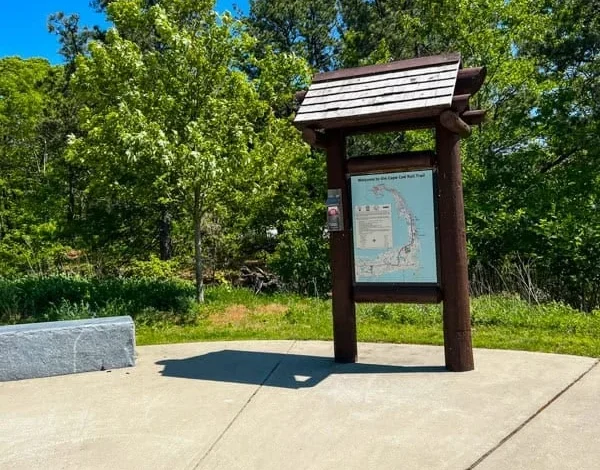
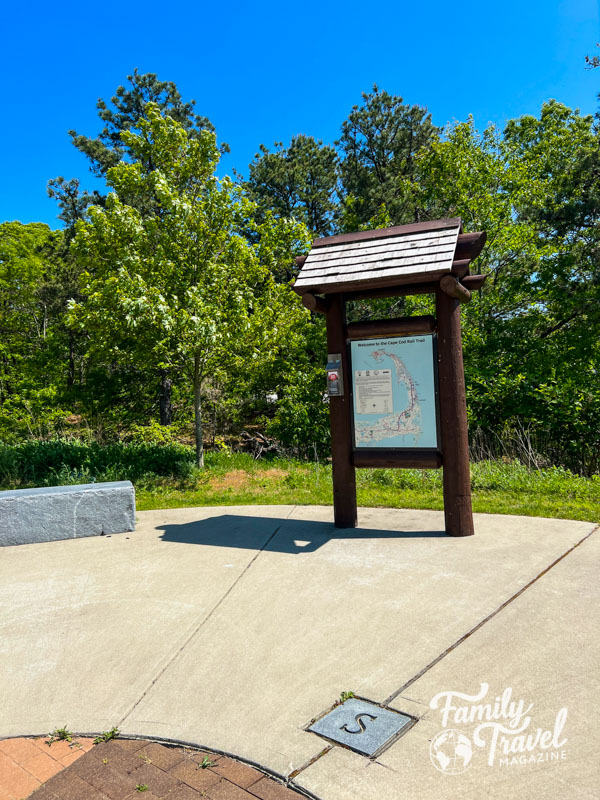
Yarmouth also offers access to the Cape Cod Rail Trail, a 25-mile paved artery that traverses six towns. This trail represents a significant investment in the region’s "Blue Economy"—a term used by local chambers of commerce to describe the intersection of economic growth and environmental stewardship. By repurposing old rail corridors, the region has created a sustainable tourism model that encourages low-impact exploration of the Cape’s interior landscapes, including the kettle ponds of Brewster and the salt marshes of Eastham.

The Outer Cape and the Provincetown Experience
At the northernmost tip of the peninsula lies Provincetown, a town that offers perhaps the most distinct cultural experience on the Cape. Known for its vibrant arts scene and inclusive atmosphere, Provincetown is also a site of immense historical importance; it was the site of the first landing of the Mayflower in 1620 before the Pilgrims proceeded to Plymouth. The Pilgrim Monument, a 252-foot granite tower completed in 1910, commemorates this event and offers panoramic views of the entire peninsula.
For day-trippers from Boston, Provincetown is uniquely accessible via high-speed ferry. Operating from Long Wharf and the World Trade Center, these vessels complete the trip in approximately 90 minutes, effectively bypassing the bridge traffic entirely. Once in town, families can transition from the bustling shops of Commercial Street to the serene dunes of the National Seashore. Whale-watching excursions departing from MacMillan Pier provide opportunities to observe humpback and finback whales in the Stellwagen Bank National Marine Sanctuary, a trip that local naturalists suggest booking several weeks in advance due to high demand.
Ecological Exploration at Nickerson State Park
In the Lower Cape town of Brewster, Nickerson State Park offers a departure from the coastal beach experience. Unlike the salt-water shores that dominate the region, Nickerson is characterized by its "kettle ponds"—freshwater basins formed by receding glaciers over 10,000 years ago. The park’s 1,900 acres provide a controlled environment for kayaking, canoeing, and fishing.
The park is a cornerstone of the Massachusetts Department of Conservation and Recreation’s (DCR) efforts to provide affordable outdoor access. While parking fees apply, the park serves as a vital link for the Cape Cod Rail Trail, making it a strategic "home base" for families who wish to combine a morning of freshwater swimming with an afternoon of cycling through the neighboring towns of Orleans and Eastham.
The Island Connection: Martha’s Vineyard and Nantucket
While Martha’s Vineyard and Nantucket are often associated with Cape Cod, logistical experts generally advise against attempting both as a single-day trip from the mainland unless the traveler is already staying on the Cape. The Steamship Authority, which operates ferries from Woods Hole and Hyannis, reports that vehicle reservations often sell out months in advance. However, passenger-only day trips remain viable.
Martha’s Vineyard, the larger of the two islands, is best navigated via the local bus system or by renting bicycles in Oak Bluffs. Nantucket, located further out at sea, is more compact and pedestrian-friendly. Both islands maintain strict architectural preservation standards, offering a glimpse into the 18th and 19th-century whaling industries that once dominated the regional economy. The implications of island travel include higher costs for food and transport, but the reward is an immersion in a maritime culture that feels distinct from the mainland.
Regional Infrastructure and Future Implications
The continued popularity of Cape Cod day trips has prompted ongoing discussions regarding infrastructure sustainability. Local officials, including representatives from the Cape Cod Commission, have voiced concerns over the environmental impact of seasonal population surges. In response, there has been an increased push for "off-peak" tourism. The "shoulder seasons"—May, June, September, and October—offer many of the same attractions with significantly reduced traffic and lower costs.
Furthermore, the aging infrastructure of the Sagamore and Bourne bridges has led to federal and state commitments for their eventual replacement. This multi-billion-dollar project, currently in the planning stages, aims to modernize access to the Cape while addressing the safety concerns of the existing 1930s-era structures. For the contemporary family, these developments underscore the importance of staying informed on regional news and travel advisories before embarking on a journey.
Summary of Family Day Trip Destinations
| Destination | Primary Appeal | Key Logistics |
|---|---|---|
| Sandwich | Heritage Museums, Glass Museum | Closest to the mainland; ideal for history buffs. |
| Woods Hole | Science Aquarium, WHOI, Bikeway | Strong educational focus; scientific hub. |
| Yarmouth | Mini-golf, Pirate Museum, Beaches | High density of child-friendly entertainment. |
| Provincetown | Whale watching, Dunes, Fast Ferry | Best accessed via ferry from Boston to avoid traffic. |
| Chatham | Fish Pier, Seal watching, Boutique shops | Quaint, upscale atmosphere with natural sightings. |
| Brewster | Nickerson State Park, Rail Trail | Freshwater activities and extensive cycling paths. |
In conclusion, Cape Cod remains a premier destination for families precisely because it offers a spectrum of experiences—from the rigorous scientific inquiry of Woods Hole to the historical immersion of Sandwich and the natural splendor of the National Seashore. By understanding the timing of the tides and the patterns of the traffic, a day trip to this historic peninsula can provide a profound connection to both the American past and the natural world.