Navigating the Open Seas: A Comprehensive Analysis of Expedition Cruising Versus Traditional Maritime Travel for Modern Families


The global cruise industry has undergone a significant diversification over the past decade, shifting away from a monolithic vacation model toward highly specialized niche travel. While mainstream cruise lines continue to dominate the market by offering massive floating resorts complete with water parks, Broadway-style production shows, and thousands of passengers, a parallel sector has experienced a surge in popularity: expedition cruising. This specialized form of maritime travel, historically reserved for polar researchers and hardcore adventurers, is increasingly attracting families seeking education, immersion, and access to remote destinations. Understanding the structural differences between expedition cruises and traditional sailings is vital for travelers weighing logistics, financial investment, and overall vacation objectives.
Defining the Paradigm Shift: Expedition Versus Mainstream
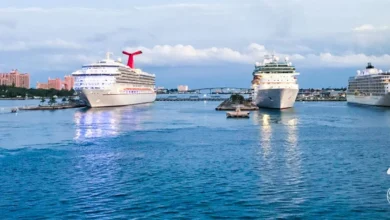
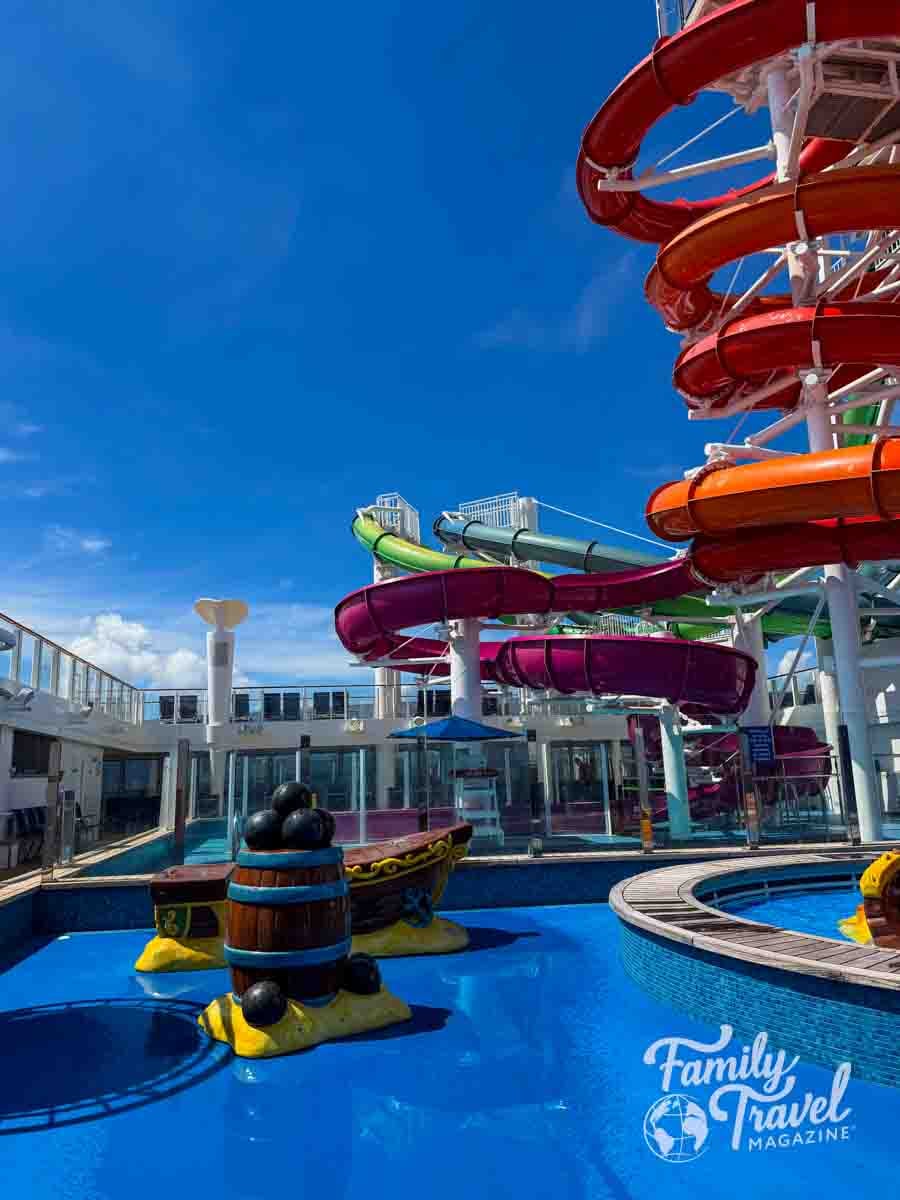
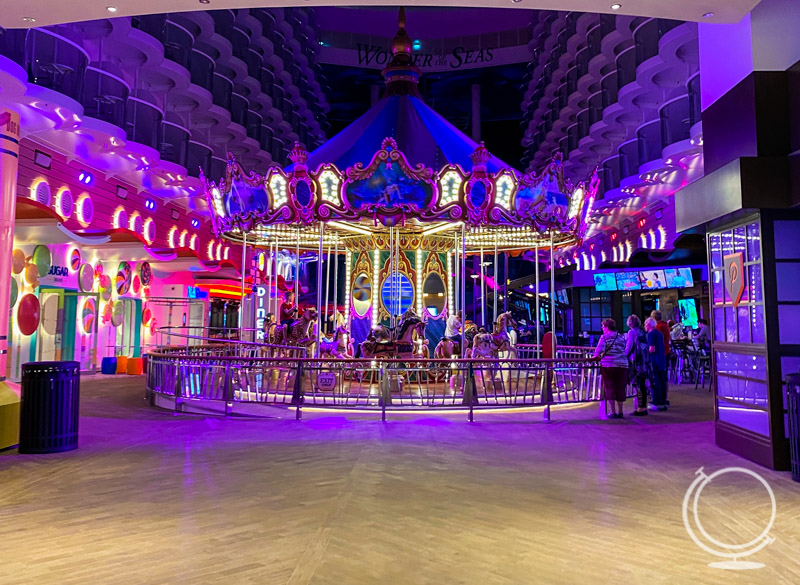
At its core, the primary distinction between an expedition cruise and a traditional cruise lies in the fundamental philosophy of the voyage. Traditional cruising is designed around the ship itself as the primary destination. Massive vessels, often accommodating anywhere from 2,000 to over 6,000 passengers, serve as floating entertainment complexes. The emphasis is placed heavily on onboard optionality—multiple specialty restaurants, sprawling pool decks, casinos, shopping arcades, and comprehensive youth programs.
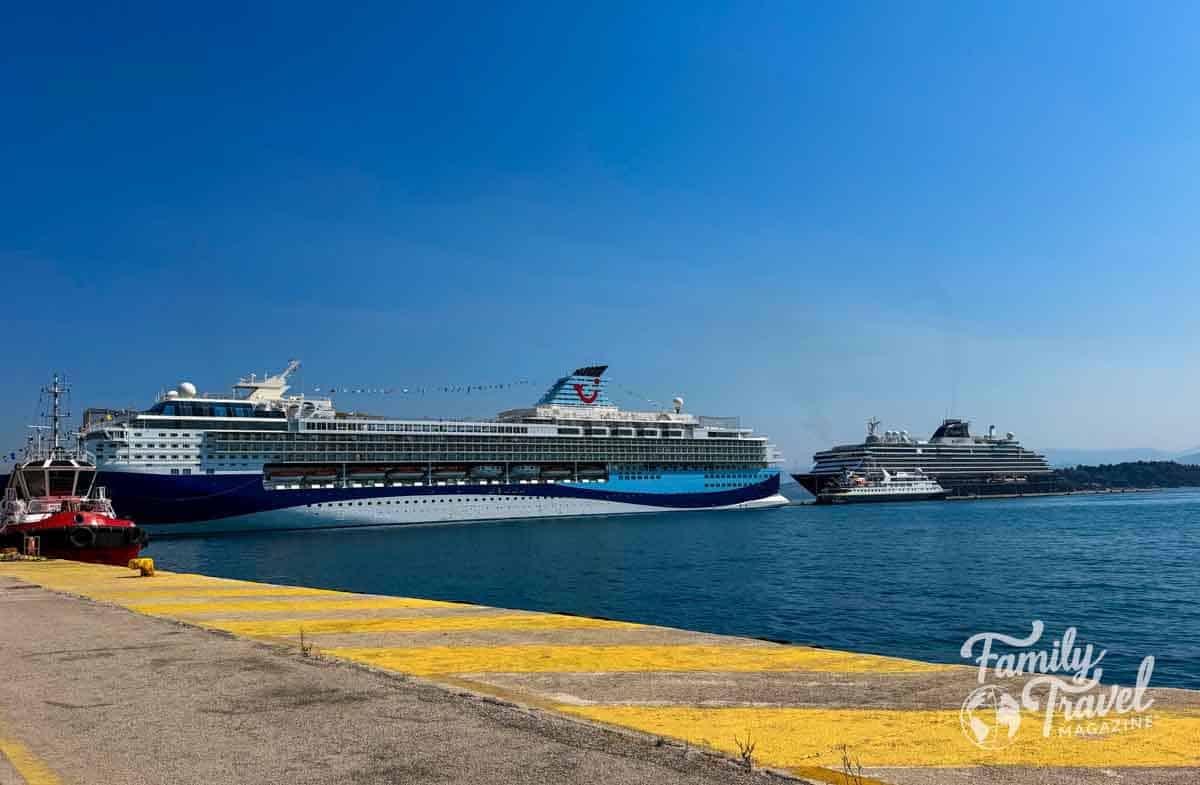
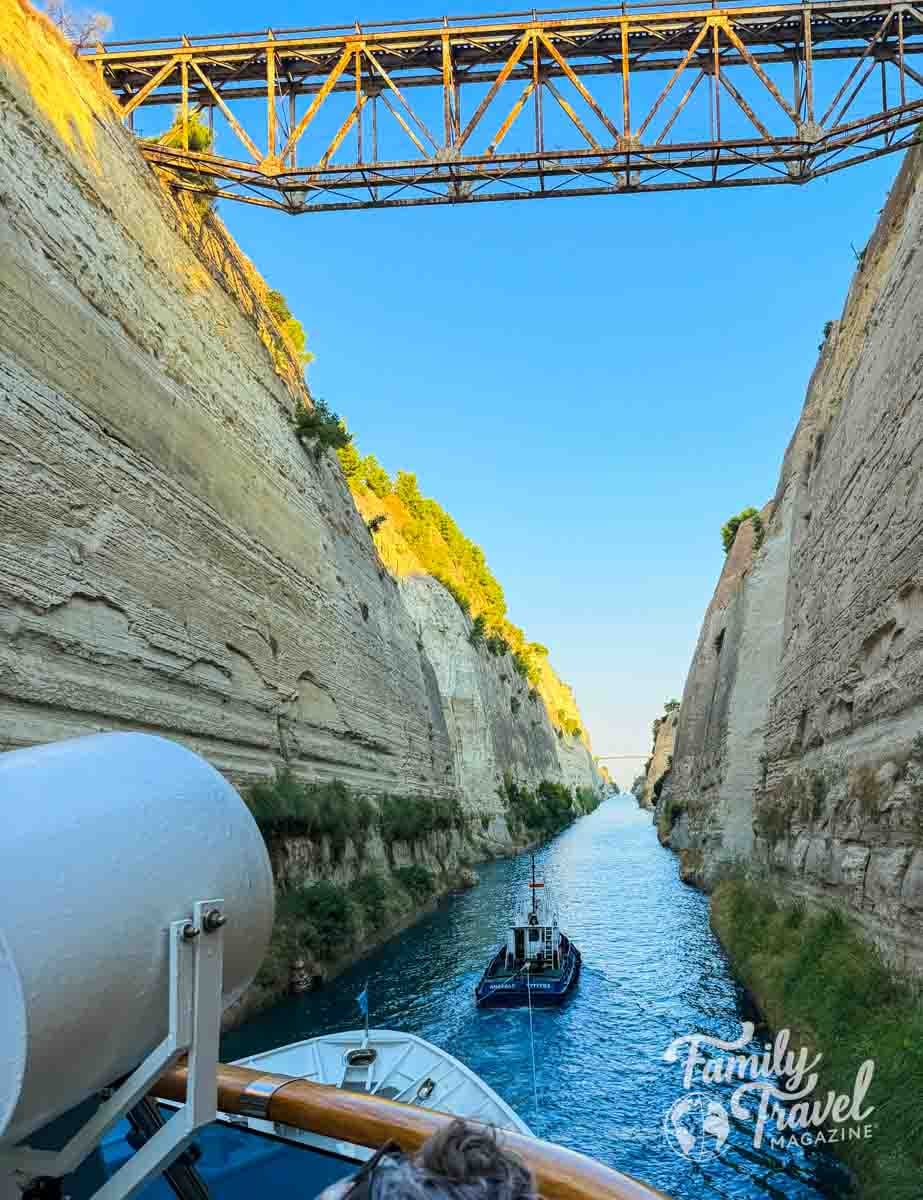
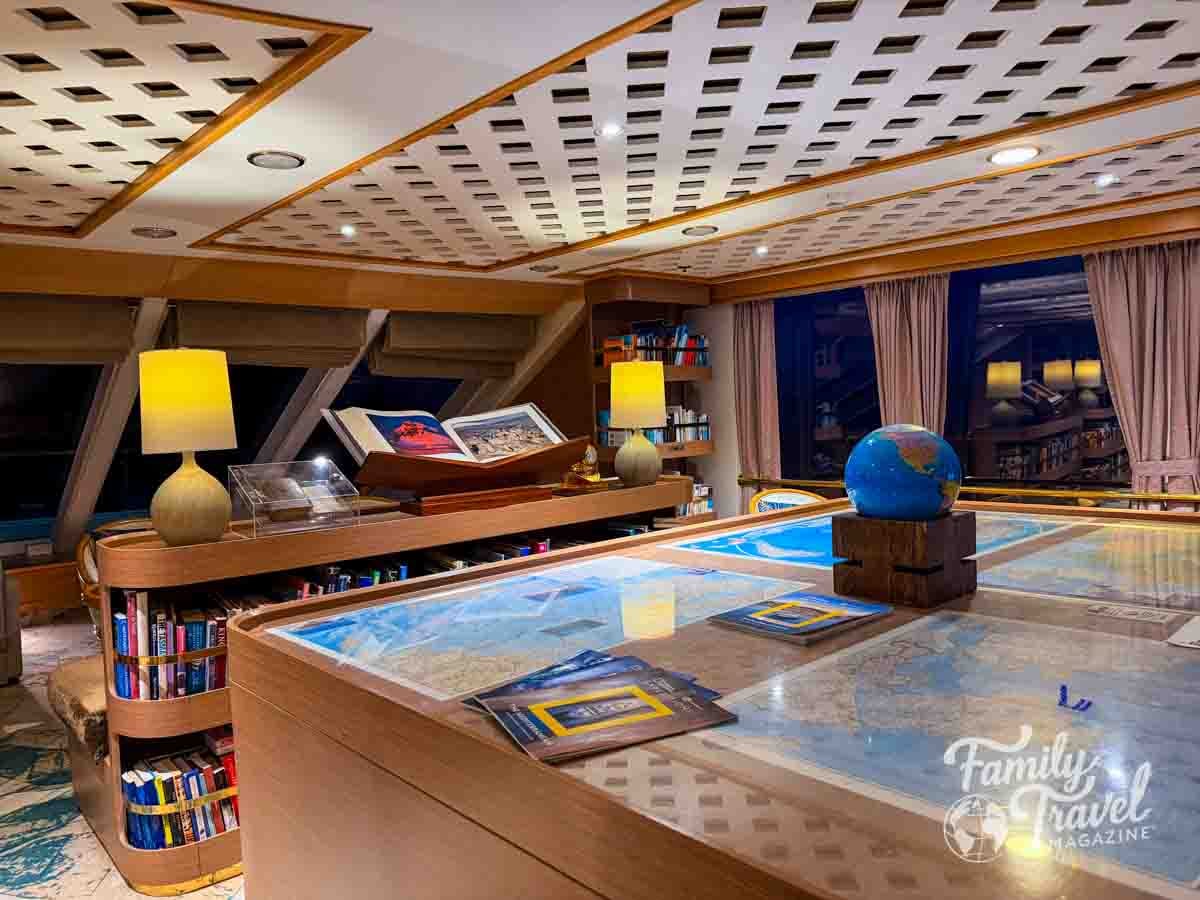
Conversely, expedition cruising utilizes much smaller, more intimate vessels—frequently carrying between 50 and 200 guests—to prioritize destination access and environmental education. These smaller hulls can navigate narrow canals, shallow harbors, and remote archipelagos that are entirely inaccessible to megaships. Rather than spending days at sea lounging by a pool, passengers on expedition itineraries are typically immersed in a fast-paced schedule of shore landings, Zodiac cruises, guided hikes, and expert-led lectures covering marine biology, regional history, and geology.
Structural Comparison and Onboard Experience
To better evaluate these two distinct travel styles, industry analysts often contrast their operational features, guest demographics, and daily rhythms:
| Feature | Expedition Cruise | Traditional Cruise |
|---|---|---|
| Vessel Scale | Highly intimate, typically under 200 guests | Megaships hosting thousands of passengers |
| Core Objective | Destination immersion, field science, and historical exploration | Entertainment, relaxation, and resort-style recreation |
| Onboard Programming | Naturalist lectures, documentary screenings, navigational overviews | Magic shows, comedy clubs, game shows, live bands, and parties |
| Family Infrastructure | Minimal resort amenities; limited or no formal kids’ clubs | Extensive water parks, sports decks, arcades, and dedicated youth zones |
| Shore Excursions | Integral to the daily itinerary; mandatory focus of the voyage | Optional add-ons; guests frequently remain onboard during port calls |
| Pace and Downtime | Rigorous daily schedules with minimal sea days; high activity volume | Balanced schedules featuring dedicated sea days and ample leisure time |
| Culinary Operations | Structured meal times, single main dining rooms, locally sourced ingredients | Multiple specialty venues, buffets, 24-hour casual dining, and flexible seating |
| Financial Structure | Higher upfront fare; typically inclusive of excursions, alcohol, and gratuities | Lower base fare; extensive ancillary spending on excursions, drinks, and services |
Chronology and Itinerary Mechanics
The operational timeline of a vacation highlights another profound divergence between the two travel models. A standard Mediterranean or Caribbean itinerary on a traditional cruise ship usually incorporates multiple sea days to bridge vast nautical distances between major commercial ports. During these transit days, passengers manage their own schedules, choosing from a broad catalog of optional shore excursions upon arrival at industrial cruise terminals.
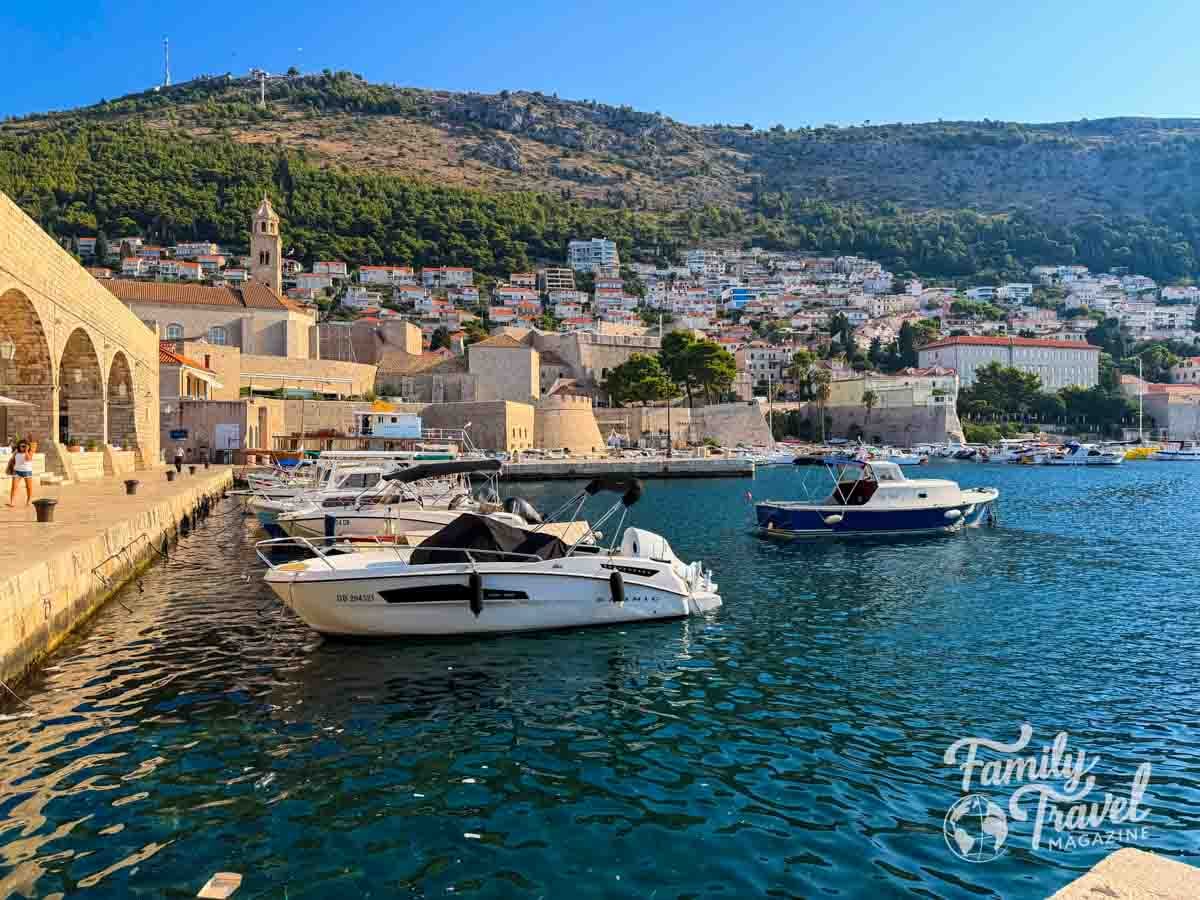
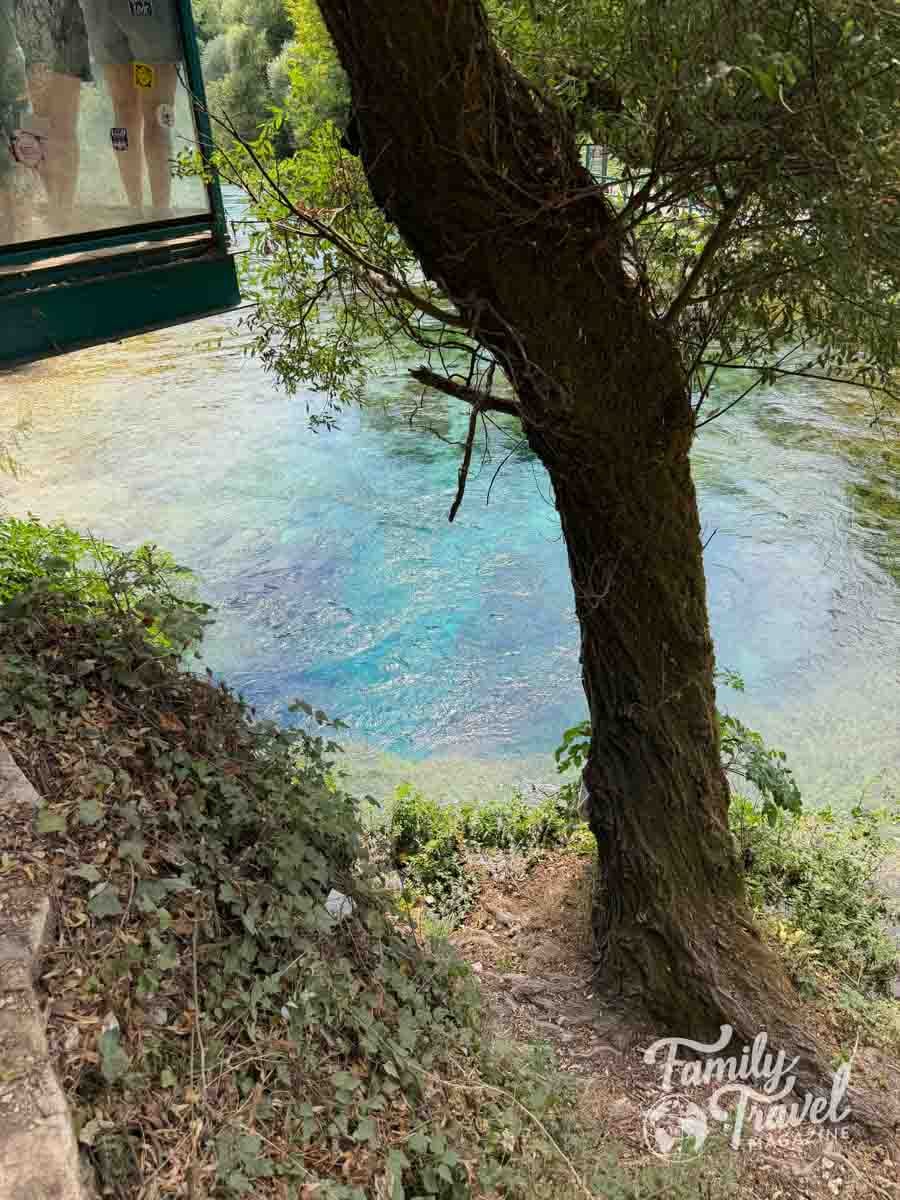
Expedition itineraries, such as those navigating the complex coastlines of Greece, Albania, and Croatia, operate on a different temporal rhythm. Because the vessels are compact and agile, night navigation is heavily utilized to maximize daylight hours for exploration. It is not uncommon for an expedition vessel to anchor in a secluded bay or minor port by dawn, conduct morning shore walks, sail during lunch, and dock at a historical archaeological site by the afternoon. This eliminates the need for lengthy bus or train transfers often required by land-based tours, allowing families to consume a dense volume of historical and geographical education in a condensed timeframe.
Financial Analysis: Upfront Costs Versus Total Trip Expenditure
When evaluating the economics of family travel, consumers frequently fixate on the initial booking price. Traditional cruises often market aggressively low base fares to attract budget-conscious families. However, travel industry data indicates that the final tally on a mainstream cruise can escalate rapidly once ancillary costs are factored in. Specialized shore excursions, alcoholic beverages, specialized dining cover charges, Wi-Fi packages, spa treatments, and mandatory crew gratuities are typically billed a la carte.
Expedition cruises generally command a significantly higher initial price point per passenger. Yet, a rigorous financial breakdown often reveals a more inclusive pricing architecture. Premium expedition lines frequently bundle excursions, Zodiac transfers, onboard educational lectures, open bars, gratuities, and even pre-cruise or post-cruise charter flights and airport transfers into the base ticket price. For families planning an action-oriented vacation with daily guided excursions, the seemingly expensive expedition fare may ultimately equate to—or even undercut—the cumulative cost of a heavily upgraded traditional cruise vacation.
Demographic Fit: Determining the Optimal Audience
Industry observers and family travel specialists emphasize that neither model is objectively superior; rather, success depends entirely on matching the product to the specific psychological and developmental profile of the traveling party.
Expedition cruising is increasingly recommended for families with older children, tweens, and teenagers who display demonstrated interests in natural sciences, wildlife conservation, global history, and active exploration. The absence of traditional adolescent infrastructure—such as video arcades and teen lounges—means that participants must derive their primary entertainment from external environments and intellectual engagement. Furthermore, because expedition vessels lack the stabilization technology and massive physical footprint of modern cruise liners, older children and adults with a high tolerance for active schedules tend to thrive in these environments.
Conversely, multi-generational families or those traveling with younger children often find traditional cruise liners to be the superior choice. The presence of comprehensive youth facilities, certified childcare staff, and structured kids’ clubs provides essential flexibility for parents seeking adult downtime. The vast array of physical amenities—ranging from onboard roller coasters and surf simulators to sprawling pool complexes—ensures that children with varying energy levels and short attention spans remain consistently entertained without demanding continuous intellectual engagement.
Broader Industry Implications and Future Trends
The rapid expansion of the expedition cruise sector points to a broader transformation in consumer travel preferences. As overtourism strains major commercial ports throughout the Mediterranean and the Caribbean, municipal governments and port authorities are facing mounting pressure to limit the arrival of megaships. Smaller expedition vessels, by design, disperse passengers across remote or secondary ports, distributing economic impact more evenly and reducing the environmental footprint per capita.
Furthermore, post-pandemic travel behaviors suggest a growing consumer preference for educational tourism, experiential learning, and authentic cultural exchange over passive relaxation. Cruise lines specializing in expedition itineraries are responding by upgrading their fleets with advanced environmental technologies—such as hybrid propulsion systems, advanced wastewater treatment facilities, and hull designs optimized for fuel efficiency—to meet stringent ecological standards demanded by modern travelers.
Ultimately, the choice between an expedition cruise and a traditional maritime vacation represents a fundamental decision regarding the purpose of leisure time. Whether a family prioritizes the sprawling resort amenities and leisurely pace of a floating mega-city or the rugged, knowledge-intensive exploration of an intimate coastal vessel, the contemporary cruise market provides unprecedented breadth to accommodate diverse travel aspirations.