Multigenerational Travel Across the UK: How an 86-Year-Old Mother and Her Daughter Redefined Later-in-Life Adventure

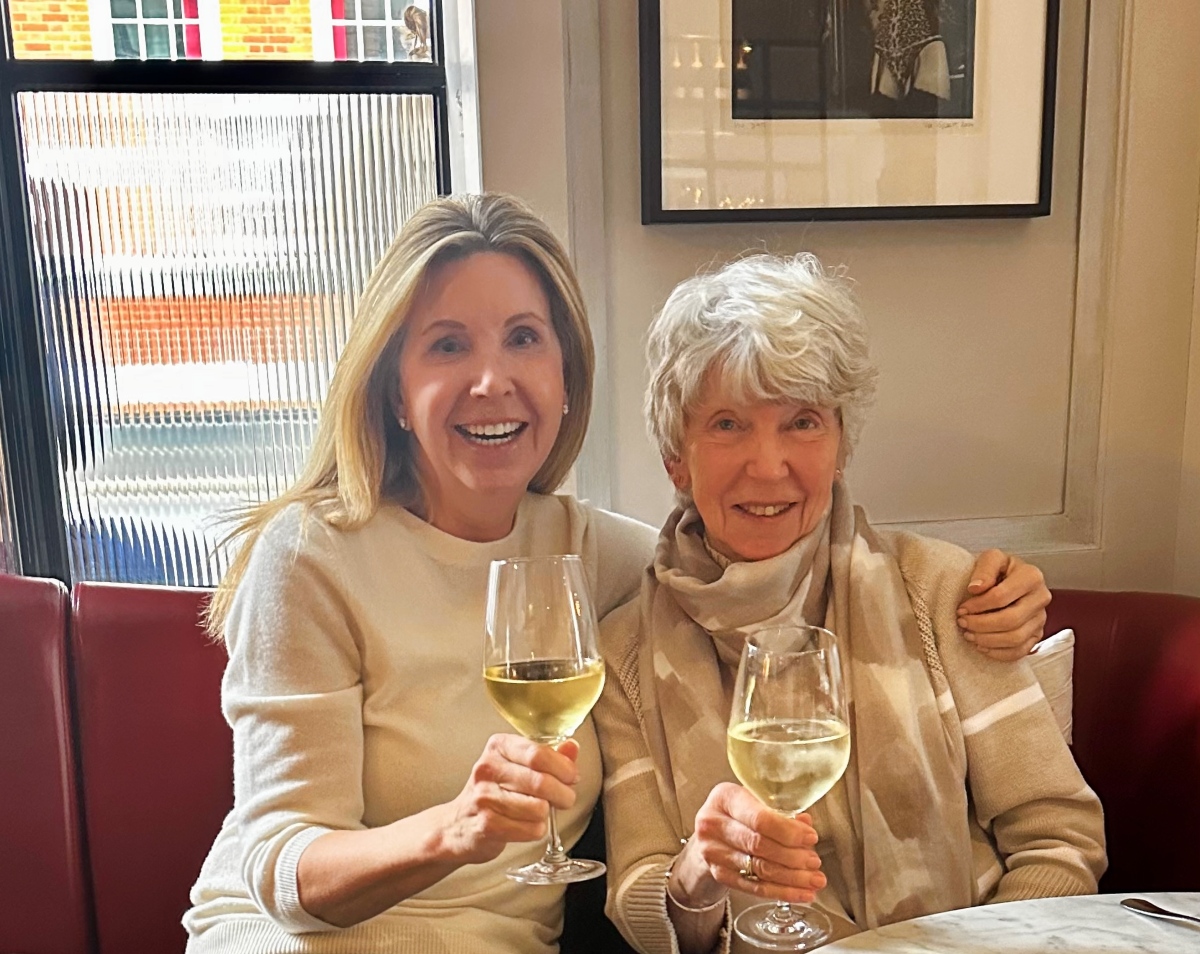
The evolving landscape of modern family travel is increasingly characterized by multigenerational journeys that break traditional demographic molds. Longtime travel planning clients of the family-focused travel advisory network Ciao Bambino recently demonstrated the profound potential of later-in-life tourism through an eight-day expedition across the United Kingdom. Becky O’Grady, an active working professional, embarked on a comprehensive tour with her 86-year-old mother, Jackie Castle. The trip combined historical exploration, urban immersion, and family reunions across London, Bath, the Cotswolds, and Oxford. Carefully curated by Ciao Bambino Senior Travel Advisor Susan Robinson, the itinerary highlights a growing trend among aging parents and adult children seeking to deepen familial bonds, experience cultural enrichment, and challenge conventional assumptions regarding senior mobility and tourism.
Main Facts of the Multigenerational UK Expedition
The cross-continental journey spanned eight days during the spring season, strategically timed around Mother’s Day to avoid the congestion and elevated temperatures of peak European summer tourism. The operational scope of the trip required careful logistical planning, managed primarily by Susan Robinson, to ensure physical accessibility without compromising the intellectual engagement craved by both travelers.
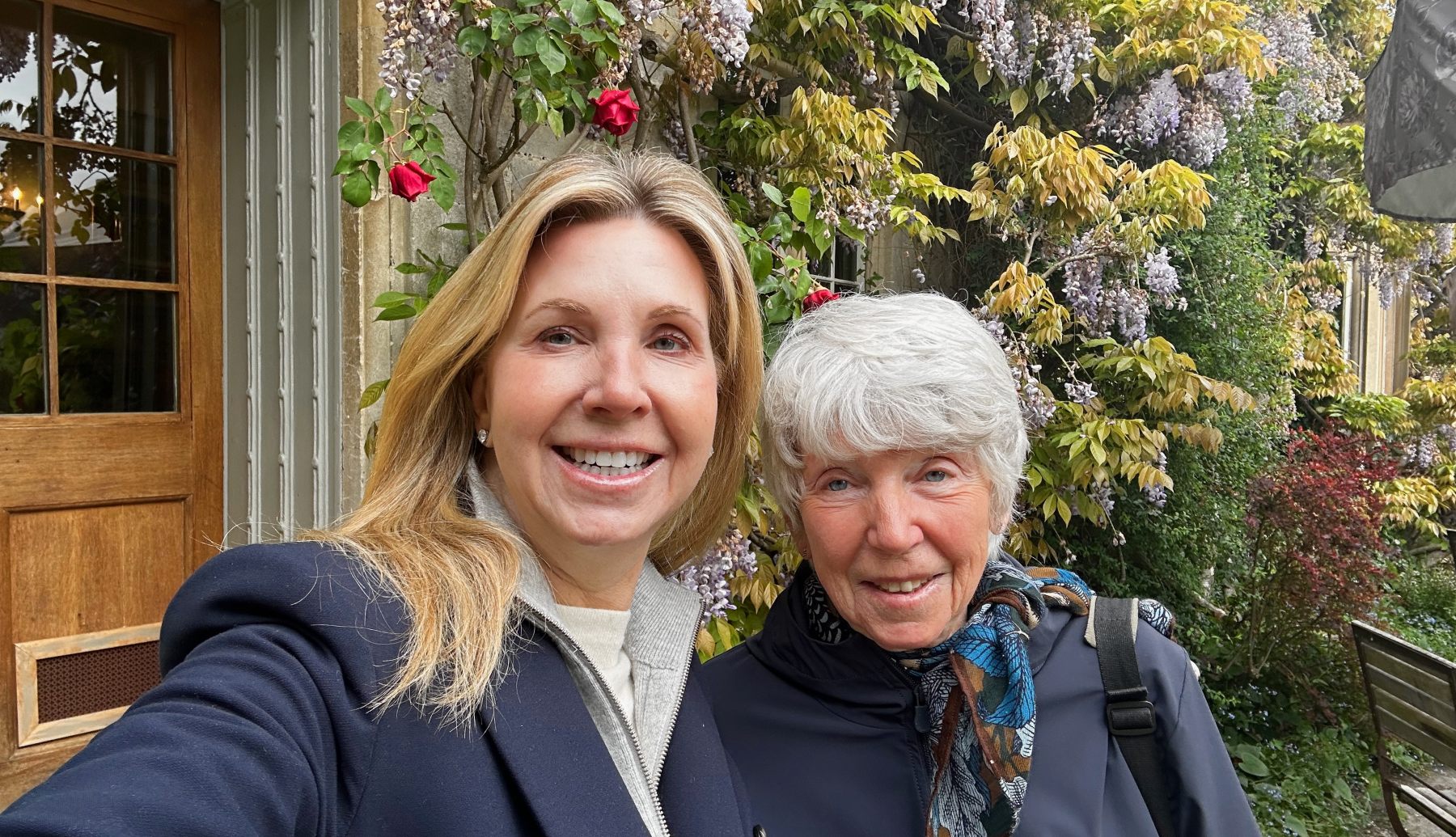
The primary participants—Jackie Castle, an 86-year-old retired academic with a PhD in English, and her daughter Becky O’Grady—utilized a flexible transportation strategy. The itinerary commenced in London, where O’Grady’s adult son resides, providing an authentic window into his daily urban routine. From the British capital, the duo transitioned to Bath via first-class rail travel before acquiring a rental vehicle to navigate the rural topography of the Cotswolds. The final segments of the journey included historical tours in Oxford—where Castle had studied during her youth—and a concluding reunion in London.
Chronology and Itinerary Breakdown
The structured progression of the O’Grady-Castle expedition illustrates the balance required when designing travel for active seniors. Rather than adopting a grueling, high-tempo sightseeing schedule, the travelers implemented a "less is more" methodology.
Day One through Three: London and Intergenerational Immersion
The trip began in London, functioning as a dual-purpose hub for tourism and family connection. Rather than confining interactions to standard restaurant settings, Castle prioritized experiencing her grandson’s lived environment. The trio navigated neighborhood walking routes, visited local grocery stores, and utilized the London Underground network. This foundational phase established a rhythm of shared discovery, culminating in an impromptu cultural outing to a performance of the musical Hamilton upon returning to the capital toward the end of the week.
Day Four: Transit to Bath and Regional Exploration
Leaving London, O’Grady and Castle boarded a train to Bath. Navigating the historic, uneven cobblestone streets required physical stamina and acute spatial awareness. To mitigate fatigue, the travelers utilized a localized pace that prioritized a single anchor activity per day, leaving afternoons open for spontaneous exploration or necessary rest.
Day Five and Six: The Cotswolds and Historic Estates
Transitioning to a rental car allowed the duo the flexibility needed to explore the quintessential English countryside of the Cotswolds. Despite the challenges of driving on the left side of the road, O’Grady successfully navigated regional roadways to reach key historical sites. High-priority stops included the historic home of textile designer and author William Morris, as well as Highgrove House, the private residence of King Charles III. Castle’s academic background in English literature elevated these visits from casual sightseeing to deeply analytical engagements, complete with lighthearted intellectual sparring with local tour guides regarding historical timelines and biographical trivia.
Day Seven and Eight: Oxford Academia and Final London Reunion
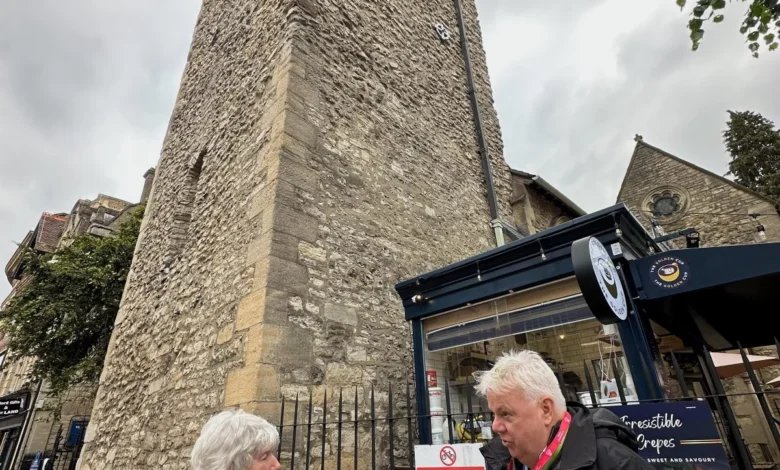
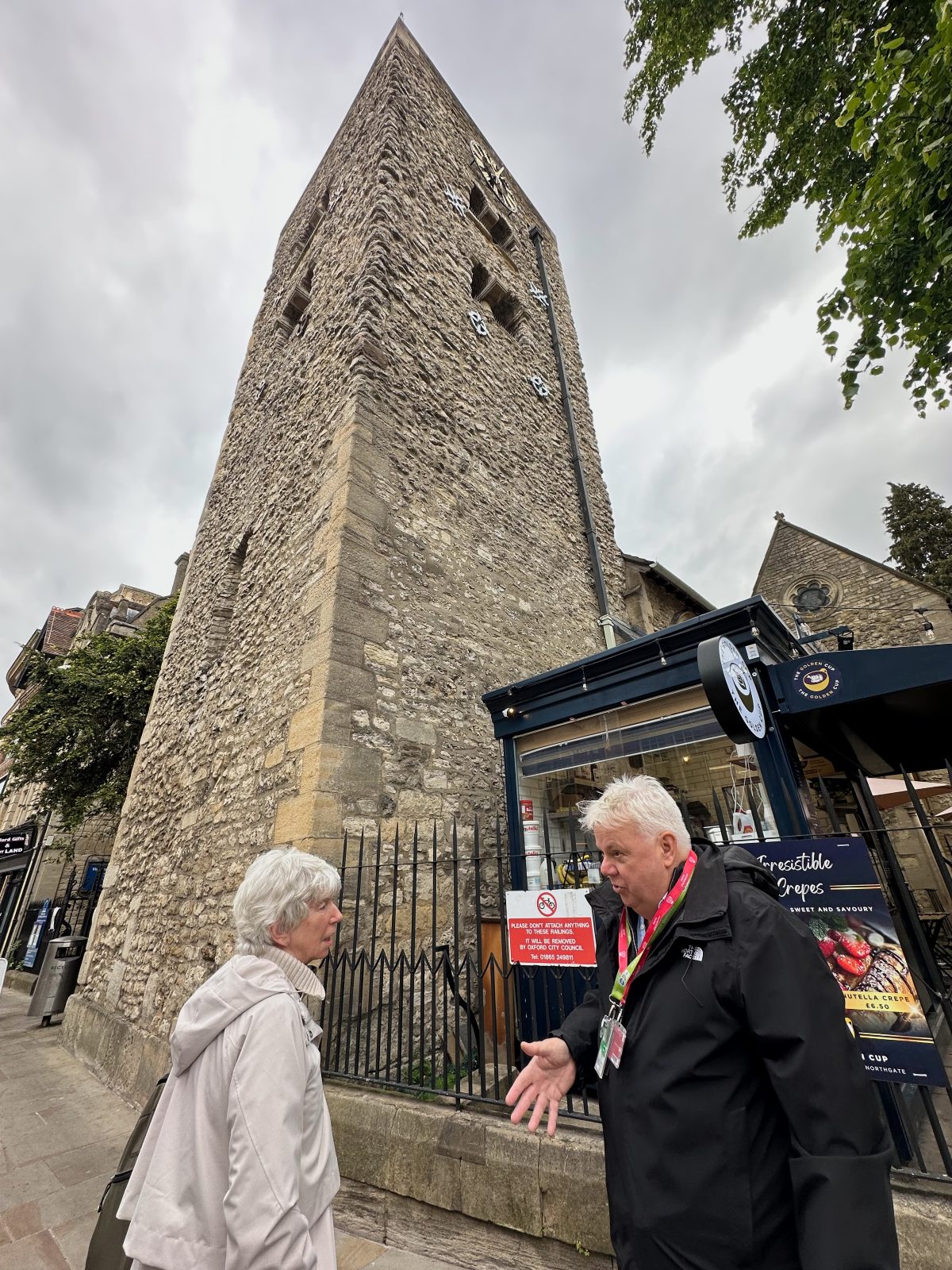
The itinerary looped back through Oxford, providing Castle with a nostalgic return to the academic environment of her youth. Accompanied by a specialized historical guide, Castle engaged in rigorous dialogue concerning local architecture and history. The journey concluded back in London for a final multi-generational gathering before the transatlantic return flight.
Supporting Data and Industry Trends in Multigenerational Travel
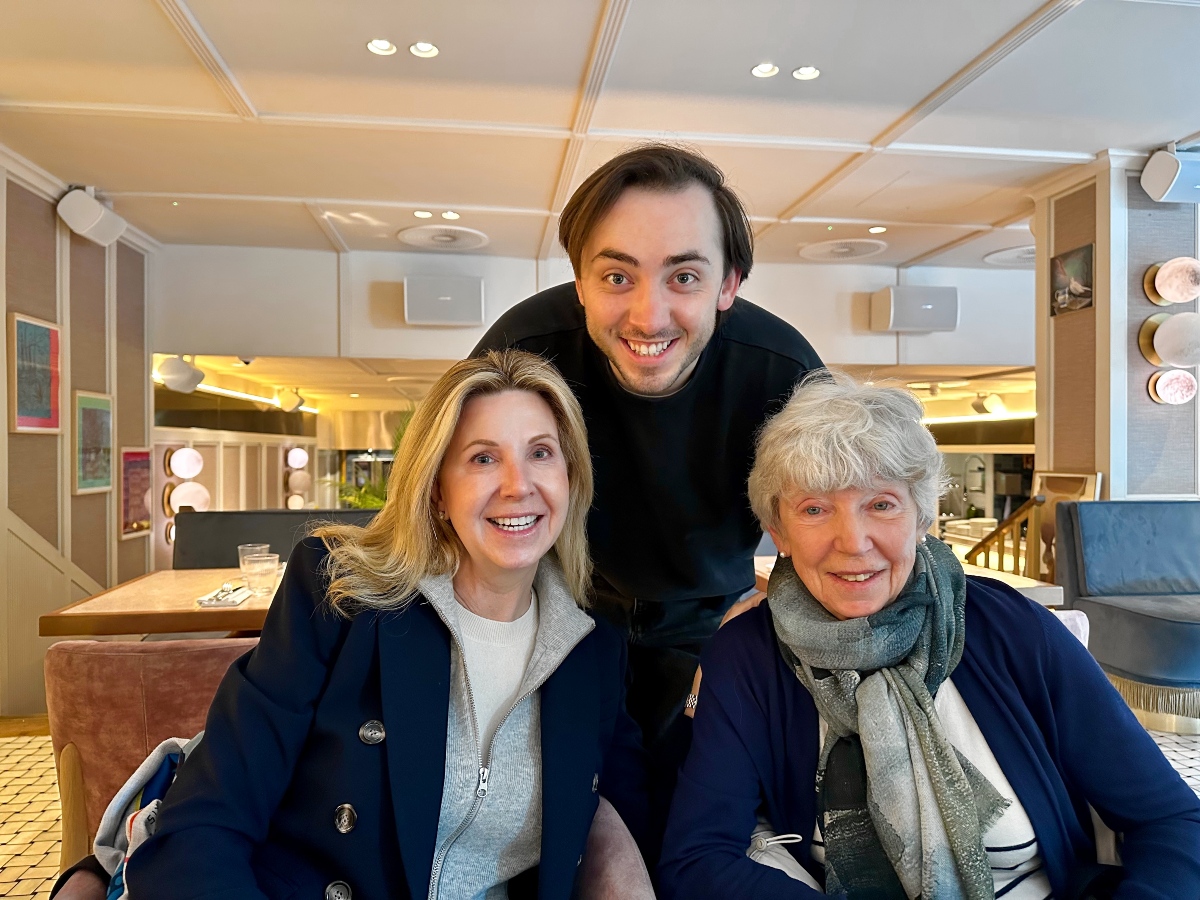
The decision by O’Grady and Castle to undertake an international journey in their 80s and 50s, respectively, reflects broader shifts within the global tourism industry. According to travel sector analysts, multigenerational travel—defined as trips involving three or more generations—has emerged as one of the fastest-growing segments in leisure tourism. Industry surveys consistently indicate that over one-third of leisure travelers plan or participate in multigenerational trips annually, driven by an aging demographic of active baby boomers and a post-pandemic prioritization of shared family experiences over material accumulation.
Furthermore, travel advisors report a significant surge in inquiries related to "empty nest" and senior-inclusive itineraries. These specialized trips require meticulous attention to logistical details, including step-free access, manageable walking distances, comfortable transit options, and paced daily itineraries that prevent physical exhaustion. Agencies like Ciao Bambino have responded by expanding their consulting portfolios to cater specifically to adult children traveling with aging parents, recognizing that modern seniors are maintaining higher levels of physical fitness and intellectual curiosity well into their eighth and ninth decades.
Official Responses and Expert Insights
Reflecting on the operational success of the journey, travel planning professionals emphasize the necessity of personalized curation when dealing with multi-age cohorts. Susan Robinson, the Ciao Bambino Senior Travel Advisor responsible for the itinerary, noted that the core objective was to establish a seamless framework of support that allowed the travelers to focus entirely on their interpersonal connection.
"When planning for clients in their eighties who maintain active lifestyles, the goal is not to restrict their mobility, but to remove friction from the logistics," explained industry analysts reviewing the case study. "Securing trusted accommodations, pre-booking private guides who can adapt to intellectual depth, and arranging comfortable rail and car transfers are the fundamental pillars that make such ambitious travel feasible."
Becky O’Grady offered poignant reflections on the psychological and relational dynamics of the expedition during post-trip interviews. Addressing the subtle role-reversal that occurs as parents age, O’Grady noted the parallels between traveling with elderly parents and managing trips with young children.
"At this stage, there is a certain level of responsibility to ensure safety, well-being, and enjoyment, much like traveling with youth," O’Grady stated. "However, the reward is an unprecedented level of intimacy. My mother remarked at one point that she hadn’t spent this much continuous, one-on-one time with me since I was in high school. The travel forces a shared environment—you are roommates for eight days, which provides a clear lens into how someone is navigating life physically and mentally."
Broader Impact, Implications, and the Economics of Shared Time
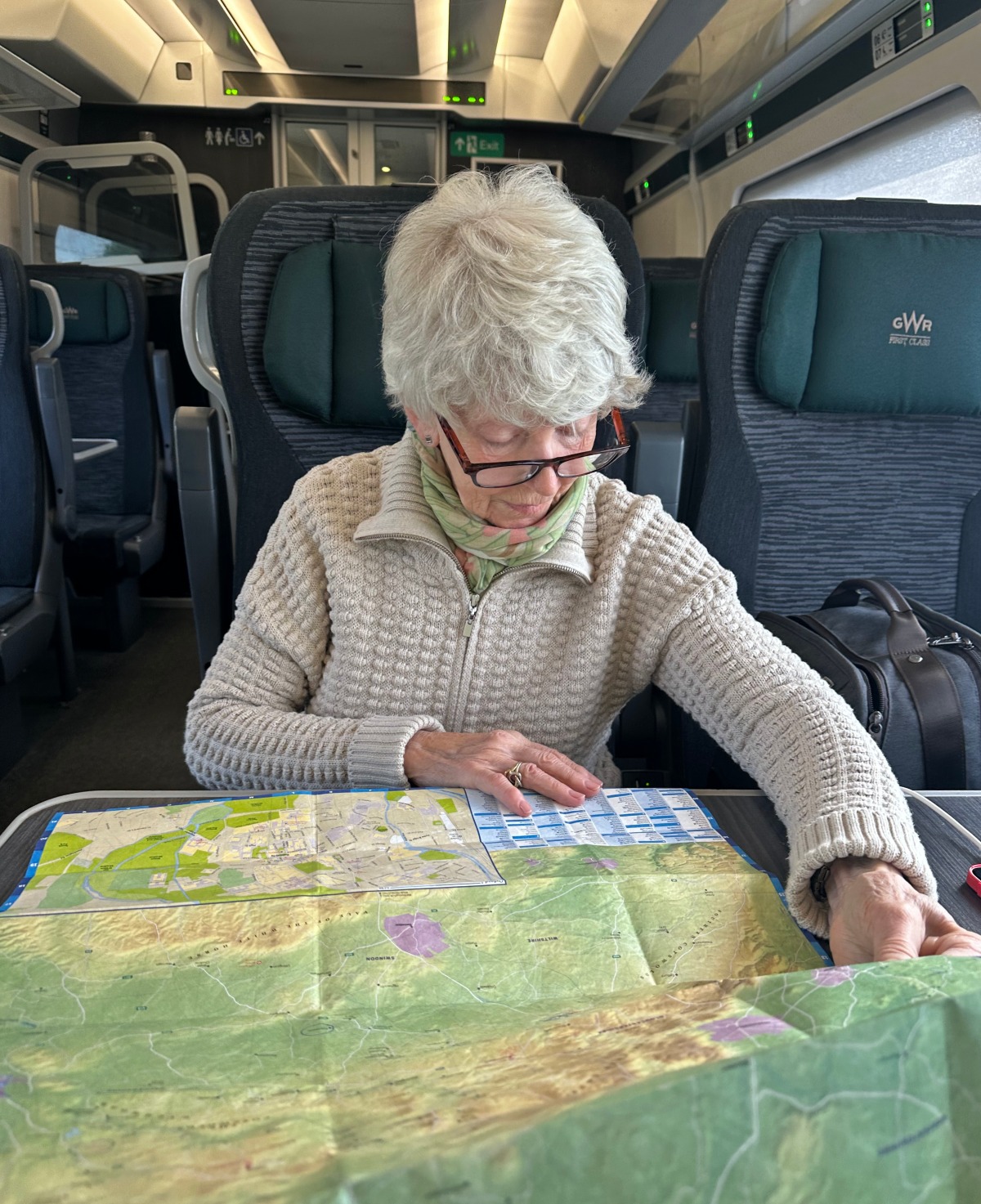
The implications of O’Grady and Castle’s journey extend far beyond a single family vacation, offering a template for how aging populations can maintain active engagement with the world. Sociological studies on aging frequently emphasize the psychological benefits of novelty, lifelong learning, and social connectivity for older adults. Castle’s daily discipline—maintaining a routine of swimming and yoga throughout the trip—exemplifies the active aging model championed by gerontologists.
From an economic perspective, the rise of senior-led family travel represents a lucrative and resilient market sector. Older travelers often possess higher discretionary income and greater scheduling flexibility compared to younger demographics bound by rigid school calendars or entry-level employment leave policies. By opting for shoulder-season travel in the spring, O’Grady and Castle avoided peak pricing and overcrowding while modeling a sustainable approach to international tourism.
Ultimately, the expedition serves as a case study in the evolving definition of family dynamics across the lifespan. As life expectancies rise and populations age globally, the tourism sector is increasingly challenged to accommodate travelers who refuse to let chronological age dictate their geographic horizons. For families navigating similar transitions, the O’Grady-Castle journey demonstrates that with thoughtful planning, strategic pacing, and professional guidance, travel can serve as a powerful bridge connecting generations, preserving family history, and celebrating active longevity.
Related posts: