Skipping Global Entry: How the Mobile Passport Control App is Changing International Travel for Families


For families returning from international destinations, navigating the U.S. Customs and Border Protection (CBP) checkpoints has historically meant facing long queues, restless children, and tedious paperwork. While programs like Global Entry have long offered an expedited pathway, securing interviews for multiple family members—particularly children—often presents logistical hurdles, including scheduling delays at major hubs like Boston Logan International Airport and the necessity of missing school. To bridge this gap, an increasing number of travelers are turning to the Mobile Passport Control (MPC) app, a digital service designed to streamline the reentry process without requiring advanced enrollment interviews or background checks.
Background Context and Evolution of Mobile Passport Control
The Mobile Passport Control framework represents a significant technological shift in how U.S. Customs and Border Protection handles passenger volume at ports of entry. The initiative originated years ago as a private, third-party application that eventually transitioned to a fee-based model before being fully absorbed and revamped by the federal government. Today, the official MPC application is administered directly by U.S. Customs and Border Protection as a free public service.
Unlike Trusted Traveler programs such as Global Entry or TSA PreCheck, the MPC app does not involve pre-screening, background investigations, or fingerprinting. It functions strictly as a digital tool for submitting customs declaration data upon re-entering the United States. Because it bypasses the multi-step application and interview process required for permanent trusted traveler status, the app has emerged as an accessible alternative for infrequent international travelers, families with school-aged children, and anyone who has not yet secured a Global Entry membership.
Operational Mechanics: How the MPC App Functions
The Mobile Passport Control app is available for download at no cost on the Apple App Store and Google Play Store. To utilize the service, travelers establish individual profiles for eligible family members, a process that involves scanning the machine-readable zone of each physical passport and capturing a validation photo.
Upon landing on a U.S.-bound flight—provided there is an active cellular data or Wi-Fi connection—users complete the digital customs declaration questionnaire directly within the application. This submission replaces the traditional paper customs declaration forms previously distributed aboard aircraft. Once transmitted, the application generates individual electronic QR code receipts for each registered family member.
Upon deplaning, travelers follow designated airport signage to a dedicated MPC lane, bypassing the standard general customs queues and electronic kiosks. Passengers present their mobile receipts alongside their physical, unexpired passports to a CBP officer for final inspection. Industry data indicates that while the digital submission drastically reduces terminal wait times, travelers frequently reach baggage claim before checked luggage has completed the transit from the aircraft to the carousel due to the speed of the expedited clearance.
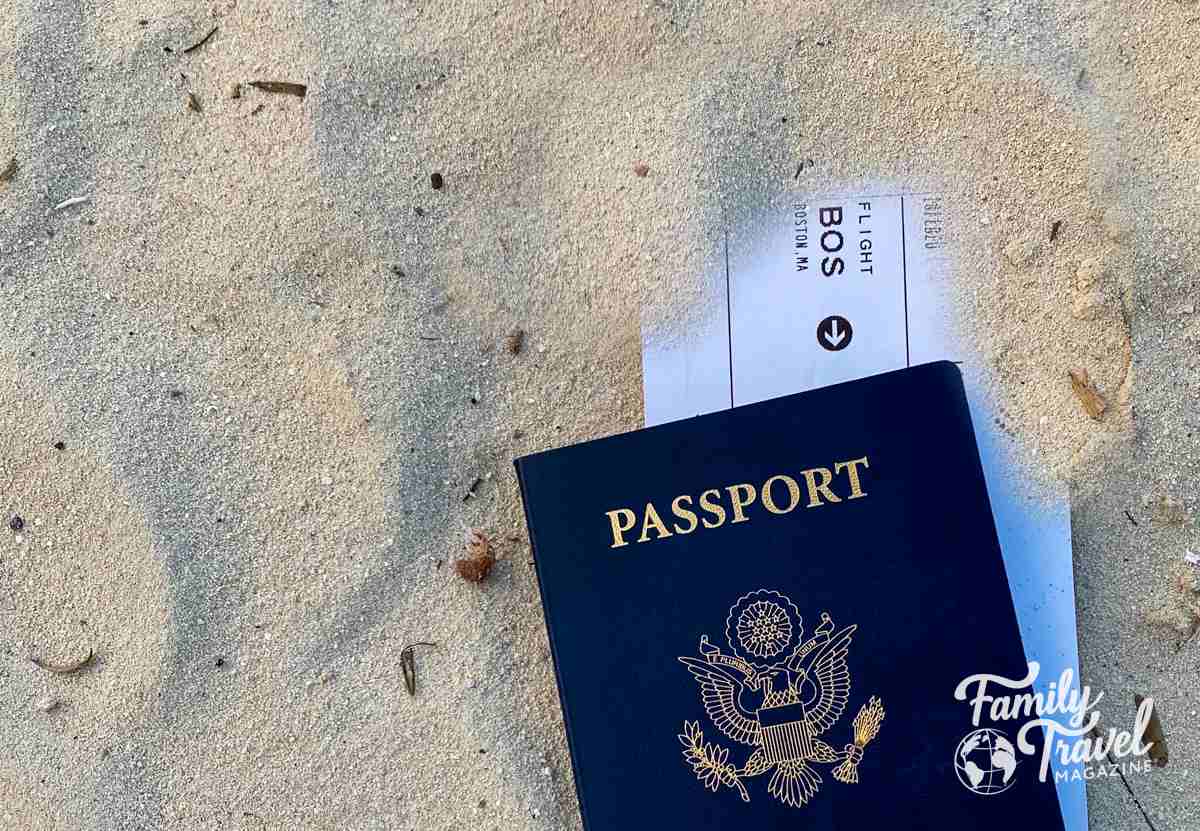
Scope of Availability and Eligible Populations
As of late 2026, the Mobile Passport Control application is operational at 63 designated ports of entry across the United States. This footprint encompasses 37 U.S. international airports, 15 preclearance locations situated in foreign countries, four land border ports of entry, four seaports of entry, and three departure locations. Preclearance facilities are of particular note, as travelers cleared by CBP personnel at these foreign airports bypass standard domestic customs upon landing in the United States.
Eligibility parameters established by CBP restrict the use of the application to specific categories of travelers. The service is available to U.S. citizens, U.S. lawful permanent residents, returning Visa Waiver Program travelers possessing an approved Electronic System for Travel Authorization (ESTA), and Canadian citizens holding B1 or B2 visitor classifications. Families may group up to 12 individual profiles under a single submission, accommodating multi-member households.
Despite its operational efficiency, the app maintains certain operational boundaries. It does not confer TSA PreCheck privileges for domestic departures or security checkpoints, nor does it guarantee exemption from secondary inspection or additional questioning by border officials. Federal guidelines mandate that travelers must still carry and present their physical, valid passports during the clearance process.
Economic and Logistical Implications for Travelers
The widespread adoption of digital clearance tools like Mobile Passport Control reflects a broader push toward touchless and automated travel infrastructure within the aviation sector. For families and casual international travelers, the economic calculus of travel planning is altered by the availability of free alternatives to paid trusted traveler programs. While Global Entry carries a non-refundable application fee per individual and requires in-person interviews that can have months-long waitlists, the MPC app provides immediate access at zero financial cost.
Aviation analysts note that such technologies assist airport operators and federal agencies in managing passenger flow without requiring massive expansions of physical terminal infrastructure. By diverting eligible passengers away from standard processing kiosks and traditional queues, congestion is distributed more evenly across terminal arrival halls.
Nevertheless, travel experts emphasize that the app is most effective when matched with the specific travel habits of the user. For frequent flyers or business travelers crossing borders monthly, the comprehensive benefits of Global Entry—including TSA PreCheck access—remain the industry standard. Conversely, for households embarking on occasional overseas vacations, the Mobile Passport Control application offers a practical, time-saving mechanism that minimizes airport friction without the administrative burden of traditional enrollment programs.