Major Overhaul Ahead: Croatia Prepares to Launch Crolibertas Free-Flow Electronic Toll System on March 1 2027


Croatia is gearing up for one of the most significant modernization projects in the history of its national transportation infrastructure. Effective March 1, 2027, the nation will officially phase out its legacy system of physical motorway toll booths in favor of an advanced electronic, free-flow toll collection network known as Crolibertas. This transition aims to modernize traffic management, reduce severe seasonal congestion, and streamline cross-border travel for millions of domestic commuters and international tourists alike.
The upcoming shift marks the definitive end of a decades-old routine for drivers navigating the Adriatic nation’s sprawling highway network. For years, traveling through Croatia meant pulling up to a toll station, taking a paper ticket, and waiting in extensive queues—particularly during the peak summer tourism months—before paying via cash or card. Under the new Crolibertas framework, these physical bottlenecks will be removed, allowing traffic to flow continuously while overhead electronic gantries log vehicles automatically.
Background Context and the Evolution of Croatian Infrastructure
The decision to transition to a modern electronic tolling system has been years in the making. Croatia’s motorway network, managed primarily by Hrvatske autoceste (HAC) and other concessionaires, has experienced exponential growth in traffic volume over the past two decades. Fueled by the country’s booming tourism sector and its strategic integration into the European Union’s Schengen Area and the eurozone, the transport infrastructure faced unprecedented demand.
During peak summer weeks, traditional toll plazas frequently became severe chokepoints, generating multi-kilometer traffic backups that frustrated travelers and generated elevated vehicle emissions. Recognizing the urgent need for a digital transformation, the Croatian government initiated plans to overhaul the infrastructure. The overarching goal is to align Croatia with modern European interoperability standards, creating a seamless driving experience that mirrors advanced digital tolling initiatives seen elsewhere on the continent.
Timeline and Implementation Phases

The path to the March 1, 2027, launch involves a carefully staged rollout of infrastructure, testing, and public education campaigns.
Throughout 2026, the physical landscape of Croatia’s motorways will undergo a visible transformation. Engineering teams are installing electronic gantries equipped with advanced optical character recognition (OCR) cameras and dedicated short-range communication (DSRC) antennas across the entire motorway network.
Until the official switchover on March 1, 2027, motorists must continue using the existing traditional toll stations and legacy payment methods. There will be no changes to toll payment procedures for drivers traveling through Croatia during the 2026 calendar year.
To ensure a smooth transition for motorists entering the country after the launch, transport authorities are establishing approximately 140 rapid vehicle-registration lanes at strategic border crossings and key access points. These facilities are designed to assist drivers who have not pre-registered their vehicles, allowing them to quickly link their license plates or acquire necessary devices without disrupting the flow of traffic.
How Crolibertas Operates: The Mechanics of Free-Flow Tolling
The core mechanism of Crolibertas is free-flow electronic toll collection. Overhead gantries spanning the motorways will instantly capture vehicle data as cars, trucks, and vans pass underneath at highway speeds. The system calculates the exact distance traveled and applies the appropriate tariff based on the vehicle’s established category.
Motorists driving light passenger vehicles will have two primary avenues to settle their toll obligations:

- Automatic Licence Plate Recognition (ALPR): Cameras mounted on the gantries read the vehicle’s registration plates. To use this method, drivers must pre-register their vehicle online or at designated service points, linking their license plate to a valid credit card or other accepted digital payment method.
- ENC (Elektronička naplata cestarine): Motorists who already utilize Croatia’s established Electronic Toll Collection (ENC) devices can continue to do so. The small transponder unit mounted inside the windshield communicates directly with the toll infrastructure. For light vehicles, the ENC device must remain properly installed and linked to the vehicle’s registration details.
Heavy Commercial Vehicles and Specific Categories
While passenger cars enjoy the flexibility of choosing between ALPR and ENC, heavier vehicles face stricter regulatory requirements. Commercial transport operators, truck fleets, and drivers of large vans, campervans, or motorhomes falling into specific heavy vehicle categories (traditionally classified as categories three and four) will be legally required to utilize dedicated ENC devices rather than relying solely on license plate recognition. Fleet operators are advised to review vehicle classification guidelines well in advance of the March 2027 deadline to ensure full compliance.
Dispelling Common Misconceptions: No Vignette System
A recurring point of confusion among international travelers planning road trips to Croatia is whether the country is adopting a time-based vignette system, similar to those found in neighboring Austria, Slovenia, or Switzerland.
Transport authorities have explicitly clarified that Crolibertas is not a vignette. Croatia is modernizing the collection method of its distance-based toll system, not replacing it with a flat-rate time pass. Motorists will continue to be billed precisely according to the distance driven and their vehicle classification, ensuring that pricing remains proportional to actual motorway usage. Furthermore, the traditional practice of paying cash to a human toll booth operator will be entirely phased out on the open motorway, though designated administrative and sales points will remain available to assist customers with digital registration and payment adjustments.
Implications for International Tourists and Cross-Border Travelers
Foreign motorists represent a substantial share of traffic on Croatian motorways, particularly during the summer vacation season. Drivers arriving from neighboring countries such as Slovenia, Italy, Austria, Hungary, Germany, and Bosnia and Herzegovina will be fully subject to the new Crolibertas framework.
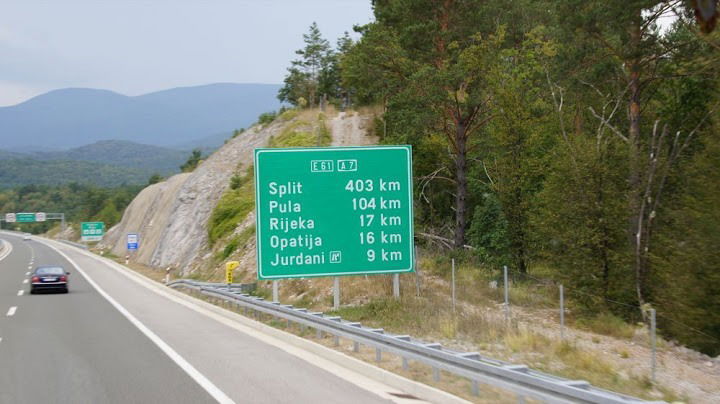
Crucially, foreign-registered vehicles are not automatically exempt from tolls, nor does entering the country exempt a driver from registering their vehicle if they choose the license plate recognition method. Tourists planning extended road trips along the scenic Adriatic coast or through the interior are strongly encouraged to verify their payment arrangements prior to departure. Registering online ahead of time prevents administrative delays upon arrival and ensures an uninterrupted travel experience from the moment they cross the border.
Economic and Environmental Implications
The deployment of Crolibertas is projected to yield substantial long-term benefits for the national economy and the environment. Economists and transport analysts point out that eliminating physical toll plazas drastically reduces fuel consumption associated with idling in long queues, which in turn lowers carbon emissions along major transit corridors.
Furthermore, the removal of physical bottlenecks is expected to optimize logistics and freight transport efficiency across the Trans-European Transport Network (TEN-T) corridors that traverse Croatia. For the tourism sector—a vital pillar of the national economy—the smoother transit experience removes a long-standing point of friction for international visitors, enhancing the overall appeal of self-drive holidays in the region.
Frequently Asked Questions Regarding the 2027 Toll Transition
Do I need to register my car to drive in Croatia?
Registration is not universally mandatory for all vehicles, but it depends entirely on your chosen payment method. If you use an established ENC transponder, separate registration of your license plate is not required in the same manner as the digital system. However, if you opt for the automatic licence plate recognition system, your vehicle must be pre-registered and linked to a valid payment method.
When will the Crolibertas system officially go live?
The nationwide launch of Crolibertas is scheduled for March 1, 2027. Until that date, the existing toll booth infrastructure and payment methods remain fully active.

Will foreign-registered vehicles be required to pay tolls?
Yes. Vehicles with foreign registration plates are fully subject to Croatian motorway tolls and must utilize either an approved ENC device or the registered license plate payment framework.
Can I still purchase a traditional time-based vignette for Croatian motorways?
No. Croatia is not implementing a vignette system. Tolls will continue to be calculated based on distance traveled and vehicle classification via the new electronic free-flow infrastructure.
Will traditional cash payments disappear completely?
The familiar experience of handing cash to an attendant at an open-highway toll booth will end with the launch of free-flow tolling. However, designated service points will remain available for customer support, account management, and alternative payment assistance.