The Vanishing Midnight Windows: How Split’s Working-Class Street Food Culture is Quietly Being Rewritten

The culinary identity of Split, Croatia’s vibrant second-largest city, is internationally celebrated for its upscale coastal dining, traditional Dalmatian seafood, and slow-cooked delicacies served within ancient Roman stone walls. However, far from the tourist-heavy promenades and upscale taverns of the Riva and Varoš, a distinct, unpretentious culinary ecosystem thrives in the city’s residential neighborhoods. This working-class street food culture—characterized by neighborhood bakeries (pekare), tiny 3-by-2-meter walk-up windows, and round-the-clock grills—has long served as the gastronomic backbone of local daily life. Offering affordable, hearty meals for just a few euros, these establishments cater to students, shift workers, beachgoers, and late-night revelers alike. Today, however, this deeply ingrained urban tradition faces a silent transformation, caught between the rising tide of global fast-food franchises, the convenience of app-based food delivery, and the gradual gentrification of traditional street eats into sit-down restaurant fare.
Main Facts and Everyday Staples of the Local Food Culture

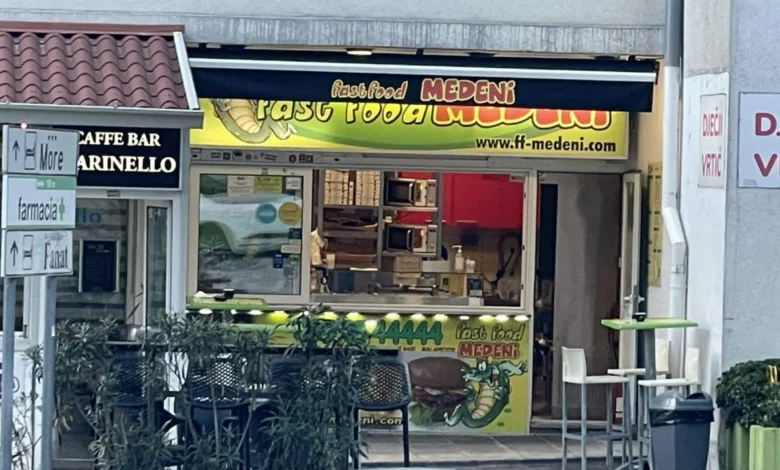
Unlike standard American or Western fast-food chains, the street food of Split defies simple categorization. It operates through two primary formats: neighborhood bakeries featuring glass display cases brimming with savory and sweet pastries, and diminutive, independent takeaway kiosks equipped with little more than a flat-top grill, a commercial toaster, and occasionally a pizza oven.
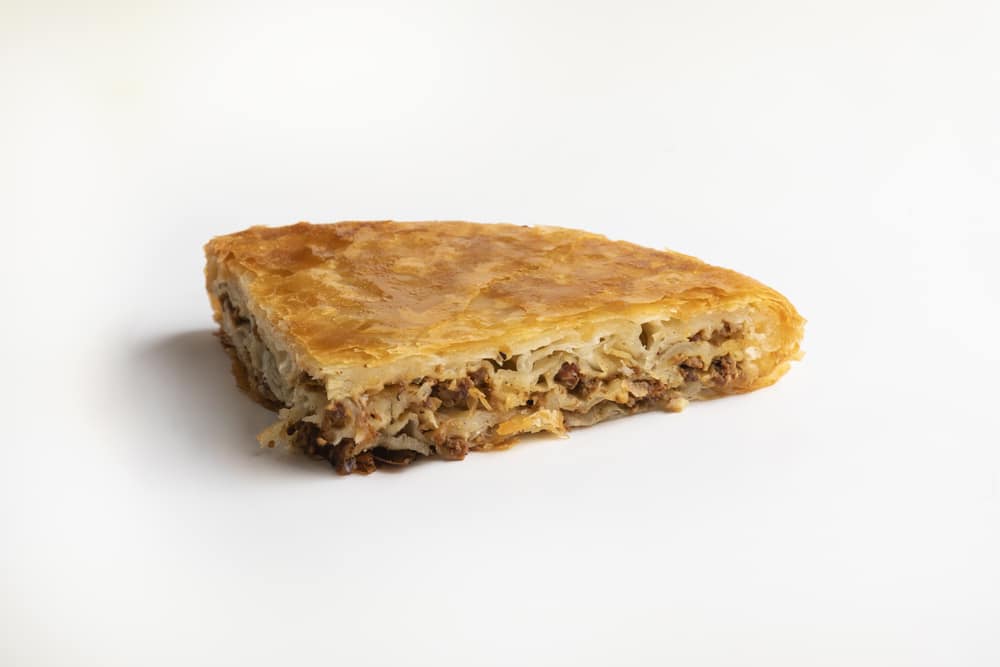
Among the staple items defining this culture is burek, a flaky, layered pastry filled with spiced minced meat or fresh cheese, traditionally consumed in the dead of night. Another ubiquitous favorite is the krafne—Croatian doughnuts distinguished by their lack of a central hole, generously filled with chocolate, apricot jam, or custard, and famously served warm out of bakery back doors late into the evening.
Further expanding this local menu are topli sendviči (toasted sandwiches stacked with ham, cheese, and a customizable array of toppings ranging from pickles and corn to boiled eggs) and piletina u tijestu (grilled chicken pieces wrapped in pizza dough and baked). Additionally, the Balkan classic ćevapi—small, grilled minced meat cylinders served inside a fresh flatbread (lepinja) with raw onions, ajvar (red pepper relish), and kajmak (clotted cream)—remains a cultural touchstone. Originally eaten standing up on the pavement, these items represent a vital component of the city’s social fabric.

Chronology and Evolution of Split’s Street Food Landscape
The roots of Split’s modern fast-food culture stretch back decades, anchored by resilient, family-run establishments that have weathered multiple political and economic eras. The chronology of these culinary institutions highlights their deep integration into the city’s history:
- 1967: Kantun Paulina opens its doors, establishing a legendary reputation for serving late-night ćevapi to generations of Split residents on the go.
- 1989: Popaj, a family-run fast-food institution, launches its operations, eventually expanding to multiple locations and embedding itself so deeply into local pop culture that it is referenced in modern Croatian hip-hop and pop tracks by artists such as Dječaci and Domenica.
- 2001: Medeni opens its first location, eventually growing into a small regional chain with outlets spanning across Split and neighboring Kaštela.
- Post-2020 (COVID-19 Era): The pandemic accelerates a structural shift in consumer habits, driving nearly all local fast-food vendors to adopt delivery platforms such as Wolt and Glovo, while international franchise giants simultaneously expand their footprints into regional shopping malls.
Supporting Data and Market Shifts
While individual legacy vendors continue to command loyal followings, broader macroeconomic and consumer trends are reshaping the landscape. According to recent urban retail observations in Dalmatia, foot traffic at traditional walk-up counters during late-night and transitional hours has seen a measurable decline, even as overall consumption of quick-service food remains high.
This shift is largely attributed to the proliferation of multinational franchise chains—including McDonald’s, KFC, and Burger King—which have established a strong presence in suburban shopping complexes. These corporate competitors offer predictable standardized menus, ample air-conditioned seating, and free parking, drawing motorists away from neighborhood kiosks. Furthermore, the ubiquity of third-party delivery applications has altered the fundamental premise of street food. Historically designed to nourish people actively moving through public spaces, much of this cuisine is now consumed in domestic isolation, threatening the physical street-level vitality that birthed these traditions.
Official Responses and Industry Perspectives

Local culinary historians, cultural preservationists, and longtime vendors have voiced growing concern over the institutional erasure of these micro-establishments. While no formal municipal legislation currently protects these commercial kiosks, cultural analysts point out that the transformation of items like ćevapi from accessible street food into upscale, sit-down restaurant dishes reflects a broader commercialization of the region’s culinary heritage.
Independent operators note that rising operational costs, generational shifts in labor availability, and changing municipal zoning regulations further complicate the survival of small-footprint eateries. Conversely, some successful local operators have adapted by scaling their brands across multiple neighborhoods, proving that demand for authentic local flavors persists, provided businesses can navigate modern logistical pressures.
Broader Impact and Socio-Economic Implications

The potential decline of Split’s traditional street food culture extends far beyond the loss of a cheap, late-night meal. Sociologists emphasize that open-air counters, neighborhood bakeries, and round-the-clock kiosks function as vital civic spaces where diverse segments of the urban population—from law enforcement officers and taxi drivers to students and laborers—interact on equal footing.
If economic pressures and consumer migration toward digital delivery apps and suburban franchise malls succeed in rendering these physical spaces obsolete, the city risks losing a tangible archive of its contemporary working-class history. While the food itself may survive in digital form or within sanitized restaurant environments, the spontaneous, egalitarian street-level culture that defines the soul of modern Split will be permanently diminished.