The Comprehensive Guide to the Essential Digital Toolkit for the Modern Freelance Workforce


The global freelance economy has undergone a significant transformation since 2019, evolving from a supplementary income model into a primary career path for millions of professionals. As remote work becomes the standard for independent contractors, the reliance on specialized digital infrastructure has transitioned from a convenience to a necessity. Managing a freelance enterprise requires a sophisticated synthesis of productivity, financial management, communication, and health-tracking tools to maintain operational continuity.

The Evolution of the Independent Workforce
According to data from the World Bank and various labor market reports, the number of independent contractors has surged as businesses increasingly favor agile, project-based talent over traditional full-time hiring. This shift has necessitated a new standard of administrative rigor. A solo practitioner functions simultaneously as a CEO, marketing director, accountant, and operations manager. Without the structural support of a traditional corporate environment, the efficacy of a freelance business is now directly correlated with the quality of its digital toolkit.

Categorizing the Modern Freelance Ecosystem
To achieve sustained profitability and operational efficiency, freelancers must address five core pillars of business management. Each category serves a specific function in mitigating the inherent risks of self-employment, such as income instability, administrative burnout, and project mismanagement.

I. Advanced Productivity and Time Management
Time is the primary commodity for any freelancer, regardless of whether they charge by the hour or by the project. The ability to audit how hours are allocated is essential for accurate pricing and market competitiveness.

- Time Tracking Analytics: Tools like Clockify and Toggl have become industry standards. These platforms provide empirical data on project velocity. By analyzing the time spent on specific deliverables, freelancers can identify “scope creep” and adjust their rates to ensure their hourly earnings remain aligned with market standards.
- Workflow Orchestration: Platforms such as ClickUp and Asana have replaced manual spreadsheets. These tools allow for complex project mapping, enabling contractors to manage multiple clients simultaneously while providing transparency through shared boards. Asana, in particular, has seen widespread adoption due to its ability to handle long-term content scheduling, which is critical for those in creative or digital marketing roles.
II. Streamlining Financial Operations
Financial health is the most common point of failure for new freelancers. The transition from informal billing to integrated accounting systems is a critical milestone for any growing business.

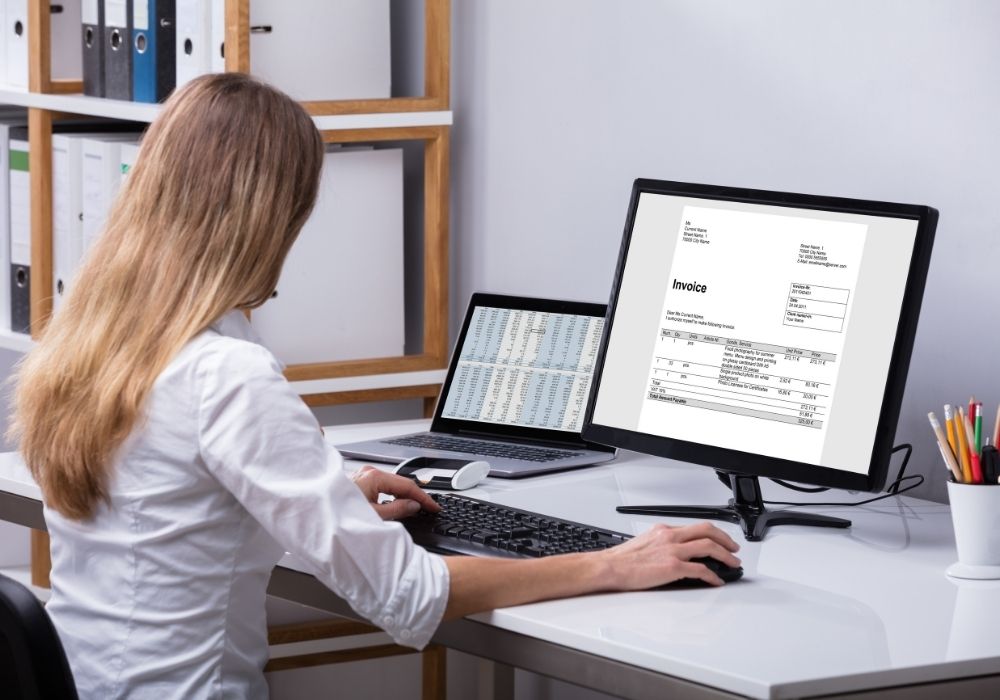
- Integrated Invoicing: Software such as HoneyBook and Dubsado offer all-in-one client management systems. These platforms automate the invoice-to-payment lifecycle, including the delivery of automated reminders for overdue accounts. This reduces the administrative burden on the freelancer and improves cash flow consistency.
- Accounting and Tax Readiness: For those requiring robust financial oversight, Wave and QuickBooks provide double-entry accounting capabilities. Unlike simple payment gateways, these platforms allow for the categorization of business expenses, simplifying the tax preparation process—a vital requirement for independent contractors who must handle their own withholdings.
- Trusted Payment Gateways: PayPal remains a global standard due to its ubiquity and the trust factor it carries with international clients. While transaction fees apply, the reliability of the platform often outweighs the cost for small-scale freelance writing or design commissions.
III. Communication and Client Relations
In a distributed work environment, communication is the primary bridge between a contractor and their client base. The objective is to maintain professional boundaries while ensuring high-quality collaboration.

- Asynchronous Communication: Tools like Loom have revolutionized how professionals provide feedback and technical support. By allowing users to record screen-based tutorials, freelancers can reduce the need for live meetings, respecting both their time and the client’s schedule.
- Instant Messaging Protocols: Slack has become the corporate standard, allowing for organized communication without the necessity of sharing personal contact details. For more informal or voice-heavy client relationships, Voxer offers a unique “walkie-talkie” functionality that allows for high-context communication without the scheduling constraints of a traditional phone call.
- Virtual Conferencing: Zoom continues to dominate the video-conferencing sector, serving as the digital equivalent of a boardroom. Integration with calendar-booking software, such as Calendly, allows for a frictionless scheduling process that eliminates the back-and-forth typical of setting up consultation calls.
IV. Data Security and Organization
As freelancers handle sensitive client information, secure and efficient data management is a legal and ethical requirement.

- Cloud Storage Solutions: Google Drive remains the premier tool for collaboration, offering real-time editing and compatibility with most clients’ internal systems. For more specialized needs, Dropbox offers robust file management and “Paper Docs,” which cater to teams that require heavy documentation.
- Credential Management: LastPass has emerged as an essential security tool. By utilizing a password manager, freelancers can securely receive and store client login credentials, ensuring that sensitive data is protected behind an encrypted vault. This also mitigates the risk of unauthorized account access.
V. Sustaining the Freelance Workforce: Health and Wellness
The blurring of lines between home and office creates unique physiological risks for freelancers. Without a corporate wellness program, independent contractors must manage their own health metrics.
- Physiological Tracking: Wearable technology, such as WHOOP, provides granular data on recovery and stress levels. Unlike basic step counters, these devices provide insights into the body’s response to high-pressure deadlines.
- Structured Wellness: Applications like Nike Training Club and Yoga for Beginners provide guided routines that require minimal to no equipment. These tools are essential for mitigating the sedentary nature of remote work, preventing physical strain, and providing a mental reset during high-stress periods.
The Role of Marketplaces in Business Development
While internal systems manage daily operations, the challenge of client acquisition remains constant. Platforms such as Upwork serve as the infrastructure for the freelance marketplace. By centralizing the contract process, payment security, and dispute resolution, Upwork lowers the barrier to entry for new contractors. Analysts note that while these platforms take a percentage of earnings, the value proposition—access to global clients and protected payment systems—remains a core component of a sustainable freelance business model.

Broader Implications for the Future of Work
The proliferation of these digital tools has enabled a "borderless" workforce. As the technology stack for freelancers continues to mature, the distinction between a traditional employee and an independent contractor will likely continue to diminish in terms of capability. However, the onus remains on the individual to curate a suite of tools that balances functionality with cost.

The most successful freelancers are those who treat their business as a technological entity. By investing in scalable systems early, contractors can shift their focus from administrative maintenance to high-value service delivery. Whether it is through the automation of invoicing or the optimization of daily workflows, the right digital toolkit is the foundation upon which a professional, scalable, and resilient freelance business is built. As the industry evolves, those who master these digital assets will be best positioned to thrive in an increasingly competitive global market.
Related posts: