The definitive guide to the finest luxury hotels in Mexico City as the capital cements its status as a global tourism powerhouse

For years, the discourse surrounding Mexico City was dominated by its status as a culinary mecca, with international travelers prioritizing Michelin-starred dining and clandestine speakeasies while treating accommodation as an afterthought. However, as of November 2026, the narrative has shifted dramatically. The city has transitioned into one of the world’s most sophisticated hospitality markets, driven by a surge in high-net-worth tourism, the revitalization of historic colonial estates, and the arrival of global luxury brands that have finally embraced the vertical architecture of the capital.

This evolution is not merely anecdotal. According to the Mexico City Tourism Secretariat, luxury hospitality occupancy rates in the Reforma and Polanco districts have climbed by 18% since 2023, signaling a robust demand for high-end lodging that balances modern comfort with the city’s deep-rooted cultural heritage.
A Chronology of the Hospitality Renaissance
The transformation of the Mexico City hotel landscape can be traced back to the late 2010s, when the city began to move away from purely business-centric lodging toward lifestyle-focused luxury.

The initial wave of development began in 2019, with the opening of the Sofitel Mexico City Reforma. By introducing a French-inspired, high-rise luxury model that utilized the city’s skyline as a primary amenity, it set a new benchmark for competitors. Prior to this, the market was dominated by legacy properties such as the Four Seasons Hotel Mexico City and the St. Regis, both of which have since undergone extensive, multi-million dollar renovations to remain competitive with the influx of boutique newcomers.
By 2024, the focus shifted toward "adaptive reuse" projects. Developers began identifying underutilized architectural landmarks—such as early 20th-century mansions in Roma Norte and Condesa—and converting them into ultra-exclusive, low-inventory boutique hotels. This shift catered to a specific segment of affluent travelers seeking privacy, architectural integrity, and proximity to the city’s thriving art scene.

Key Players in the Current Luxury Landscape
The current market is defined by a diverse portfolio of properties, each serving a distinct segment of the luxury traveler.
The High-Rise Icons
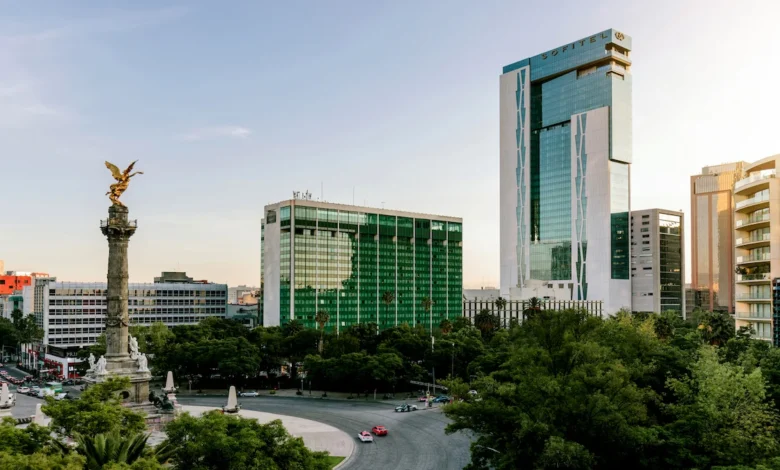
The Sofitel Mexico City Reforma and The St. Regis Mexico City represent the apex of vertical luxury. These properties provide international travelers with the expected standards of global chains, integrated with localized service. The Sofitel, in particular, is frequently cited for its strategic location overlooking the Angel of Independence, offering a vantage point that serves as a visual anchor for tourists navigating the Paseo de la Reforma.

The Boutique Heritage Revival
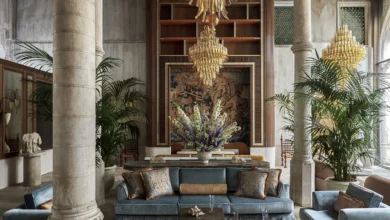
At the other end of the spectrum are the boutique properties that define the charm of neighborhoods like Roma and Polanco. Properties such as the Brick Hotel or the newly renovated mansions near Parque México provide a curated experience. These hotels typically feature fewer than 30 rooms, prioritizing personalized concierge services, private courtyards, and direct engagement with the neighborhood’s local galleries and boutiques.
The Design-Forward Modernists
Recent openings in 2025 and 2026 have emphasized "experiential luxury." These hotels operate on the premise that the hotel is a destination in itself. With in-house mezcal bars, rooftop wellness centers, and partnerships with local Mexican designers to furnish common spaces, these establishments aim to immerse the guest in the contemporary creative spirit of the city.

Supporting Data and Market Trends
The rapid expansion of the luxury hotel sector in CDMX is supported by several economic and demographic indicators.
- Foreign Direct Investment: The hospitality sector in Mexico City saw an influx of approximately $450 million in capital investment between 2023 and 2026, aimed at both new builds and the refurbishment of existing luxury assets.
- Average Daily Rates (ADR): Data indicates that the ADR for luxury hotels in Mexico City has seen a steady annual growth of 7% over the past three years. This growth is attributed to the increasing length of stay for international travelers, who are now averaging five nights compared to the previous standard of three.
- Tourism Spend: Beyond accommodation, the "luxury tourism ecosystem"—which includes private tours, high-end gastronomy, and guided art experiences—has seen a 25% increase in revenue, suggesting that luxury travelers are spending more broadly within the local economy.
Official Perspectives and Industry Reaction
Representatives from the National Chamber of the Restaurant and Condiment Industry (CANIRAC) and the Hotel Association of Mexico City have expressed optimism regarding this upward trajectory.

"The integration of international luxury standards with the unique, vibrant personality of Mexico City has created a product that is currently unrivaled in Latin America," stated a spokesperson for the local tourism board during a press conference earlier this month. "We are seeing a shift from ‘stopover’ tourism to ‘destination’ tourism, where the quality of the stay is as significant as the quality of the cuisine."
Industry analysts also point to the strategic importance of this development for the city’s global standing. By elevating its hotel inventory, Mexico City is effectively competing with cultural capitals such as Paris, Tokyo, and New York, not just for the budget-conscious backpacker, but for the discerning traveler who demands seamless, world-class service.

Broader Implications for Mexico City
The growth of the luxury sector is not without its complexities. The proliferation of high-end hotels has contributed to the broader gentrification of historic districts, raising questions about urban planning, infrastructure, and the preservation of local community character.
However, from an economic standpoint, the implications are largely positive. The sector has created thousands of jobs in high-skill service roles, including hospitality management, specialized culinary arts, and bilingual concierge services. Furthermore, the push for luxury has necessitated improvements in public safety and urban beautification in the core tourist corridors, providing secondary benefits to local residents.

The long-term success of this hospitality boom will likely depend on the industry’s ability to maintain the authenticity that draws visitors to Mexico City in the first place. As the market reaches a saturation point for traditional luxury, experts predict the next phase of growth will be in "sustainable luxury"—properties that minimize environmental impact while maximizing cultural impact through deep community engagement.
Conclusion
As we look toward 2027 and beyond, the luxury hotel market in Mexico City appears to have reached a state of maturity. It has successfully moved past the phase of merely "entering the chat" to becoming a leading voice in the global hospitality conversation. For the traveler, this means that the decision of where to stay in the capital is no longer a matter of convenience, but an integral part of the experience itself.

Whether it is the panoramic views from a Reforma skyscraper or the quiet sophistication of a restored Roma mansion, the city’s accommodations now offer a comprehensive reflection of the dynamic, multifaceted metropolis that lies outside their doors. The era of the Mexico City hotel as a hidden gem is over; the era of the world-class, luxury destination is firmly established.