Unapologetic Survivors: The Ecological Paradox and Cultural History of New Zealand’s Weka


New Zealand’s native avifauna is frequently defined by fragility, elusive nocturnal habits, and steep population declines driven by introduced mammalian predators. Amidst the iconic and heavily managed species such as the kiwi, the kākāpō, and the takahē, the weka (Gallirallus australis) occupies a uniquely disruptive ecological and cultural niche. A large, flightless bird belonging to the rail family (Rallidae), the weka is neither uniformly revered nor universally protected in public perception, often balancing between a nuisance pest and a resilient survivor. As conservationists push toward ambitious national goals like Predator Free 2050, the weka presents a complex management challenge characterized by high adaptability, opportunistic predation, and a persistent, fearless demeanor that has captivated travelers, naturalists, and indigenous communities for centuries.
Taxonomy, Physical Characteristics, and Behavior

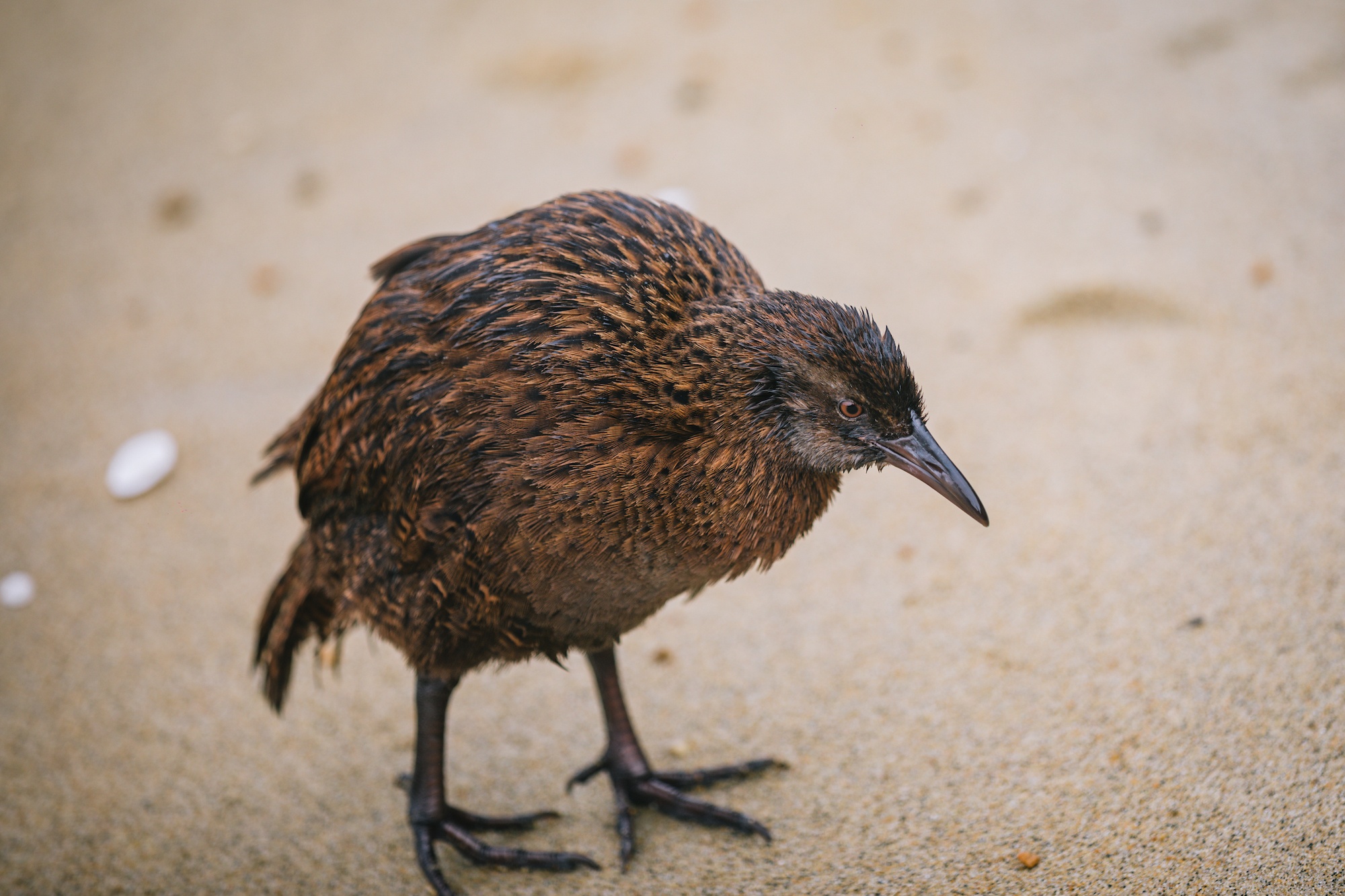
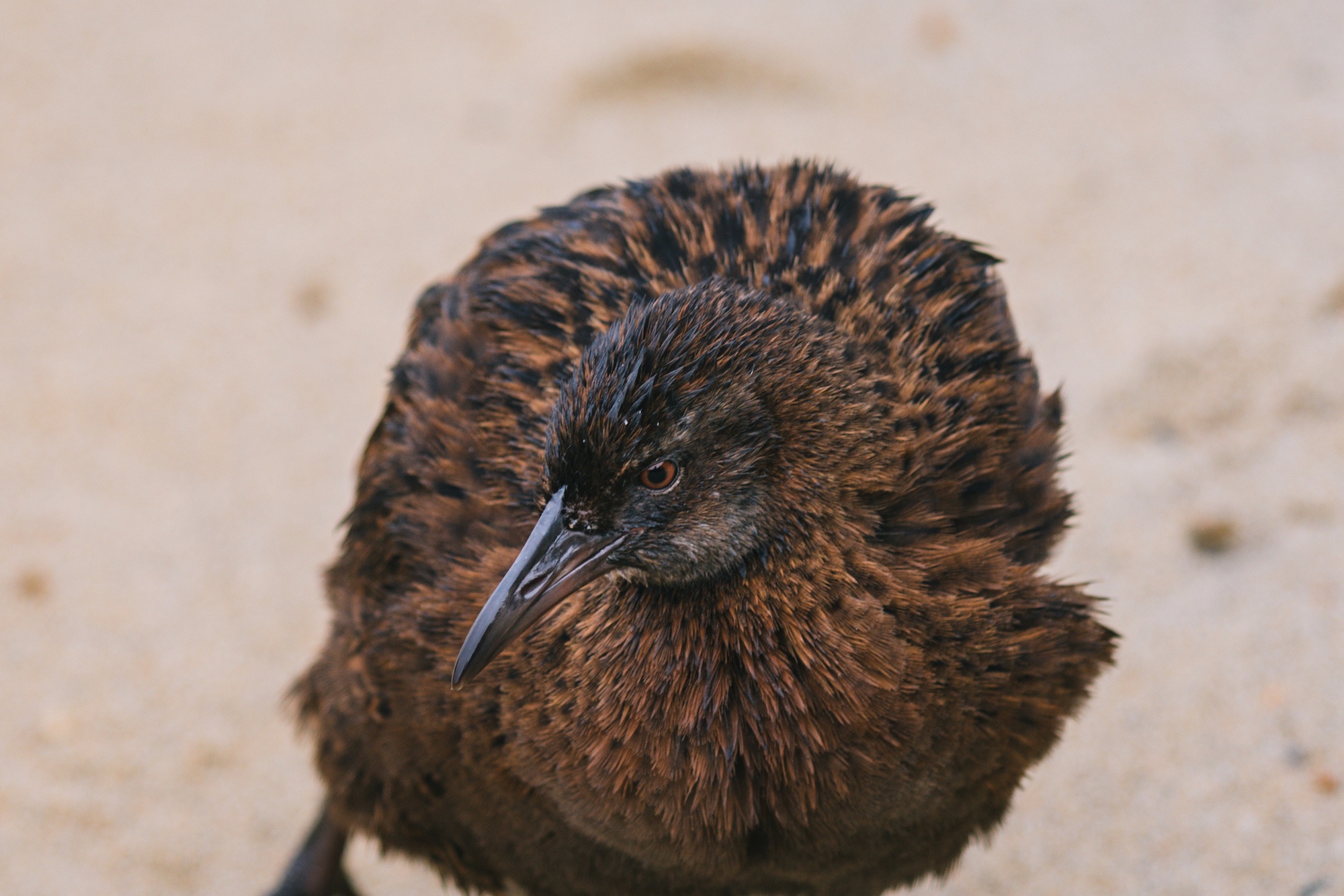
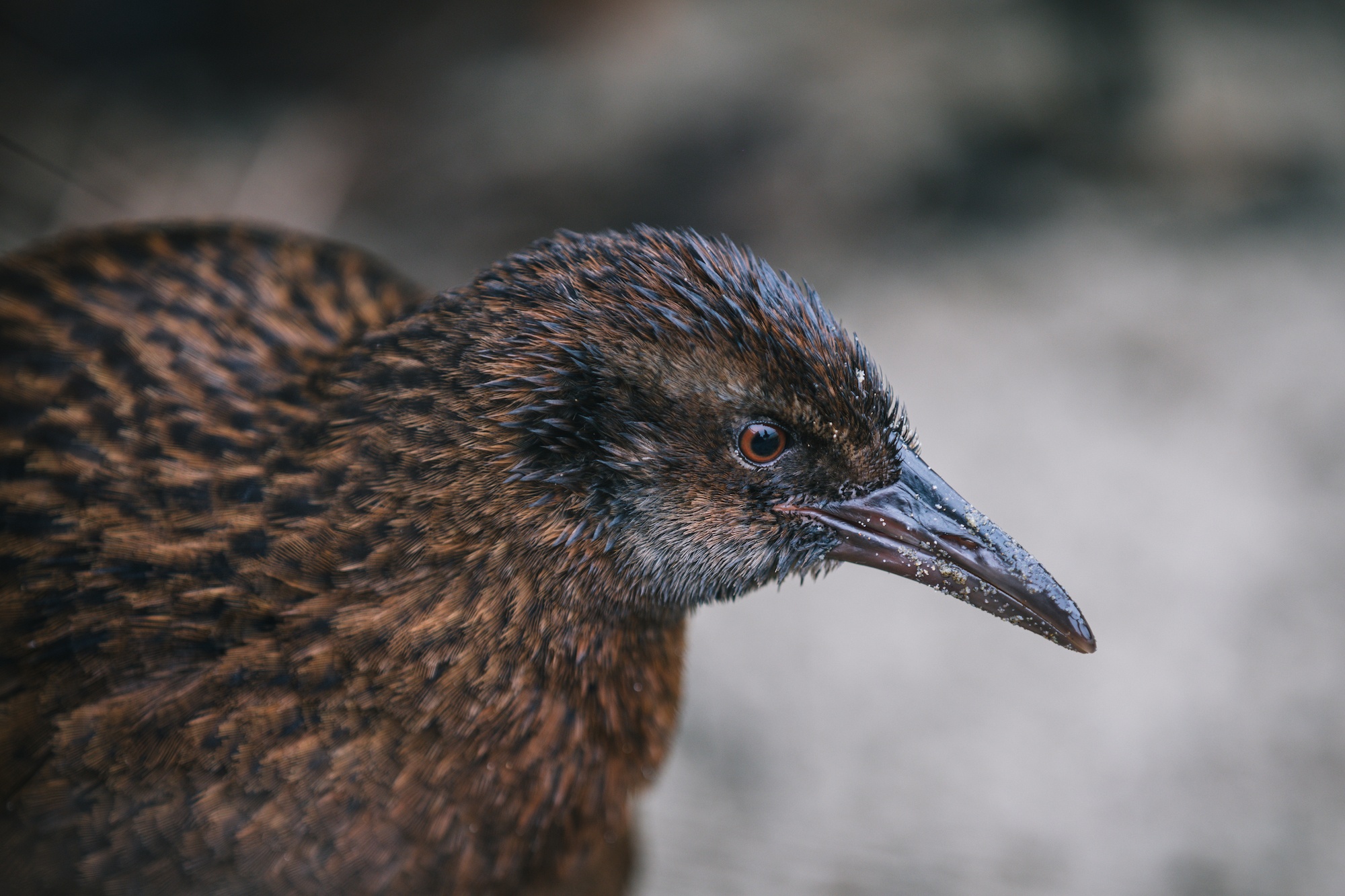
Biologically, the weka is a robust, ground-dwelling bird weighing roughly between 500 grams and 1.5 kilograms, with females generally smaller than males. Exhibiting a distinctly round, hefty silhouette supported by powerful legs, the species possesses reduced wings incapable of flight. Plumage varies across the four recognized subspecies—including the North Island weka, western weka, eastern weka, and Stewart Island weka—ranging from deep chestnut and tawny brown to dark charcoal infused with grey and black streaking. One of their most striking physiological features is their intense, reddish-orange eyes, which complement an inherent inquisitiveness.
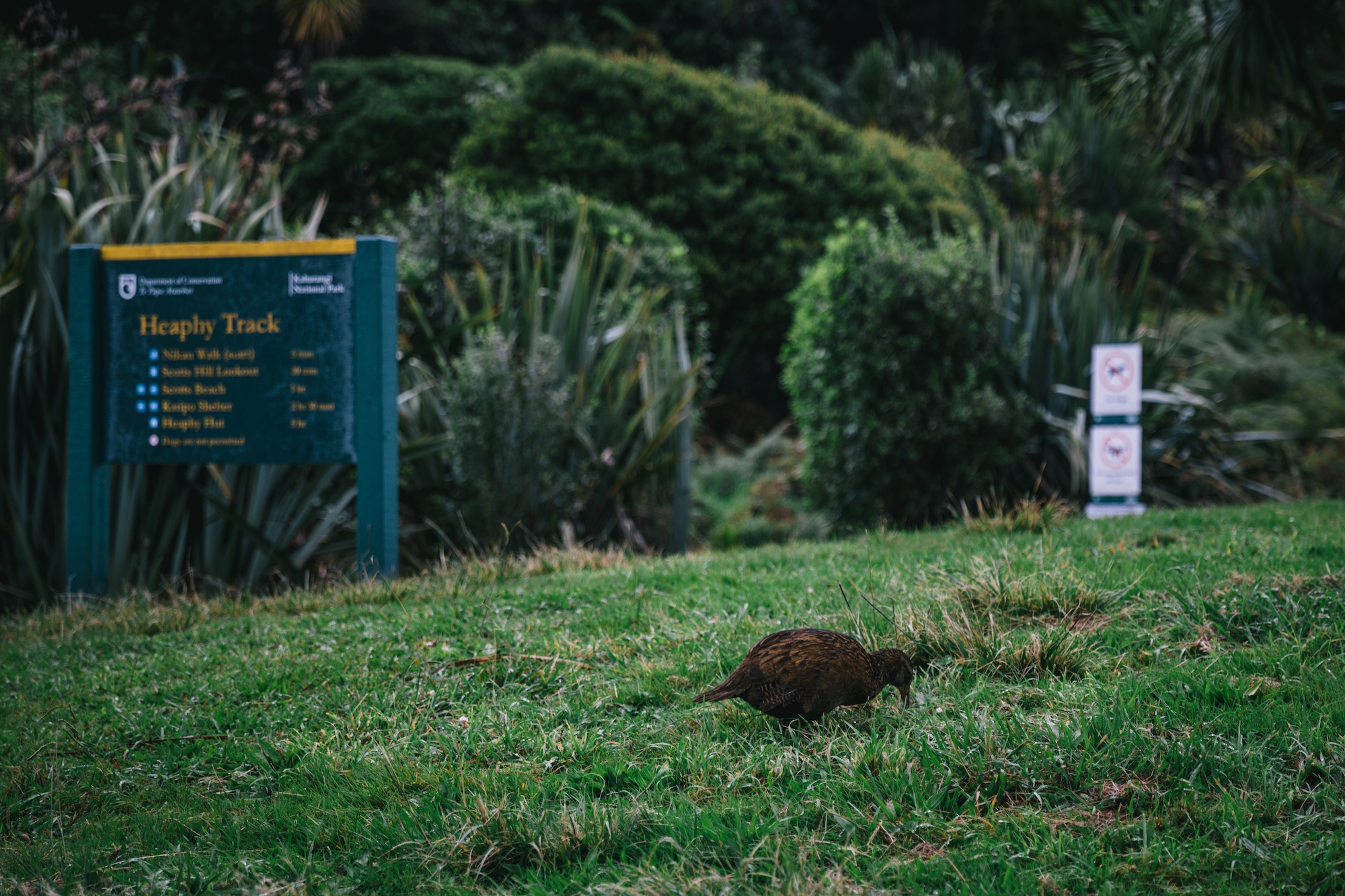
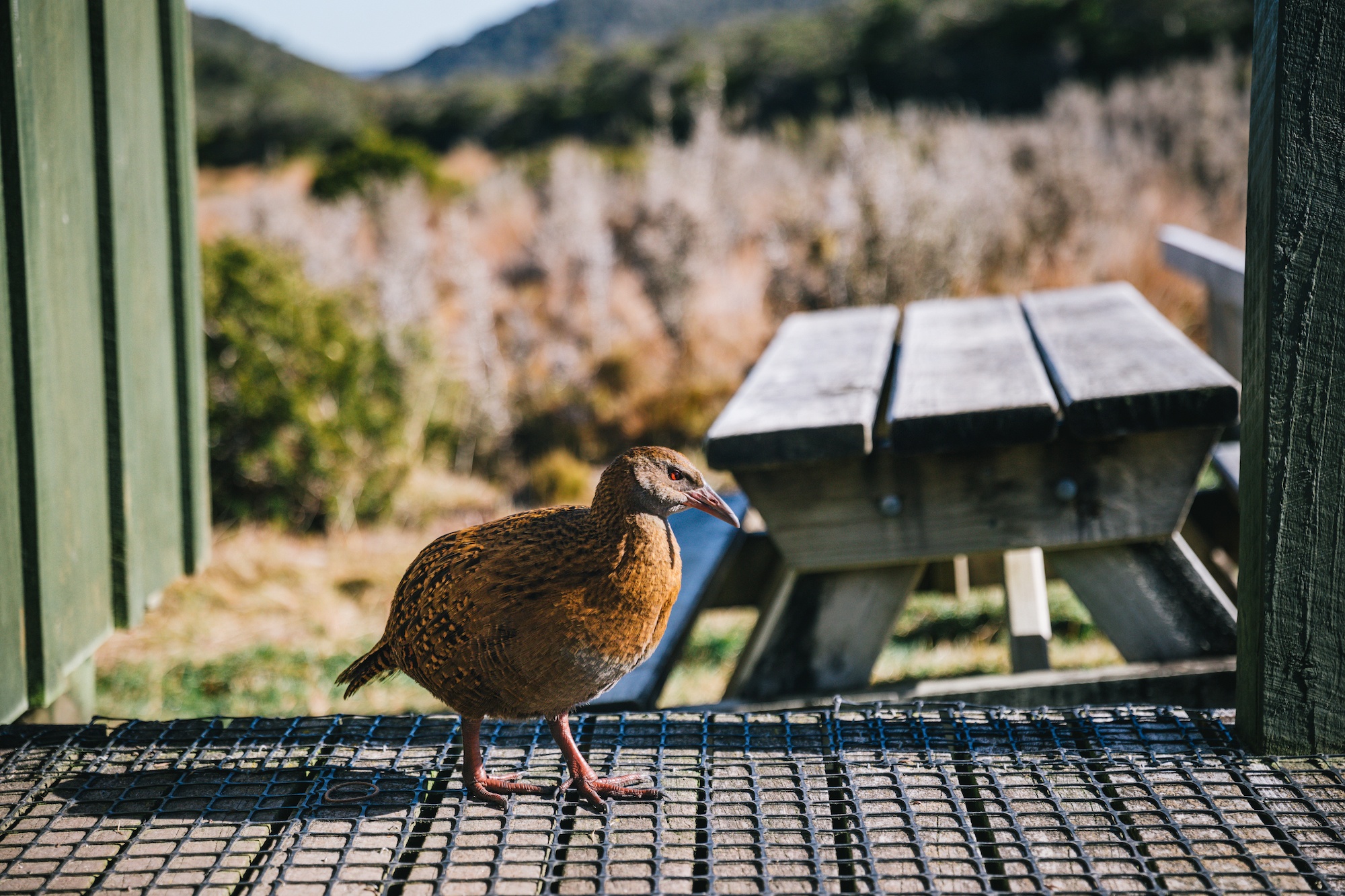
Unlike many of New Zealand’s native birds that retreat from human encroachment, weka are intensely gregarious and notoriously bold. They exhibit a high degree of behavioral plasticity, allowing them to thrive in varied habitats ranging from dense native forests and subalpine scrublands to pastoral farmlands, coastal tide pools, and suburban backyards. This fearlessness frequently translates into opportunistic thievery. Campers and hikers traversing well-traveled routes, such as the Heaphy Track on the South Island’s West Coast, routinely encounter weka lingering near shelters, huts, and campsites in search of human food scraps or unsecured gear, ranging from footwear and car keys to rations.
Historical Context and Indigenous Significance

Long before European colonization, the weka held a significant place in the traditions of Māori iwi (tribes), particularly across the South Island. Valued as a reliable, abundant source of protein, oil, and feathers, the species was managed through customary harvesting practices. Early European settlers and naturalists subsequently documented the bird’s high-spirited personality, often remarking on its relentless curiosity and kleptomaniac tendencies around homesteads.
Historically, weka distributions were widespread across mainland New Zealand. However, European settlement brought extensive land clearance, habitat fragmentation, and the introduction of mammalian predators such as stoats, ferrets, cats, rats, and dogs. While many ground-nesting birds suffered catastrophic declines, the weka demonstrated a remarkable capacity to absorb initial environmental shocks, though populations eventually experienced localized contractions and volatility.
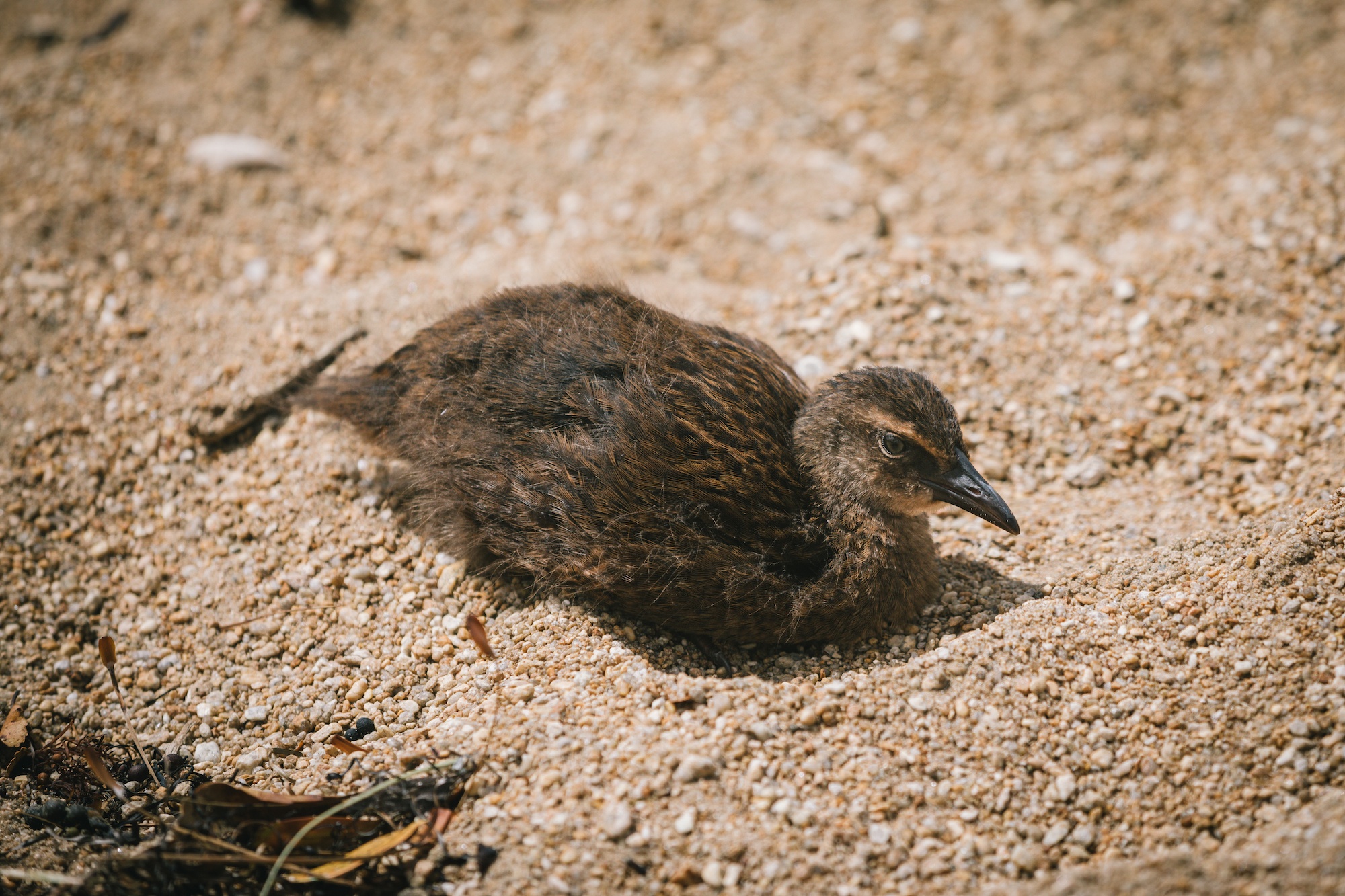
The Predator-Free Paradox: Conservation Complexities

While the weka is legally protected on the mainland under the Wildlife Act 1953, its ecological role creates a paradox for modern conservation management. As opportunistic omnivores, weka consume invertebrates, fruit, carrion, and small vertebrates, including introduced pests like mice and rats. However, their dietary breadth also extends to native lizards, ground-nesting birds, chicks, and eggs.
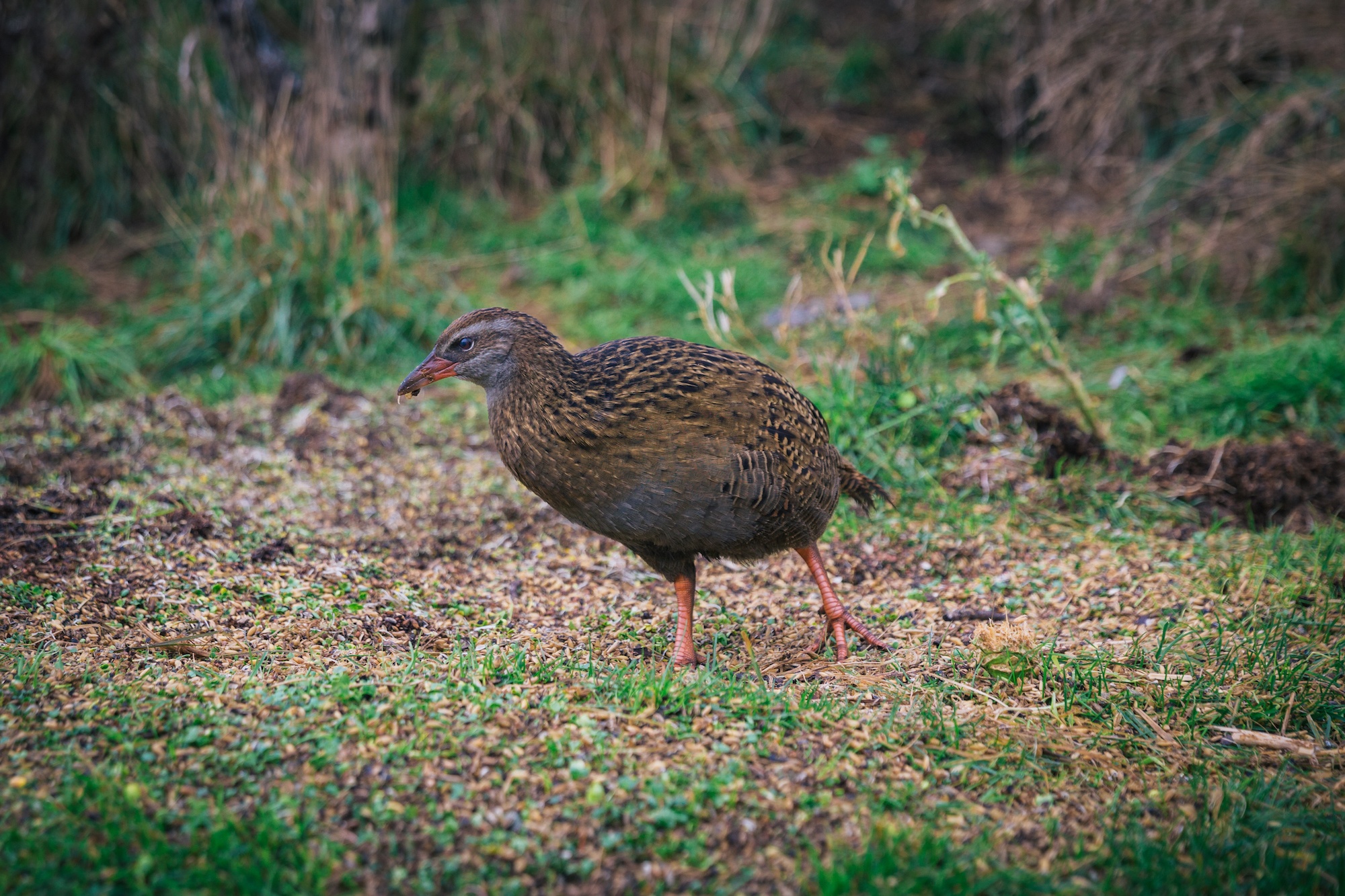
Consequently, weka are frequently excluded from off-shore predator-free island sanctuaries and fenced eco-sanctuaries. Conservation managers restrict or ban their introduction to these delicate ecosystems to protect more vulnerable, critically endangered endemic species—such as small reptiles and endangered seabirds—from weka predation. This dynamic places the weka in an unusual ecological category: a native species that occasionally acts as a localized threat to other indigenous wildlife.
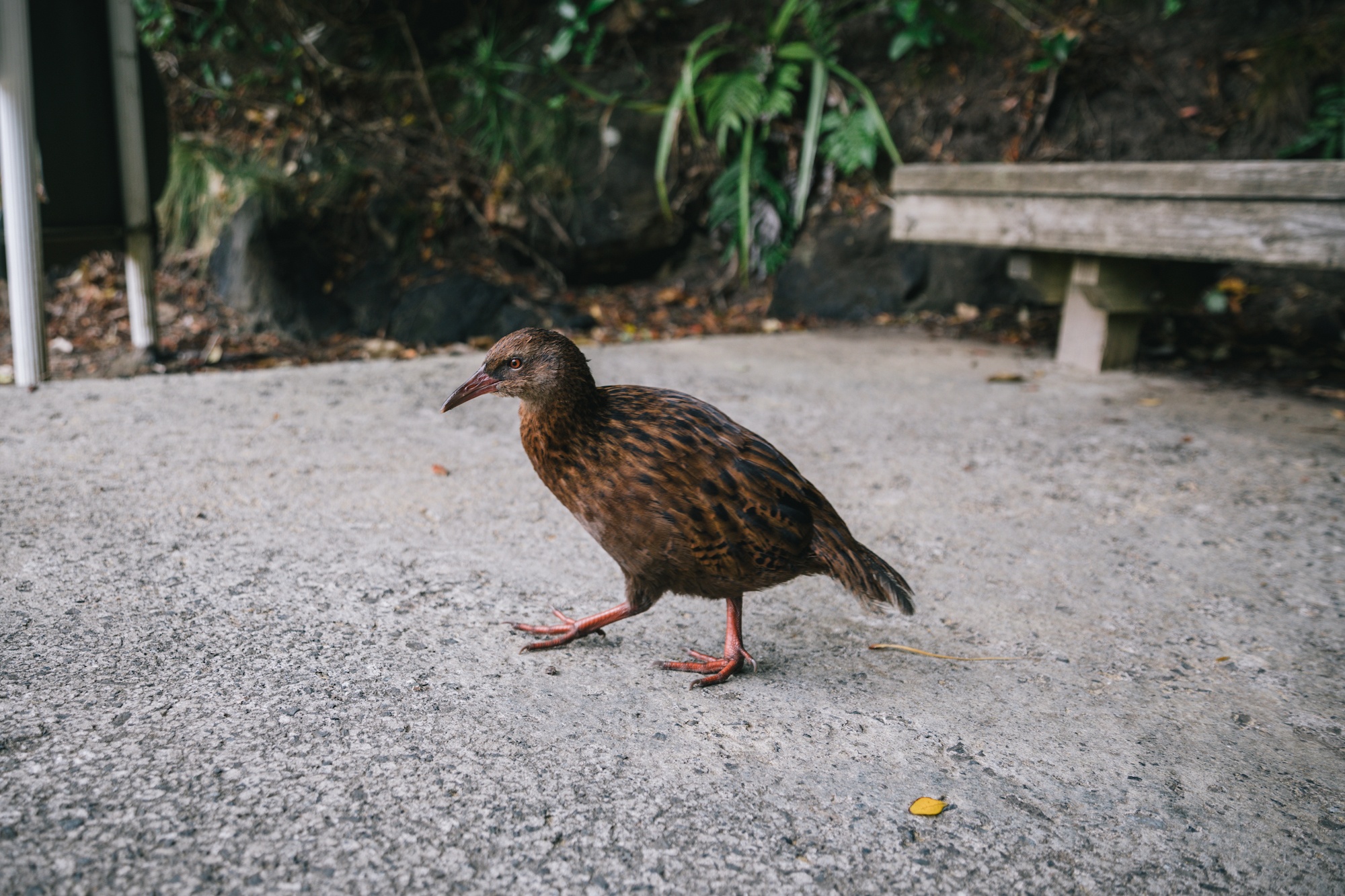
Despite these management restrictions, mainland populations face ongoing anthropogenic threats. Weka frequently fall victim to vehicular collisions on rural roads, habitat loss, and competition for food resources. Conservation agencies, including the Department of Conservation (DOC), periodically implement translocation and recovery strategies to restore weka to parts of their former historic range where local extinctions have occurred.

Socio-Economic Dimensions and Legal Controversies

The relationship between humans and weka extends beyond conservation debates into rural commerce and tradition. On the remote Chatham Islands, situated hundreds of kilometers east of the New Zealand mainland, weka populations introduced historically have been managed differently, with localized utilization continuing under specific regional frameworks.
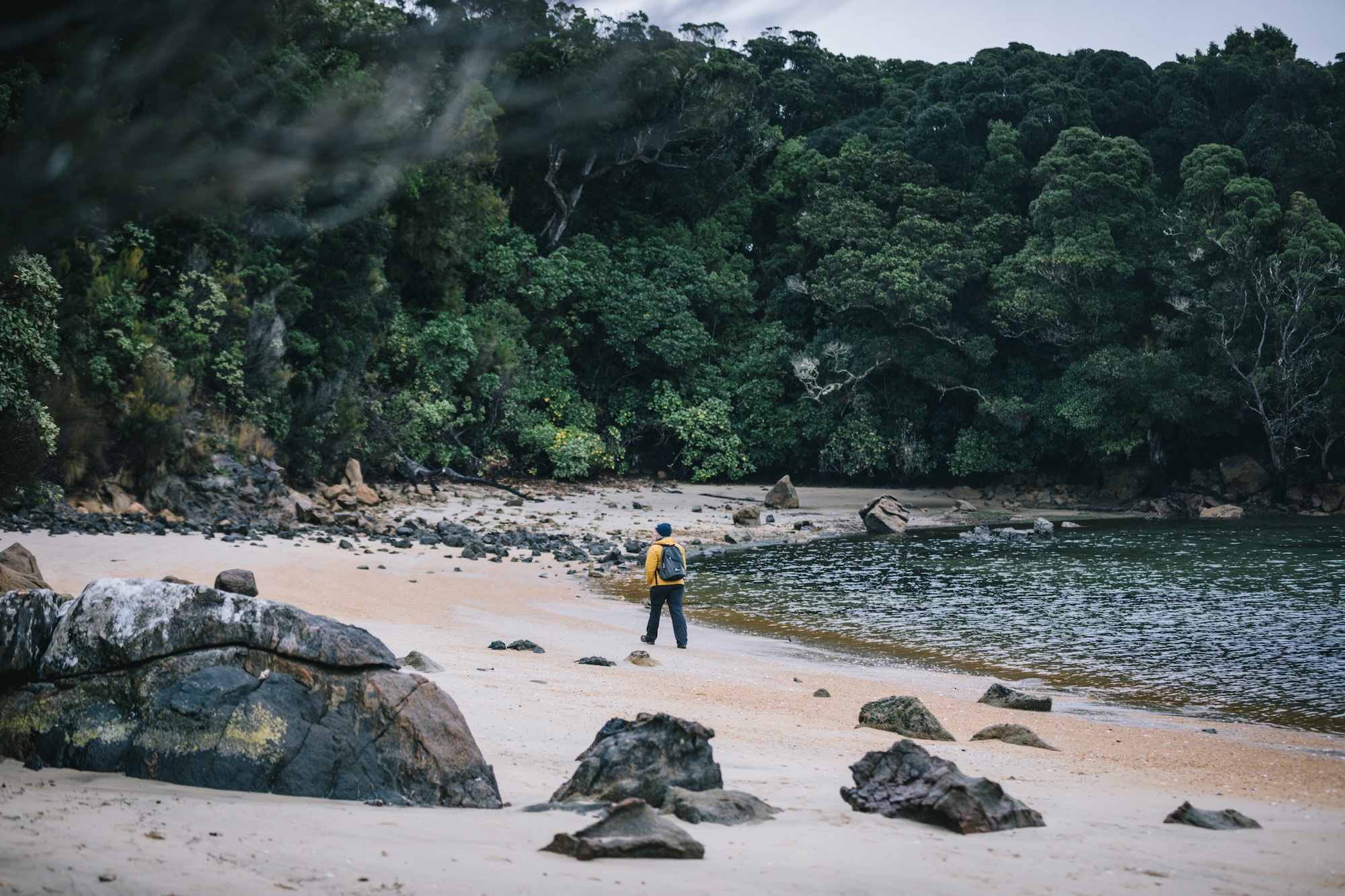
The tension between strict government conservation mandates and traditional resource use occasionally surfaces in public discourse. Notably, independent landholders and fringe agricultural debates have occasionally challenged DOC regulations regarding the control and management of weka populations on private agricultural lands. While commercial farming of native birds remains strictly illegal under national wildlife protection statutes, occasional legal challenges and outspoken commentary from rural figures underscore ongoing debates over wildlife management autonomy and human-wildlife coexistence in regional New Zealand.
Implications for National Identity and Future Outlook
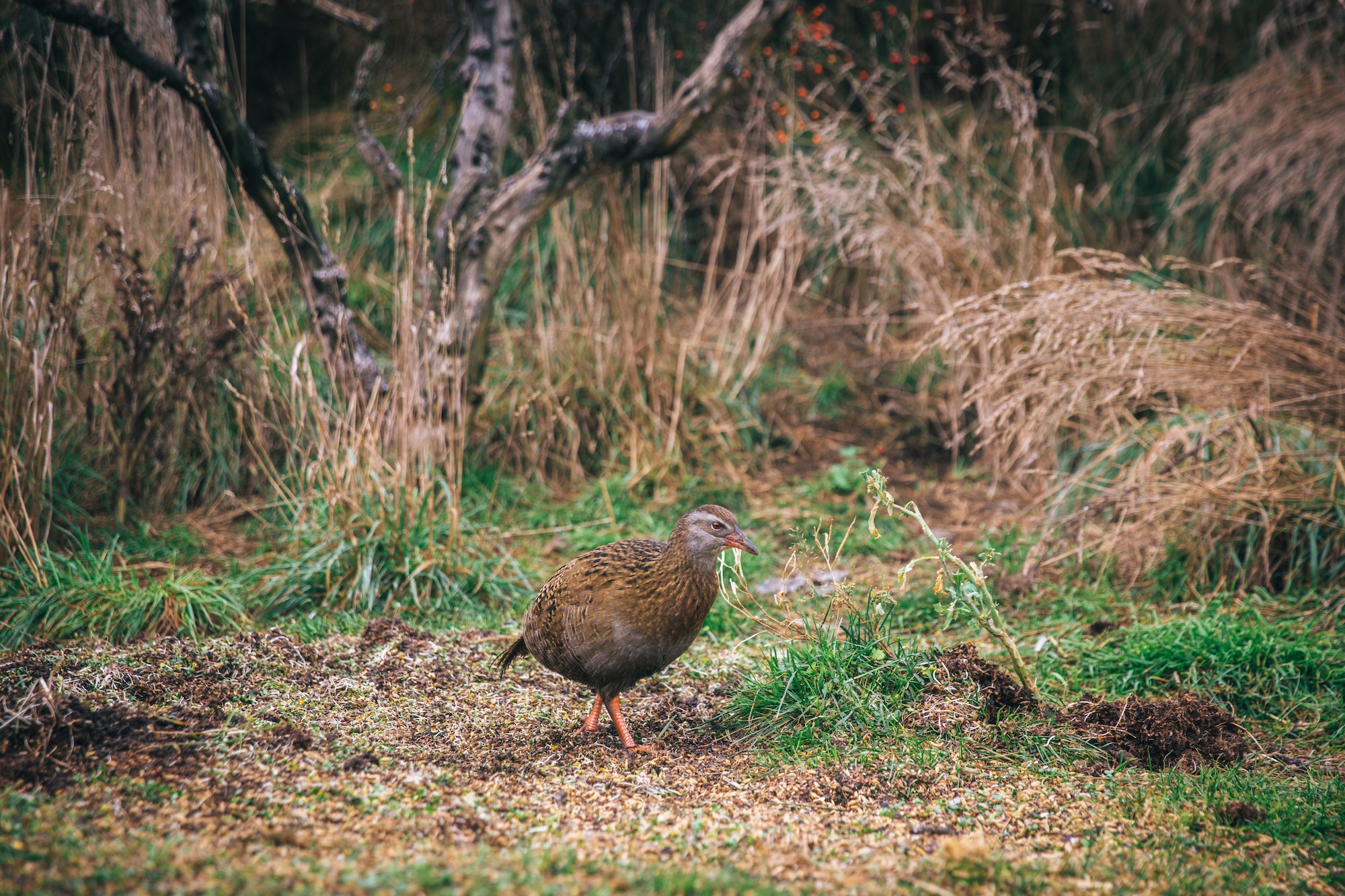
For international travelers encountering the robust, russet-colored birds along popular tramping tracks, weka are frequently mistaken for the nocturnal, highly endangered kiwi. While the confusion often prompts educational corrections from local guides, it highlights a broader truth about New Zealand’s wilderness: while the kiwi remains elusive and deeply threatened, the weka represents a tangible, visible emblem of ecological persistence.

As New Zealand continues its ambitious journey toward landscape-scale ecological restoration, the weka serves as a reminder that conservation is rarely straightforward. Balancing the protection of a feisty, highly adaptable native generalist against the needs of hyper-vulnerable specialists requires nuanced, science-based management. Ultimately, the weka’s refusal to conform to conventional ideas of fragility—paired with its uncompromising, resilient attitude—cements its status as an essential, if occasionally exasperating, chapter in New Zealand’s natural history.