The Central Highlands of Iceland, a vast and untamed expanse of volcanic deserts, glaciers, and rhyolite mountains, have historically been the domain of the most rugged adventurers. However, the establishment of Highland Base Kerlingarfjöll marks a significant shift in how this volatile, high-altitude region is accessed. Located in the heart of Iceland’s interior, the property serves as both a strategic gateway for scientific and recreational exploration and a high-end hospitality anchor in one of Europe’s most unforgiving environments.
The Evolution of Kerlingarfjöll
The Kerlingarfjöll mountain range is a volcanic massif situated between the glaciers Hofsjökull and Langjökull. Historically, the area was known primarily for its geothermal activity and its significance in Icelandic lore. The development of Highland Base represents a multi-year effort to formalize infrastructure in a region that was previously serviced only by rudimentary mountain huts. The project, which officially opened its doors to a broader market in 2023, is designed to balance the increasing demand for eco-tourism with the stringent conservation requirements of the Icelandic Highlands.
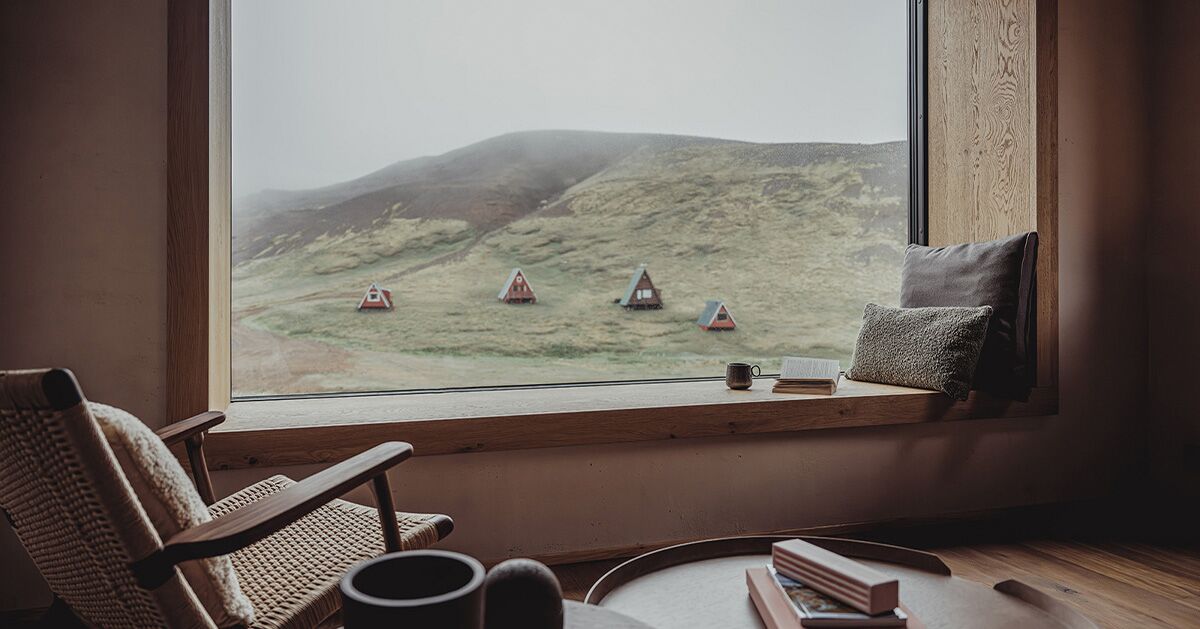
The site, formerly a summer-only ski resort in the mid-20th century, has undergone a comprehensive transformation. By moving away from seasonal, low-impact structures toward a permanent, architecturally cohesive facility, the operators have created a base that can support year-round research, guided expeditions, and high-end tourism. This transition is indicative of a broader trend in Icelandic travel: the decentralization of tourism away from the "Golden Circle" and toward the interior, aimed at reducing pressure on the heavily trafficked southern coastline.
Architectural Integration and Lodging Infrastructure
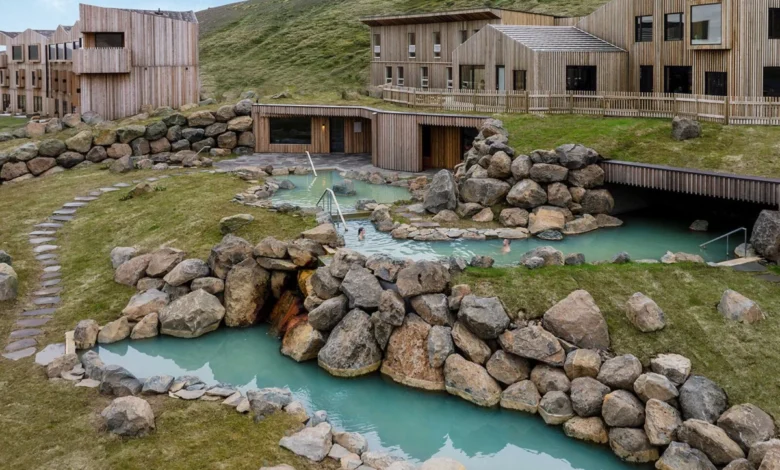
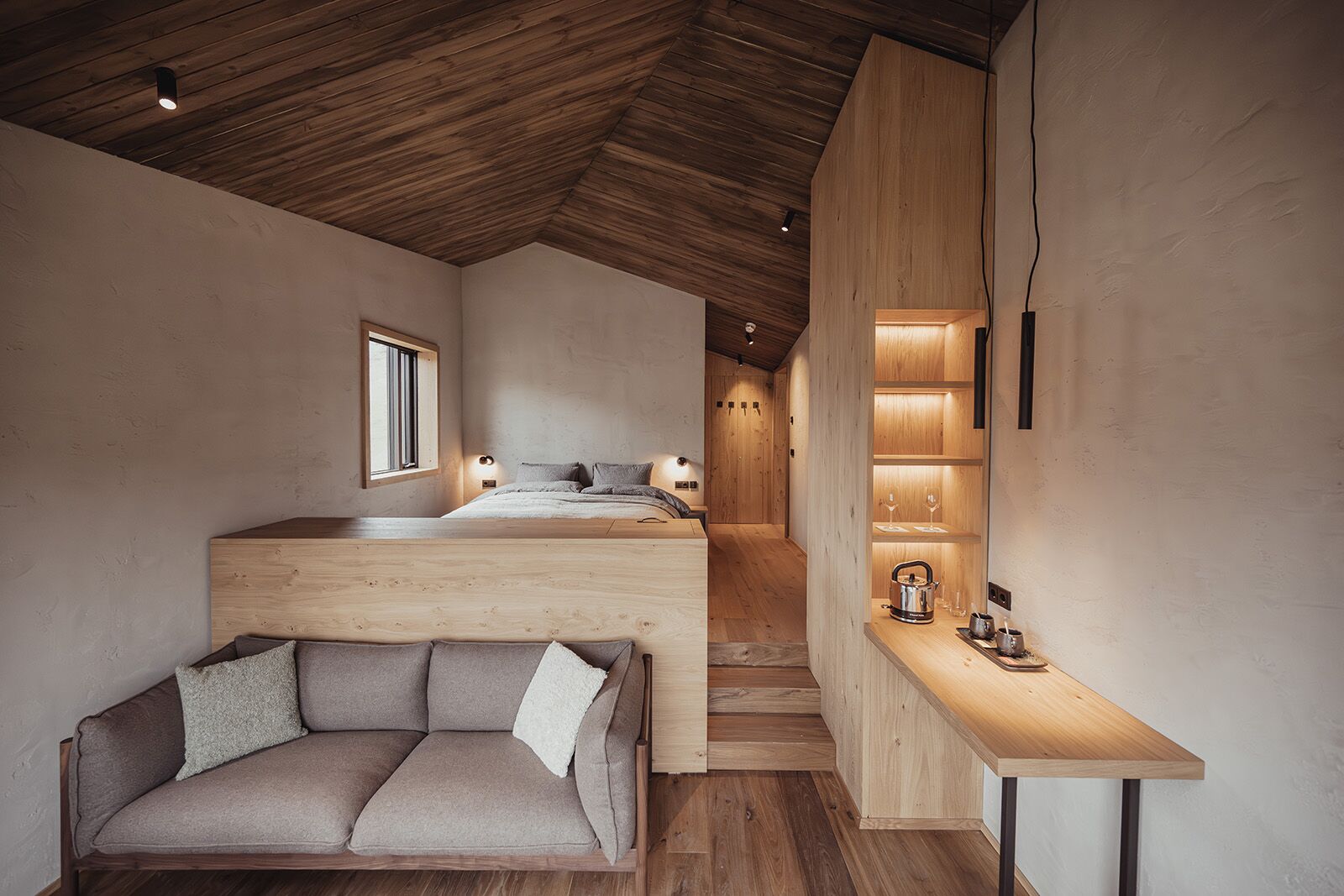
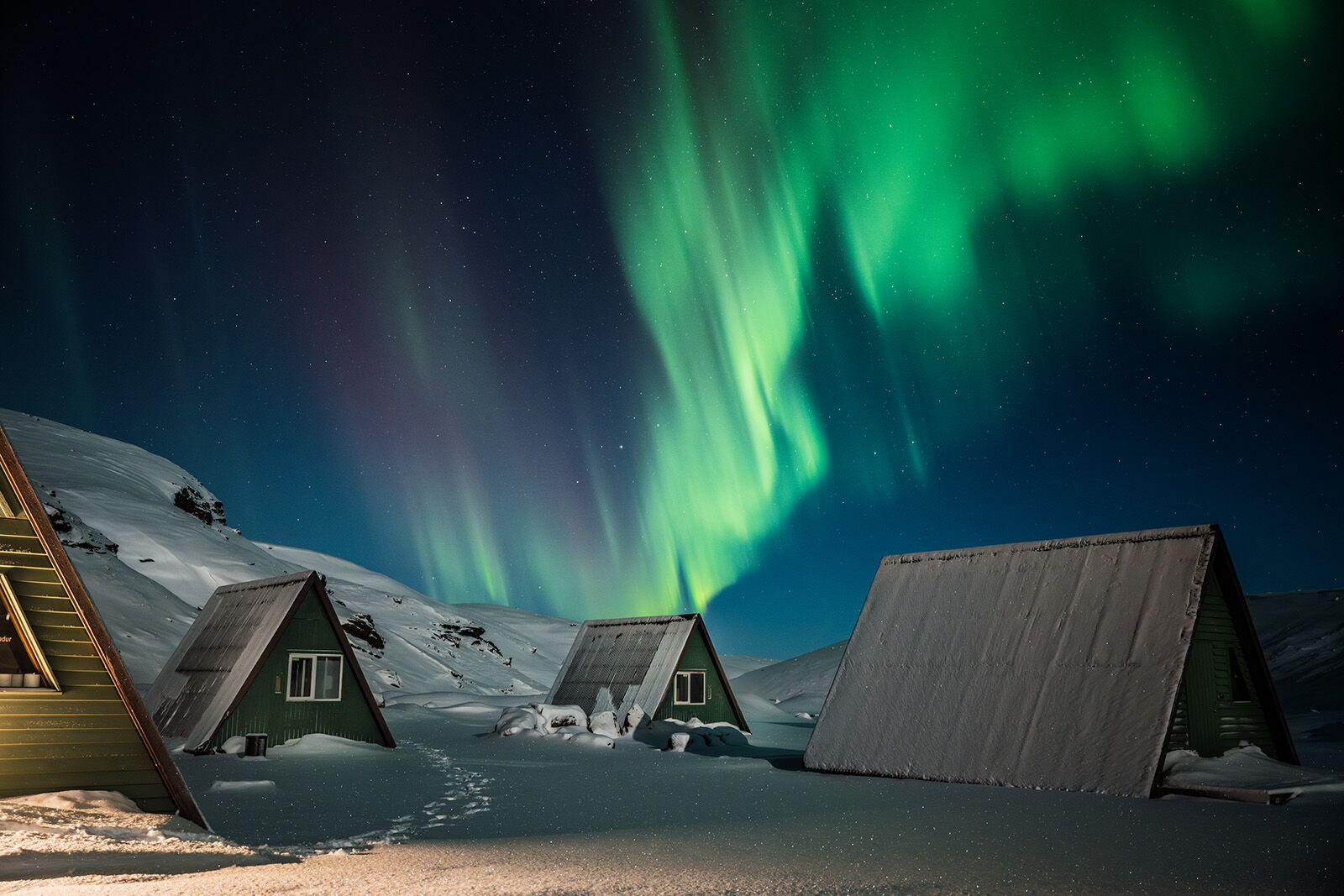
The design philosophy of Highland Base prioritizes "visual immersion." The facility is composed of 46 hotel rooms, two suites, six lodges, and seven A-frame huts. The aesthetic is strictly Nordic minimalist, utilizing natural materials that mimic the geological textures of the surrounding Ásgarður Valley.
From a logistical standpoint, the accommodation mix serves a diverse demographic. The price points reflect the operational complexity of running a high-service facility in a location where every logistical supply—from water filtration systems to waste management—must be imported over unpaved F-roads. As of the 2026-2027 fiscal outlook, base rates for hotel rooms start at $502 per night, while the private lodge structures, which offer a more sequestered experience, begin at $1,097. The inclusion of a formal campsite, operating between June 15 and September 30, provides a lower-cost entry point for traditional hikers, with spots priced at $25 per person, ensuring that the facility remains accessible to the traditional trekking community.
Geothermal Integration and Scientific Context
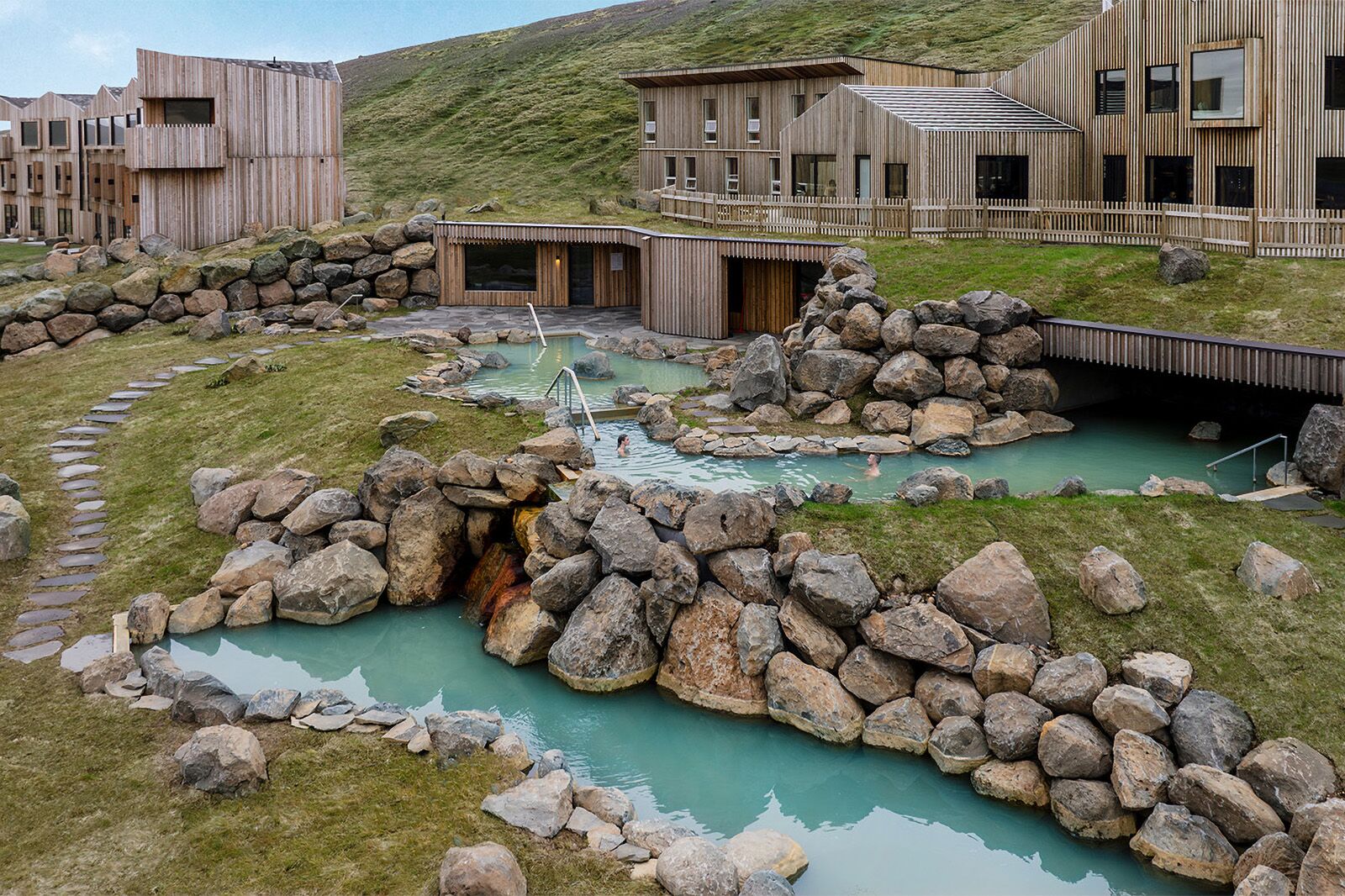
A cornerstone of the Highland Base experience is the Highland Baths. The facility utilizes the natural geothermal energy that defines the Kerlingarfjöll region. The baths are not merely a luxury amenity; they represent a technical achievement in sustainable heating. By capturing geothermal water from local vents, the facility maintains a series of pools, cold plunges, and saunas, providing a controlled environment for guests to experience the natural volcanic activity of the region safely.
This geothermal activity is the same phenomenon that creates the Hveradalir—the "Valley of Hot Springs"—located just a short distance from the base. Hveradalir is a highly active geothermal field characterized by steaming vents, fumaroles, and boiling mud pots. Because the ground in this area is notoriously unstable, Highland Base enforces strict adherence to marked boardwalks. This is a vital conservation measure: the soil crust here is thin and subject to rapid erosion, and the geothermal vents shift unpredictably. The guidance provided by the onsite team is a critical component of risk management, as weather conditions in the Central Highlands can deteriorate within minutes, moving from clear skies to blizzard-like conditions regardless of the season.
The Logistics of the Interior
Reaching the Central Highlands remains a significant hurdle for independent travelers. The journey from Reykjavík is a 124-mile trek that requires traversing the Kjalvegur (Route 35) and navigating the F347. Under Icelandic law, only vehicles classified as 4×4 with appropriate clearance are permitted on these mountain roads.
The operational timeline of the facility is strictly governed by the state of the mountain roads.
- June 1 to August 31: High season, with daily bus transfers and full, independent access for 4×4 vehicles.
- September to October: Shoulder season, characterized by reduced frequency in bus services and a higher risk of early-season snowstorms.
- November to May: The "Super Jeep" season. During these months, the roads are no longer serviced for standard traffic, and the base transitions to a private, group-booking-only model to ensure safety and operational viability.
This seasonal volatility is a reminder of the raw power of the Icelandic landscape. The reliance on modified "Super Jeeps"—vehicles equipped with oversized tires and high-torque engines—during the winter months highlights the necessity of specialized transport in the Arctic interior.
Gastronomy and Supply Chain Management
The Highland Base restaurant operates under a "miles-from-nowhere" paradigm. Because there are no other permanent dining facilities within a significant radius, the kitchen serves as the sole source of sustenance for the area. The menu is a study in regional sourcing, focusing on Icelandic lamb, arctic cod, and root vegetables.
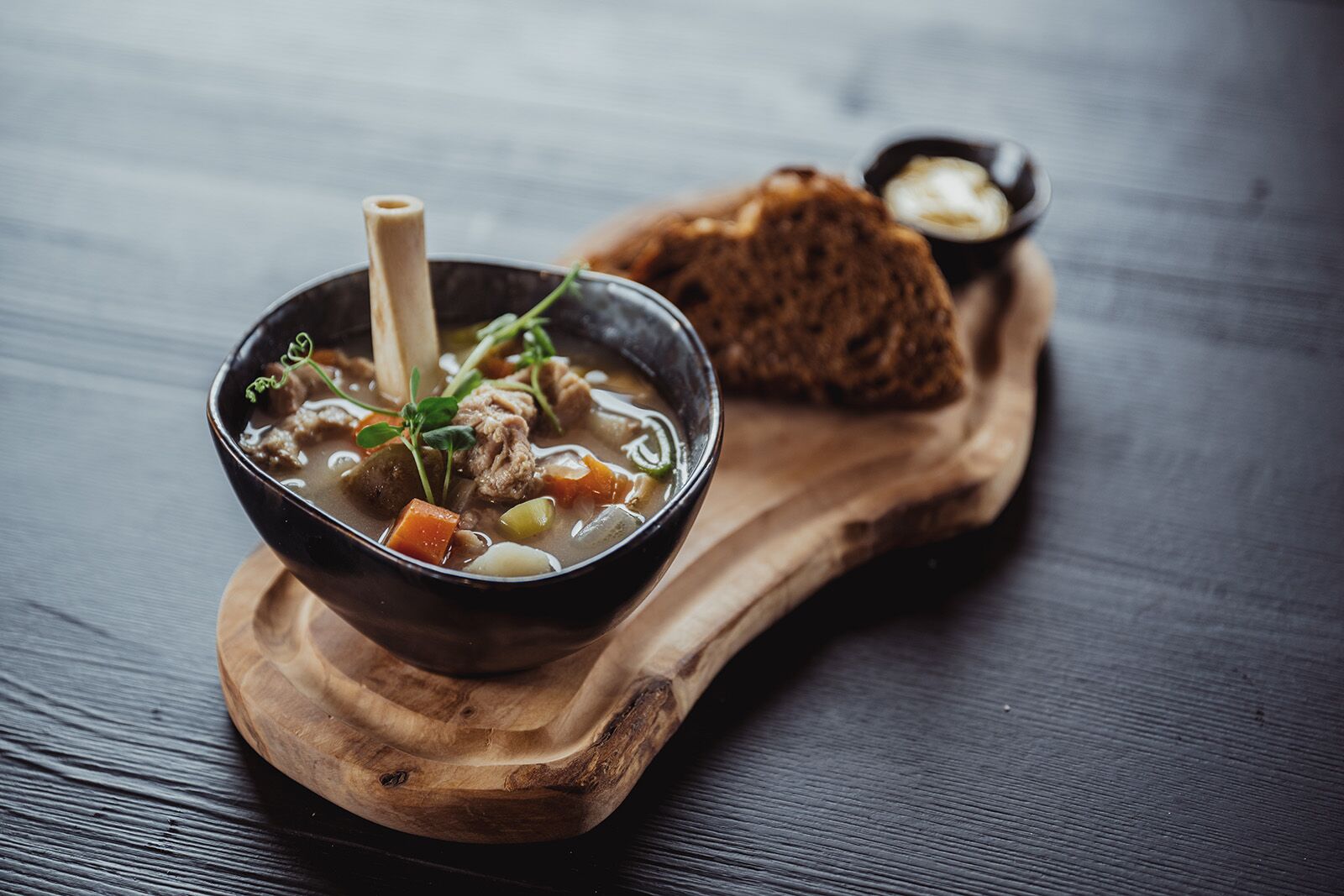
The culinary operation is forced to rely on long-range supply chains, which are frequently interrupted by weather events. Consequently, the menu is highly seasonal. The integration of modern culinary techniques—such as the dill and apple sorbet—with traditional Icelandic staples illustrates the facility’s ambition to provide a high-end experience that defies its remote geography. Furthermore, the provision of takeaway lunch boxes for hikers acts as a crucial safety measure, ensuring that individuals exploring the interior are adequately fueled for the demands of the terrain.
Broader Economic and Environmental Implications
The development of Highland Base has sparked discussions among environmentalists regarding the "human footprint" in the highlands. Proponents argue that by centralizing tourism in a controlled environment like Highland Base, the government can better manage the impact on fragile ecosystems. By providing guided tours, the facility prevents off-trail hiking that causes irreversible damage to the sensitive mosses and geothermal crusts of the area.
Conversely, the increased capacity for visitors to the interior could lead to higher levels of light and noise pollution, potentially impacting the pristine nature of the region. However, the absence of ambient city light makes this location one of the most significant sites for aurora borealis viewing in the country. The lack of competition from artificial light sources offers a clear, unobstructed view of the night sky, providing a significant draw for the growing niche of "dark-sky tourism."
Ultimately, the Highland Base at Kerlingarfjöll functions as a hybrid entity: it is a hotel, a scientific outpost, and a conservation partner. It facilitates the exploration of one of the planet’s most dramatic landscapes while enforcing the discipline necessary to survive and protect it. For the modern traveler, it represents a rare opportunity to engage with the wild, backed by the infrastructure required to navigate its inherent dangers.