The city of Cologne, Germany, is preparing to host its annual series of Christmas markets from November 16 to December 23, 2026. Renowned as one of Europe’s most significant cultural centers for holiday tourism, the city coordinates a decentralized network of markets that attract millions of international and domestic visitors annually. This year, the city has confirmed the return of its primary market locations, with select sites, such as the Heinzels Wintermärchen and the Harbor Market, extending operations into early January 2027.

Historical and Cultural Context
The tradition of Christmas markets, or Christkindlmarkts, in Germany dates back to the late Middle Ages, with the earliest iterations appearing in the 14th century. Cologne’s adaptation of this tradition focuses on integrating urban landmarks with seasonal commerce. By spreading the festivities across seven distinct locations—each with a unique thematic identity—the city prevents the overcrowding of historical sites while encouraging pedestrian traffic throughout the central business and tourism districts.
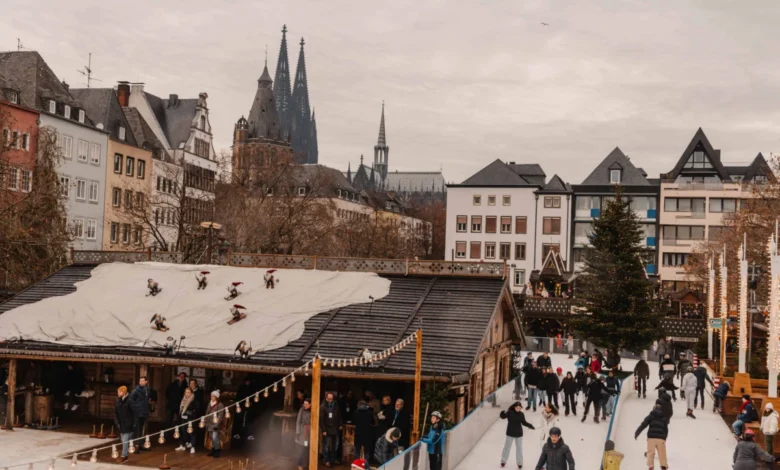
The Cologne Cathedral, a UNESCO World Heritage site, serves as the anchor for the largest market. The juxtaposition of the 13th-century Gothic architecture with contemporary holiday commerce serves as a critical driver for the local economy. According to tourism impact studies, these markets contribute tens of millions of euros to the regional economy during the final quarter of the year, supporting local artisans, food vendors, and the hospitality sector.

Chronology and Operational Schedule
The 2026 season officially commences on November 16. While most city-wide markets conclude on December 23, the city of Cologne has strategically staggered closing dates for specific locations to manage post-holiday tourism.
- November 16, 2026: Official opening of all seven major markets.
- December 23, 2026: Closing date for the Cathedral, Angel Market, and Nikolausdorf markets.
- January 2027: Conclusion of the extended operations at the Heinzels Wintermärchen and Harbor Market.
Detailed Breakdown of Market Themes
Cologne’s market strategy relies on thematic differentiation to cater to diverse visitor demographics.

1. Cologne Cathedral Christmas Market: Located at the base of the Cathedral, this market is characterized by a massive central Christmas tree and a stage hosting live musical performances. It is the most visited site, serving as the focal point for traditional holiday activities.
2. Heinzels Wintermärchen (The Gnome Market): Spanning the Alter Markt and Heumarkt, this location focuses on folklore. It features a large-scale ice skating rink and decorative elements modeled after "Heinzelmännchen," the legendary gnomes of Cologne. This site is specifically designed for families and those seeking recreational activities.

3. Markt der Engel (The Angel Market): Situated at Neumarkt, this market is noted for its sophisticated lighting, featuring hundreds of suspended illuminated stars and white light installations. It emphasizes artisan crafts and high-quality local goods.
4. The Harbor Market (Hafen Weihnachtsmarkt): Located adjacent to the Chocolate Museum on the banks of the Rhine, this market utilizes a nautical theme. The stalls are designed to resemble ships, reflecting the city’s historical reliance on river trade. This site highlights the connection between Cologne’s industrial history and festive traditions.

5. Nikolausdorf (St. Nicholas Village): Situated at Rudolfplatz, this market is built around the narrative of St. Nicholas. It is heavily focused on traditional culinary offerings and local German heritage, providing a more intimate experience compared to the larger Cathedral site.
6. Stadtgarten Christmas Market: Located in the city’s oldest park, this market is marketed as an "urban oasis." It serves as an alternative for residents and visitors looking to avoid the high-density traffic of the city center. The vendor list here rotates weekly, ensuring a diverse range of inventory throughout the season.

Logistics and Infrastructure
To facilitate movement between these seven locations, the city of Cologne coordinates a specialized "Christmas Train" shuttle service. This hop-on, hop-off transit system stops at major hubs, including the Cathedral, the Old Town, Neumarkt, and the Harbor.
The city’s tourism board advises visitors to utilize the public transit network (KVB), as parking in the city center is severely restricted during the holiday season. The integration of public transport with market access is a central component of the city’s sustainability efforts, aiming to reduce the carbon footprint associated with the surge in tourist traffic.

Economic and Sociological Impact
The Cologne Christmas markets serve as more than just a tourist attraction; they are an essential component of the city’s economic planning. Data from previous cycles indicates that the sale of proprietary, collectible mugs—which differ by market—has become a significant secondary revenue stream for both the city and the vendors. These mugs require a small deposit, which encourages reuse and reduces waste compared to single-use plastics.
Local business leaders and the Chamber of Commerce have noted that the markets act as a "multiplier effect" for the city’s retail sector. Hotels in the inner city report occupancy rates exceeding 90% during peak weekends in December. Furthermore, the event provides a platform for local craftspeople to reach an international market, with a focus on handmade, sustainable goods rather than mass-produced merchandise.

Strategic Recommendations for Visitors
Experts in European travel logistics suggest that the most effective way to experience the Cologne markets is to visit on weekdays, particularly during the early afternoon, to avoid the significant crowd surges that occur after 6:00 PM and on weekends.
For international travelers, the primary recommendation is to prioritize physical comfort. Due to the riverside location and the duration of outdoor exposure, thermal layers, waterproof footwear, and touch-screen compatible gloves are cited as essential for long-term comfort.

Conclusion
As the 2026 season approaches, the city of Cologne continues to refine its approach to holiday tourism by balancing tradition with operational efficiency. By maintaining distinct themes across seven locations, the city ensures that the market experience remains accessible and varied. With the continued support of the local government and the integration of transit and environmental initiatives, the 2026 Cologne Christmas Market is positioned to maintain its status as a premier destination for holiday travelers. Visitors are encouraged to consult the official city tourism portal for real-time updates regarding specific event schedules, public health guidance, and any changes to operating hours necessitated by weather conditions or other unforeseen events.
Related posts: