An Inside Look at Chez Wong: Lima’s Legendary Culinary Sanctuary Run by Master Chef Javier Wong

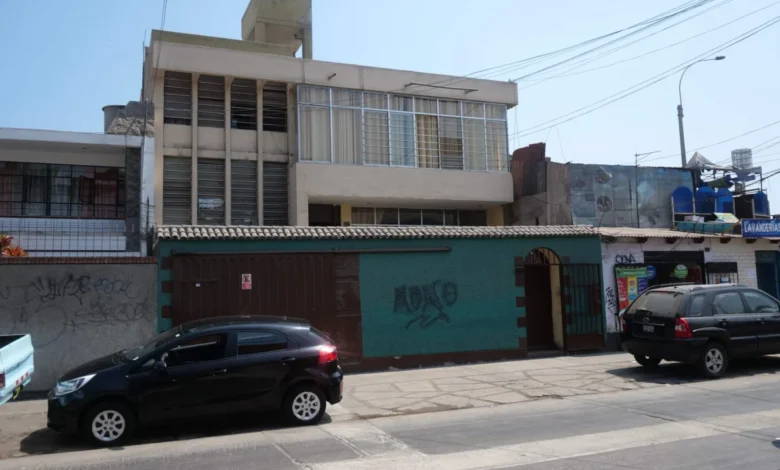
The global gastronomic community frequently points to Lima, Peru, as one of the premier epicurean destinations on the planet, celebrated for its dynamic blending of indigenous Andean ingredients, Spanish influences, and East Asian culinary techniques. Within this bustling capital, where thousands of world-class eateries vie for attention, a handful of culinary institutions achieve legendary status not through elaborate marketing or sprawling menus, but through a singular, unwavering dedication to craft. Among these, Chez Wong stands apart as a masterclass in culinary minimalism and personal devotion. Operated entirely by legendary chef Javier Wong from his unassuming residential home in the La Victoria district, the establishment offers an exclusive dining experience that has drawn international food critics, renowned chefs, and dedicated epicures for decades.
To understand the cultural significance of Chez Wong, one must first examine the historical and culinary context of its signature offering: ceviche. Peru is globally recognized as the birthplace of ceviche, a dish traditionally consisting of raw fish cured in fresh citrus juice, seasoned with salt, and accented with native chili peppers. While contemporary Peruvian gastronomy has evolved to include avant-garde techniques, molecular gastronomy, and complex fusion concepts, Chef Javier Wong represents a return to absolute purity. His culinary philosophy centers on the premise that exceptional cuisine requires only the highest quality raw ingredients, handled with profound respect, precision, and decades of accumulated muscle memory.
Operating a world-renowned restaurant out of a private dining room with no fixed menu requires a rigid operational structure. Chez Wong functions strictly on a reservation-only basis, often requiring prospective diners to secure their tables weeks or months in advance. The logistics of the kitchen are meticulously tied to daily market availability. Chef Wong personally visits the market every single morning to inspect and purchase fresh catches, determining his inventory solely based on the precise headcount of confirmed reservations for the day. This strict adherence to freshness means walk-in patrons are invariably turned away, as no excess fish is ever purchased or stored. The restaurant operates exclusively from Tuesday through Saturday, serving lunch between 1:00 PM and 3:30 PM, maintaining a schedule that prioritizes uncompromising quality over commercial expansion.
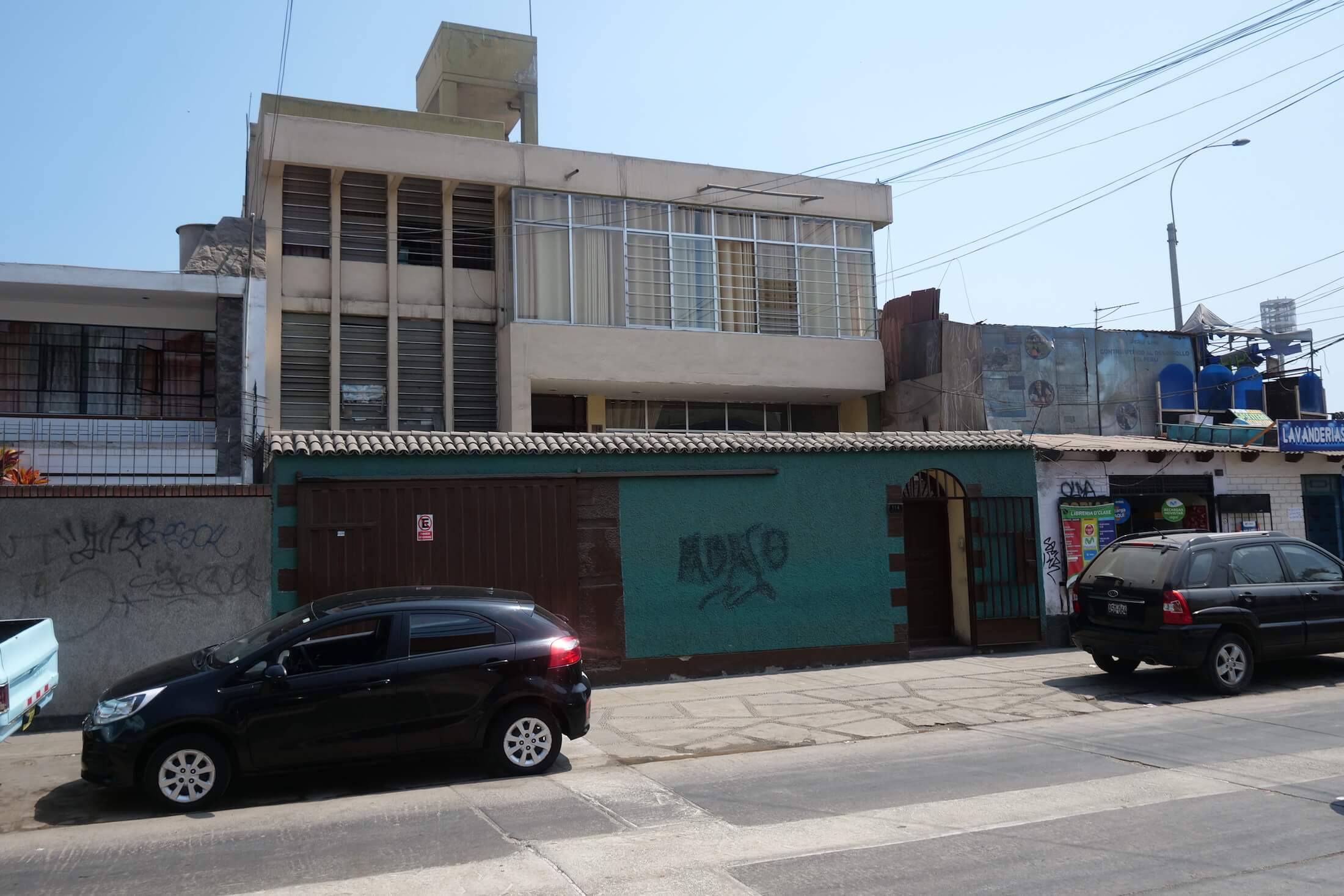
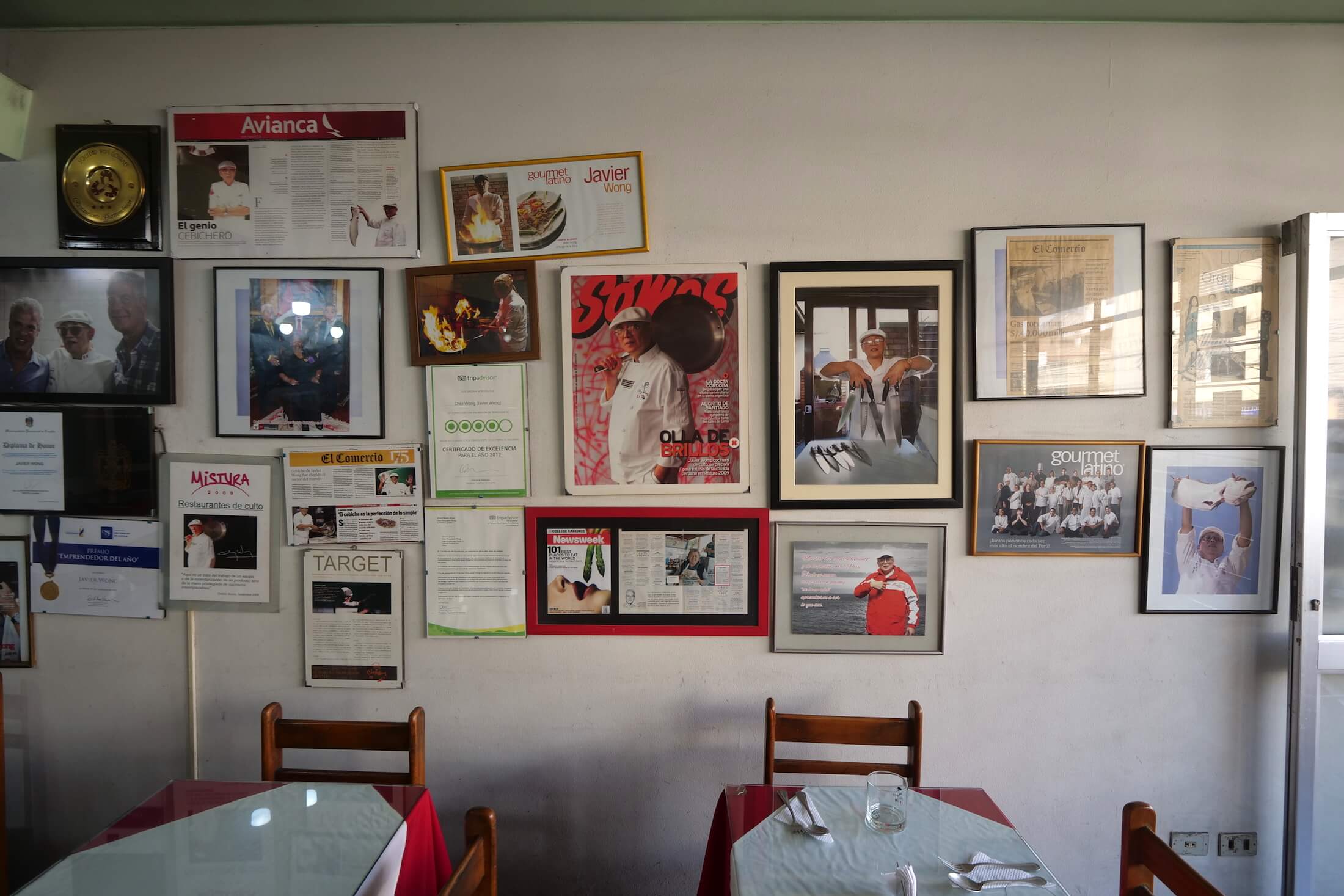
The architectural and atmospheric profile of Chez Wong further emphasizes its unique position in the culinary world. Located behind an ordinary security gate on a quiet residential street, the venue features a modest dining room containing just eight tables. The interior design is entirely unpretentious, deliberately allowing the food to command the guests’ complete attention. The walls are sparsely decorated, save for a single commemorative display featuring framed photographs, magazine covers, and television features documenting Chef Wong’s decades-long career. Diners sit in quiet anticipation, watching the master at work in an open preparation space where every slice of the knife and flash of fire is visible.
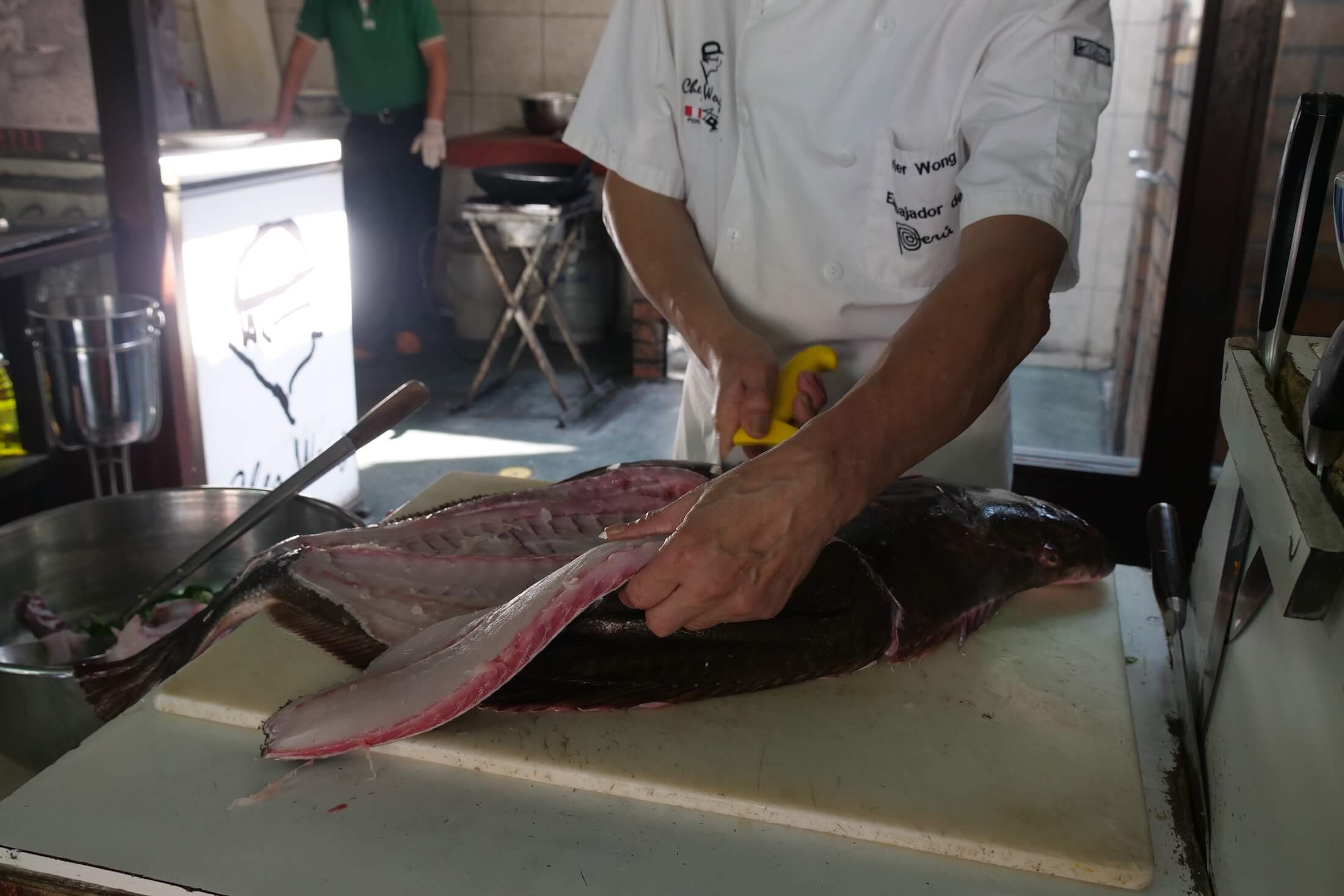
The dining experience at Chez Wong unfolds as an unscripted, multi-course tasting menu dictated entirely by the chef. Guests do not order from a menu; rather, they place their beverage orders and entrust the kitchen with the progression of the meal. The first course unfailingly showcases Javier Wong’s mastery of ceviche. Working with massive specimens of Dover sole—a species of flounder that remains his exclusive choice for the dish—Chef Wong demonstrates anatomical precision, reducing a 10-kilogram fish into pristine fillets with rapid, fluid motions.
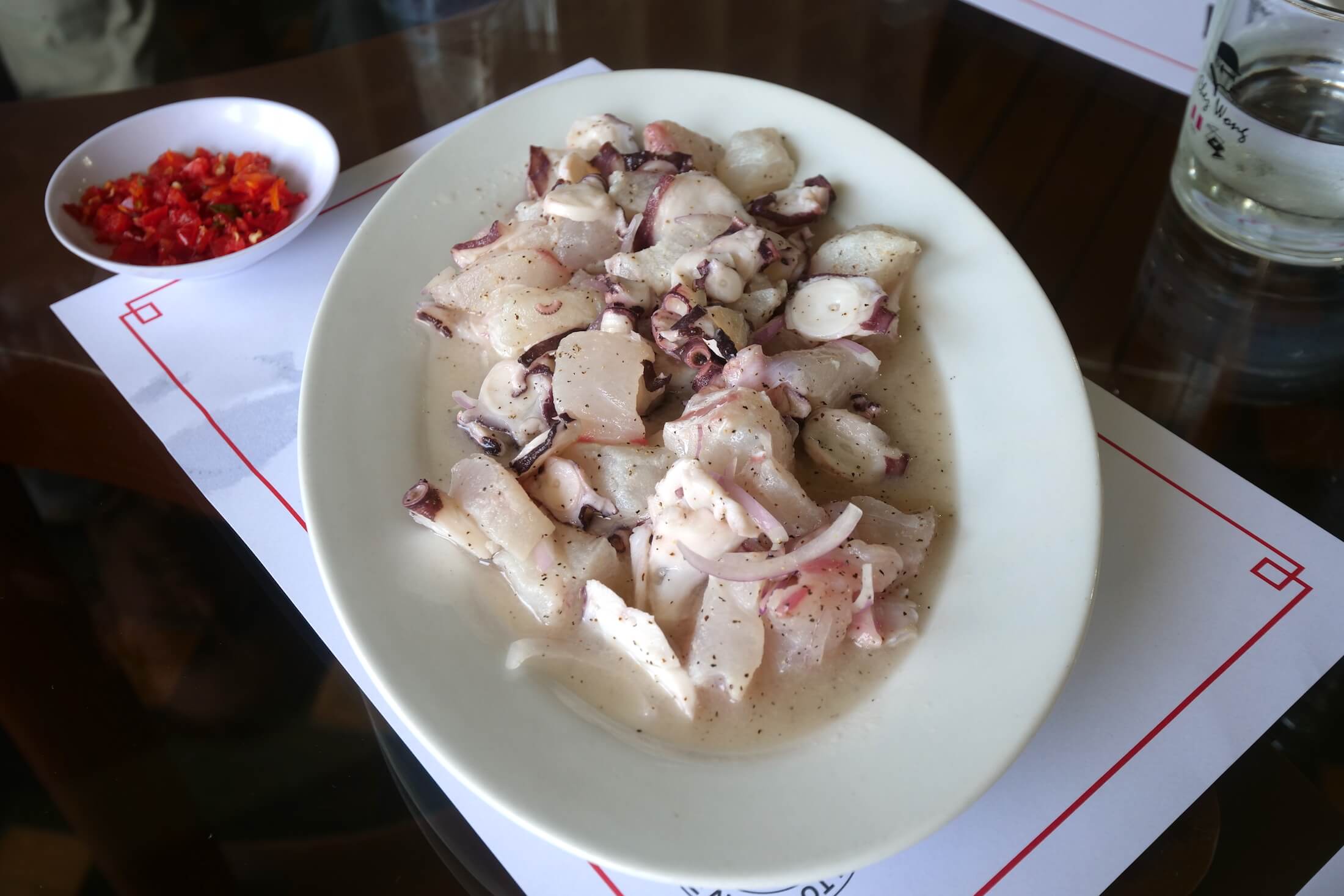
The composition of Chez Wong’s ceviche is a testament to the power of simplicity, utilizing a mere five foundational ingredients: fresh Dover sole, chunks of lightly blanched octopus, copious amounts of freshly squeezed lime juice, salt, and black pepper. Unlike street-cart variations that often feature thinly shaved fish, Chef Wong carves thick, generous cubes of fish meat that yield a remarkably soft texture. This is balanced against the chewy, bouncy consistency of the octopus. The dish is finalized with a scattering of fiery native Aji peppers, which guests can mix into their plates to calibrate the level of spice.
The chemical transformation that occurs during the preparation of ceviche is frequently misunderstood as a cooking process. In reality, the citric acid from the lime juice alters the proteins in the fish through denaturation, turning the translucent flesh opaque and firming its exterior while keeping the interior tender. Because the fish undergoes no thermal cooking, the baseline quality of the protein is paramount. Chef Wong’s reliance on meticulously sourced, ultra-fresh Dover sole ensures that the clean, unmasked flavors of the ocean remain at the forefront of the dish.
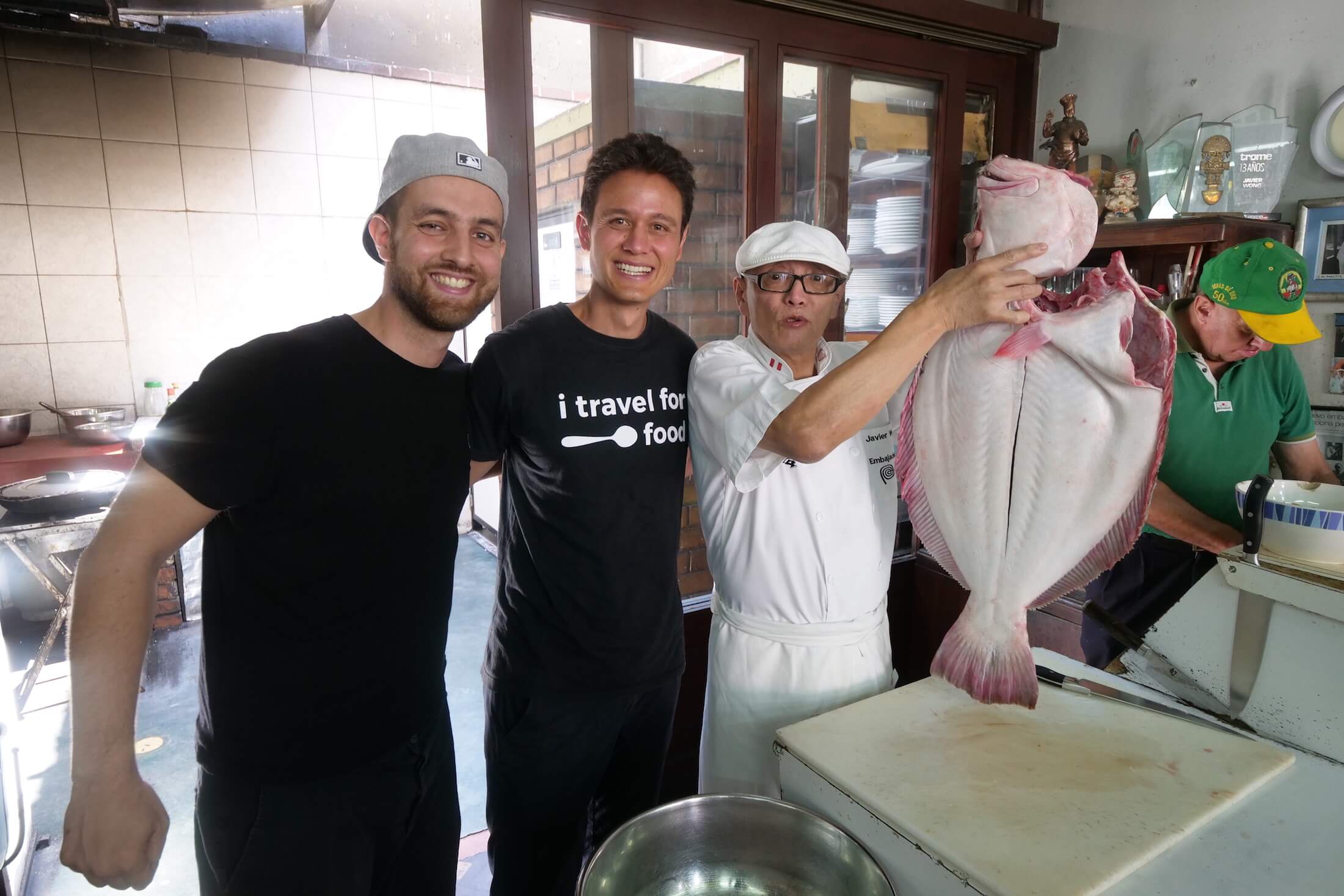
Following the consumption of the fish and octopus, diners are introduced to a quintessential Peruvian ritual: the consumption of leche de tigre, or "tiger’s milk." This rich, highly concentrated mixture of leftover lime juice, fish juices, salt, and aromatics settles at the bottom of the ceviche bowl. At Chez Wong, this potent liquid is often transferred into a glass for guests to drink directly. Described by culinary enthusiasts as an explosion of sour, salty, peppery, and savory notes, the tiger’s milk serves as a bracing, palate-awakening tonic that encapsulates the bold flavor profile of Peruvian coastal cuisine.
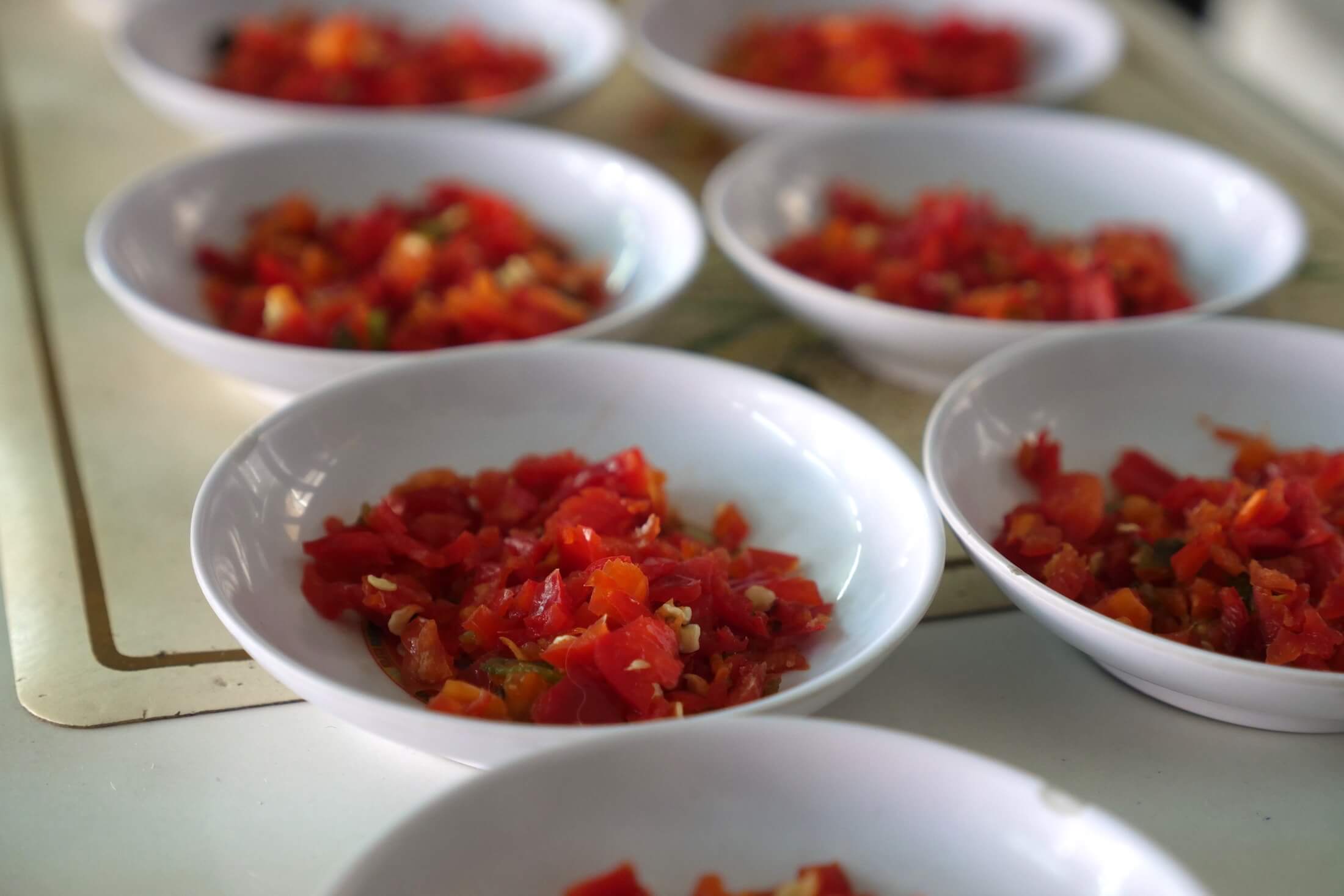
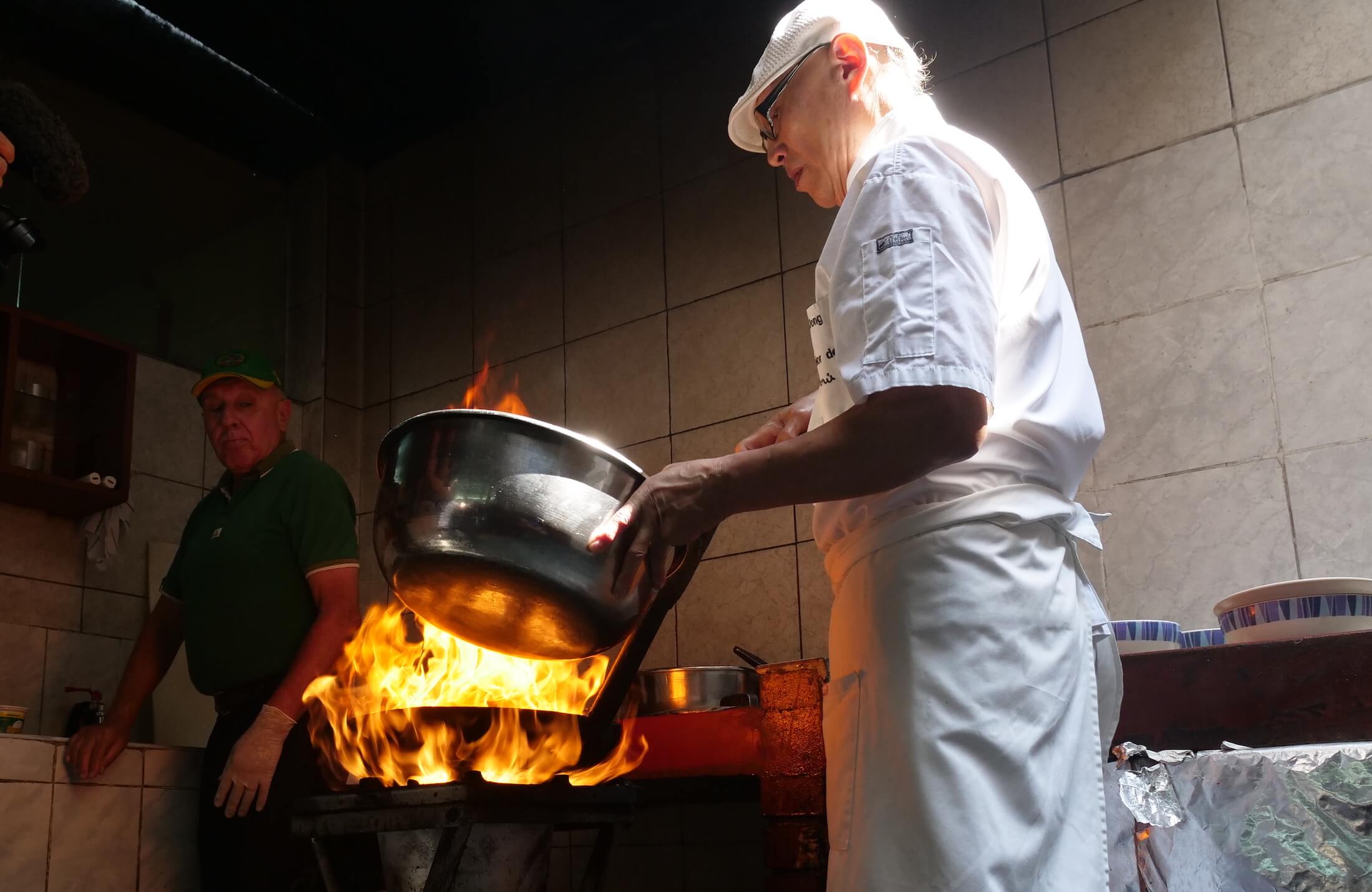
The second course transitions from the cool, acidic realm of raw seafood to the intense, roaring heat of the wok. Chef Wong’s preparation of the fish stir-fry is a theatrical display of high-pressure culinary technique. Utilizing a powerful gas burner that sends miniature explosions of flame leaping toward the ceiling, the chef tosses the ingredients with fluid, one-handed precision. Despite the extreme heat, Wong exercises strict control over the cooking process, avoiding the use of utensils while the burner is active to prevent the delicate cubes of fish from breaking apart.
The ingredient list for the stir-fry reflects the same minimalist philosophy observed in the ceviche, combining the soft fish meat with snow peas, chard, bok choy, thick-stemmed mushrooms, and a surprising yet revolutionary secret ingredient: fresh tangerine flesh. The inclusion of citrus fruit within a scorching, high-heat wok preparation introduces a subtle sweetness and acidity that cuts through the savory richness of the soy sauce and smoky aromatics. The resulting dish offers a complex interplay of textures, pairing the tenderness of the fish and fruit with the fibrous crunch of the snow peas and the chewiness of the mushrooms.
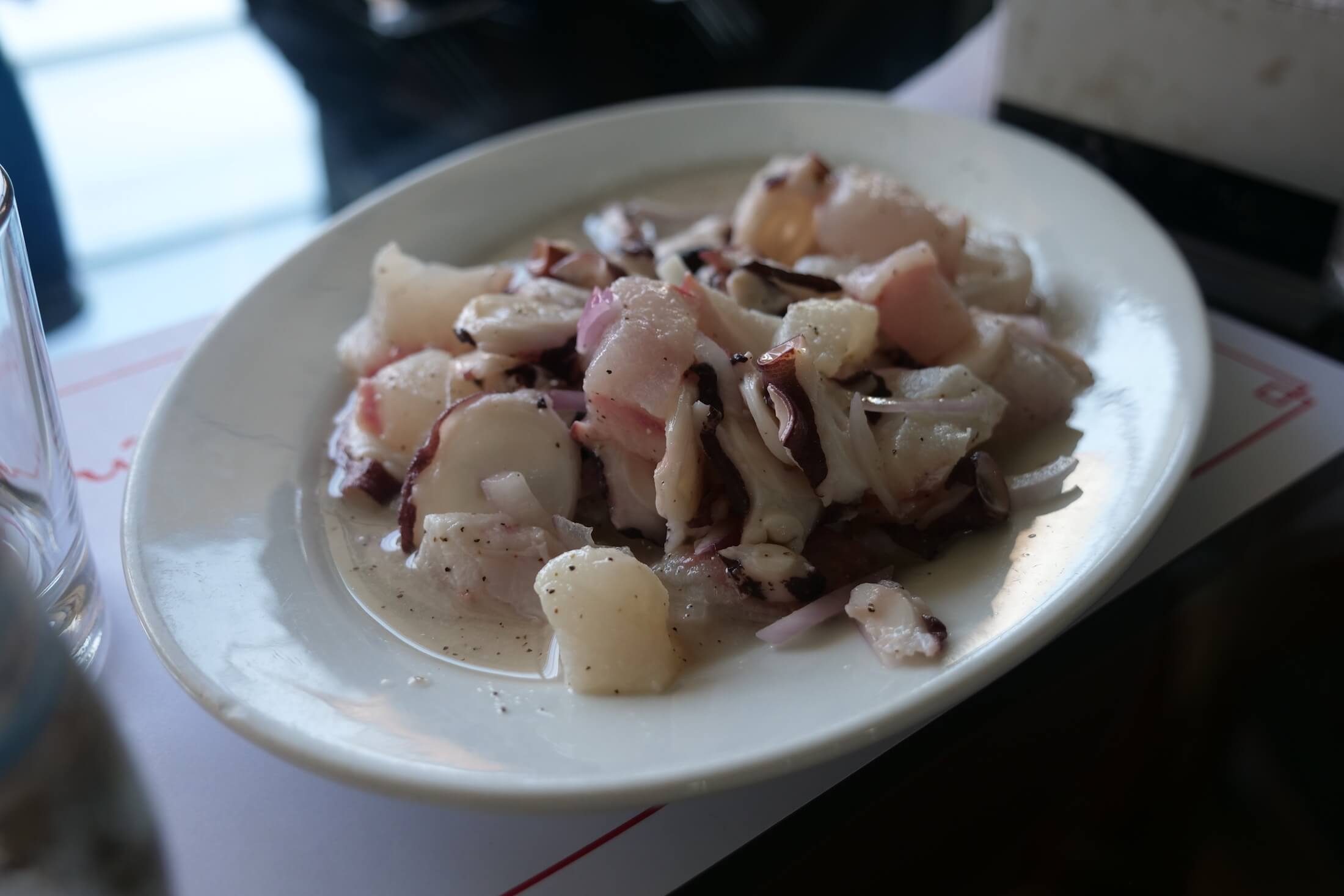
The financial and logistical framework of Chez Wong reflects its status as an exclusive culinary sanctuary. During a typical seating, a group of four diners can expect a total bill of approximately 545 Nuevo Soles (roughly equivalent to $165 USD), encompassing multiple courses of world-class ceviche, stir-fry, and beverages. While the price point places the restaurant firmly within the fine-dining tier, the lack of pretension and the intimate, residential setting create an atmosphere that feels remarkably personal.
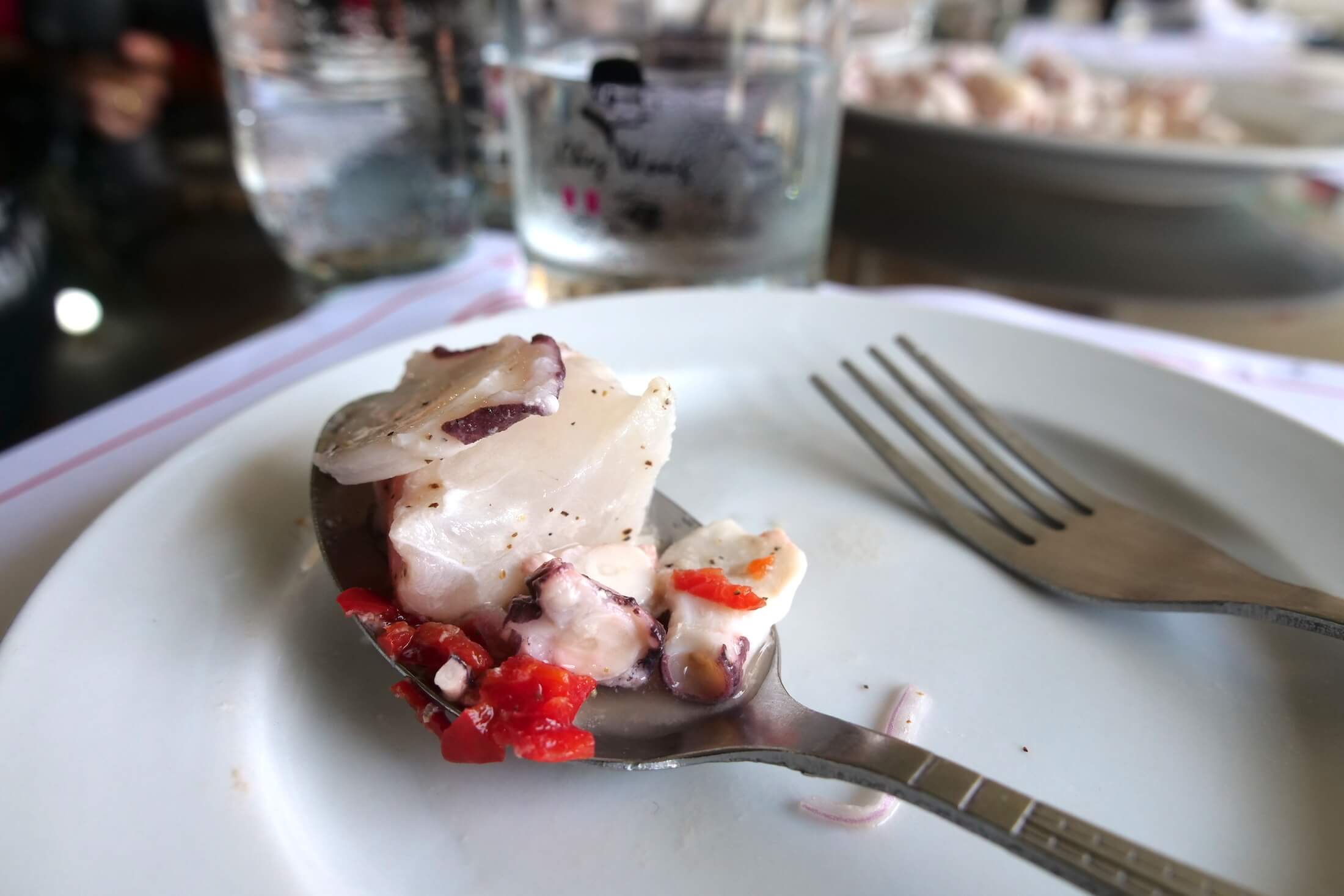
The implications of Javier Wong’s enduring legacy extend far beyond the borders of Lima. In an era dominated by corporate hospitality groups, scalable restaurant chains, and algorithmic menu design, Chez Wong stands as a powerful reminder of the value of individual artistry. The restaurant demonstrates that global culinary acclaim can be achieved through a singular focus on quality, respect for heritage, and a deep-seated passion for sharing one’s culture with others. For travelers and gastronomes making the pilgrimage to Peru’s capital, an afternoon at Chez Wong offers more than just a meal; it provides an intimate encounter with a living culinary legend whose hands continue to shape the narrative of modern Peruvian cuisine.