The Ultimate Guide to Exploring London on Foot: A Curated Selection of the City’s Premier Walking Routes

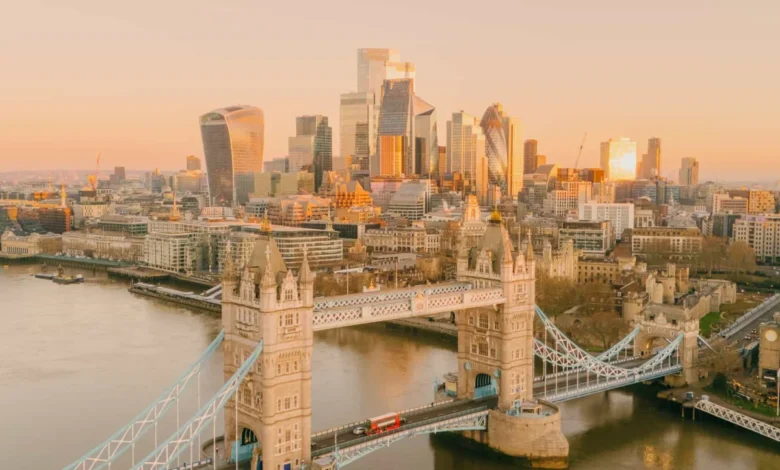
London is a city best understood through its pavement. With a history spanning two millennia, the capital’s architectural layers, diverse neighborhoods, and sprawling green spaces are most effectively navigated at walking pace. For tourists and residents alike, pedestrian exploration offers an intimate connection to the urban fabric that transit systems often obscure. While London remains one of the most visited cities in the world, with over 20 million international visitors annually, the sheer scale of the metropolis can be daunting. To facilitate efficient and comprehensive exploration, this report outlines eight premier walking routes, designed to intersect with major historical landmarks, cultural hubs, and scenic corridors.

The Strategic Approach to Urban Pedestrianism
Urban planners and tourism experts have long noted that pedestrian-friendly cities benefit from increased economic activity in local districts. In London, walking is not merely a leisure activity; it is a primary mode of transit that links disparate boroughs, from the royal corridors of Westminster to the industrial-turned-creative zones of the East End. For visitors, the key to a successful walking tour is modularity. Attempting to traverse the city’s vast landscape in a single outing is counterproductive. Instead, breaking these routes into thematic sections allows for a deeper appreciation of the heritage sites and commercial centers encountered along the way.

1. The Central Landmark Corridor
The most iconic route for first-time visitors is the Central Landmark Corridor, a path that links the royal history of West London with the political and cultural heart of the city. This route typically begins in the vicinity of Kensington Palace, moving through the expansive greenery of Hyde Park toward the Royal Albert Hall.

The significance of this area is grounded in the Victorian-era development of South Kensington, often referred to as "Albertopolis." This cluster includes the Natural History Museum and the Victoria and Albert Museum—both of which operate on a policy of free general admission, a hallmark of UK cultural strategy designed to keep historical education accessible to the public. The walk continues toward the Wellington Arch, Buckingham Palace, and finally, the historic administrative center of Whitehall, ending at the iconic silhouette of Big Ben and the Houses of Parliament.

2. The Regent’s Canal Greenway
For those seeking a departure from the high-density urban environment, the Regent’s Canal route provides a tranquil alternative. Originally constructed in the early 19th century to facilitate the transport of goods, the canal has evolved into a vital pedestrian artery. The route from King’s Cross—now a major hub of urban regeneration—to the picturesque "Little Venice" offers a look at the industrial heritage of the city.

The canal passes through Camden, a district that gained international fame in the late 20th century as a focal point for alternative culture and music. The integration of green spaces like Regent’s Park alongside the canal path provides a unique biodiversity corridor, offering a stark contrast to the surrounding dense infrastructure.

3. The Central London Circular Walk
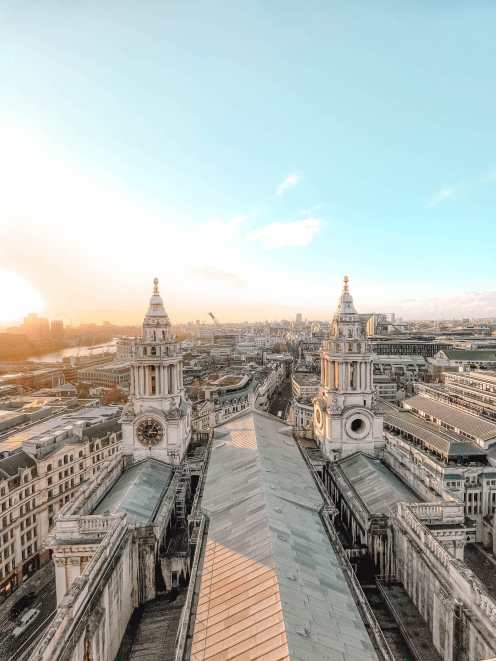
Designed to bridge the gap between historic financial districts and the modern riverside, the Central London Circular route is an exercise in architectural contrast. The walk begins at the Grade I listed St Paul’s Cathedral, designed by Sir Christopher Wren following the Great Fire of London in 1666.

The route proceeds toward the City of London, where the medieval street patterns clash with the glass-and-steel skyscrapers of the contemporary financial sector. A key feature of this route is the inclusion of public, yet elevated, viewing platforms such as the Sky Garden. By incorporating these free-access viewpoints, the route provides a panoramic understanding of the city’s skyline, effectively contextualizing the historic monuments below.

4. The Thames Path: A River’s Legacy
The Thames Path is a National Trail covering 185 miles from the river’s source in the Cotswolds to the Thames Barrier in Woolwich. Within the London boundary, the path serves as the city’s most significant social and historical spine. The stretch from Greenwich to Battersea is particularly dense with historical significance.

Greenwich, a UNESCO World Heritage site, provides the starting point for this route, featuring the Old Royal Naval College and the Cutty Sark. As the path moves westward, it crosses through the South Bank, an area that underwent significant development for the 1951 Festival of Britain. The implication of this route is clear: the history of London is fundamentally a history of its river. From the maritime trade of the 18th century to the modern commercial developments of Battersea Power Station, the path tracks the evolution of the city’s economy.

5. The Line Art Walk
East London has become a center for contemporary art and urban regeneration. The Line Art Walk, situated in the North Greenwich and Stratford area, represents a modern approach to tourism. Unlike traditional historical walks, this route is anchored by a series of outdoor art installations, including works by internationally recognized sculptors.

This route intersects with the Queen Elizabeth Olympic Park, the site of the 2012 Olympic Games. The long-term legacy of these games is visible in the transformation of the area into a hub for culture and education, including the newly established V&A East Storehouse. This facility allows members of the public to view the museum’s reserve collections, a unique attempt to demystify the process of curation and conservation.
6. The Capital Ring Walk
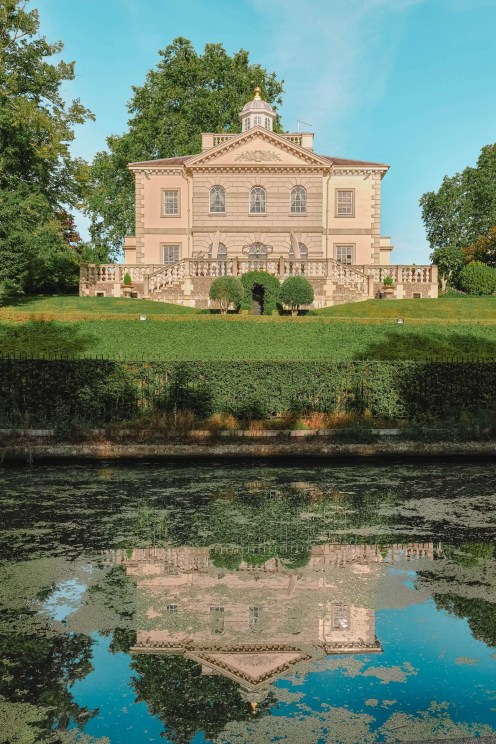
For those interested in the periphery of the metropolis, the Capital Ring is a 78-mile circular walk that encircles Inner London. While it is too extensive for a single day, the route is segmented into 15 manageable sections. It traverses the suburbs, offering a glimpse into the diverse residential landscapes that make up the "Greater London" area. The route is maintained by Transport for London (TfL), ensuring that each segment is well-signposted and accessible via the city’s comprehensive public transport network. This route is essential for understanding that London is a collection of villages and towns that have been absorbed into a single, massive urban entity.

7. The Green Link: A Sustainable Corridor
The Green Link Walk is a recent addition to London’s pedestrian infrastructure, specifically designed to connect green spaces through the urban core. Running from Epping Forest in the northeast to Peckham in the south, the route highlights the city’s commitment to urban greening.
As climate change continues to impact urban centers, the preservation and connection of green corridors have become a priority for local councils. By walking the Green Link, visitors can observe how London balances its status as a global financial center with the necessity of maintaining "lungs" for the city. The route passes through London Fields and Burgess Park, both of which serve as vital social hubs for the surrounding communities.

8. The Jubilee Walkway
Established in 1977 to commemorate the Silver Jubilee of Queen Elizabeth II, the Jubilee Walkway is perhaps the most formal of all the routes. The 15-mile loop is divided into five distinct sections, each focusing on a different aspect of the monarchy’s influence on the city.

The route is marked by stainless steel discs embedded in the pavement, which act as wayfinding markers. It encompasses the most significant political and royal landmarks, including the Tower of London, which has served as a palace, fortress, and prison over the last 900 years. The Jubilee Walkway is a factual, historical tour that serves to anchor the visitor in the timeline of the British state.

Conclusion and Practical Considerations
Exploring London on foot is the most effective way to grasp the city’s complexity. Whether one chooses the historical density of the Jubilee Walkway or the modern, art-focused path of The Line, the result is a deeper understanding of the capital.

Travelers are advised to utilize the digital resources provided by local authorities and tourism boards, such as Google Maps integrations and downloadable PDFs, to ensure accurate navigation. Furthermore, the city’s weather is notoriously variable; walkers should always prioritize appropriate footwear and check local meteorological reports. By utilizing these curated routes, visitors can move beyond the superficial "tourist experience" and engage with the layers of history, commerce, and nature that constitute the London of today. The city’s infrastructure is designed to accommodate the pedestrian, and in doing so, it reveals the true, enduring character of the capital.