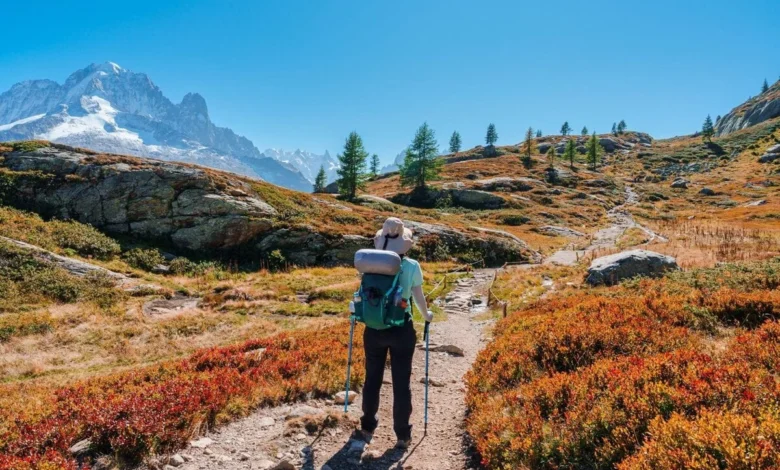
The Tour du Mont Blanc (TMB) has long stood as one of Europe’s premier long-distance hiking circuits, drawing tens of thousands of outdoor enthusiasts annually to the dramatic alpine borders of France, Italy, and Switzerland. Traditionally, conquering the full 170-kilometer loop with its grueling 10,000 meters of cumulative elevation gain requires a commitment of ten to eleven days. However, a growing segment of time-constrained trekkers is turning to a streamlined alternative: the Express Tour du Mont Blanc. By strategically bypassing repetitive valley floor tarmac and utilizing regional cable cars, public shuttles, and seasonal bus networks, hikers can compress the journey into a rigorous six-to-seven-day itinerary without sacrificing the iconic high-altitude passes or cross-border cultural transitions that define the experience.
Achieving this high-efficiency traverse requires meticulous logistical planning. Unlike the standard itinerary, which offers ample slack for weather delays, fatigue, or missed connections, an express schedule operates with razor-thin margins. Because regional infrastructure—including mountain refuges, cable cars, and seasonal bus routes—operates strictly within seasonal windows, every operational component must lock into place prior to departure.
Background and Context of the TMB Circuit
Circling the monolithic Mont Blanc massif, the highest peak in Western Europe, the TMB crosses profound geographic and cultural thresholds. The trail system evolved from ancient paths used by local herdsmen, smugglers, and early mountaineers. Today, it represents a marvel of international outdoor recreation, managed collaboratively across three distinct national jurisdictions.
The standard route features deep descents into agricultural valleys followed by arduous climbs back into the alpine zone. While purists insist on walking every meter of the circuit, modern transit developments have transformed how visitors interact with the landscape. Cable cars such as the Skyway Monte Bianco or the various lifts above Chamonix and Courmayeur bridge thousands of vertical meters in minutes, while robust valley bus systems connect remote trailheads. The express methodology leverages these public and commercial investments to focus exclusively on the route’s crown jewels: the high balcony trails and sweeping panoramic ridges.
Chronology and Strategic Itinerary Phrasing
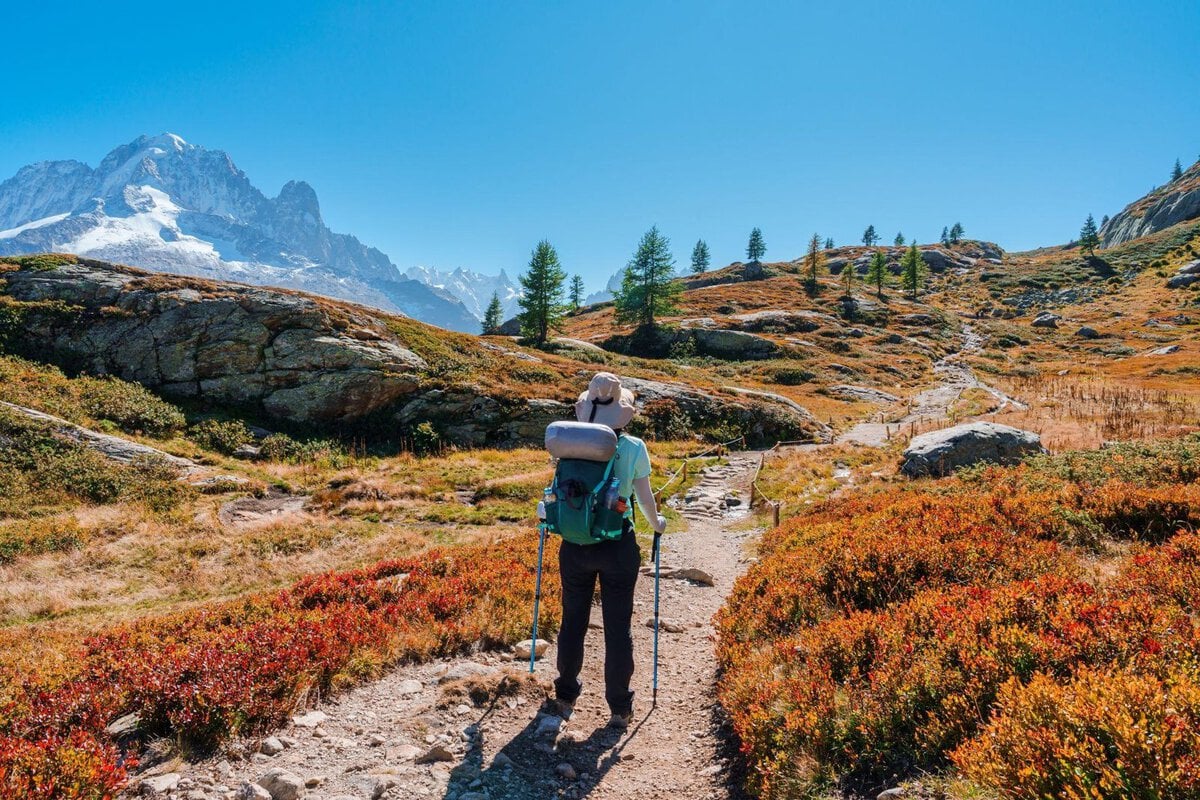
Designing an express traverse demands a systematic approach to route planning. Experienced alpine guides recommend prioritizing the high-altitude sections that cannot be replicated elsewhere, while outsourcing the low-elevation valley connectors to mechanized transport.
For most mountaineers, the non-negotiable highlights include the Col de la Seigne on the Franco-Italian border, the sweeping Mont de la Saxe balcony trail overlooking the Italian resort town of Courmayeur, the Grand Col Ferret connecting Italy to Switzerland, and the dramatic balcony paths threading above the Chamonix Valley. The physical demands remain intense even with shortened distances; hikers must anticipate daily vertical ascents ranging from 900 to 1,300 meters, coupled with sustained descents over five to seven hours of rugged terrain.
To manage the physical toll and logistical realities, a typical six-to-seven-day express itinerary follows a strict counter-clockwise progression from the traditional hub of Les Houches, France:
Day 1: Les Houches to Les Contamines, utilizing initial cable car assistance to bypass lower forest tracks.
Day 2: Les Contamines across the Col de la Seigne into the Val Veny, entering Italy.
Day 3: Val Veny over the Mont de la Saxe balcony into Courmayeur, serving as a vital logistical and medical reset point.
Day 4: Courmayeur across the Grand Col Ferret into the Swiss Val Ferret.
Day 5: Swiss Val Ferret down toward Champex-Lac, leveraging local bus links to bridge lower valley sections.
Day 6: Champex-Lac over the Bovine route or Col de la Forclaz toward Trient or Le Tour.
Day 7: Final push from Le Tour or Argentière back into the Chamonix Valley, completing the loop.
Logistical Pillars: Transport and Access
Navigating the transit network from international arrival hubs requires precision. Geneva Airport serves as the primary gateway for international visitors attempting the TMB. Road transfers from Geneva to Chamonix cover approximately 100 kilometers and typically require 75 to 90 minutes via shared shuttle or pre-booked private transfer. Industry specialists note that while rail alternatives exist, road transfers significantly reduce transit friction for travelers carrying heavy trekking poles, technical gear, and tight schedules.
Car rentals are strongly discouraged for express itineraries. A rented vehicle remains idle in a parking facility for the duration of the trek, incurring unnecessary costs and complicating point-to-point logistics when finishing at a different trailhead or managing unexpected schedule shifts.
Furthermore, managing baggage logistics can dramatically alter physical endurance on steep gradients. Luggage transfer services operating along the TMB allow hikers to send primary duffels ahead to designated valley hotels, leaving participants to carry only a lightweight daypack containing emergency weather gear, hydration, nutrition, and first-aid supplies. However, planners must verify that individual refuges accept transferred luggage, as remote high-altitude huts often lack vehicular access.
Accommodation Realities and Booking Timelines
Securing overnight lodging represents the single most critical vulnerability in an express TMB schedule. The official Mon Tour du Mont-Blanc booking platform opens reservations for its member refuges and gîtes on October 15 for the subsequent summer season. Popular properties in high-demand sectors—such as Les Chapieux, Val Veny, and the Swiss Val Ferret—frequently book out within weeks of opening.
Operating outside official channels or failing to secure accommodations early can cascade into severe itinerary failures. If a key refuge like Les Chapieux is fully booked, hikers may be forced to descend via evening shuttle to Bourg-Saint-Maurice and ascend again the following morning, consuming valuable recovery time. Industry experts advise confirming dinner arrangements, strict check-in deadlines, and luggage policies for every reserved bed before finalizing international flights or ground transfers.
Border Crossings and Regulatory Requirements
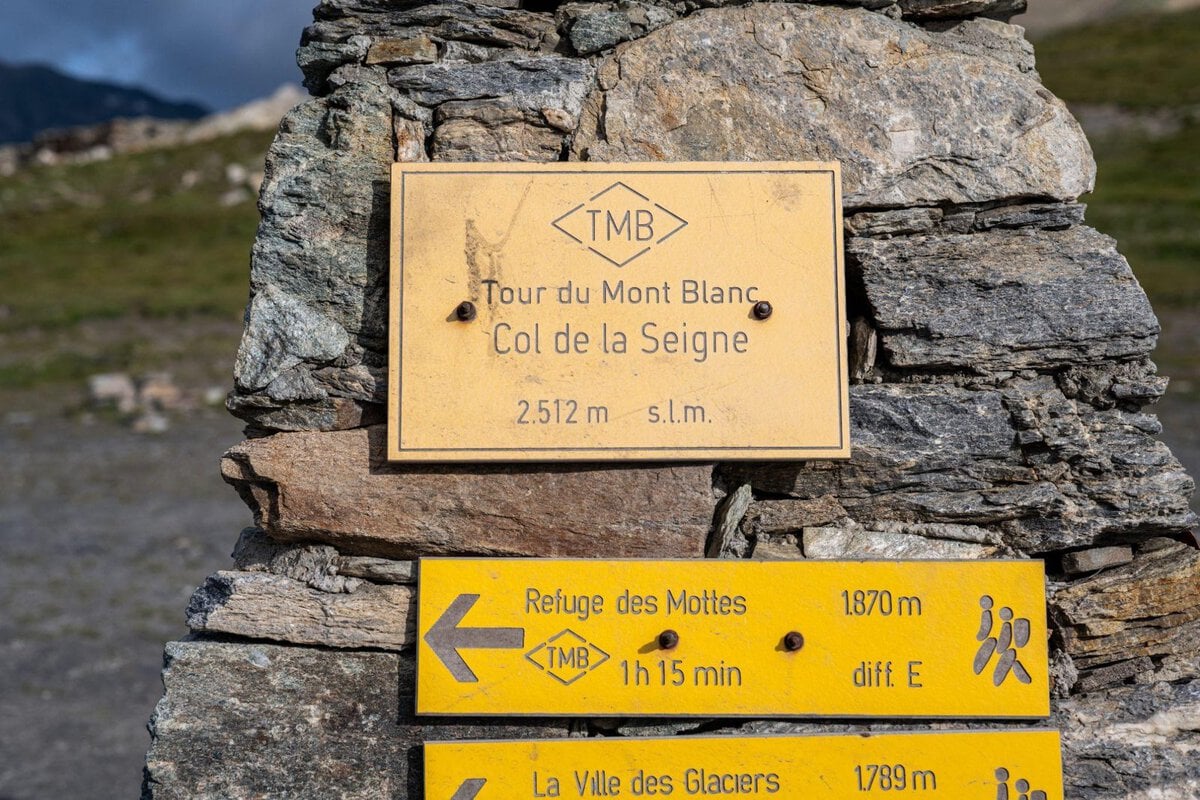
A defining characteristic of the Tour du Mont Blanc is its seamless international transition. The route crosses two major high-altitude divides: the Col de la Seigne (2,516 meters) from France to Italy, and the Grand Col Ferret (2,537 meters) from Italy to Switzerland.
Although the Schengen Area generally permits unhindered movement across these borders, regional authorities and mountain rescue services mandate that all hikers carry valid passports or national identity cards on every stage. Additionally, monetary logistics shift abruptly upon crossing into Switzerland; while major hubs accept digital payments, remote outposts and high-altitude snack stations in the Swiss Val Ferret frequently operate on cash only, requiring hikers to carry sufficient Swiss francs.
Risk Management and Safety Implications
Mountain rescue organizations and alpine guides emphasize that compressing a major expedition increases exposure to environmental risks. Rapidly shifting weather patterns, intense UV radiation, and physical exhaustion from consecutive high-vertical days demand built-in contingency buffers.
Experts strongly advise against scheduling demanding alpine stages immediately following international long-haul flights. Incorporating a buffer day—or maintaining Courmayeur as a strategic reset hub—provides vital operational flexibility. Courmayeur features extensive medical, lodging, and transport infrastructure, allowing injured or fatigued hikers to pivot safely, utilize the Mont Blanc Tunnel bus back to Chamonix, or bypass inclement weather without entirely abandoning the core objectives of the trek.
Ultimately, an express Tour du Mont Blanc offers an efficient pathway for conditioned athletes to experience one of the world’s most celebrated alpine circuits. By respecting the logistical constraints, securing lodgings well in advance, and utilizing mechanical transport strictly for low-elevation valley miles, hikers can successfully bridge three nations on foot while maximizing their time within the majestic heights of the Mont Blanc massif.