Waldorf Astoria Kuala Lumpur Marks the Brand’s Landmark Entry into the Malaysian Hospitality Market

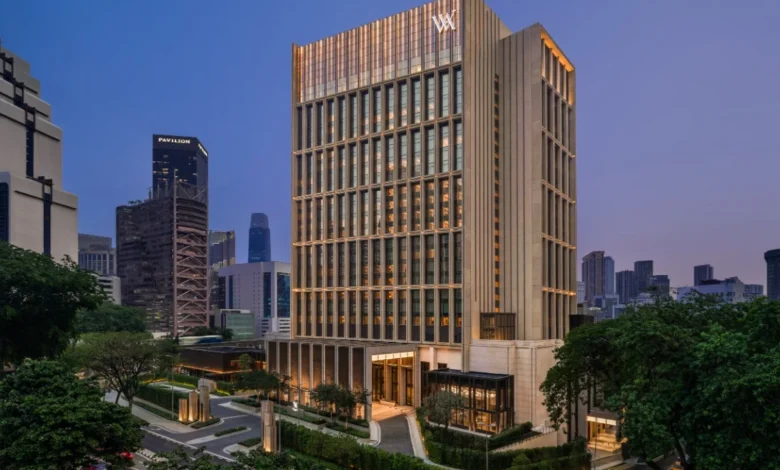
The official arrival of the Waldorf Astoria in Kuala Lumpur represents a significant milestone in the evolution of Malaysia’s luxury hospitality sector. Situated in the heart of the capital city’s Golden Triangle, the property serves as the first outpost for the iconic Hilton-owned brand within the country. This expansion is part of a broader, aggressive growth strategy by Hilton Worldwide Holdings to capture the increasing demand for ultra-luxury accommodations in Southeast Asia’s rapidly developing urban centers. As the hospitality landscape shifts toward experiential travel and personalized service, the Waldorf Astoria Kuala Lumpur is positioned to become a central node for both international business travelers and the growing segment of affluent domestic tourists.

A Strategic Geographical Expansion
The selection of Kuala Lumpur as the site for this flagship property is far from coincidental. For years, the Malaysian capital has served as a gateway to the ASEAN region, characterized by a stable economic environment and a growing reputation as a hub for international commerce. By embedding the Waldorf Astoria brand in the city’s Central Business District, Hilton is positioning the hotel to compete directly with other high-end, established entities such as the Four Seasons, the St. Regis, and the Ritz-Carlton.
The hotel’s location offers unparalleled access to the city’s premier landmarks, including the Petronas Twin Towers, the KL Tower, and the sophisticated shopping corridors of Bukit Bintang. This placement ensures that guests are not merely staying in a hotel but are situated at the epicenter of the city’s cultural and economic life. From an infrastructure perspective, the hotel benefits from the comprehensive public transit network that defines the Klang Valley, making it an accessible luxury destination for international visitors arriving via the Kuala Lumpur International Airport (KLIA).

Chronology of the Development
The path to the hotel’s opening was marked by a meticulous multi-year development cycle. The project was first announced to the public several years ago as part of a joint venture aimed at revitalizing a specific plot of prime real estate within the capital.
- 2021-2022: Initial site acquisition and preliminary architectural planning. During this phase, the focus was on ensuring the structural integrity of the site and aligning the design aesthetics with the Waldorf Astoria’s global brand standards, which emphasize historical reverence and modern opulence.
- 2023-2024: Construction and interior fit-out. The construction process was subject to rigorous quality control measures to ensure that the materials used met the sustainability and safety benchmarks required for a Five-Star rating.
- 2025: Pre-opening phase. The hotel management focused on local hiring initiatives and the integration of the Waldorf Astoria "True Waldorf Service" philosophy into the regional service culture.
- November 3, 2026: The official public opening and commencement of operations. This date marks the culmination of the planning and construction efforts, signaling the brand’s formal entry into the Malaysian market.
Supporting Data and Market Context
The luxury hotel segment in Malaysia has demonstrated remarkable resilience and growth, even amidst global economic fluctuations. According to recent industry reports, the upscale hotel market in Kuala Lumpur has seen a steady increase in Average Daily Rate (ADR) and Revenue Per Available Room (RevPAR).

Current data indicates that international tourist arrivals in Malaysia are on a steady trajectory toward pre-pandemic levels, with a significant shift toward high-spending travelers from regional neighbors, including China, Singapore, and Australia. The Waldorf Astoria’s entry is timed to coincide with these favorable market conditions. Furthermore, the hotel’s business model is bolstered by a focus on MICE (Meetings, Incentives, Conferences, and Exhibitions) capabilities, which remains a key revenue driver for the Kuala Lumpur luxury hospitality sector. The property features extensive banquet facilities and high-tech meeting rooms designed to attract regional corporate headquarters and high-profile diplomatic functions.
Official Perspectives and Brand Philosophy
Representatives from Hilton have consistently highlighted the importance of this specific property. A spokesperson for the group noted that the Waldorf Astoria Kuala Lumpur is designed to reflect the "spirit of the city" while maintaining the "unmistakable elegance" associated with the brand’s history, which traces its origins to the legendary Waldorf-Astoria in New York City.

The brand’s commitment to "True Waldorf Service" involves a high staff-to-guest ratio, personalized concierge experiences, and a curated culinary program that blends international fine dining with authentic Malaysian flavors. By integrating local culinary talent and sourcing produce from regional suppliers, the hotel seeks to cultivate an authentic sense of place that resonates with the modern, discerning traveler who values cultural immersion alongside premium comfort.
Analysis of Economic and Industry Implications
The arrival of a brand of this caliber has several broader implications for the Malaysian tourism industry. First, it elevates the profile of Kuala Lumpur as a Tier-1 destination for luxury travelers. When major global brands like Waldorf Astoria enter a market, it often triggers a "halo effect," encouraging further investment in luxury retail, high-end dining, and ancillary services, which collectively elevate the entire hospitality ecosystem of the city.

Secondly, the hotel’s focus on sustainable luxury operations—including energy-efficient design, waste reduction programs, and water conservation—sets a precedent for newer developments in the city. As Malaysia moves toward its goal of becoming a more sustainable tourism destination, the practices adopted by high-profile projects like the Waldorf Astoria are likely to become industry standards.
Finally, the recruitment and training efforts undertaken by the property contribute to the professionalization of the local workforce. By importing international service standards, the hotel provides a platform for local talent to undergo rigorous hospitality training, effectively raising the bar for the entire service sector in the capital.

Design and Architectural Significance
The architectural design of the Waldorf Astoria Kuala Lumpur reflects a dialogue between heritage and modernity. While the interior aesthetics are deeply inspired by the art deco influences that defined the original New York flagship, the property incorporates modern glass and steel elements that allow for expansive views of the Kuala Lumpur skyline. The design utilizes a palette of warm, neutral tones interspersed with subtle gold accents, a common motif in Waldorf Astoria properties globally.
Public spaces within the hotel, including the grand lobby and the signature restaurant, have been designed to serve as focal points for the city’s social elite. By creating spaces that are not only exclusive to hotel guests but also accessible to the local public, the hotel reinforces its status as an integral part of the city’s social fabric.

Looking Ahead: The Future of Luxury in Malaysia
As the Waldorf Astoria Kuala Lumpur begins its operational journey, the industry will be watching closely to see how it balances the expectations of global loyalists with the unique demands of the Malaysian market. If successful, this property could pave the way for further expansion of the Waldorf Astoria brand into other major Malaysian hubs, such as Penang or Langkawi, where the demand for high-end boutique and resort experiences continues to rise.
The long-term success of the property will rely on its ability to maintain consistency in service excellence and its capacity to adapt to the changing preferences of the luxury traveler. In an era where digital transformation and physical luxury are converging, the Waldorf Astoria Kuala Lumpur’s integration of state-of-the-art technology—from mobile check-in to AI-driven guest preferences—will be a critical factor in its ability to retain a competitive edge.

In conclusion, the opening of the Waldorf Astoria Kuala Lumpur is a strategic move that reflects both the maturity of the Malaysian tourism market and the confidence of global hotel operators in the region’s long-term economic stability. By combining a legacy brand identity with a forward-looking approach to luxury, the hotel is set to become a cornerstone of Kuala Lumpur’s hospitality scene for decades to come. As it begins to welcome its first guests, the property serves as a tangible manifestation of Malaysia’s growing influence as a premier global destination for high-end travel and international business.