The Paradox of Modern Wilderness Tourism
The fundamental challenge facing the modern trekking industry is the "over-tourism" phenomenon that has permeated even the most remote corners of the globe. As digital platforms and social media have democratized trail information, legendary paths such as the Inca Trail in Peru or the Appalachian Trail in the United States have seen record numbers of annual visitors. This surge often results in ecological degradation and, more importantly for the high-net-worth traveler, the erosion of the psychological benefits of hiking: silence, solitude, and a direct connection to nature.
For the luxury traveler, the objective has shifted from merely completing a challenging route to securing an environment where the experience is curated, private, and pristine. This demand has spurred the development of lodge-based trekking, where high-end accommodations serve as base camps for excursions into protected, private, or restricted lands. By leveraging private concessions and exclusive aerial transport, these operators are effectively bypassing the congested public trail systems that define the modern hiking experience.
The Evolution of Remote Exploration: A Chronology

The transition toward high-luxury trekking began in earnest in the early 21st century as boutique hospitality brands recognized that the "adventure" market was shifting from rugged, low-budget backpacking toward "glamping" and ultra-luxury expedition travel.
By 2010, operators in regions like Patagonia and the Southern Alps of New Zealand began investing in private trail infrastructure. These companies recognized that the land tenure systems in these regions allowed for the development of exclusive access routes. By 2018, helicopter-assisted hiking had moved from a niche offering for extreme mountaineers to a standard luxury service for high-end resorts.
The COVID-19 pandemic acted as a further catalyst. Between 2020 and 2022, travel restrictions and the desire for social distancing led to a 40% increase in demand for private, remote nature-based travel. This trend forced operators to formalize "seclusion protocols," which include the use of private landing zones and exclusive-use land permits, ensuring that guests remain isolated from the general public throughout their journey.
The Economics of Exclusivity: Supporting Data
The financial investment required to maintain these remote experiences is substantial. Operators of luxury hiking retreats often cite maintenance costs that are 300% higher than standard resort operations due to the logistics of supply chain management in remote terrains. A report by the World Tourism Organization (UNWTO) suggests that the "luxury adventure" demographic is willing to pay a premium of 50% to 200% above market rates for guaranteed solitude and safety.

Furthermore, the environmental stewardship costs are significant. Many of the premier luxury hiking destinations operate under strict "leave no trace" policies that require significant capital investment in waste management, sustainable energy, and trail restoration. These expenditures are often passed down to the consumer, reinforcing the high price point of these experiences.
The Role of Aerial Access in Remote Connectivity
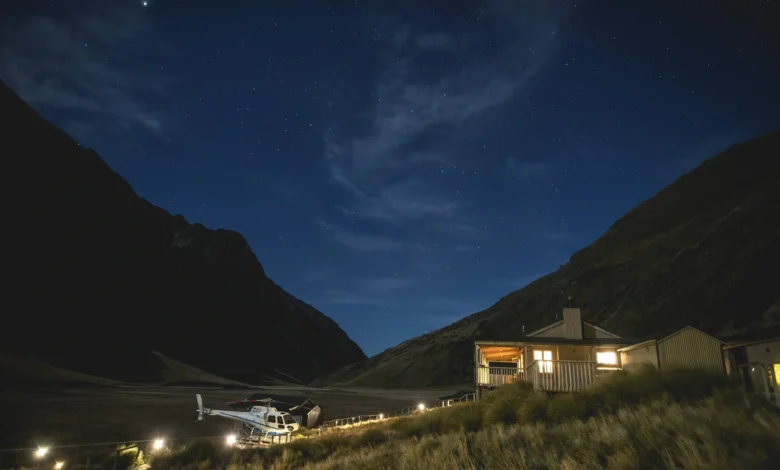
The use of helicopters to access untouched terrain has become a hallmark of the contemporary luxury hiking experience. In regions such as the Canadian Rockies or the remote fjords of Greenland, access by foot can take days of transit through crowded or monotonous terrain. By utilizing vertical lift, guests can bypass the periphery and land directly at the base of high-altitude alpine zones.
Industry experts emphasize that this method is not merely for convenience; it is a vital tool for environmental preservation. By concentrating foot traffic in designated high-value zones via aerial transport, operators can prevent the proliferation of unauthorized "social trails" that often scar landscapes when hikers attempt to find their own routes in popular areas. This managed access allows for a controlled, low-impact presence in fragile ecosystems.
Implications for Biodiversity and Land Management

The rise of luxury trekking has profound implications for global conservation efforts. Many luxury hiking operators have entered into public-private partnerships (PPPs) with governments to manage protected areas. In exchange for the right to host guests, these companies often fund anti-poaching units, wildlife monitoring programs, and reforestation projects.
However, critics within the environmental science community caution that the presence of high-end infrastructure—even if sustainable—can still disrupt local wildlife migration patterns and sensitive alpine flora. The challenge for the industry remains to balance the visitor’s desire for "untouched" wilderness with the biological reality that human presence, however managed, alters an ecosystem.
Official Perspectives on Sustainable Luxury
Industry representatives argue that the luxury trekking model is, in fact, the most sustainable way to engage with the environment. "When we limit the number of visitors through high price barriers and private access, we drastically reduce the per-capita impact on the land," says a spokesperson for a major luxury expedition group. "Our guests are inherently invested in the preservation of the landscape; if the landscape suffers, our business model disappears. It is a symbiotic relationship."
From a regulatory standpoint, government agencies in countries like Bhutan and Iceland have adopted similar philosophies. Bhutan’s "High Value, Low Volume" tourism policy has long served as the gold standard for this approach. By charging substantial daily fees, the state limits the number of visitors, ensuring that the country’s natural and cultural heritage remains intact. Luxury hiking operators are increasingly modeling their private offerings on these national-level strategies, effectively creating "micro-nations" of conservation on private properties.

The Future of the High-End Trekking Market
As the demand for authentic, human-centric travel experiences continues to grow, the luxury hiking sector is expected to expand into previously untapped regions, including the steppes of Central Asia and the remote interior of the Scandinavian mountains. The focus will likely remain on integrating high-tech safety measures with low-tech, traditional exploration methods.
Data analytics will play an increasingly large role in these experiences. Future luxury trekkers may expect real-time health monitoring, localized weather predictive modeling, and AI-driven trail mapping that optimizes for silence and wildlife sightings rather than just distance and elevation.
Ultimately, the goal for the luxury hiking industry is to provide the illusion of being the first to tread upon the earth, even as they provide the security and comfort of a modern hotel. The success of these trips relies on a delicate balance: the ability to provide access to the world’s most rugged terrains while maintaining an invisible footprint. As public trails become more crowded, the value proposition of these private, exclusive, and carefully curated adventures will likely only increase, solidifying the luxury hiking trip as a cornerstone of the future of elite, conscious travel.
In conclusion, the evolution of the luxury hiking market reflects a broader societal shift toward valuing time, solitude, and pristine environment as the ultimate commodities. By combining the logistical power of modern aviation with the traditional appeal of wilderness exploration, these trips offer a solution to the over-tourism crisis, provided that operators continue to prioritize ecological stewardship alongside the guest experience. The industry is effectively commodifying silence—a rare and increasingly expensive luxury in the 21st century.
Related posts: