The roar of the crowd, the thrill of victory, the unifying power of the world’s most popular sport – these are the elements that define the FIFA World Cup, often hailed as "the people’s game." However, for the upcoming 2026 tournament, a significant shift is underway, transforming this beloved global spectacle into an increasingly exclusive experience, with ticket prices reaching stratospheric levels that place it firmly within the realm of the ultra-wealthy. What was once a game accessible to the masses is now, for many, priced out of reach, reflecting a broader trend in the sports tourism industry where premium experiences are commanding unprecedented premiums.
The 2026 FIFA World Cup, set to commence with its group stages on June 11, is already breaking records, not for its athletic prowess alone, but for its sheer scale and the associated financial barriers for attendance. This landmark tournament will be co-hosted by three North American nations: the United States, Mexico, and Canada, marking the first time three countries have shared hosting duties. This expansion, coupled with an enlarged field of 48 national teams and an unprecedented 104 matches spread across 16 host cities, promises a feast of football for enthusiasts. Yet, this abundance of games is paradoxically contributing to its designation as "the most expensive World Cup ever" for fans. Dynamic ticket pricing, soaring fuel and transportation costs, and the escalating perception of sports tickets as prestige items have collectively driven up the cost of admission, creating a scenario where attending the pinnacle of football is becoming a privilege of the elite. Reports indicate that top-tier tickets can easily exceed $10,000, with even more affordable seats often commanding four-figure sums in some stadiums.
This phenomenon is not isolated to the World Cup. A new culture is emerging within the global sports landscape, one that caters to a sophisticated audience of enthusiasts, not necessarily traditional sports fans. The year 2026 itself is a testament to this evolving trend, featuring not only the FIFA World Cup but also the Olympic Games in Italy. This confluence of major global sporting events has fueled a surge in interest for sports tourism, a sector experiencing robust growth. "Worldwide sporting events have skyrocketed, and the demand is there," states Diedra Pyle, co-founder of Fioraé Luxury Travel. "We’re seeing a significant increase in interest for combining sports and travel, and the 2026 World Cup is a prime example of the direction this market is heading." This burgeoning industry, often referred to as "sports-as-entertainment," is increasingly targeting high-net-worth individuals, transforming sporting events into lucrative opportunities.
The Sports Tourism Market: A Multi-Trillion Dollar Industry
The sports tourism industry is currently a colossal economic force, valued at $707.29 billion. Projections indicate a remarkable expansion, with estimates suggesting it will reach a staggering $1.3 trillion by 2032. This growth is fueled by a diverse array of globally recognized events. Beyond the FIFA World Cup and the Premier League in soccer, major draws include the Grand Slam tennis tournaments, the NBA Finals, the Super Bowl, various forms of racing such as Formula 1, NASCAR, and the Tour de France, elite golf championships, and sprawling multisport gatherings like the Olympic Games. Collectively, these events contribute approximately 10 percent to the total global tourism market.
"Sports are taking over the world and hitting every corner," observes Julie Danziger, co-founder of Embark Beyond. "When combined with travel and hospitality, it becomes a gold mine of opportunity to cash in on." The surge in popularity is particularly evident in motorsports. Since 2021, Formula 1 has witnessed a substantial increase in attendance, with the 2024 season recording record-breaking crowds not only at the iconic Monaco Grand Prix but across all 24 races. Notably, the demographic engaging with Formula 1 is broadening, extending beyond the stereotypical male sports aficionado. Data from Nielsen Sports indicates a growing following among women in the Middle East and Asia Pacific, drawn by emerging drivers and the sport’s evolving narrative.

The Rise of Experiential Exclusivity
Driving this expansion is a concept that travel experts are terming "experiential exclusivity." The modern sports enthusiast, particularly within the luxury segment, is no longer content with simply observing an event; they crave unparalleled access and immersive experiences. "Access is number one," emphasizes Danziger. "High-net-worth travelers don’t want a great seat at a top event – they want to be in the action. They want to be immersed in it; it’s a go big or go home situation."
This desire for deep engagement is exemplified by premium offerings in various sports. Formula 1’s "F1 Garage" package, for instance, promises an intensely sensory and immersive experience, allowing attendees to witness the race from the Pit Lane, "closer than close," within the heart of the action. Similarly, the Australian Open’s "AO Reserve" package, starting at $2,999, includes leather seats on the court, positioning fans so close they might feel the thrill of a near miss. This level of proximity is highly sought after by well-heeled fans, including celebrities like Liam Hemsworth and Russell Crowe.
The stakes extend beyond mere attendance; they encompass a form of social competition among the elite, where exclusivity and lavish hospitality, including ample access to premium beverages like Champagne, are key differentiators. "Just getting in isn’t good enough," notes Pyle. "HNWIs are frequently looking for greater access and better hospitality, and it has turned into a scenario where access goes to the highest bidder."
The 2026 World Cup: A New Benchmark in Luxury Hospitality
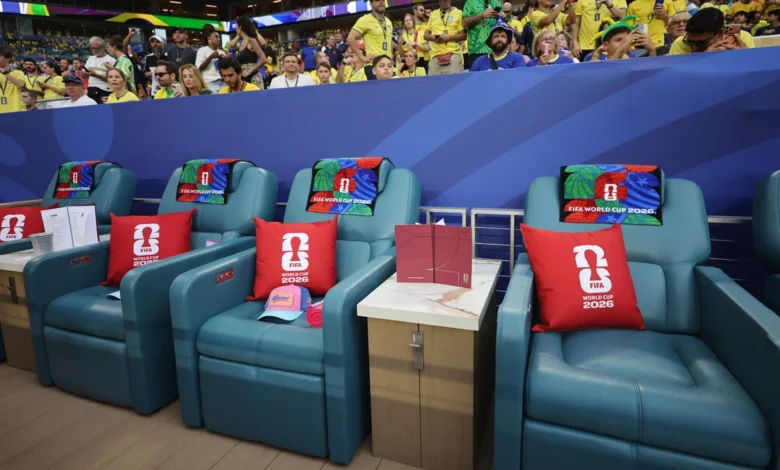
The hospitality packages being rolled out for the 2026 World Cup are setting a new precedent, mirroring the ultra-exclusive offerings seen at recent Olympic Games. Reports from Paris and Milano-Cortina suggested that some of the ultra-wealthy spent as much as $500,000 on bespoke Olympic packages. For the World Cup, the official FIFA website is offering various hospitality options. The "Follow My Team" package, for example, includes access to all early group stage matches and four lounges, with basic packages starting at $6,000. Even entry-level tickets for the first match involving the U.S. Men’s National Team at Los Angeles’ SoFi Stadium against Paraguay were priced around $1,400, with Tier 1 tickets reaching approximately $3,400.
"Ultimately, clients want to experience the event in the best possible way, without friction. To arrive, be taken care of, and fully immerse themselves in the moment," explains Erica Jackowitz, co-founder of Rêve Travel Club. "It is the difference between attending something and truly experiencing it. For the World Cup, we are looking at a starting point of $32,000 per ticket for top-tier hospitality, which will include multiple layers of access, from pre- and post-match experiences to securing a single helipad available at the Meadowlands." This indicates a clear stratification, where the most coveted experiences are reserved for those willing to invest significantly.

Expanding Gameday Beyond the Stadium Walls
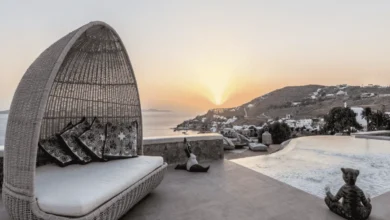
The trend of elevated experiences extends far beyond the stadium itself, with luxury hotels emerging as key players in curating exclusive packages. In Miami, a host city for the World Cup, the W South Beach introduced a "Million-Dollar Soccer Superstar Package," a comprehensive offering valued at $1 million. This package included multi-night stays in a premium penthouse, VIP match-day access with police escorts to games, and curated experiences like daily cigar tastings and rum distillery tours. Nearby, the 1 Hotel South Beach offered a package priced at over $475,000, featuring 20 club-level suite tickets, ten ocean-view residences for three nights, and a substantial food and beverage credit.
In Houston, The Post Oak hotel presented a World Cup package starting at $15,000, which encompassed spa treatments, round-trip transportation to matches, and the services of a dedicated World Cup concierge. Boston also saw ambitious offerings, with The Liberty Hotel’s "Goal-den Legendary Experience" starting at $75,000. This included accommodation in the presidential suite and private helicopter transfers to Gillette Stadium. The Langham hotel in Boston also provided stadium transport via Bell Helicopter, underscoring the trend of luxury transportation as a standard amenity for premium packages.
Analysis of Implications: The "People’s Game" at a Crossroads
The increasing commodification of sports experiences for the ultra-wealthy raises questions about the accessibility of major sporting events. As the industry increasingly caters to the super-rich, there are growing arguments from traditional sports fans that they are being "priced out" of both the experiences and the ticket market. Sports analysts note that knockout round World Cup tickets have seen a price increase of over 34 percent, with minimum ticket prices for the final reportedly starting at $7,600 on some ticketing platforms.
This trend signifies a broader shift in how major sporting events are perceived and consumed. "It’s become more than just going and watching a sporting event. It has become a conversation piece, fashion statement, and even a status symbol," remarks Danziger. Jason Squatriglia, a Robb Report Travel Master, echoes this sentiment, recalling requests for suites "closest available to Taylor Swift" during Kansas City Chiefs games, highlighting a pivot away from the game itself as the sole focus for some attendees.
The 2026 FIFA World Cup, with its expanded scope and ambitious pricing strategies, stands as a pivotal moment in the evolution of global sports. While it promises an unparalleled spectacle, it simultaneously highlights the growing chasm between the accessibility of "the people’s game" and the financial realities faced by many fans. The challenge for organizers and stakeholders will be to navigate this landscape, balancing the lucrative demands of the luxury market with the enduring spirit of inclusivity that has long defined football’s global appeal. The future of major sporting events may well lie in finding innovative ways to offer tiered experiences that cater to a diverse range of enthusiasts, ensuring that the magic of the game remains accessible to a broader spectrum of society, not just the select few.