Unearthing the Dark Alpine Past: Switzerland Confronts Its Legacy of Witch Trials and the Tragedy of Anna Göldi


Beneath Switzerland’s postcard-perfect alpine scenery, pristine political neutrality, and globally renowned chocolate production lies a somber historical reality: the nation holds the record for one of the longest and most intense periods of witch hunting in European history. While modern visitors often associate the Swiss Alps with idyllic winter sports, luxury resorts, and serene chalets, archival research and dedicated cultural institutions are increasingly shedding light on a 350-year era of systematic persecution, judicial murder, and deeply rooted local superstition.
From the industrial heritage village of Ennenda in the canton of Glarus to the high-altitude slopes of Belalp in the canton of Valais, contemporary Switzerland is navigating a complex cultural dichotomy. It is a nation attempting to balance a light-hearted, tourism-driven embrace of folklore with a rigorous, sobering reckoning regarding historical human rights abuses.

The Epicenter of Inquisitions: Historical Context and Chronology
The phenomenon of European witch trials is frequently misunderstood as a homogenous medieval craze. However, historians note that the institutionalized pursuit of alleged sorcerers evolved over centuries, heavily influenced by local legal autonomy, shifting religious paradigms, and environmental pressures.
According to Dr. Lionel Dorthe of the Fribourg State Archives, the fragmented geography of the Alps played a critical role in the escalation of these trials. Small, isolated communities and local courts possessed a high degree of legal autonomy, allowing accusations to spread rapidly under intense popular pressure. In these vulnerable mountain valleys, a lack of scientific understanding—compounded by harsh climates, severe weather, and recurring agricultural shortages—frequently drove inhabitants to attribute natural disasters, crop failures, and livestock deaths to occult and demonic forces.
Historical records indicate that the systematic persecution of witches in Europe originated in the Western Alps. Unlike earlier ecclesiastical approaches that often dismissed alleged sorcery as aberrations requiring spiritual salvation rather than capital punishment, the Swiss cantons pioneered large-scale, inquisitorial campaigns.

The timeline of these persecutions spans approximately three and a half centuries, from the early 1400s through the late 18th century:
- 1428: Europe’s first systematic witch hunt campaign began in the southwestern canton of Valais, nearly six decades before the publication of the notorious inquisitorial manual Malleus Maleficarum (The Hammer of Witches) in 1486. Between 1428 and 1447, an estimated 3,500 men and women were executed for witchcraft and sorcery in Valais alone.
- 1493–1741: During this prolonged period, approximately 360 witch trials were officially documented in the bilingual canton of Fribourg. A comparable scale of persecution occurred in the historical territory of Pays de Vaud, where roughly 3,000 trials were recorded.
- June 13, 1782: The execution of Anna Göldi in the village of Mollis marked a chilling milestone, representing the final documented execution of a person for witchcraft in Switzerland—and widely recognized as the last legal execution for witchcraft in Europe.
The Tragedy of Anna Göldi: Judicial Murder in the Age of Enlightenment
What sets the case of Anna Göldi apart from medieval witch trials is its timing. Her persecution did not occur during the height of the Middle Ages, but rather during the Enlightenment—an era supposedly defined by reason, science, and emerging human rights.
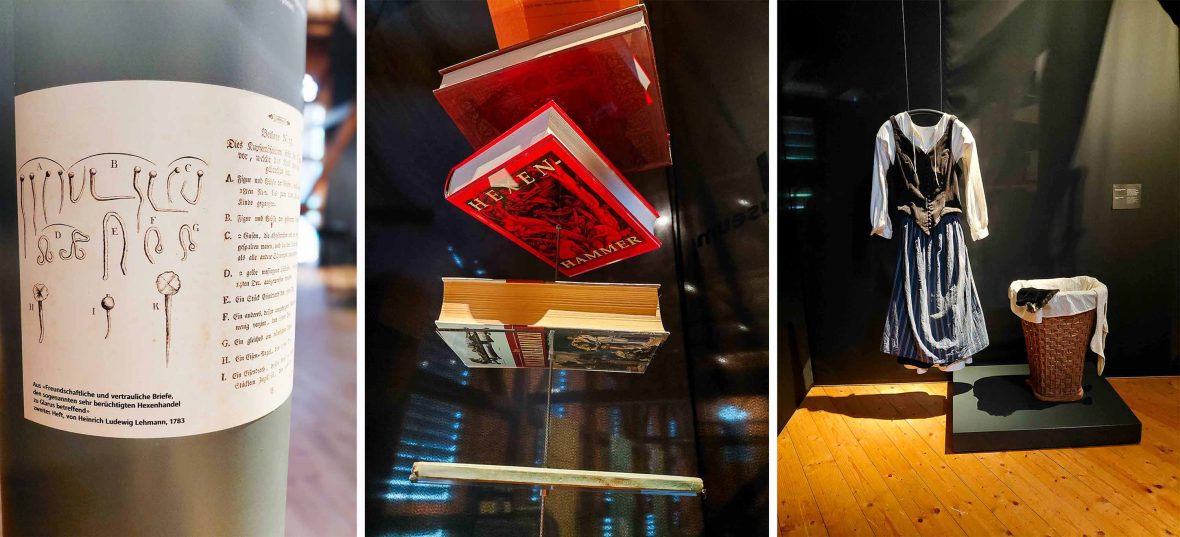
Göldi worked as a maid for a wealthy magistrate and prominent family in the canton of Glarus. She was arrested, tried, and ultimately condemned after being accused of bewitching her employer’s eight-year-old daughter, purportedly causing the child to experience violent convulsions and spit out foreign objects such as sewing needles, bent pins, and nails.

Decades later, exhaustive archival research conducted by local author and lawyer Walter Hauser revealed the true, darker political dynamics behind the trial. Hauser discovered that Göldi and her magistrate employer had engaged in an illicit romantic relationship. When Göldi was dismissed from her position, she threatened to expose the affair, which could have ruined the magistrate’s social standing and career. To silence her, the local ruling elite weaponized the legal system, fabricating charges of sorcery.
Göldi was swiftly condemned and decapitated by sword. The case is now universally recognized by historians and legal experts as a classic instance of judicial murder—the law deliberately wielded as a political tool to silence and eliminate an inconvenient individual.
Redressing Historical Injustices: The Anna Göldi Museum
Today, the historical memory of this miscarriage of justice is preserved at the Anna Göldi Museum, located in Ennenda. Situated on the top floor of the Hänggiturm—a striking historical timber drying tower used during the textile boom of the 18th and 19th centuries—the museum serves as both a memorial and a center for human rights education.
Dr. Ursula Helg, director of the Anna Göldi Museum, emphasizes the profound significance of the institution. Over coffee, Dr. Helg notes that the early history of the Glarus region was deeply tied to the rise of the textile industry, where cotton imports from Zurich enriched factory owners while creating stark socioeconomic inequalities and power imbalances.
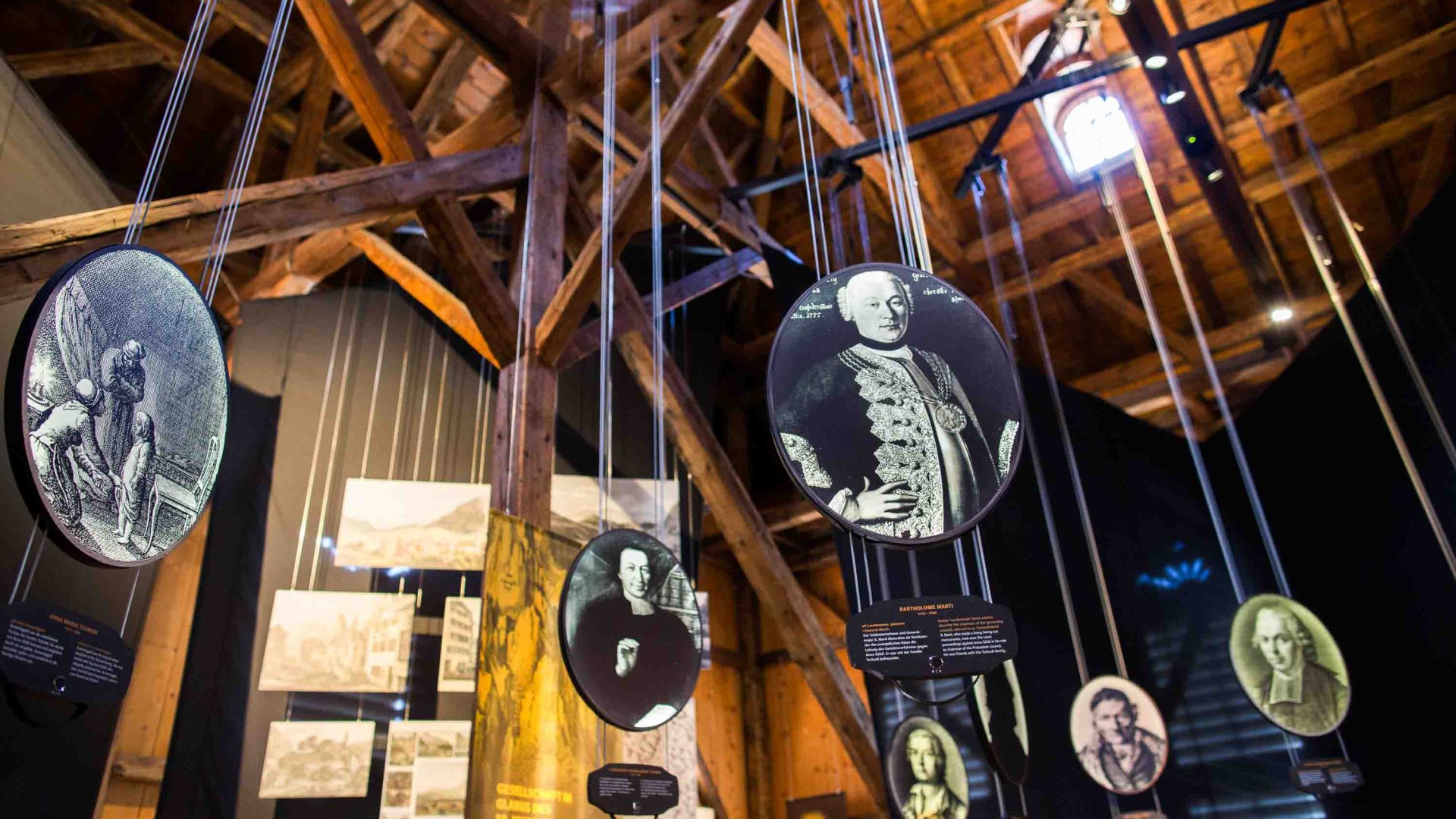
The museum’s exhibits meticulously reconstruct the 18th-century trial using interactive displays, original court documents, witness statements, and replicas of the evidence used against Göldi. Suspended circular portraits introduce visitors to the key historical figures involved in the prosecution, mapping out the toxic networks of Glarus nobility that conspired against her. Among the most poignant artifacts are replicas of Göldi’s clothing—a blue-and-white striped canvas skirt, white blouse, and black waistcoat—reconstructed from a 200-year-old "Wanted" poster.
Crucially, the legacy of the museum is tied to a modern democratic milestone. Following years of tireless advocacy by Walter Hauser, the parliament of the canton of Glarus unanimously exonerated Anna Göldi in 2008, officially recognizing her as a victim of judicial murder.
"This is the first place where a witch was exonerated by a democratic vote," Dr. Helg states. "We have corrected a historic injustice. That is something to be proud of."
Despite this formal exoneration, descendants of the families involved in the original trial still reside in the region, and local reactions to the museum’s prominent focus remain occasionally nuanced, with some residents expressing discomfort over the enduring spotlight cast on historical local families. Nonetheless, a black-and-white banner bearing Göldi’s name now hangs from a prominent building in Ennenda, serving as a permanent reminder of the dangers of institutionalized injustice.
From Persecution to Playful Folklore: The Belalp Hexe Festival
While the darker chapters of Swiss witchcraft are met with solemn reflection in Ennenda, contemporary Swiss culture frequently transforms local folklore into vibrant, light-hearted community celebrations.

High above the Rhône Valley in the car-free village of Belalp, in the canton of Valais, winter brings the annual Belalp Hexe (Belalp Witch) festival. Established in 1983 by the local ski club primarily to attract tourists during the shoulder season of January, the week-long festival has evolved into a major regional event.
The festival culminates in the dramatic "Witches Descent," where up to a thousand skiers—many with their faces painted green, wearing pointy hats, and riding broomsticks—race down a grueling 12-kilometer course. Starting from the Hohstock mountain summit at an elevation of 3,226 meters, participants speed down slopes overlooking the Aletsch Glacier, Europe’s longest glacier, before finishing in the village of Blatten.
The festival draws direct inspiration from local Valais folklore, specifically the legend of an unnamed 15th-century woman accused of utilizing supernatural powers to transform into a raven. According to local lore, the woman allegedly caused her husband—fond of local cherry brandy—to fall to his death from a cherry tree by defecating in his eyes while flying in avian form. Despite clear indications of accidental fatal falls linked to inebriation, the woman was formally charged with "raven flight" and murder, subsequently meeting her end at the stake.
Today, the modern ski race retraces these legendary narratives with a spirit of community camaraderie rather than historical grievance. Racers who successfully navigate the course compete not only for sport, but for traditional prizes, such as bottles of regional kirsch.
Broader Implications and Legacy
The duality of Switzerland’s relationship with its witchcraft history—juxtaposing the solemn human rights advocacy of the Anna Göldi Museum with the festive communal exuberance of the Belalp Hexe—underscores a broader sociological trend. Across Europe, communities are increasingly re-evaluating historical scapegoating, examining how systemic power structures, misogyny, and societal panic coalesced to persecute vulnerable populations.
As archival research continues to uncover the administrative mechanisms behind the thousands of executions recorded in Valais, Fribourg, Vaud, and Glarus, institutions like the Anna Göldi Foundation ensure that the historical record serves as an ongoing warning. By confronting the dark realities of judicial abuse during both the medieval period and the Age of Enlightenment, modern Switzerland demonstrates how historical transparency can foster accountability, human rights awareness, and lasting reconciliation.