The European tourism sector has officially turned the page on its pandemic-era downturn, recording more than 793 million international arrivals in 2025. This resurgence represents a full recovery and a decisive surpassing of pre-pandemic milestones. As travelers flood back to the continent, municipal authorities, tourism boards, and urban planners are grappling with the immense economic opportunities and infrastructure pressures accompanying this historic wave of mobility.
Data compiled from recent market analyses by Euromonitor International, alongside comprehensive metrics from municipal tourism offices across the continent, highlights how major urban hubs are managing millions of international guests. While multi-city itineraries remain the preferred method for global travelers navigating Europe’s dense cultural landscape, the geographical distribution of these visitors underscores changing preferences among international tourists.
The Post-Pandemic Landscape and Regional Growth Drivers
The unprecedented influx of visitors in 2025 is attributed to several macroeconomic and operational factors. Pent-up travel demand, the widespread stabilization of international flight routes, and the proliferation of competitive digital connectivity options—such as low-cost regional eSIM data plans—have simplified cross-border travel. Furthermore, the expansion of high-speed rail networks has transformed multi-country journeys from logistical hurdles into seamless tourist experiences.
However, this dramatic surge has not been uniform. While traditional heavyweights continue to dominate total arrival numbers, secondary and tertiary cities are experiencing exponential growth as travelers seek alternatives to overcrowded destinations.
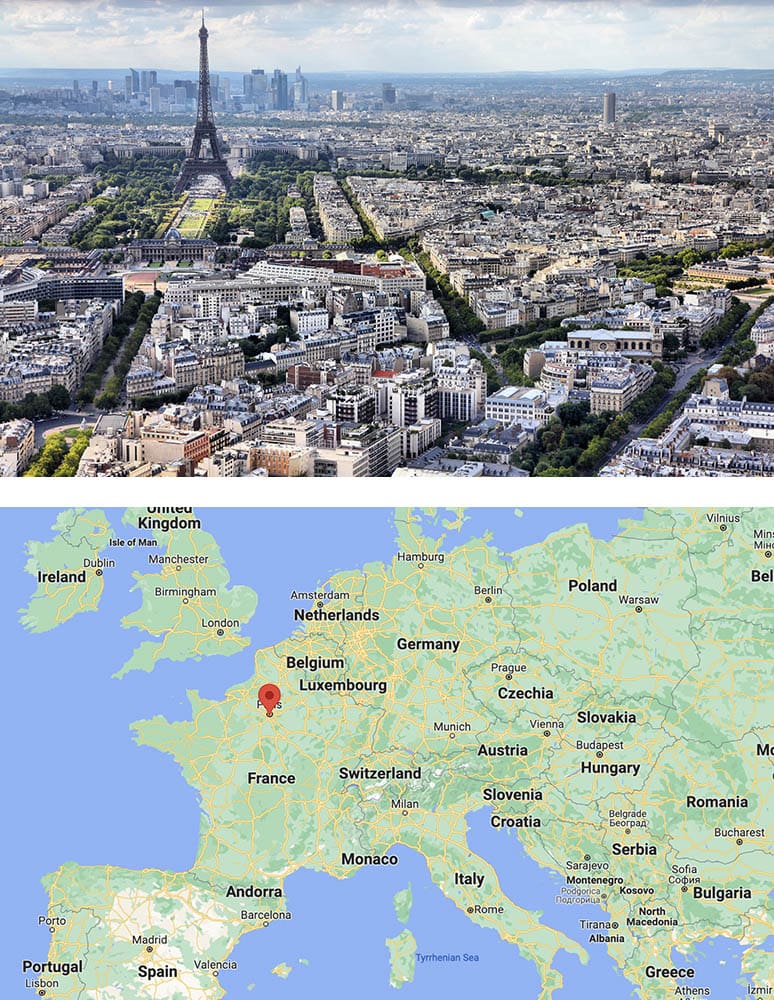
Paris Reclaims the Top Spot Among European Destinations
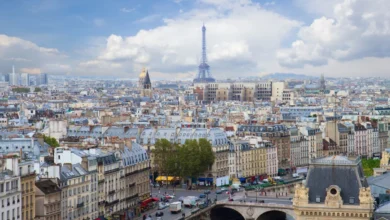
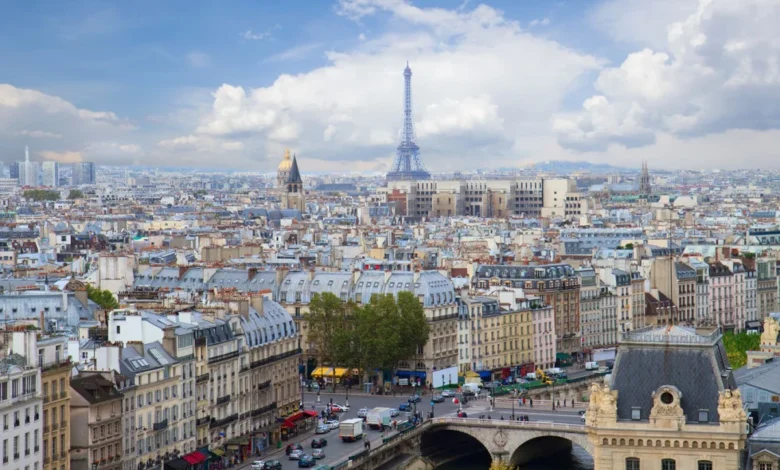
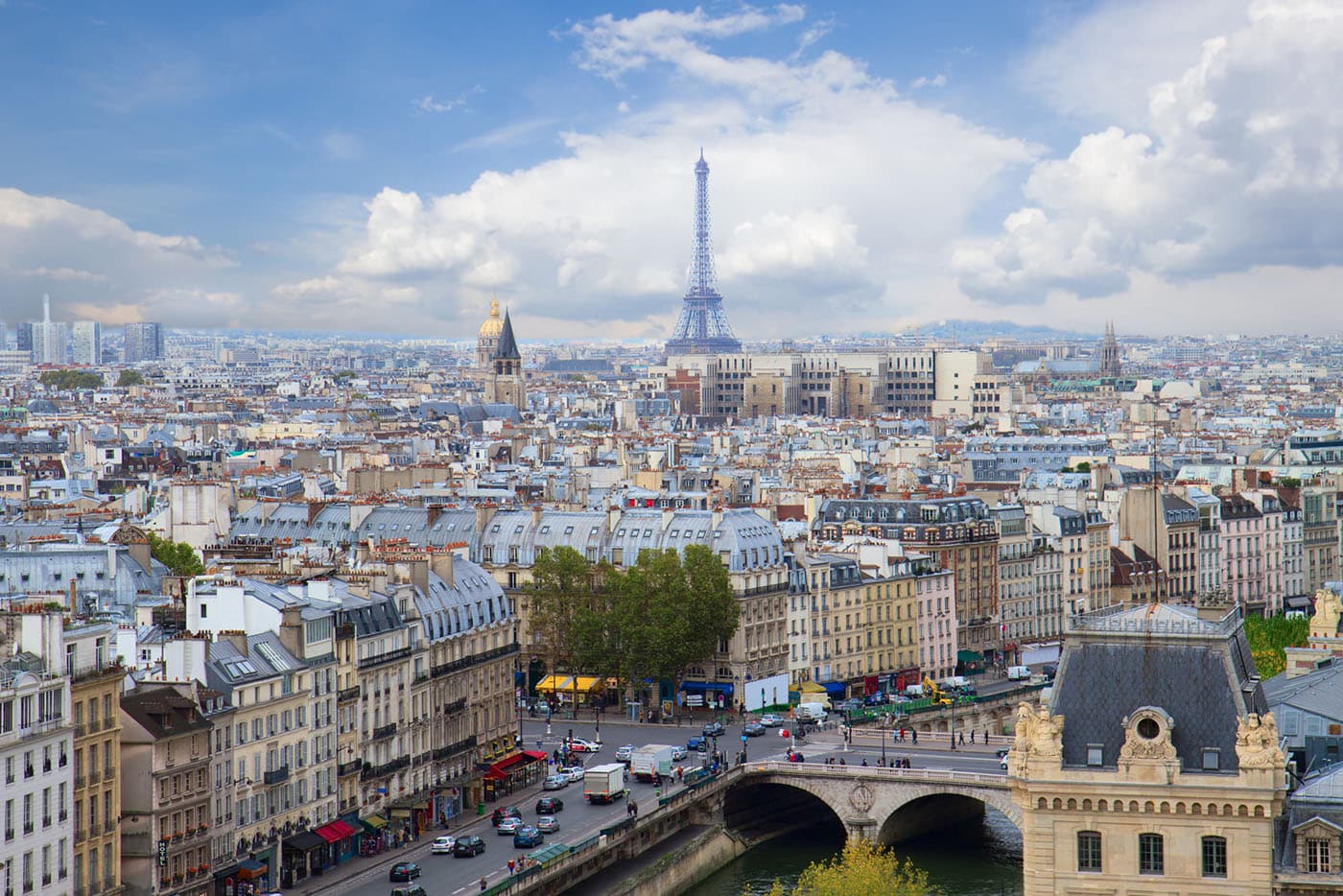
Leading the continental rankings is Paris, France, which welcomed 50 million annual visitors, narrowly edging out London to secure the position of Europe’s most visited city. France as a whole continues to hold its title as the most visited country globally.
Parisian tourism authorities attribute the city’s enduring appeal to its unparalleled density of cultural landmarks, world-class museums, and an efficient, interconnected Metro system. Moreover, Paris boasts the continent’s most robust inventory of vacation rental apartments, complemented by traditional hotel and hostel networks. Despite ongoing management challenges regarding housing markets and inner-city congestion, the French capital remains a foundational anchor for European tourism.
London Falls to Second Amid Evolving Travel Patterns
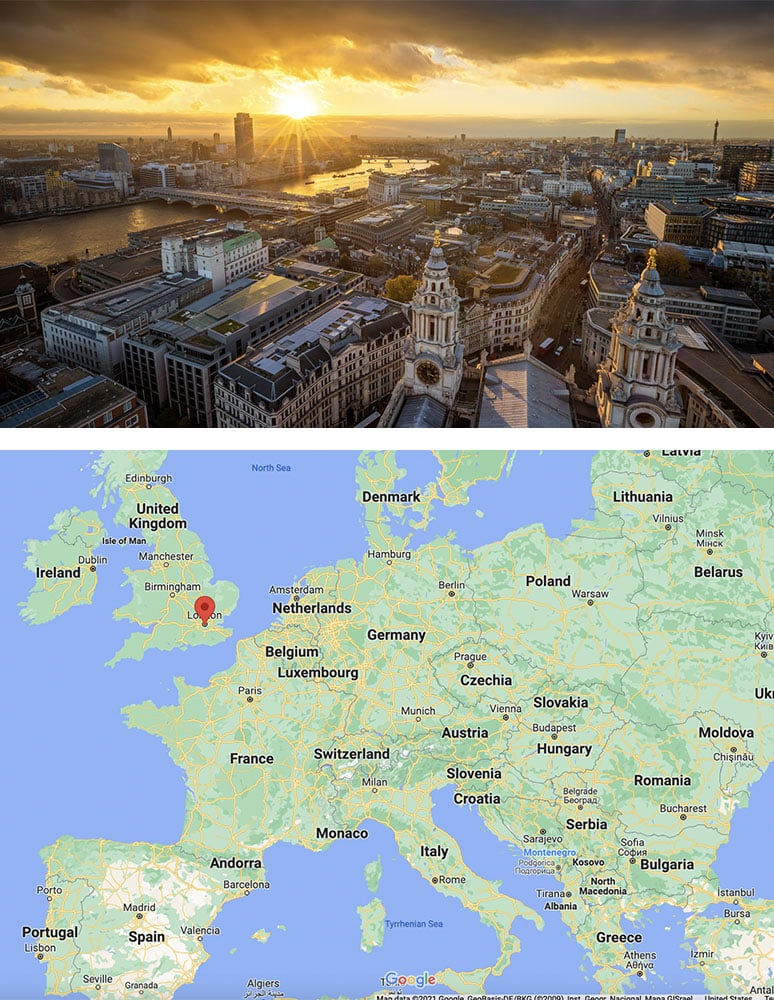
London, United Kingdom, recorded 40 million annual visitors, placing second in the regional rankings. For years, the British capital held the top spot, driven by its status as a premier global aviation hub offering diverse flight options and competitive pricing.
For first-time international travelers, London frequently serves as a strategic entry point, largely due to the absence of a language barrier. The city’s extensive cultural offerings, spanning centuries of history and a dynamic culinary scene, ensure that visitors routinely extend their stays beyond a week. Nevertheless, local municipal agencies are increasingly focused on balancing the economic benefits of tourism with the infrastructural demands of a growing resident population.
The Mediterranean Powerhouses: Rome, Barcelona, and Istanbul
Southern and southeastern Europe continue to draw immense crowds, anchored by deep historical narratives and favorable climates.

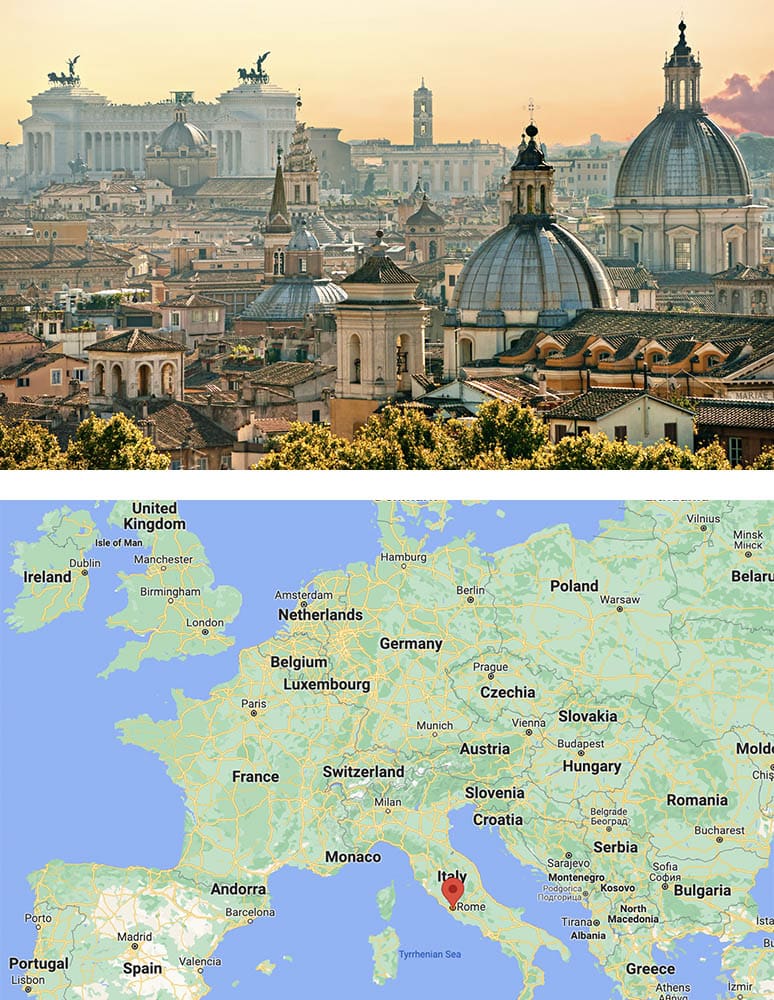
Rome, Italy, secured third place with 35 million annual visitors. Widely regarded as a global epicenter of historical, educational, and cultural heritage, the Italian capital functions as the ultimate gateway for broader Italian itineraries. Its connectivity to regional transit networks makes it an indispensable stop for cultural tourists.
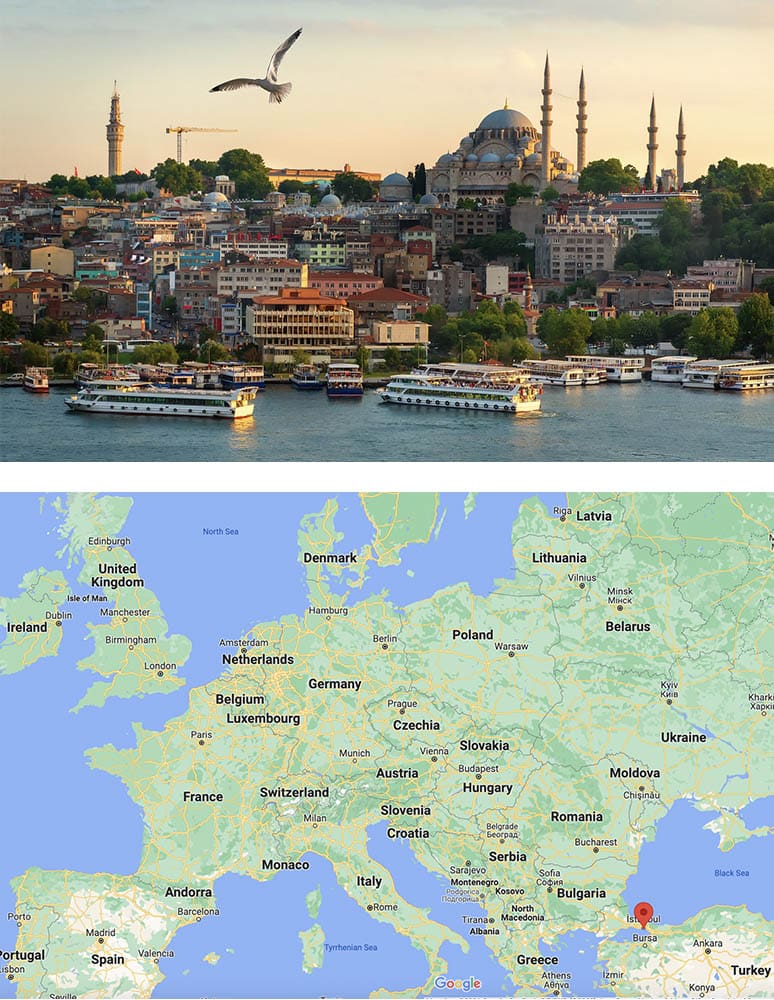
Istanbul, Turkey, has experienced a remarkable resurgence, recording 20 million annual visitors. Following a period marked by political instability and security concerns, Istanbul has rebounded sharply. Its unique "East meets West" geopolitical and cultural positioning makes it exceptionally attractive to travelers originating from both European and Asian markets.
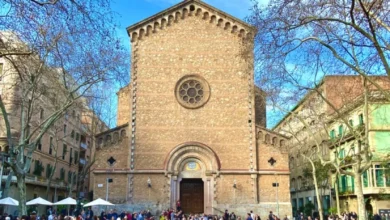
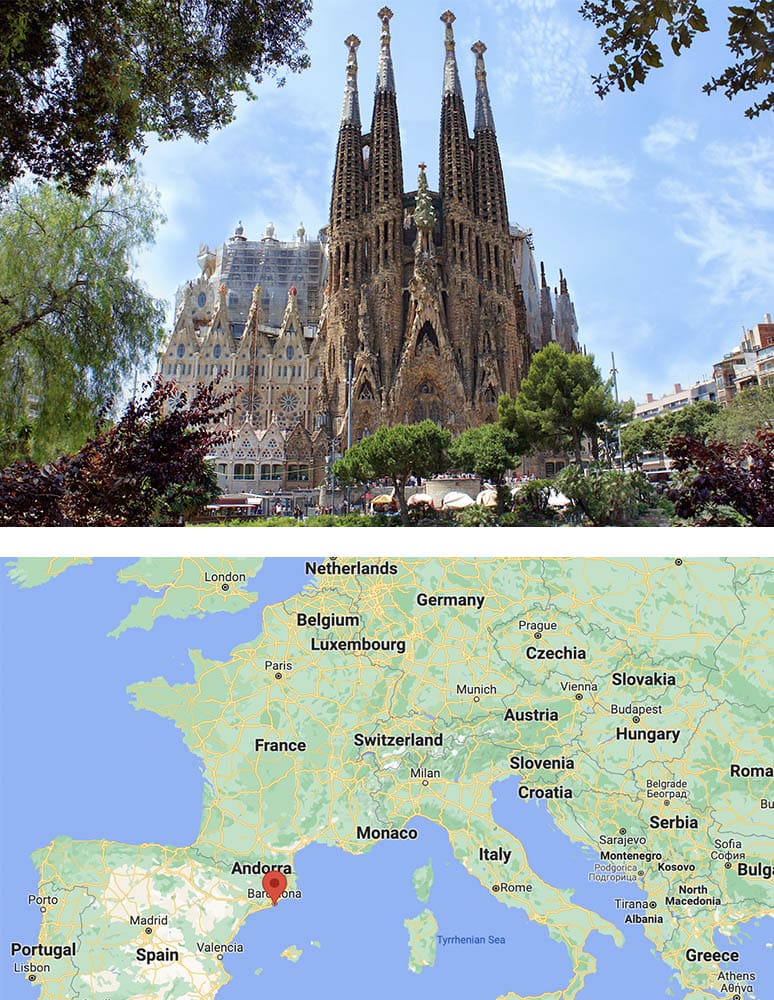
Barcelona, Spain, follows closely with 16 million annual visitors. Renowned for its unique modernist architecture, Mediterranean coastline, and vibrant culinary arts, Barcelona remains a powerhouse of urban tourism. However, the city has also become a focal point for discussions surrounding over-tourism, prompting local officials to implement stricter regulations on short-term rentals and cruise ship docking capacities.
Emerging Hotspots and Western European Anchors
Beyond the traditional top tier, several cities have seen substantial growth, driven by affordability, lifestyle appeal, and targeted marketing campaigns.
Lisbon, Portugal, has skyrocketed in popularity, welcoming 14 million visitors annually. Offering a more accessible price point compared to Western European counterparts like Paris or Amsterdam, Lisbon’s coastal aesthetic, café culture, and relatively affordable lodging have made it a favorite among budget-conscious travelers and digital nomads.
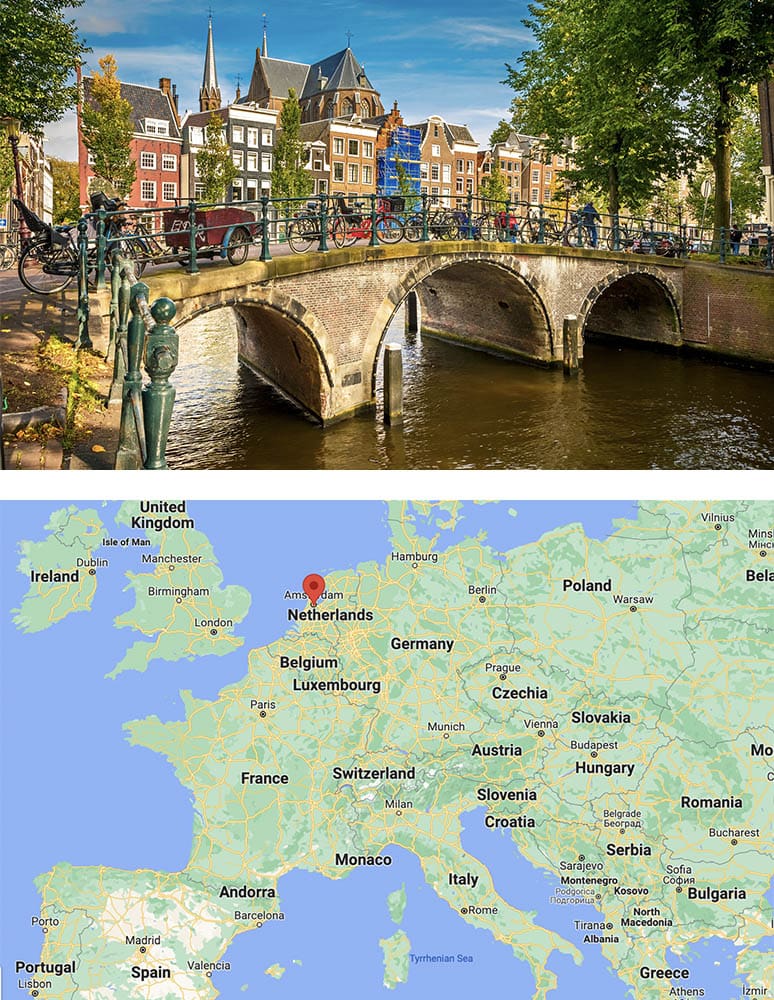
Amsterdam, Netherlands, recorded 8.9 million annual visitors. Despite its smaller geographic footprint, the Dutch capital commands high visitor volumes due to its iconic canal systems and progressive social environment. However, Amsterdam serves as one of Europe’s starkest examples of over-tourism, prompting municipal leaders to enact aggressive disincentives for disruptive tourism and encourage off-season travel.
Central and Eastern European Destinations Gain Traction
Central and Eastern European cities offer a compelling blend of historical architecture and comparatively lower daily travel costs, attracting millions of international arrivals annually.
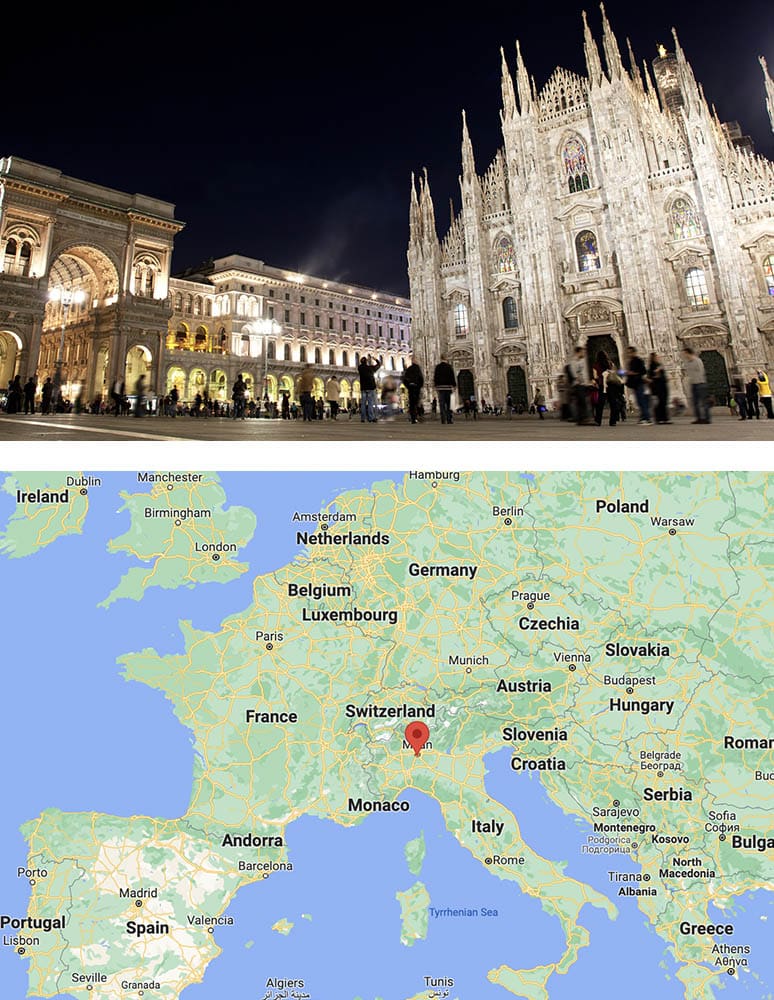
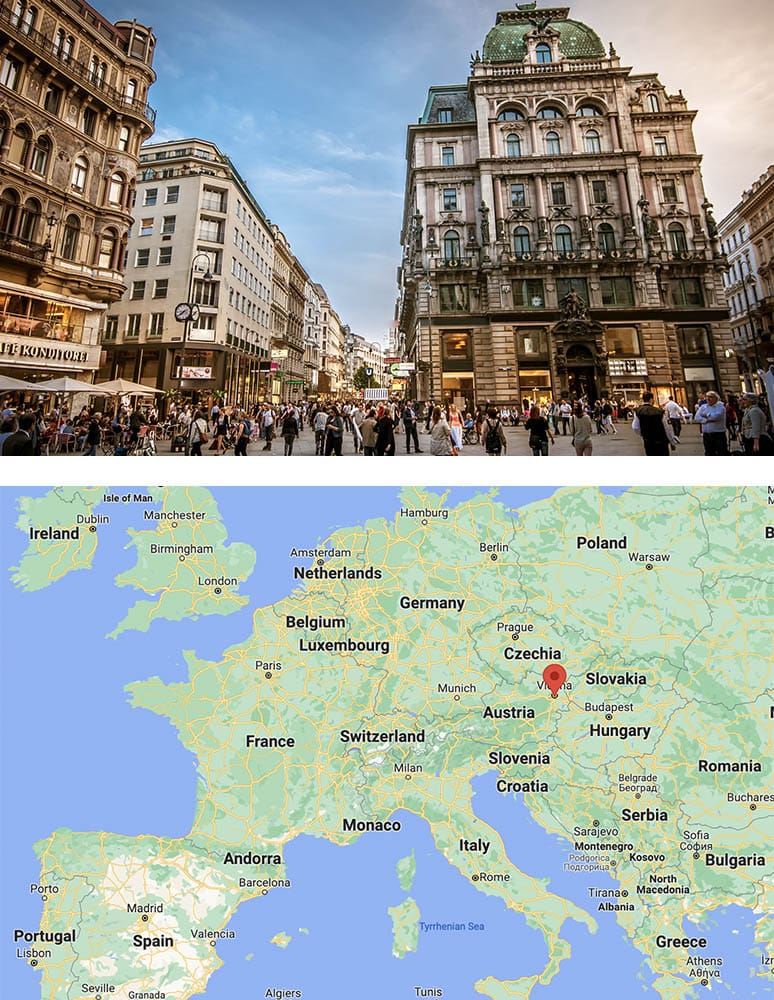
Vienna, Austria, and Milan, Italy, tied with 8.2 million annual visitors each. While Milan operates as Italy’s financial and fashion capital, Vienna is perennially recognized for its high quality of life and rich imperial history, reflected in its Gothic and Baroque architecture and traditional coffeehouse culture.
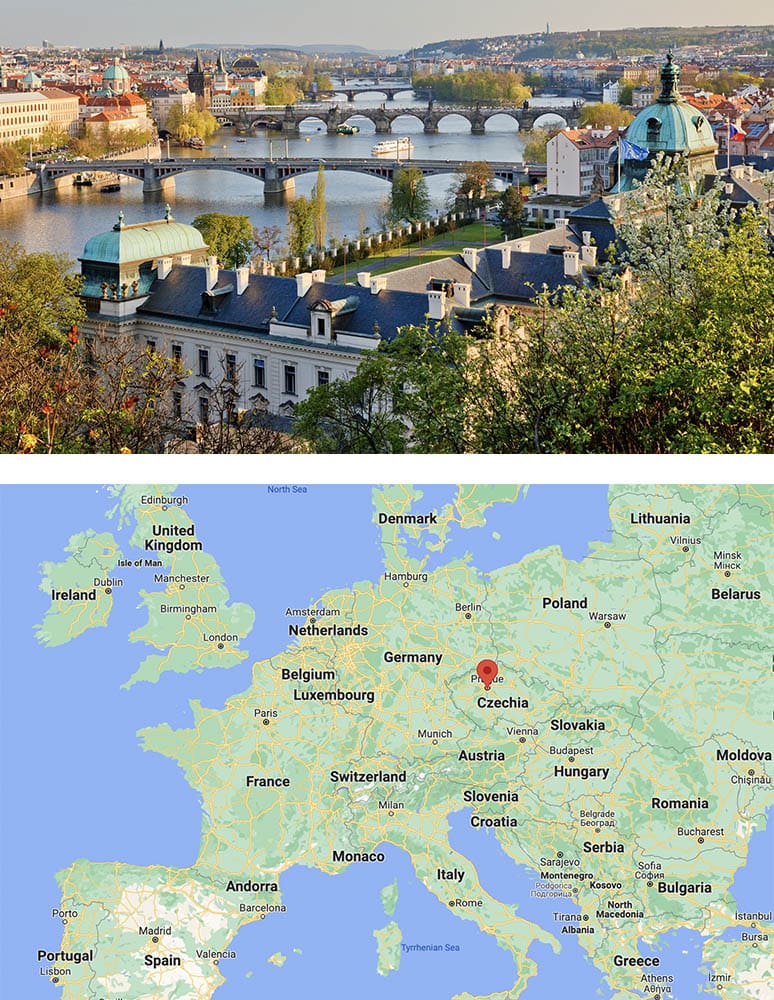
Prague, Czech Republic, drew 7.5 million visitors, captivating travelers with its preserved medieval aesthetic, while Budapest, Hungary, recorded 4 million visitors, earning praise for its thermal baths, dynamic nightlife, and affordability.
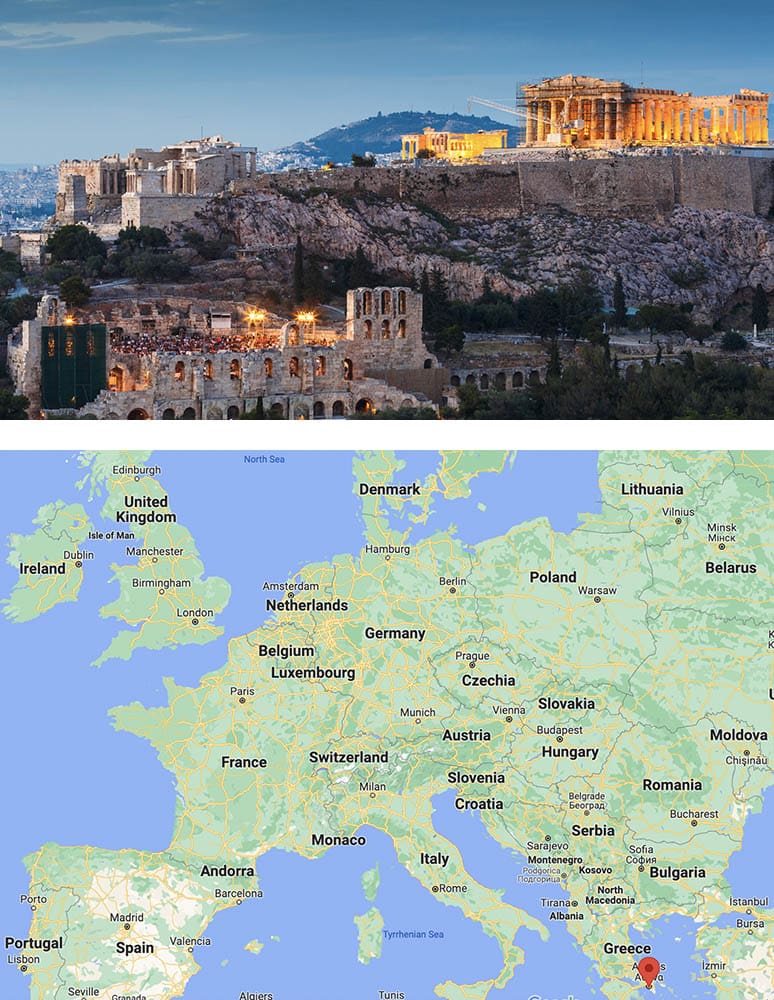
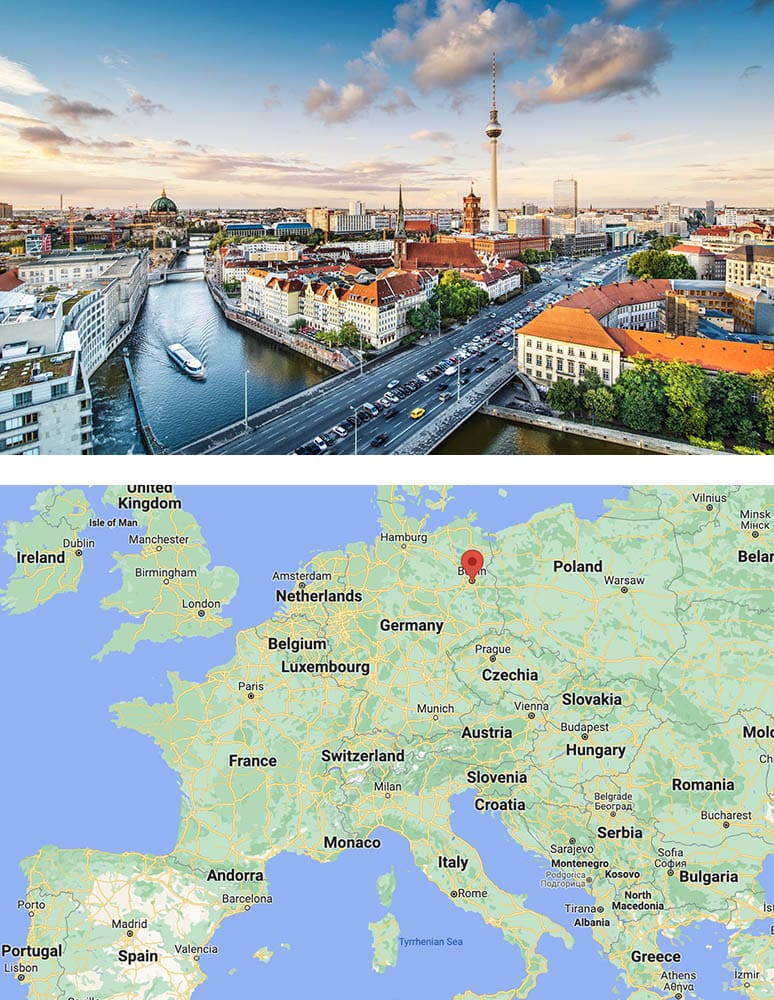
Similarly, destinations such as Berlin, Germany (6.3 million visitors), Dublin, Ireland (5.5 million visitors), and Athens, Greece (6.5 million visitors), continue to serve as vital cultural and logistical hubs. Athens, in particular, functions as the primary springboard for tourists transiting to the Greek islands, while maintaining its status as the birthplace of classical Western philosophy and governance.
The Economic and Infrastructure Implications for 2026 and Beyond
The milestone of 793 million international arrivals in 2025 provides undeniable economic validation for the hospitality, aviation, and service sectors. Billions of euros in direct revenue have flowed into local economies, supporting millions of jobs across transport, accommodation, and retail.
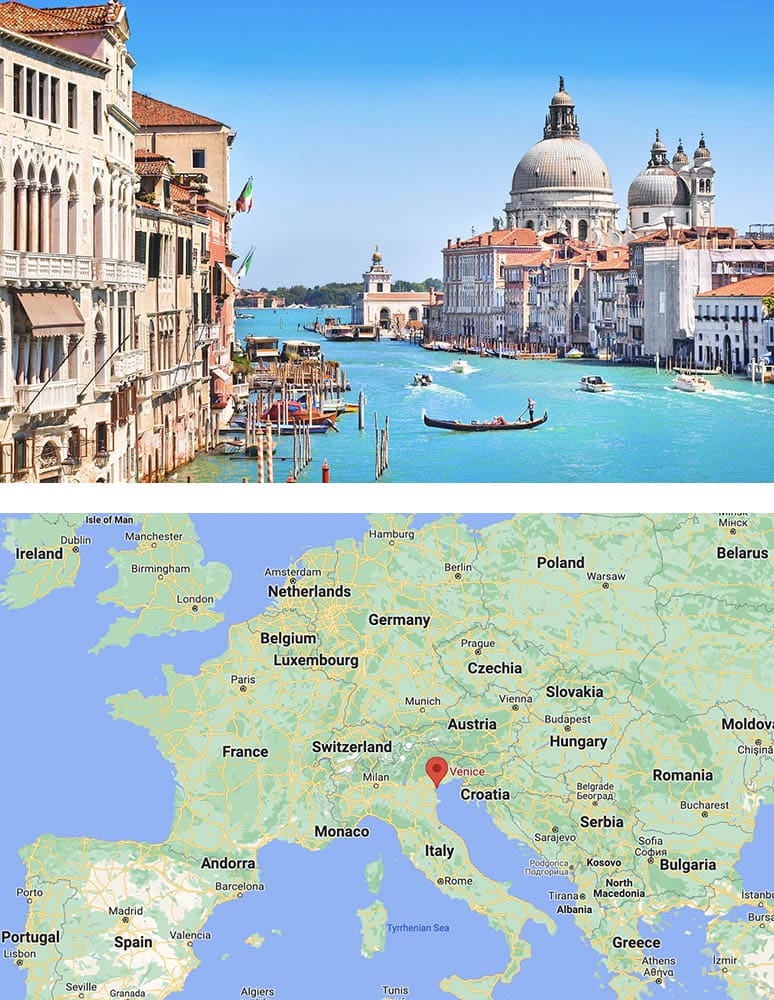
Yet, this volume introduces complex policy challenges. Municipalities from Venice (5.6 million visitors) to Dubrovnik (1.5 million visitors) are actively experimenting with visitor caps, tourist taxes, and cruise ship restrictions to preserve local infrastructure and residential quality of life. Urban planners emphasize that the future of European tourism will rely heavily on dispersion strategies—encouraging travelers to explore secondary cities like Porto, Tallinn, Lyon, and Seville rather than concentrating exclusively on primary capitals.
As the industry looks toward future seasons, the focus has decisively shifted from mere volume recovery to sustainable management, ensuring that Europe’s historic urban centers can accommodate global travelers without sacrificing the heritage that draws them there.