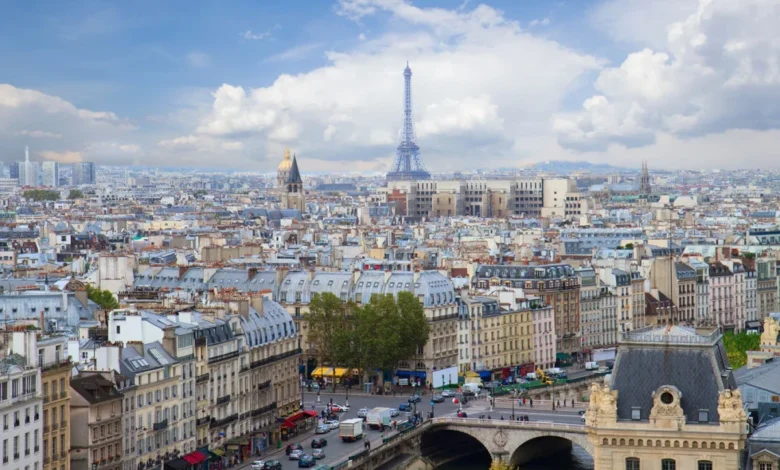
Europe’s tourism sector has experienced a remarkable resurgence, recording over 793 million international arrivals in 2025, a figure that decisively surpasses pre-pandemic levels. This robust recovery underscores the continent’s enduring appeal as a global travel destination, with major cities once again bustling with visitors from around the world. The latest insights from a comprehensive 2024 study by Euromonitor International, alongside data from various local tourism offices and a broader "Top 100 Cities in The World" analysis, highlight the cities at the forefront of this tourism boom, offering crucial data for understanding current travel trends and future planning.
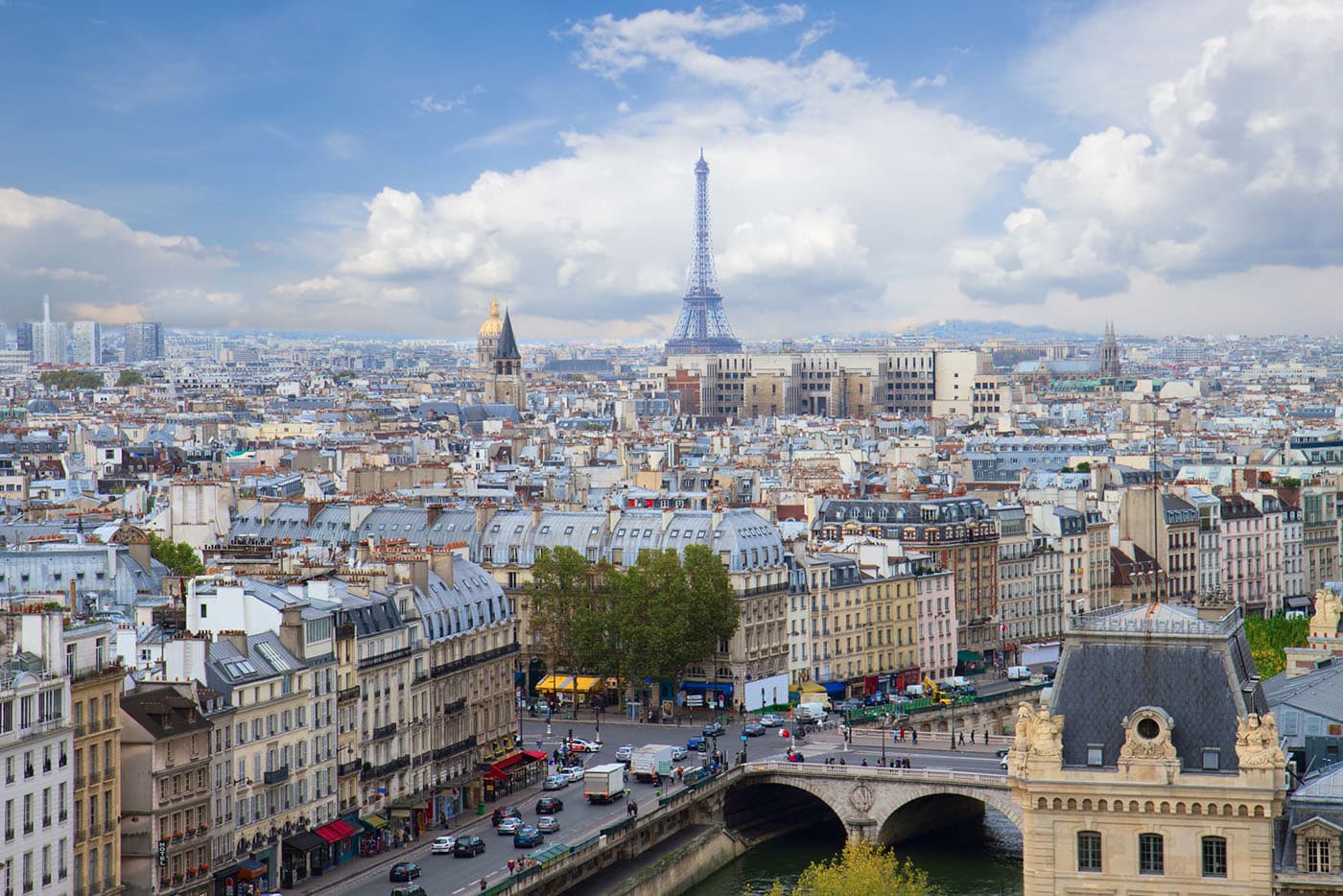
The Grand Rebound: Europe’s Tourism Renaissance
The year 2025 marks a pivotal moment for European tourism, signaling a full recovery and expansion beyond the unprecedented disruption caused by the global pandemic. After years of travel restrictions and cautious reopening, pent-up demand, coupled with proactive tourism campaigns and improved global connectivity, has fueled this significant rebound. The impressive figure of 793 million international arrivals across Europe represents not just a return to normalcy but a new peak, demonstrating the sector’s resilience and its vital contribution to the continent’s economy. This resurgence has profound implications for local economies, supporting millions of jobs in hospitality, transport, retail, and cultural industries. The influx of visitors injects substantial revenue, fostering investment and development across urban centers.
The Apex Destinations: Paris Claims the Crown
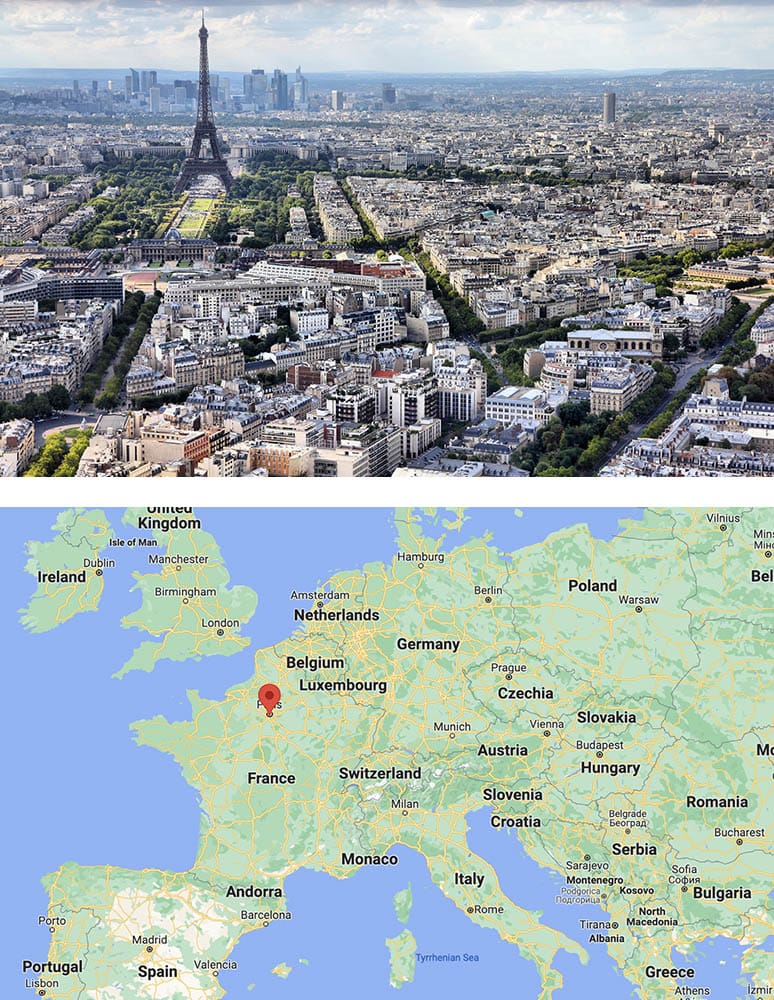
At the pinnacle of Europe’s most visited cities, Paris, France, has ascended to the top spot, welcoming an estimated 50 million annual visitors. The French capital, often synonymous with romance, culture, and haute cuisine, narrowly surpassed London, reclaiming its long-held position as Europe’s premier destination. Paris’s enduring allure is multifaceted, boasting iconic landmarks like the Eiffel Tower, the Louvre Museum, and Notre Dame Cathedral. Its vibrant arts scene, world-class dining, and extensive public transport network (the Métro) make it exceptionally accessible and enjoyable for tourists. Furthermore, major events, such as the upcoming Olympic Games, have likely contributed to heightened international interest and advanced bookings, solidifying its status as a global cultural powerhouse. The city’s robust accommodation infrastructure, including a high number of vacation rentals and hotels, further supports its capacity to host such a massive influx of visitors.
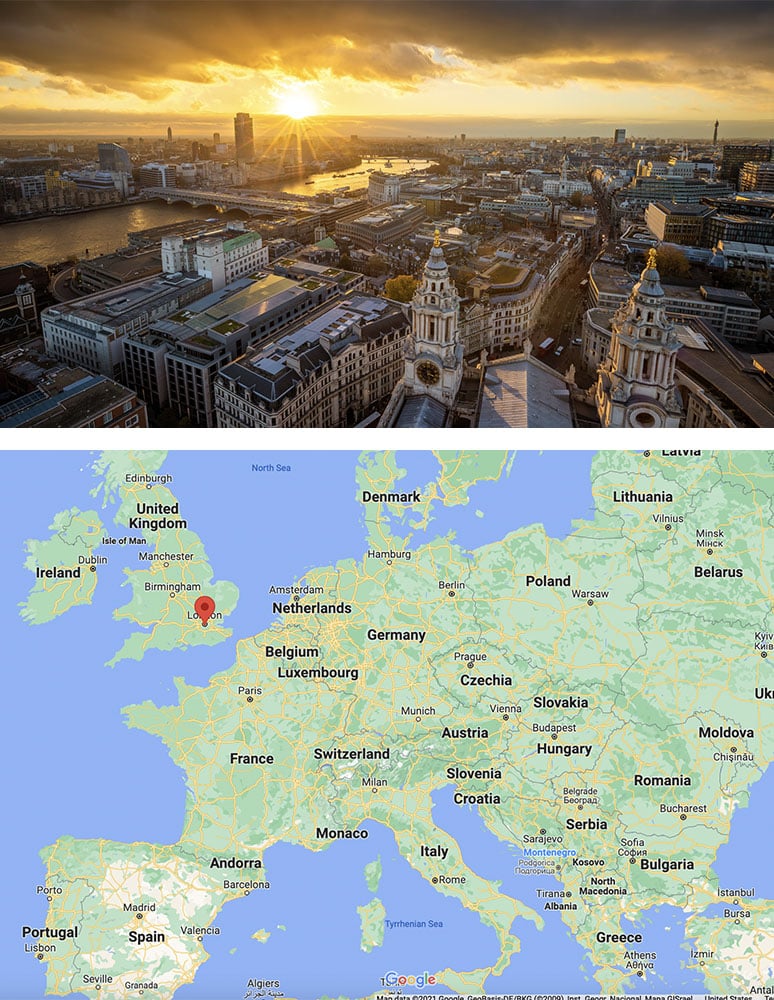
Following closely is London, United Kingdom, with approximately 40 million annual visitors. For many years, London held the distinction of Europe’s most visited city, and it remains an unparalleled global hub. Its appeal lies in its rich history, diverse cultural landscape, and status as a financial and creative capital. Major attractions such as the Tower of London, Buckingham Palace, and the British Museum draw millions, while its West End theatre district and vibrant culinary scene offer endless entertainment. London’s strategic advantage includes multiple major international airports, which facilitate abundant and often more affordable flight options, making it a natural first point of entry for many international travelers, particularly those from English-speaking countries, due to the absence of a language barrier.
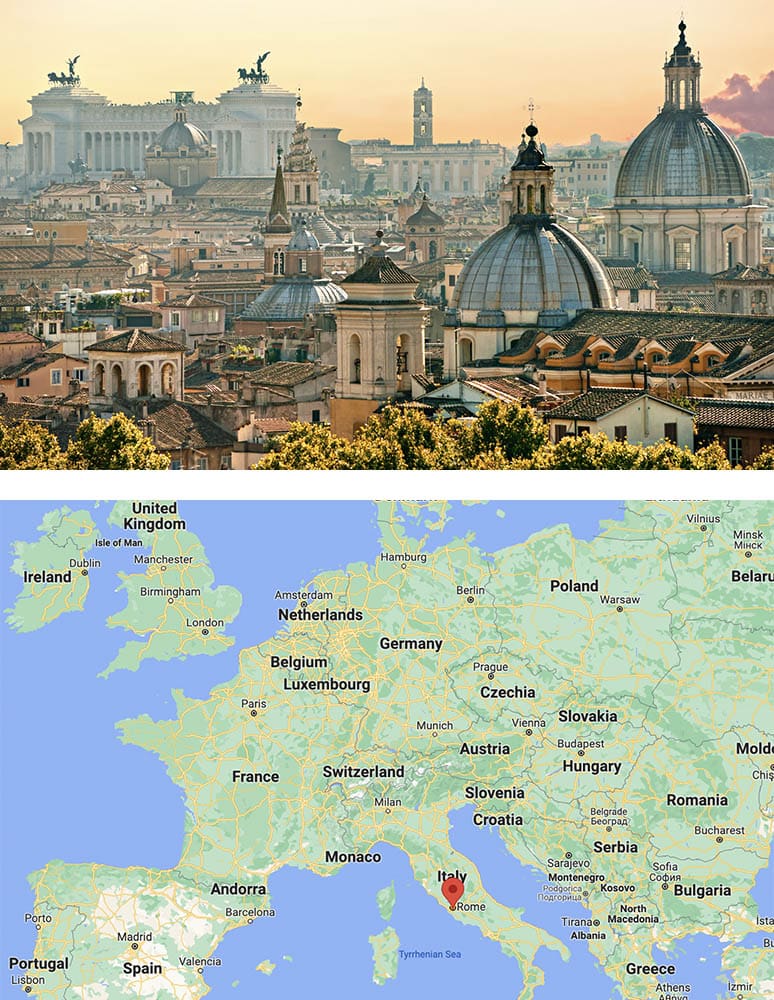
Rome, Italy, secures the third position with 35 million annual visitors, a testament to its unparalleled historical and cultural significance. Widely celebrated as the "Eternal City," Rome offers an immersive journey through millennia of history, from the Colosseum and Roman Forum to the Vatican City and its priceless artistic treasures. Its status as a "living museum" attracts visitors eager to explore the birthplace of Western civilization. Beyond its ancient ruins, Rome is a vibrant modern city known for its exquisite cuisine, charming piazzas, and bustling street life. It also serves as a crucial gateway for travelers looking to explore other renowned Italian cities and regions, benefiting from excellent rail connections throughout the country.
Bridging Continents and Cultures: Diverse European Hubs
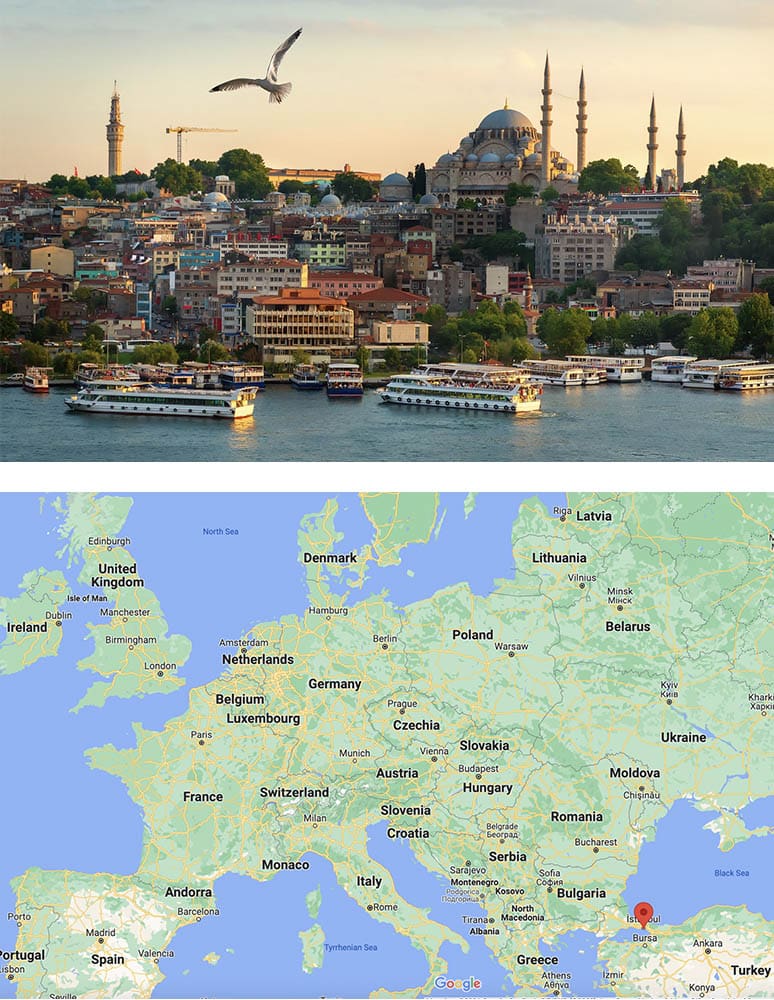
Further down the list, destinations reflecting Europe’s rich diversity continue to thrive. Istanbul, Turkey, has seen a remarkable resurgence, attracting 20 million annual visitors. After a period affected by political instability and security concerns, the city’s tourism has skyrocketed, drawing visitors keen to experience its unique "East meets West" atmosphere. Straddling two continents, Istanbul offers a captivating blend of Ottoman, Byzantine, and modern Turkish cultures, evident in its architecture, bazaars, and culinary traditions. Landmarks like the Hagia Sophia, Blue Mosque, and Grand Bazaar are major draws, reflecting its deep historical layers and vibrant contemporary life.
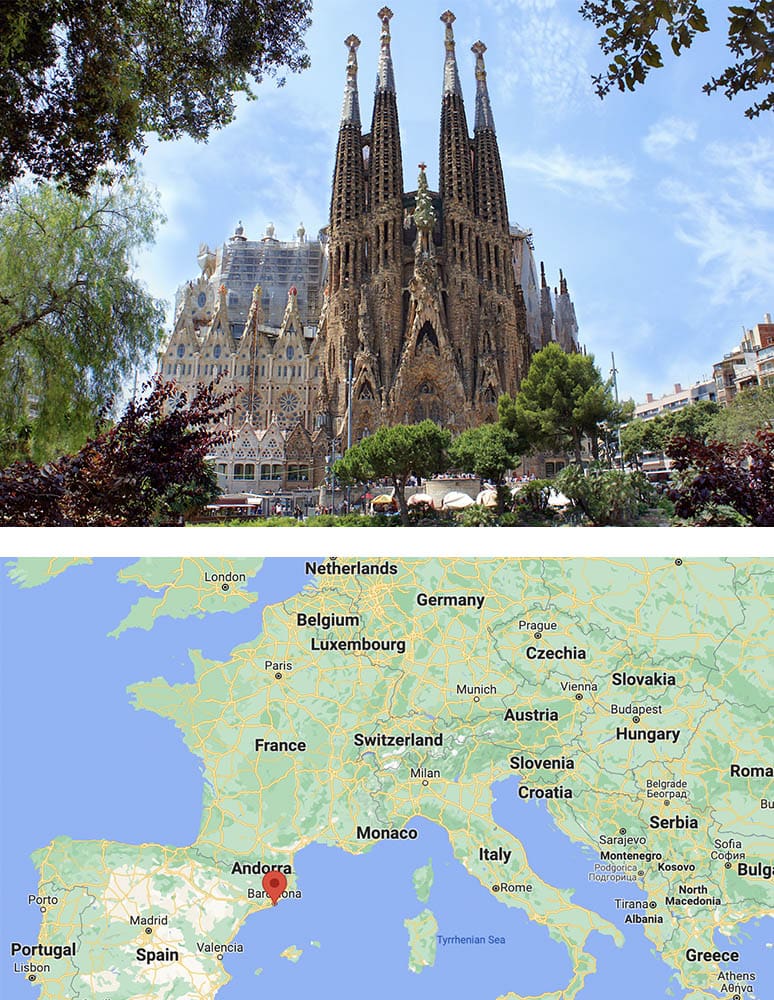
Barcelona, Spain, with 16 million annual visitors, remains a perennial favorite on most European travel itineraries. The Catalan capital is celebrated for its distinctive Gothic and Modernist architecture, epitomized by Antoni Gaudí’s Sagrada Família and Park Güell. Its Mediterranean climate, beautiful urban beaches, world-renowned food scene (tapas culture), and dynamic nightlife contribute to its widespread appeal. However, Barcelona, like many popular destinations, grapples with the challenges of overtourism, prompting ongoing discussions among local authorities and residents about sustainable tourism management.
Rising Stars and Enduring Charms: The Next Tier
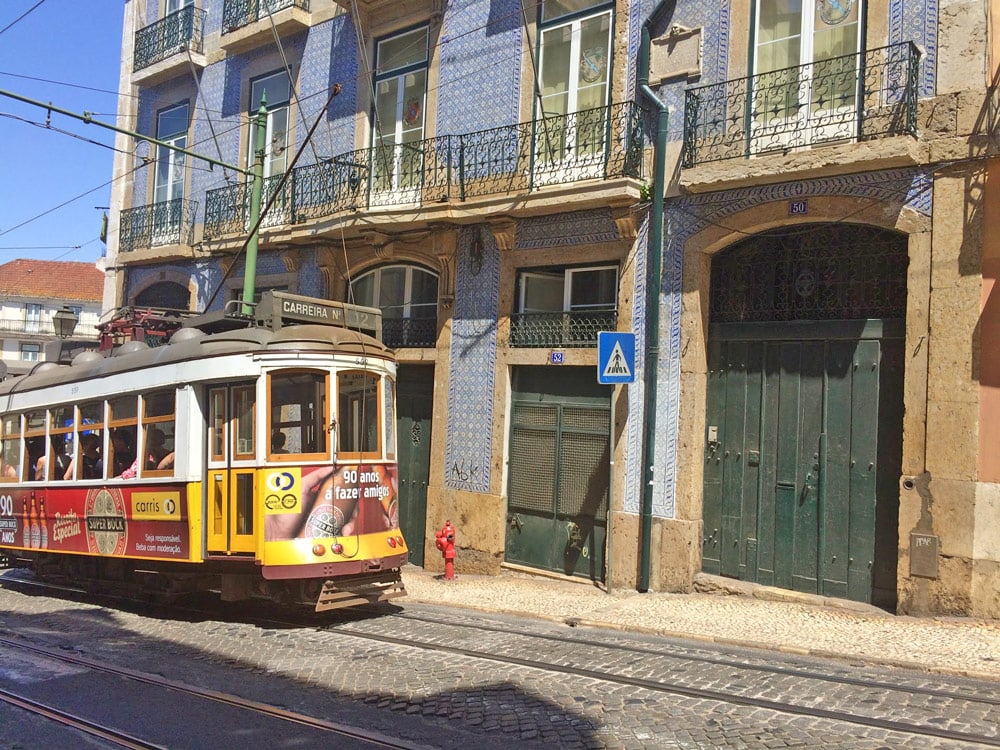
The list continues with cities that offer unique cultural experiences and increasingly attract a global audience. Lisbon, Portugal, has rapidly climbed the ranks, welcoming 14 million annual visitors. Known for its picturesque pastel buildings, Fado music, historic trams, and a charmingly gritty yet relaxed coastal vibe, Lisbon offers a compelling alternative to more expensive Western European capitals. Its relative affordability for accommodation and dining, combined with a rich history and vibrant arts scene, makes it a highly attractive destination for budget-conscious travelers and those seeking authentic European experiences.
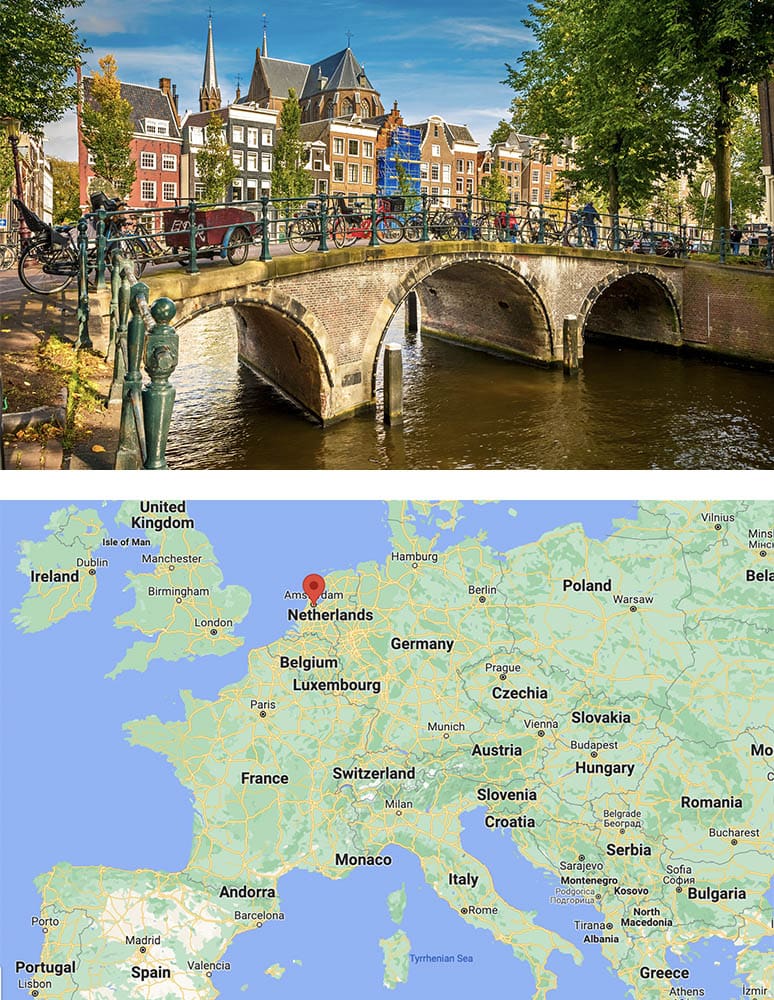
Amsterdam, Netherlands, despite its relatively compact size, draws 8.9 million annual visitors. The city’s iconic canals, historic architecture, world-class museums (Rijksmuseum, Van Gogh Museum), and liberal social policies maintain its status as a major draw. Consistently ranked as one of Europe’s most livable cities, its popularity, however, has led to significant challenges related to overtourism, particularly in its central areas. The city government has implemented various measures to manage visitor flows and encourage more sustainable tourism, including restricting certain types of tourism and promoting visits during off-peak seasons.
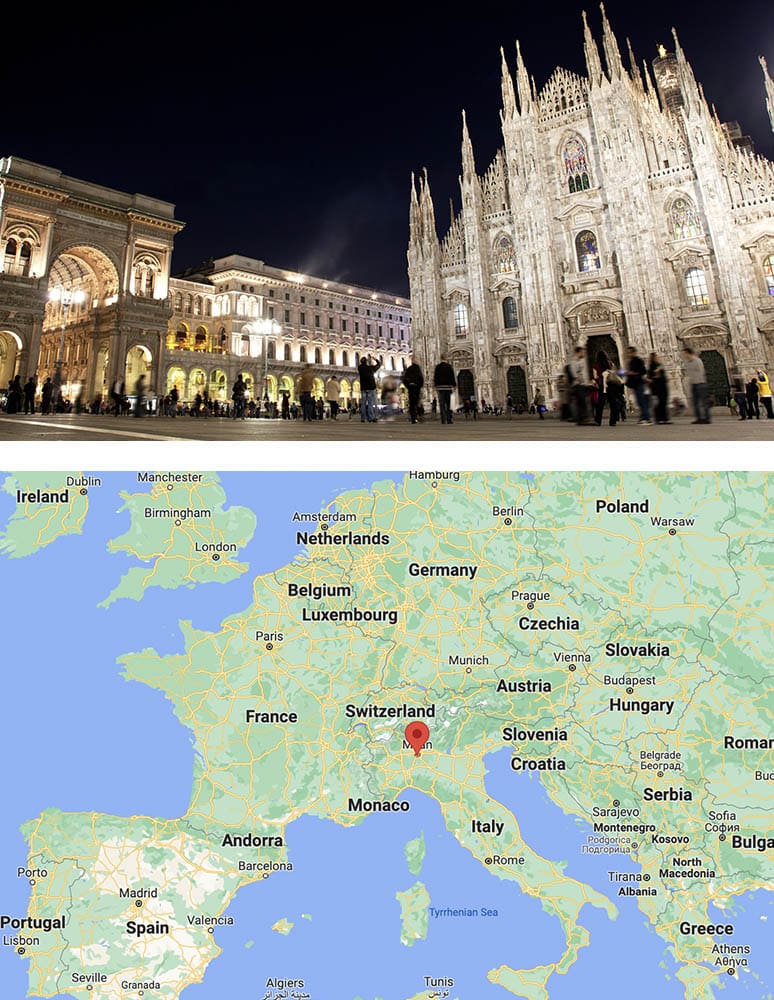
Milan, Italy, with 8.2 million annual visitors, stands as Europe’s fashion capital and Italy’s financial hub. It presents a more contemporary and business-oriented Italian experience compared to historical centers like Rome or Florence. While it may not boast the same ancient ruins, Milan offers impressive Gothic architecture (Duomo di Milano), high-end shopping, and a sophisticated culinary scene. It serves as a significant gateway for business travelers and those interested in design, fashion, and modern Italian culture.
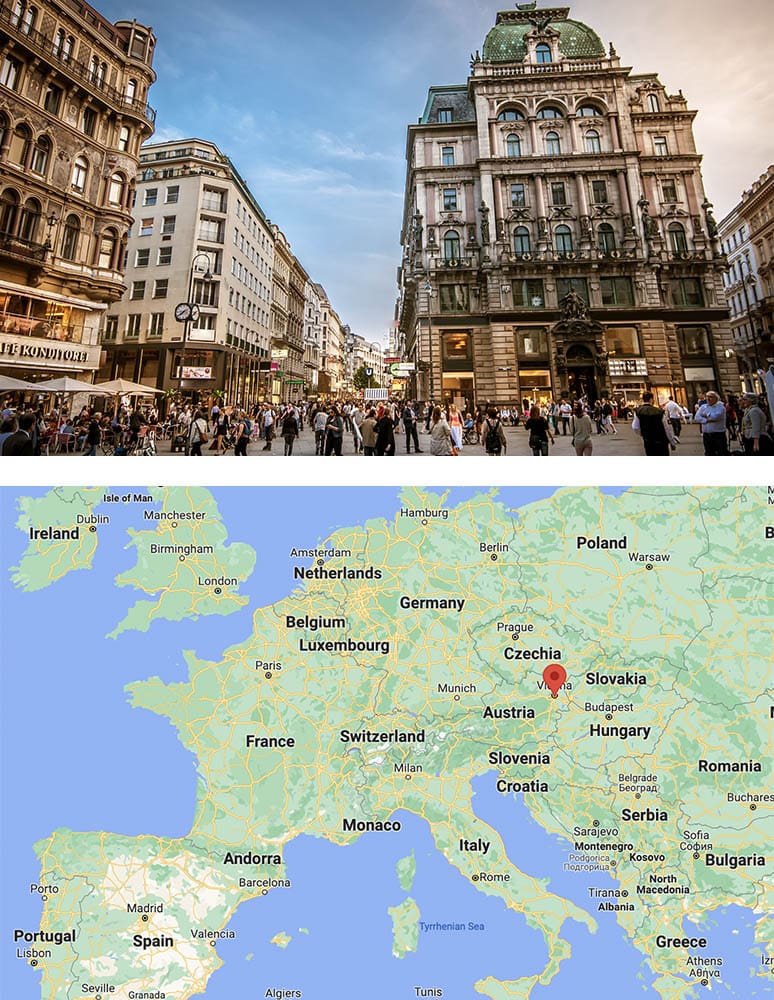
Vienna, Austria, also recording 8.2 million annual visitors, is consistently lauded for its high quality of life and stunning imperial architecture. The Austrian capital captivates with its blend of Baroque palaces, Art Nouveau masterpieces, and Gothic cathedrals. Its rich musical heritage, grand coffeehouse culture, and vibrant cultural calendar, including opera and classical concerts, solidify its reputation as a world cultural capital. Visitors are drawn to its elegant boulevards, world-class museums, and the unique experience of its traditional Viennese coffee houses.
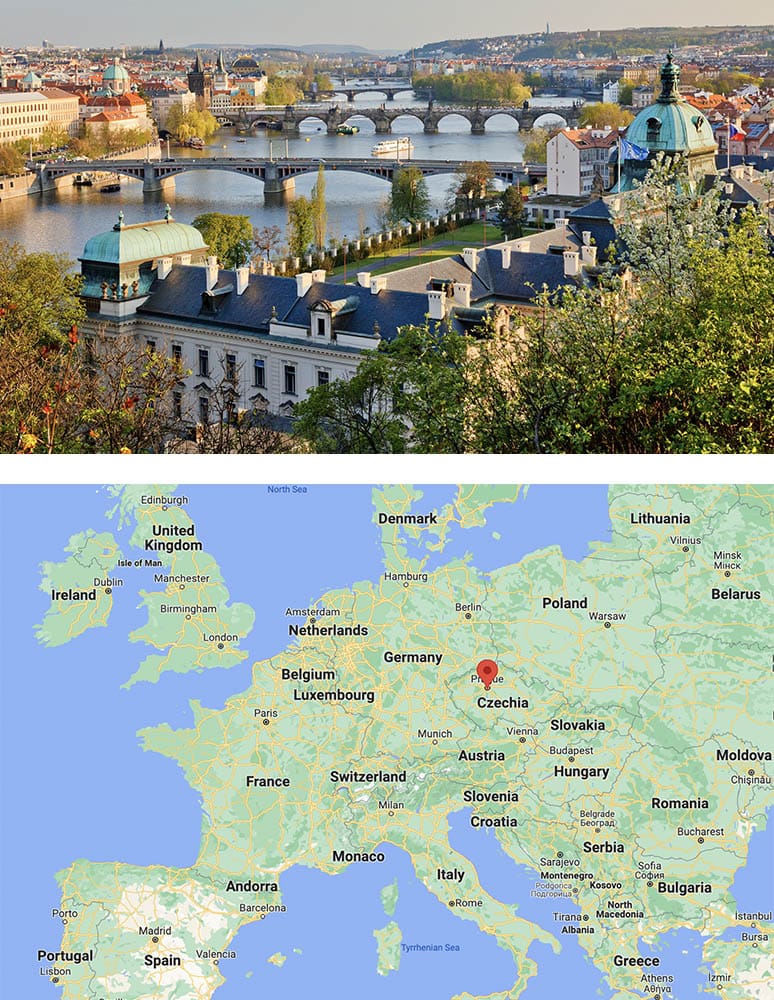
Prague, Czech Republic, attracts 7.5 million annual visitors, often described as a "fairy tale" city with its cobblestone streets, Charles Bridge, and Prague Castle. While its affordability has made it a popular destination, particularly for younger travelers, prices have steadily increased with its growing popularity. Despite the crowds, especially during peak summer months, Prague’s historical charm, vibrant nightlife, and rich cultural offerings continue to draw millions seeking an authentic Central European experience.
From Ancient Wonders to Modern Vibes: Further Key Cities
The list extends to other significant European destinations, each with its unique pull:
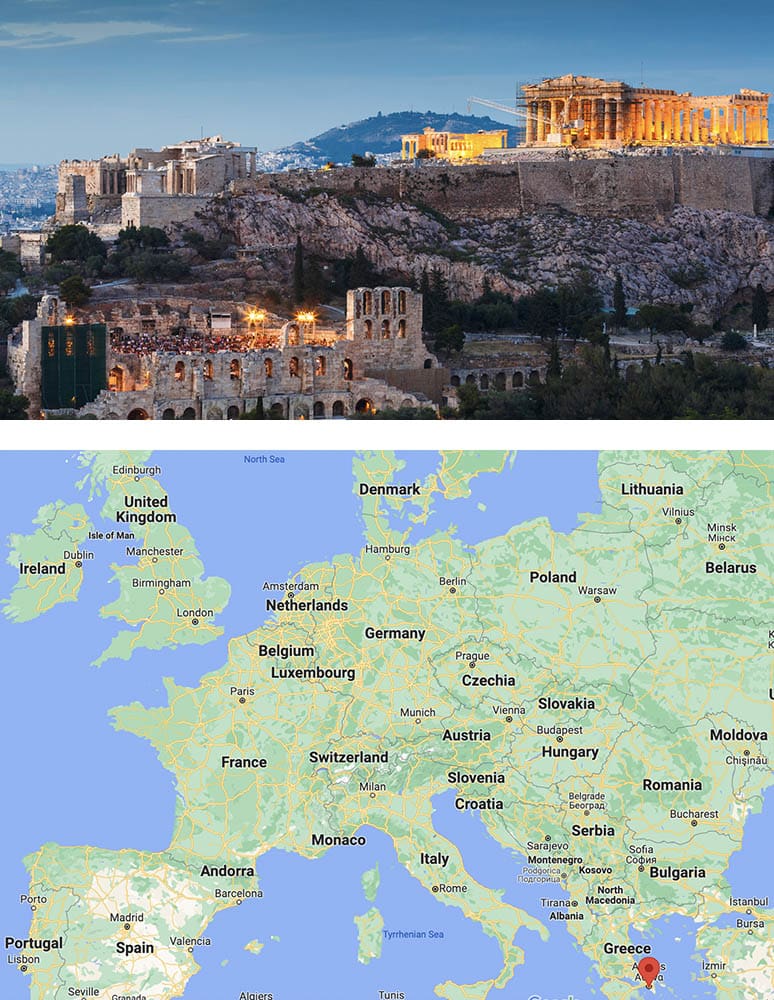
Athens, Greece (6.5 Million Annual Visitors): As the historical capital of Europe and the birthplace of democracy, Athens is a treasure trove of ancient wonders, most notably the Acropolis and Parthenon. While often a jumping-off point for exploring the Greek Islands, the city itself offers a deep dive into classical civilization, though its modern urban landscape can appear gritty to some visitors.
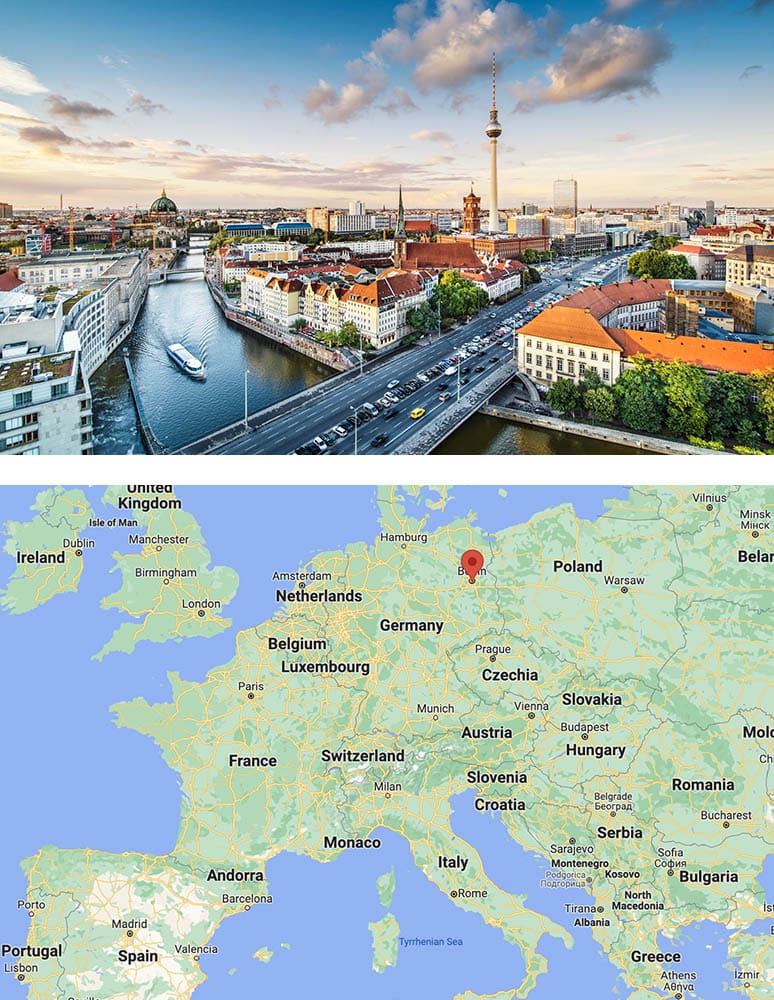
Berlin, Germany (6.3 Million Annual Visitors): Once famously described as "poor but sexy," Berlin has evolved into a dynamic cultural hub known for its vibrant arts scene, world-class museums (Museum Island), historical landmarks (Brandenburg Gate, Berlin Wall Memorial), and legendary nightlife. Despite rising costs, it remains one of Europe’s more affordable major capitals and a magnet for creative spirits and history buffs.
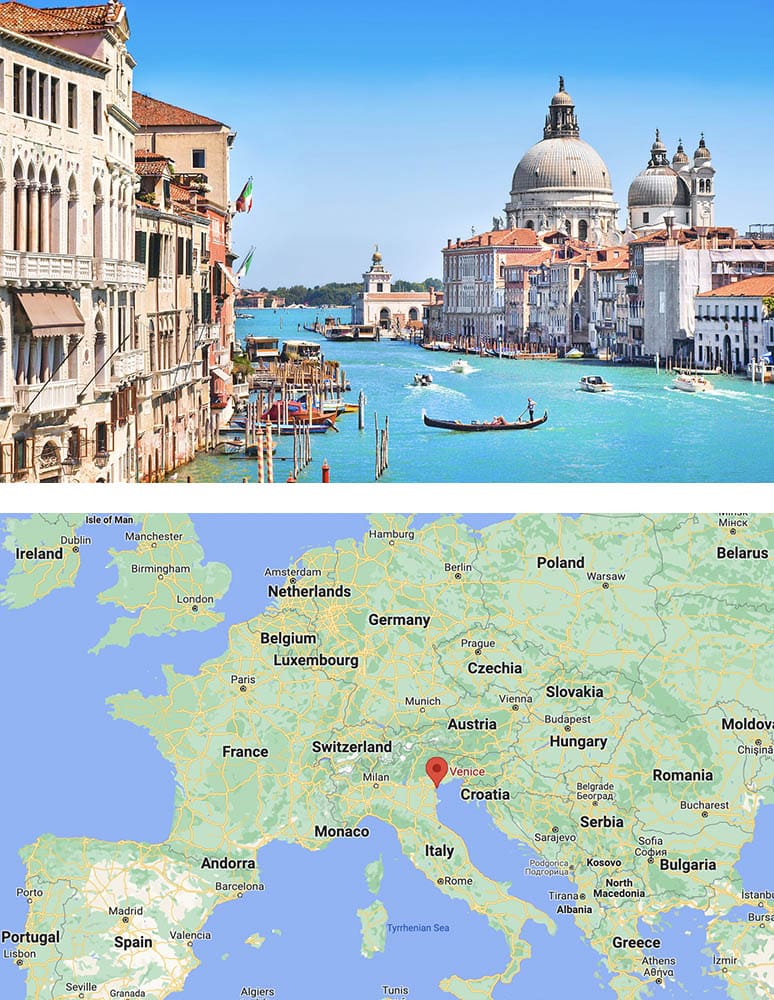
Venice, Italy (5.6 Million Annual Visitors): The unique, canal-laden city of Venice faces existential challenges, including rising sea levels and immense overtourism. While a breathtaking destination, its small size means it is easily overwhelmed by day-trippers. Staying overnight allows visitors to experience a more serene side of the city once the crowds disperse, revealing its truly magical atmosphere.
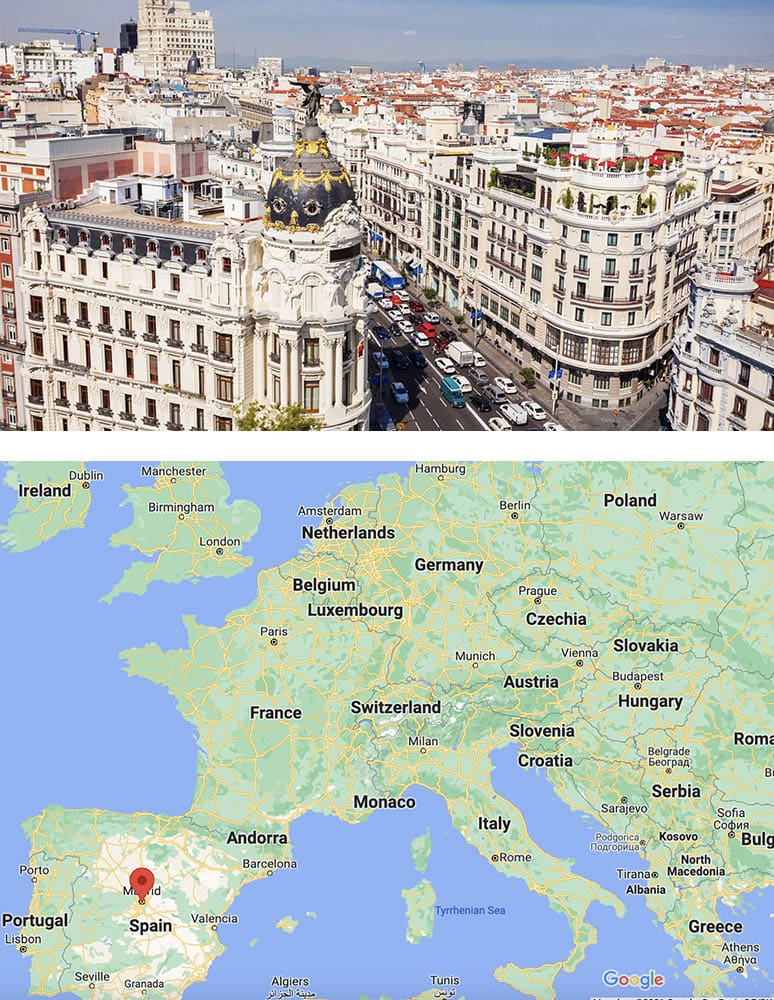
Madrid, Spain (5.6 Million Annual Visitors): Spain’s capital offers a lively urban experience characterized by outstanding culture, world-class art museums (Prado, Reina Sofía), and energetic nightlife. While much of its architecture dates from the 20th century, giving it a more modern feel than some other European capitals, Madrid exudes an undeniable old-world charm and a palpable sense of energy.
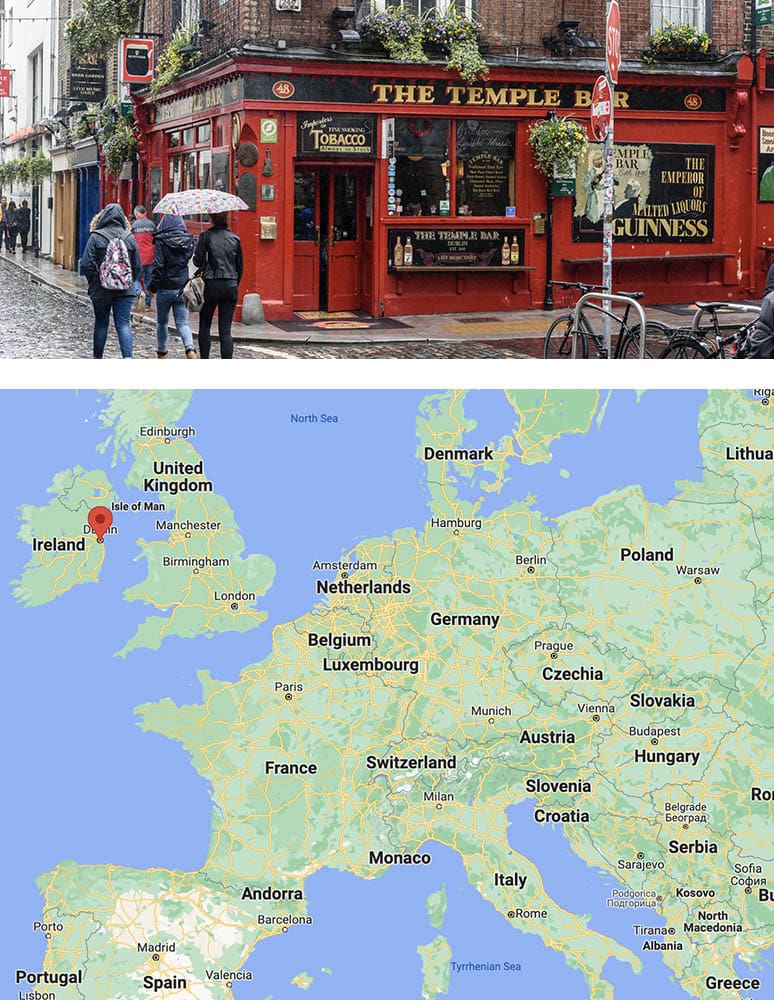
Dublin, Ireland (5.5 Million Annual Visitors): This vibrant Irish capital charms visitors with its friendly locals, rich literary history, and legendary pub culture. Despite being a relatively small city, Dublin offers a wealth of attractions, from Trinity College and the Guinness Storehouse to its bustling Temple Bar district. It is easily explored on foot, though visitors should budget for higher costs, particularly for food and alcohol.
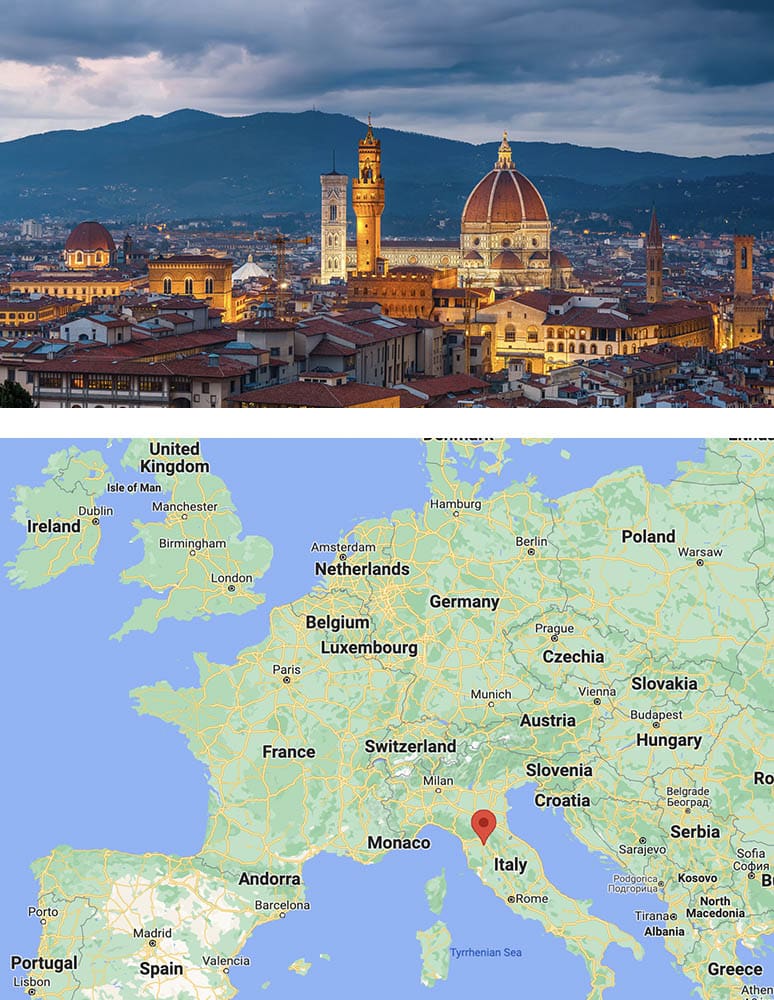
Florence, Italy (5.1 Million Annual Visitors): A jewel of the Renaissance, Florence is an essential Italian destination, easily accessible by high-speed train from Rome. Renowned for its unparalleled art (Uffizi Gallery, David), stunning architecture (Duomo), and world-class cuisine, it requires more than a day trip to fully appreciate its beauty and cultural depth, with evenings offering a more intimate experience.
Regional Powerhouses and Niche Attractions
The diversity of Europe’s appeal is further illustrated by cities like:
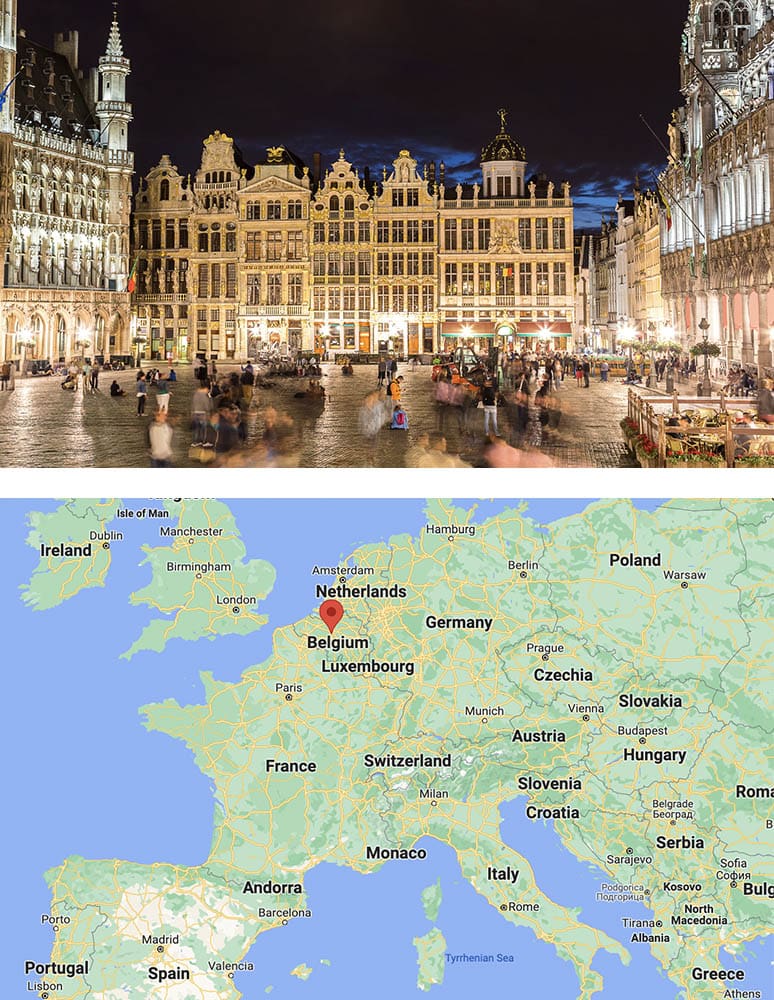
Brussels, Belgium (4.3 Million Annual Visitors): As the administrative capital of the European Union, Brussels has historically had a more business-centric image. However, it is increasingly attracting a creative class, shaking off its "stodgy" reputation with a growing array of trendy bars, restaurants, and cultural spaces, alongside its famed chocolates, waffles, fries, and, of course, beer.
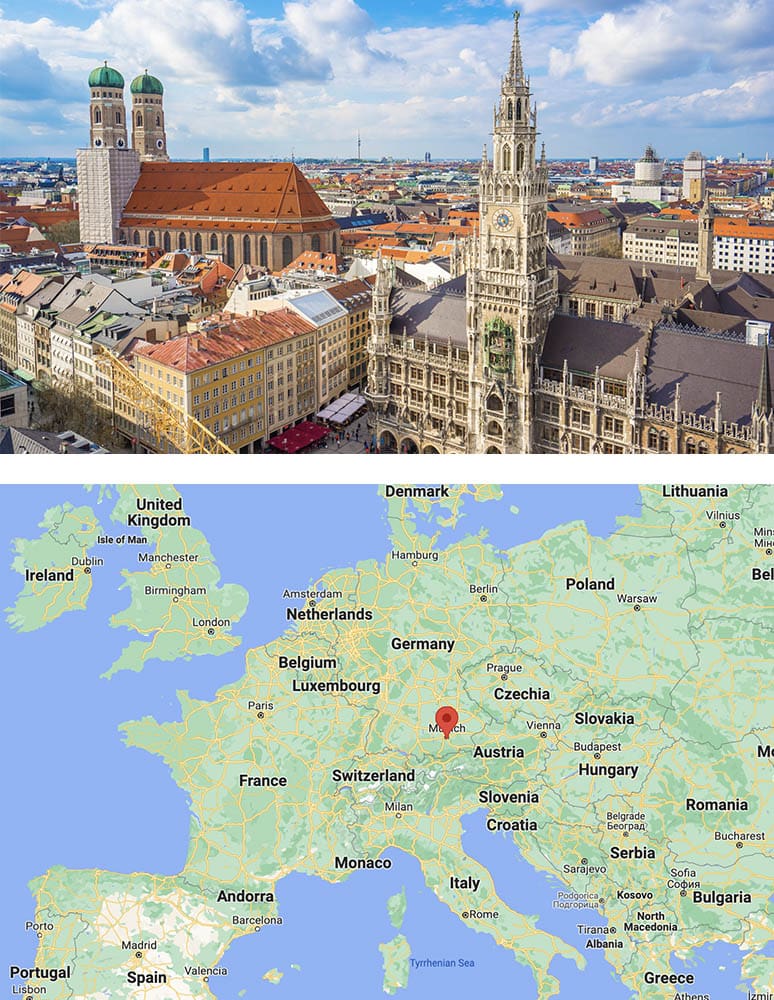
Munich, Germany (4.2 Million Annual Visitors): The capital of Bavaria is celebrated for its traditional German culture, epitomized by its annual Oktoberfest and numerous beer gardens. Its classically German buildings, impressive museums, and proximity to the Alps make it a popular destination for both cultural exploration and outdoor activities.
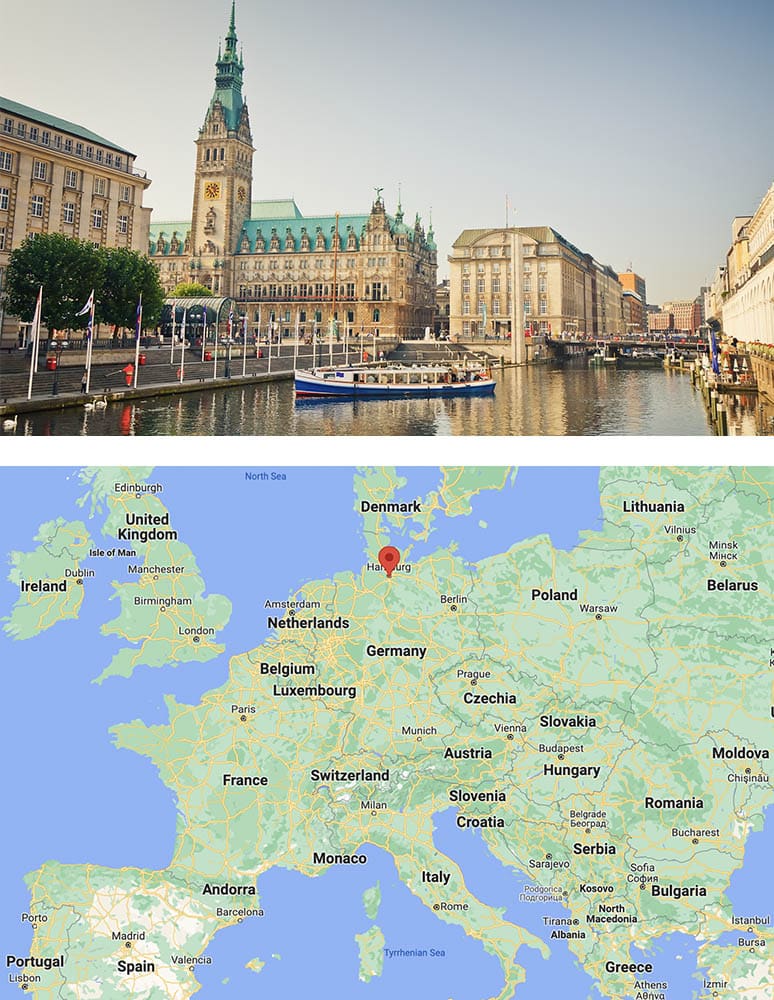
Hamburg, Germany (4 Million Annual Visitors): Germany’s second-largest city and a historic port, Hamburg has undergone significant regeneration. While retaining some of its "rough around the edges" charm, it has emerged as one of Germany’s hippest cities, boasting a thriving culinary scene, innovative architecture, and a dynamic nightlife.
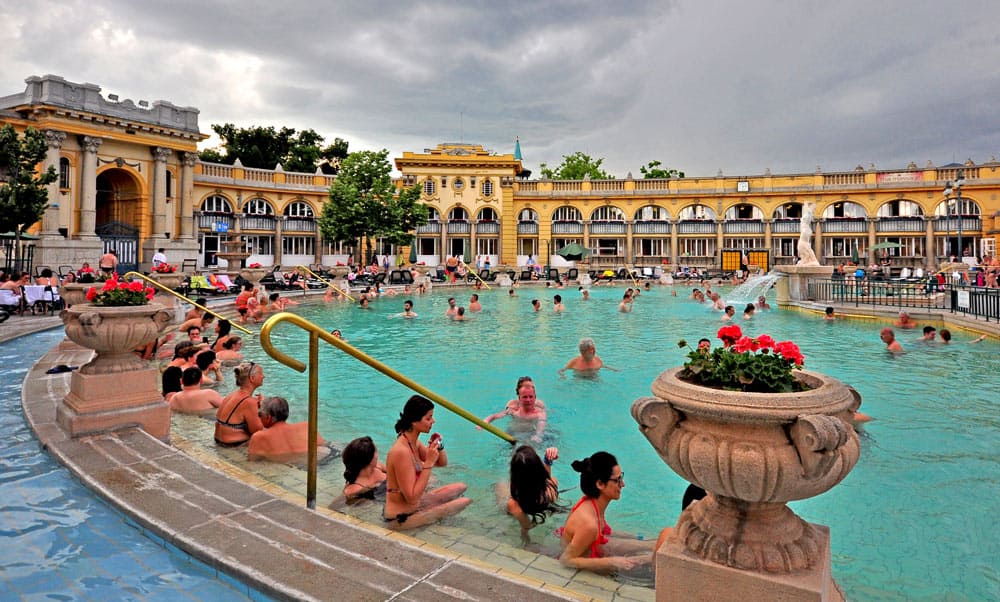
Budapest, Hungary (4 Million Annual Visitors): Often dubbed the "Paris of the East," Budapest captivates with its elegant boulevards, stunning architecture, and thermal baths. Its history under communist rule gives it a unique grit and edge. Affordable prices and a vibrant nightlife, including famous ruin bars, contribute to its growing popularity.
Tallinn, Estonia (4 Million Annual Visitors): Situated between Stockholm and St. Petersburg, Tallinn offers a compelling blend of Nordic and Russian influences. Its remarkably preserved medieval Old Town, complete with ancient walls and charming cobblestone streets, makes it a popular cruise ship destination. Overnight stays are recommended to experience the city without the day-tripper crowds.
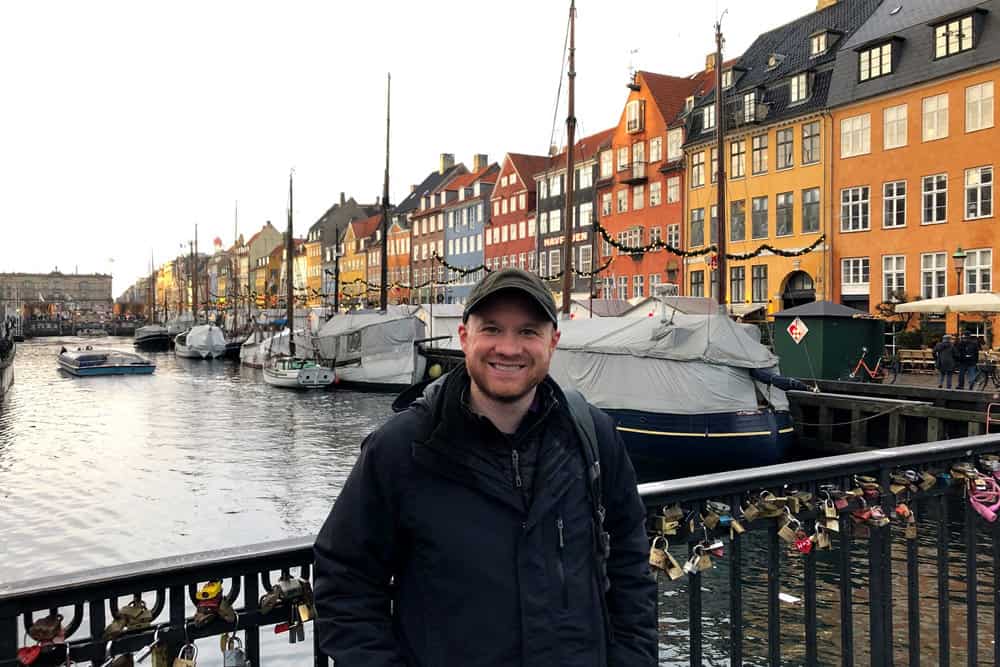
Copenhagen, Denmark (3.2 Million Annual Visitors): Consistently ranked among the happiest cities, Copenhagen impresses with its blend of historic charm and cutting-edge design. Its vibrant food scene, extensive cycling culture, numerous museums, and friendly locals create an exceptionally livable and enjoyable urban experience, despite being one of Europe’s more expensive cities.
Edinburgh, Scotland (3.1 Million Annual Visitors): Scotland’s capital is a city of striking beauty, featuring a dramatic medieval Old Town, an elegant Georgian New Town, and the iconic Edinburgh Castle. It’s a particularly popular destination during its annual August festivals, attracting thousands with its welcoming atmosphere and excellent pubs.
Heraklion, Greece (3 Million Annual Visitors): As the capital and port city of Crete, Heraklion is often a transit point for travelers exploring the wider region. While many visitors use it as a base, the city itself offers historical sites like the Palace of Knossos and a vibrant local culture.
Kraków, Poland (2.9 Million Annual Visitors): Poland’s cultural and intellectual capital is a beautiful, old-world city known for its stunning Main Market Square, Wawel Castle, and rich history. Its affordability and large student population contribute to a lively atmosphere and a reputation as a vibrant party town.
Warsaw, Poland (2.8 Million Annual Visitors): Largely rebuilt after its destruction in WWII, Poland’s sprawling capital is a city of resilience and transformation. While its tourism infrastructure is still developing compared to other European capitals, Warsaw offers a fascinating blend of historical reconstruction, modern architecture, and emerging cultural scenes.
Frankfurt, Germany (2.7 Million Annual Visitors): Predominantly a modern financial hub, Frankfurt serves more as a business destination than a traditional tourist city. While it boasts a respectable array of museums and a charming old town (Römerberg), it might not be a top choice for those seeking classic European charm.
Stockholm, Sweden (2.7 Million Annual Visitors): Spread across 14 islands, the beautiful Swedish capital is visually stunning but notoriously expensive. Its remote location somewhat limits its mass tourism appeal, yet it offers a rich cultural experience, from its royal palaces to its vibrant design scene.
Nice, France (2.6 Million Annual Visitors): A jewel of the French Riviera, Nice has been a beloved summer destination for centuries. While Southern France can be pricey, Nice offers budget-friendly options alongside its stunning Mediterranean beaches, world-class museums, and easy access to other charming coastal towns by train.
Porto, Portugal (2.5 Million Annual Visitors): Lisbon’s northern counterpart, Porto, offers a slightly shabbier but equally beautiful charm. Famous for its port wine, historic Ribeira district, and beautiful weather, it’s also an increasingly affordable destination, attracting young chefs and travelers seeking authentic experiences.
Bruges, Belgium (2.5 Million Annual Visitors): This medieval fairytale town, despite its small size, is immensely popular, often visited as a day trip. Its charming canals, cobbled streets, and well-preserved architecture offer a picturesque escape, best enjoyed during an overnight stay when the daytime crowds subside.
Reykjavik, Iceland (2 Million Annual Visitors): Tourism to Iceland’s capital has exploded, drawing millions to its unique blend of vibrant city life and dramatic natural surroundings. While offering unparalleled access to geological wonders, Reykjavik is known for being exceptionally expensive.
Seville, Spain (2 Million Annual Visitors): Spain’s fourth-largest city and a jewel of Andalusia, Seville is celebrated for its laid-back atmosphere, stunning architecture (Alcázar, Seville Cathedral), and vibrant flamenco culture. Visitors are advised to plan trips in spring or fall to avoid the intense summer heat.
Lyon, France (1.6 Million Annual Visitors): Revered as the gastronomic capital of France, Lyon is a haven for food lovers. Beyond its culinary delights, it is a significant hub for art, culture, and commerce, offering numerous museums and a youthful ambiance thanks to its large student population.
Dubrovnik, Croatia (1.5 Million Annual Visitors): The "Pearl of the Adriatic" has seen an explosion in popularity, partly due to its role as a filming location for major productions. Its stunning walled Old Town attracts millions, but this rapid growth has led to higher prices and challenges with overtourism, making off-season visits particularly appealing.

The Future of European Tourism: Challenges and Opportunities
As Europe’s tourism sector continues its robust recovery, cities are increasingly focusing on sustainable tourism practices to balance economic benefits with the quality of life for residents and the preservation of cultural and natural heritage. The challenges of overtourism, particularly in iconic but smaller destinations like Venice and Amsterdam, are prompting innovative solutions, including visitor taxes, crowd management strategies, and the promotion of less-visited areas.

The digital transformation of travel also plays a significant role, with technologies like eSIMs and readily available mobile data plans making it easier and more affordable for travelers to stay connected. This accessibility enhances the visitor experience but also contributes to the sheer volume of travelers. European tourism boards and city councils are now tasked with crafting strategies that ensure long-term sustainability, encourage responsible travel, and diversify offerings beyond the most saturated hotspots. The continent’s enduring appeal, combined with proactive management, suggests a dynamic and evolving future for European travel.