The World’s Most Dangerous Race: Inside the 2026 Cooper’s Hill Cheese Rolling Championship

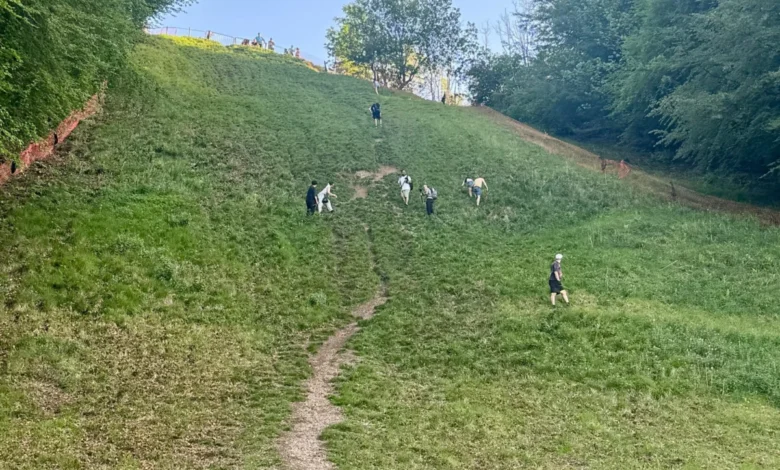
The Cooper’s Hill Cheese Rolling Championship stands as one of the world’s most eccentric and perilous annual traditions, drawing international crowds and daredevils to the precipitous slopes of Gloucestershire, England. Held annually on the Spring Bank Holiday—the final Monday in May—the event commands global attention as competitors willingly hurl themselves down a 1:2 gradient slope in pursuit of a seven-pound wheel of Double Gloucester cheese.
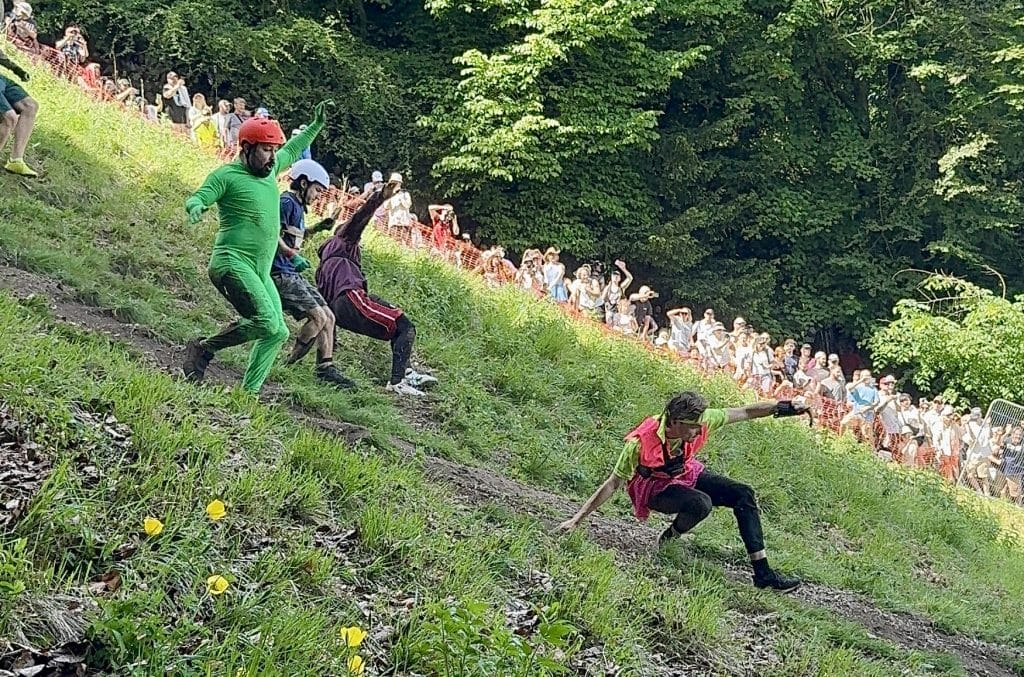
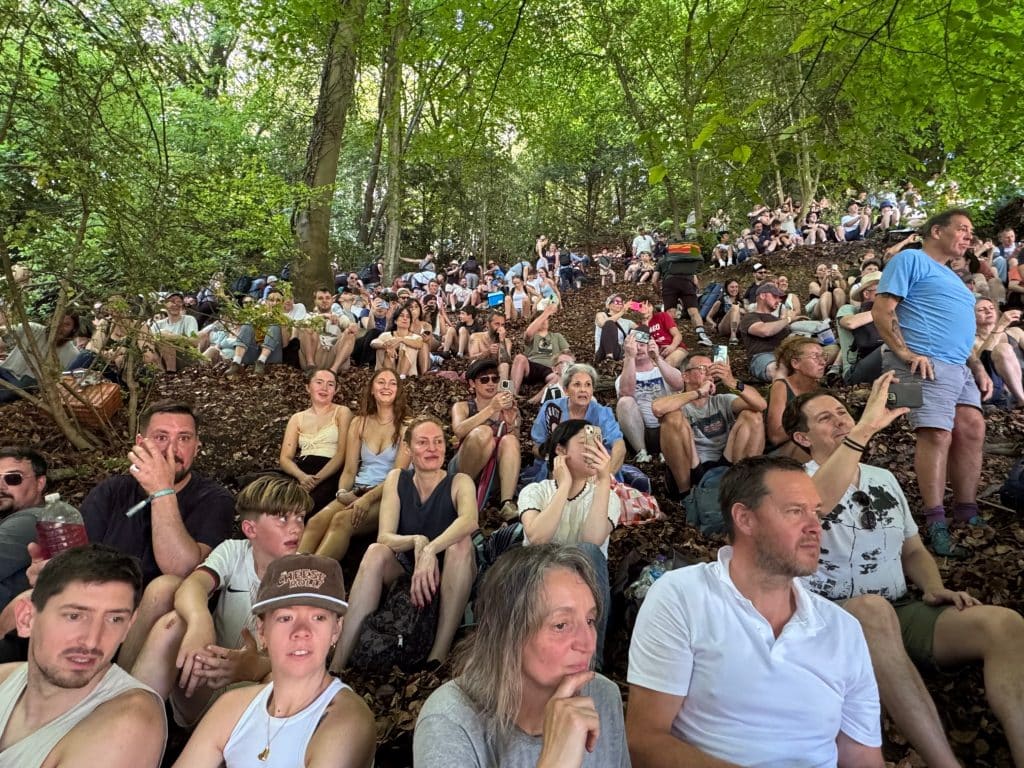
While the exact origins of the festival remain shrouded in historical ambiguity, historians and local folklorists widely attribute its roots to pagan fertility rites celebrating the arrival of summer or ancient grazing rights on common land. Over the centuries, the custom has transitioned from a localized Gloucestershire competition into a globally recognized spectacle, amplified further by digital media and documentary features. Despite official discouragement from local authorities and emergency services, thousands continue to converge on Brockworth each year to witness or participate in the high-speed chaos.
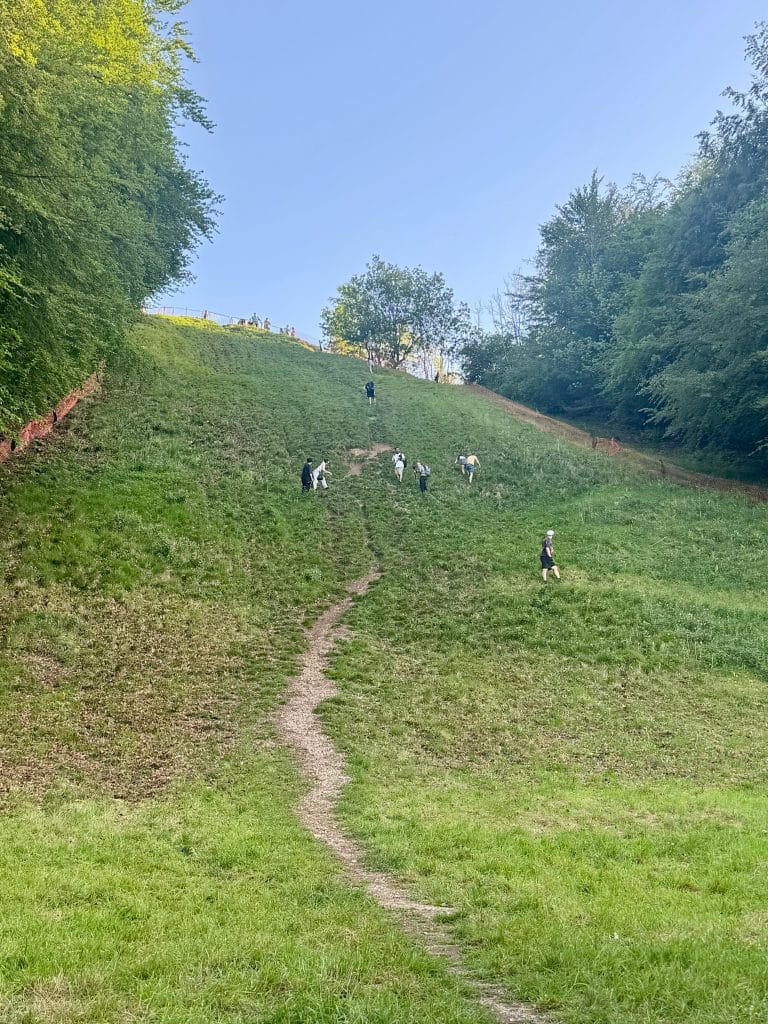
Anatomy of the Descent: Mechanics and Hazards
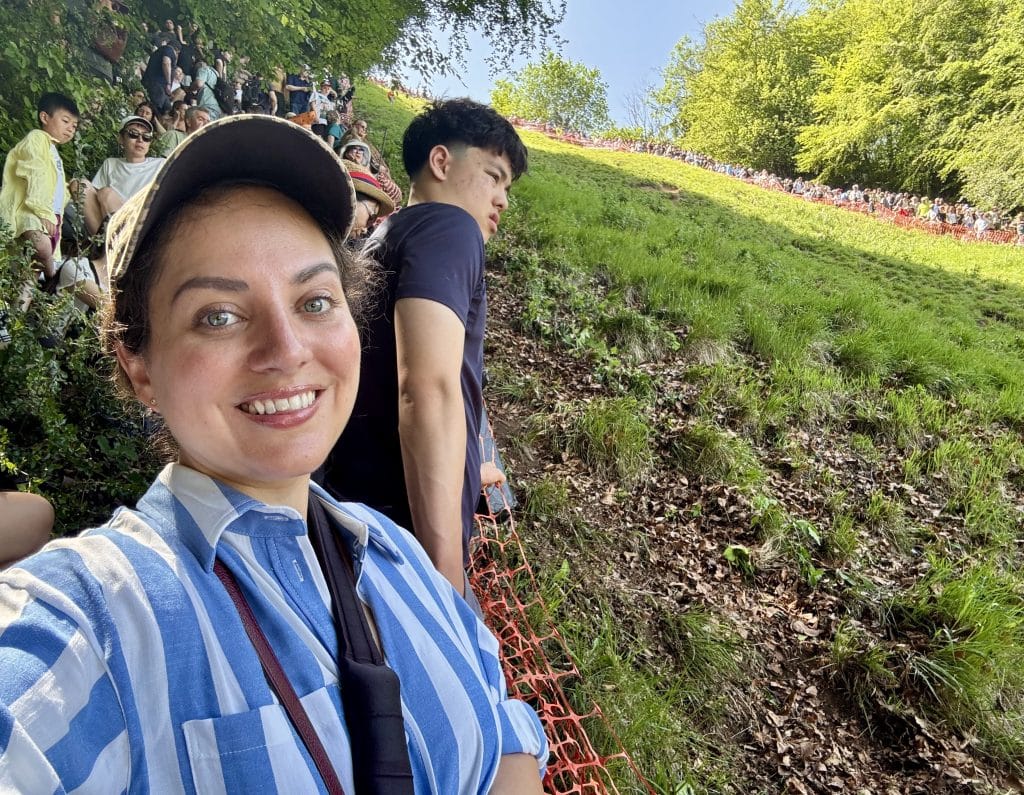
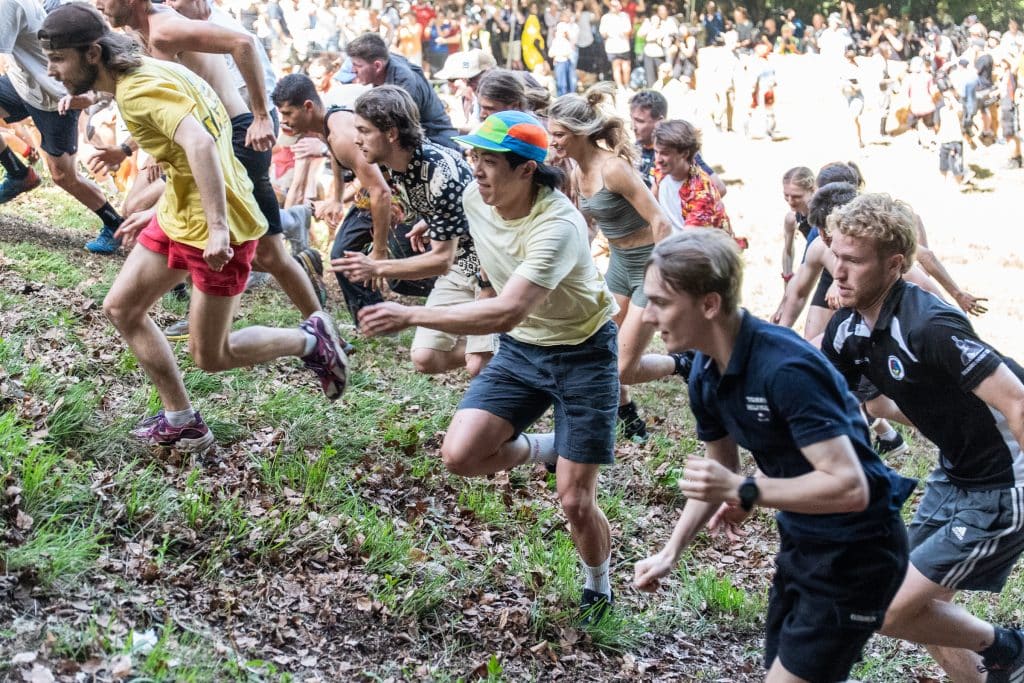
The mechanics of the event are deceptively simple, yet the execution involves extreme physical hazard. A master of ceremonies launches a ribbon-wrapped wheel of cheese from the summit of Cooper’s Hill, where it can achieve velocities of up to 70 miles per hour. Competitors then launch themselves after the dairy projectile, descending the severely inclined, uneven terrain through a chaotic combination of running, slipping, tumbling, and somersaulting.
Crucially, participants do not attempt to catch the cheese during the descent; catching a seven-pound object traveling at highway speeds is virtually impossible. Instead, the objective is simply to cross the finish line first. Because stopping safely on the gradient is impossible, local rugby players are positioned at the base of the hill to tackle and catch finishers, preventing them from colliding with the dense throngs of spectators lining the perimeter.
Safety Concerns and Official Stance
Due to the exceptionally high risk of physical trauma, the Cooper’s Hill Cheese Rolling operates entirely as an unofficial event. Emergency services and local municipal bodies maintain a strict distance from organizing the proceedings, declining to sanction the race due to liability concerns regarding severe injuries.
Medical responders face substantial operational challenges during the event. In previous years, local hospitals have been forced to deploy multiple land ambulances alongside air rescue services to treat casualties suffering from concussions, torn ligaments, and broken bones. Consequently, organizers and participants operate without a formal safety plan, and attendees are required to sign or acknowledge written liability disclaimers regarding the inherent dangers of participating or spectating.
Chronology and Competition Structure
The official schedule on Spring Bank Holiday follows a strict timetable designed to accommodate multiple brackets while minimizing congestion on the hill. Pre-festivities typically commence at mid-morning with traditional regional displays, including Morris dancing and musical accompaniment, before the official athletic competition begins at noon.
The event structure comprises several distinct races alternating between downhill and uphill challenges:
- 12:00 PM: First Men’s Downhill Race
- 12:15 PM: Children’s Uphill Race (Ages under 11)
- 12:30 PM: Second Men’s Downhill Race
- 12:45 PM: Children’s Uphill Race (Ages 11–17)
- 1:00 PM: Women’s Downhill Race
- 1:15 PM: Mixed Adults’ Uphill Race
- 1:30 PM: Final Men’s Downhill Race
Participation in the primary downhill events is strictly limited to 25 runners per heat to manage crowd density and safety risks. In recent years, application demand has vastly outpaced capacity, with hundreds of hopefuls arriving at the summit hours before the start, resulting in many prospective racers being turned away.
2026 Championship Results and Notable Performances
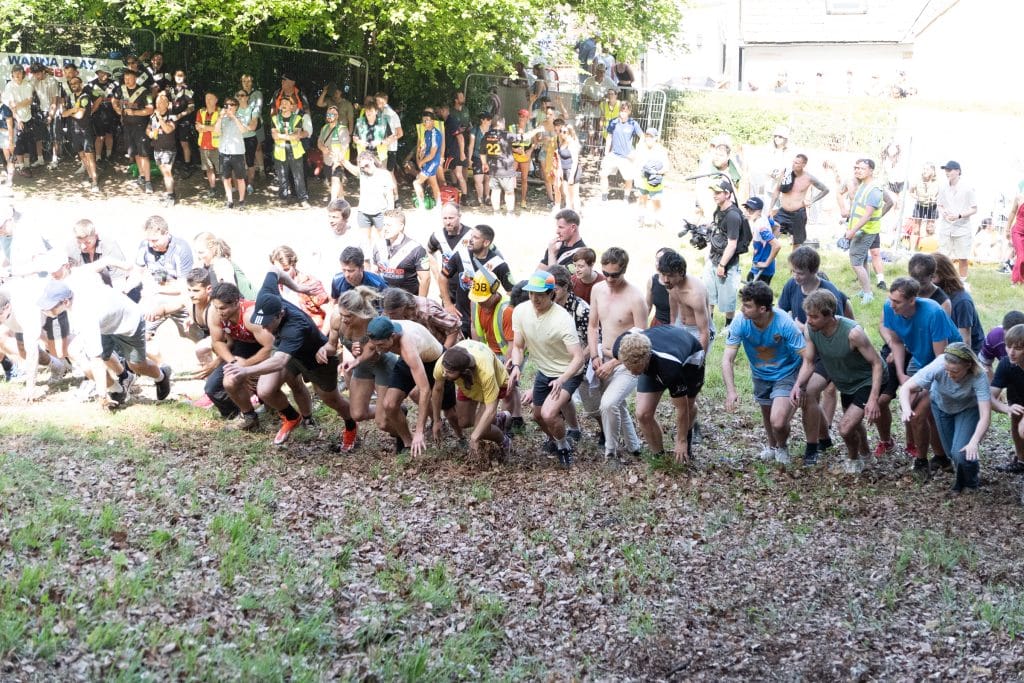
The 2026 iteration of the championship featured a blend of international competitors and enduring local legends. German national Tom Kopke secured victory in the premier men’s race, marking his third consecutive triumph. Kopke competed directly against Chris Anderson, a Gloucestershire local widely regarded as the most successful competitor in the history of the event, holding a Guinness World Record of 23 victories between 2005 and 2022, who briefly emerged from retirement to race.
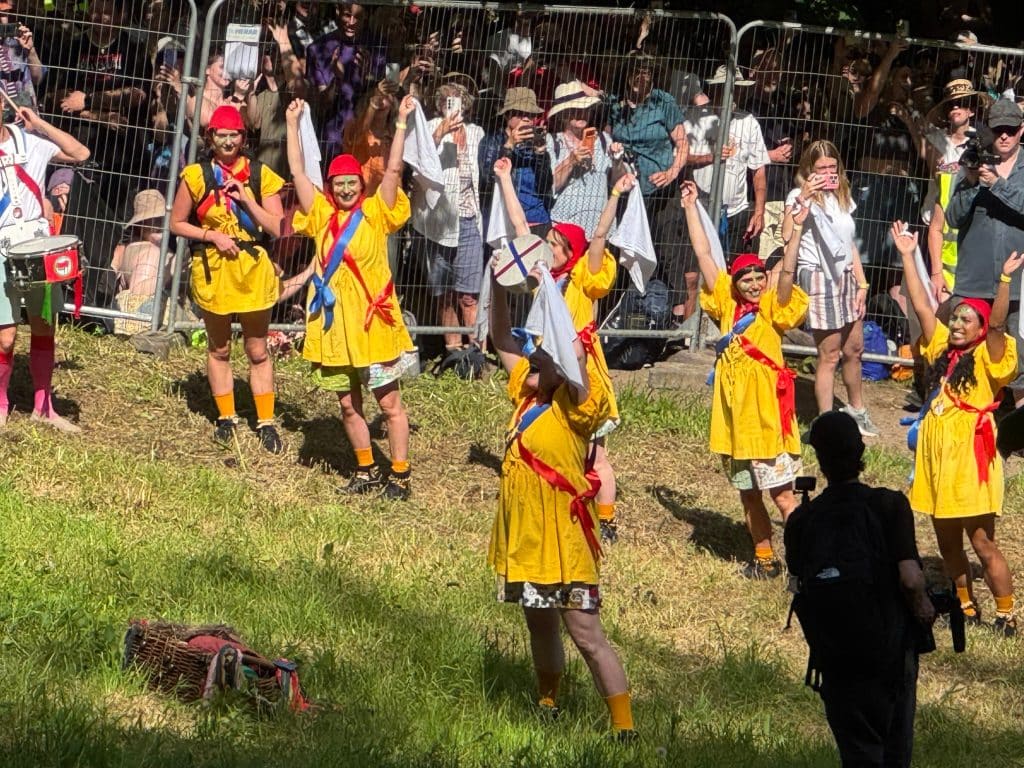
In the women’s division, Alix Heugas of France claimed victory, navigating the steep, sun-baked terrain ahead of the international field. Additional men’s heat winners included competitors from the Netherlands and the United States. Meanwhile, the localized uphill events highlighted family legacies within the sport, with members of the Anderson family securing multiple youth and adult titles.
Economic and Cultural Implications for Gloucestershire

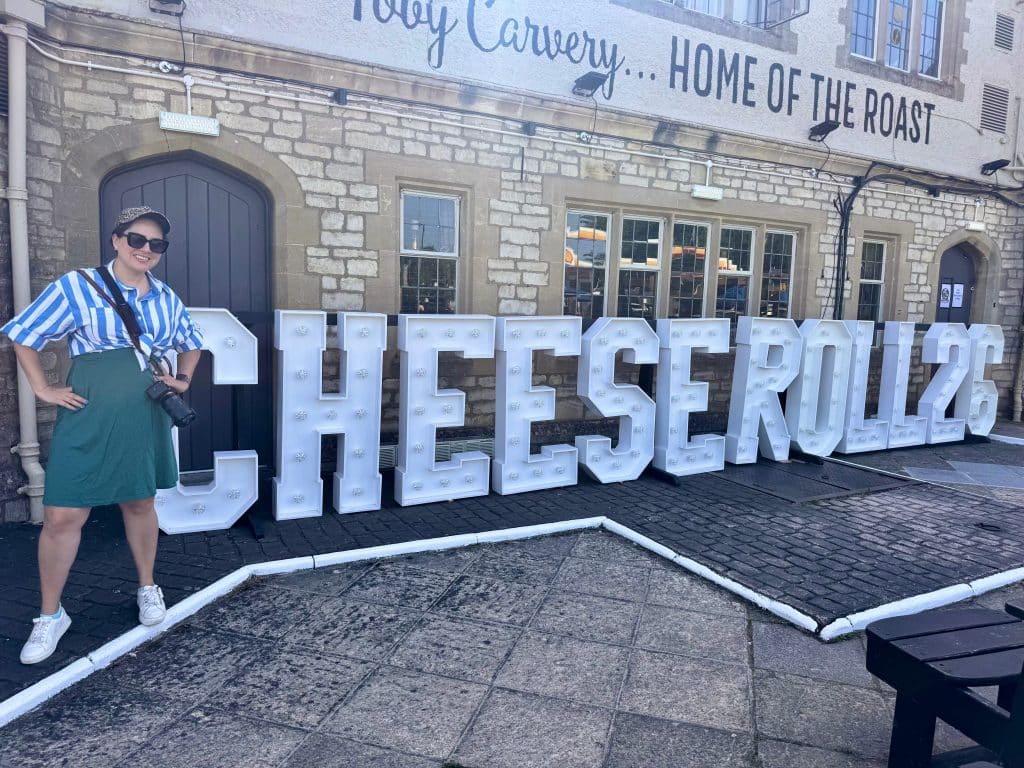
Beyond the immediate spectacle on Cooper’s Hill, the cheese-rolling festival generates substantial economic activity for the wider Gloucestershire region, including Cheltenham, Gloucester, and surrounding villages such as Brockworth and Shurdington. Local hospitality venues, pubs—such as the historically themed Cheese Rollers Pub in Shurdington—and accommodation providers experience a surge in occupancy over the long holiday weekend.

However, the event also poses logistical challenges for municipal infrastructure. The influx of thousands of domestic and international visitors strains local transport networks, parking facilities, and pedestrian pathways, particularly along the narrow rural approaches to Cooper’s Hill. Local councils continue to balance the cultural heritage and tourism revenue of the event against ongoing public safety and emergency preparedness expenditures.

Broader Cultural Context and Travel Logistics

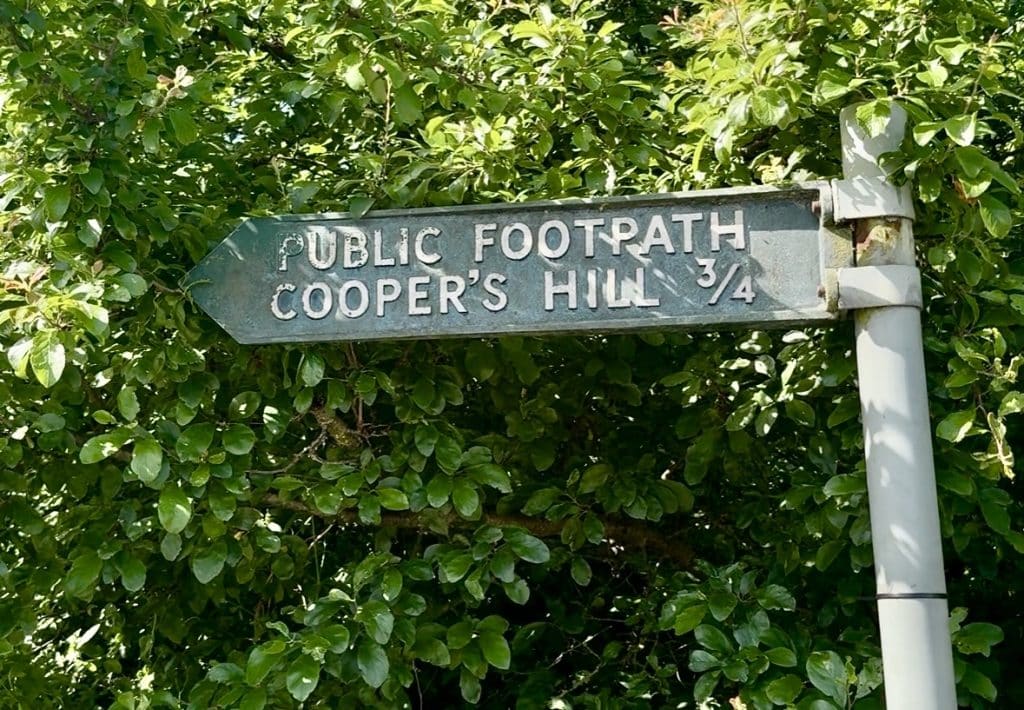
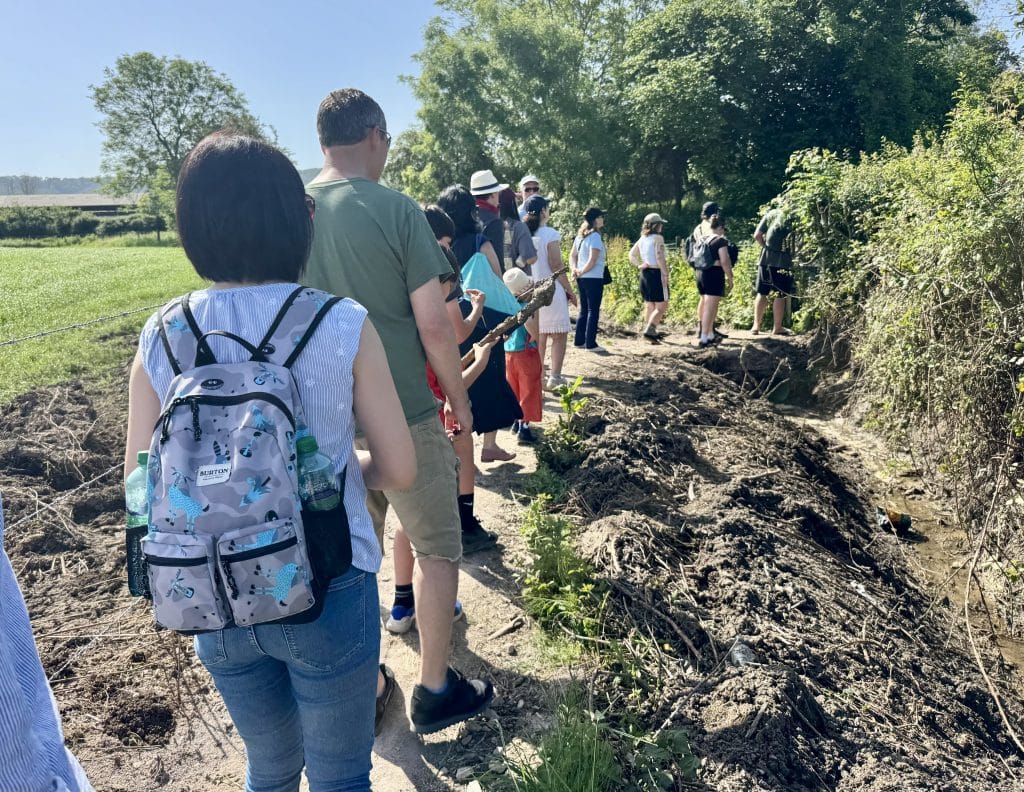
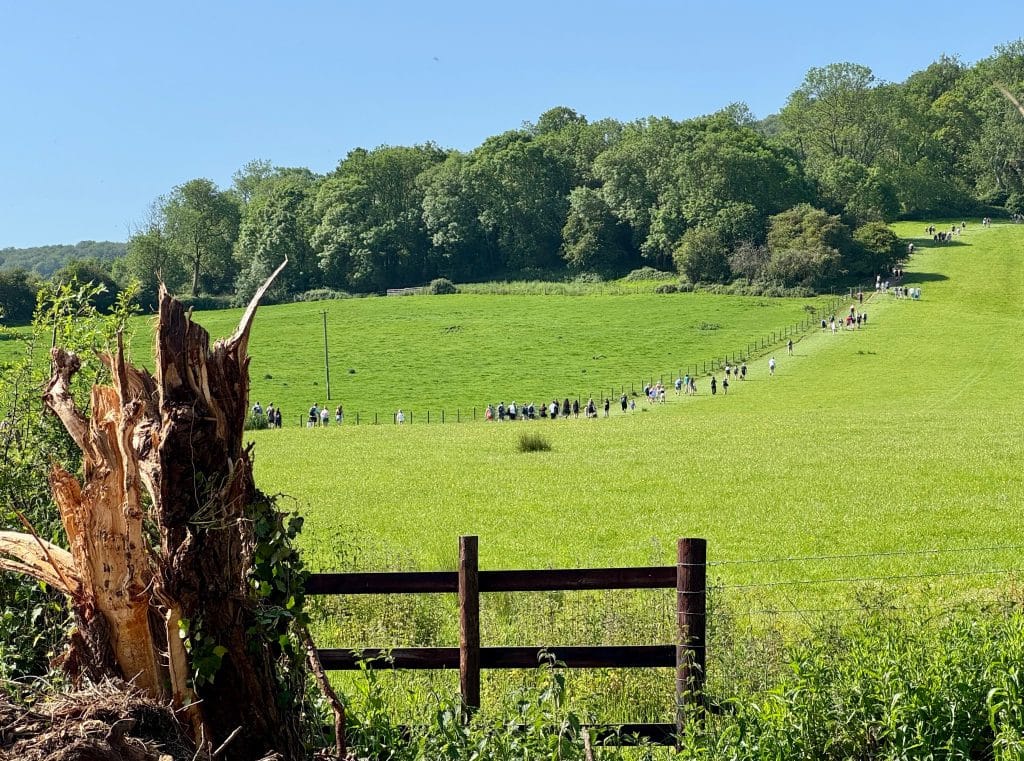
For travelers intending to visit the region for the bank holiday weekend, careful logistical planning is essential. Public transportation via regional bus lines—such as routes 10 and 166 from Cheltenham and Gloucester—provides reliable access to the designated public footpaths leading to the site, circumventing strict local street parking prohibitions.

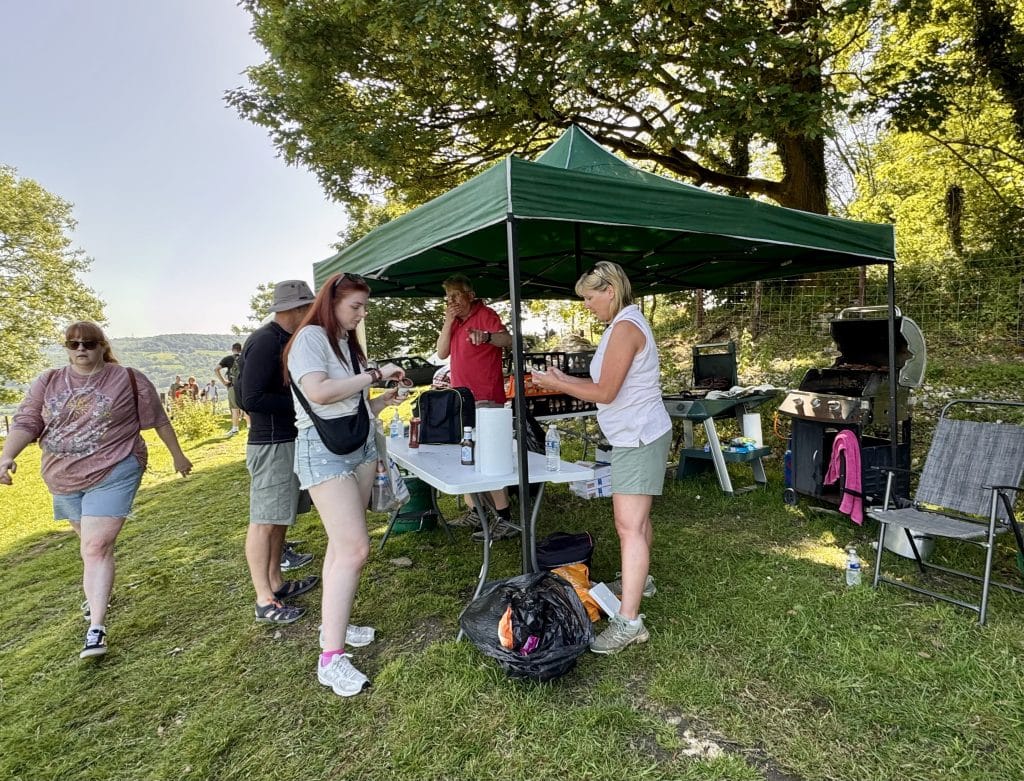
Experts recommend arriving well in advance of the noon start time to secure stable viewing positions along the perimeter fencing, as the terrain requires traversing steep, unpaved agricultural land and loose soil. Appropriate footwear, weather-appropriate gear, and hydration provisions are critical, given the unpredictable nature of English spring weather and the physical demands of navigating the surrounding countryside.