Elevating the London Experience: A Comprehensive Look at the London Eye Afternoon Tea

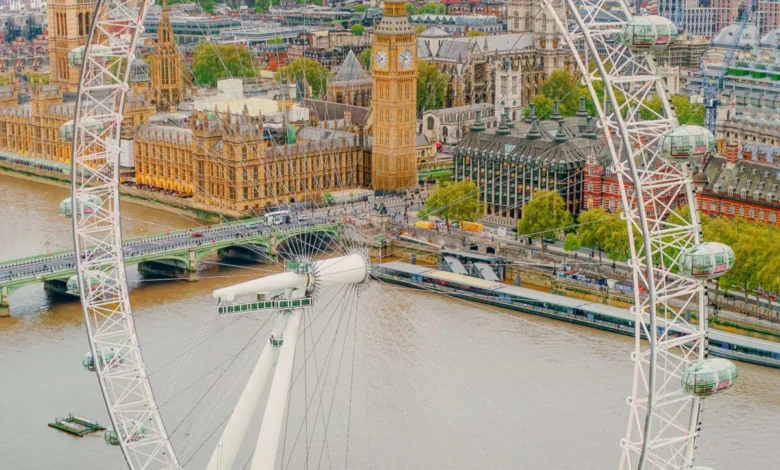
The London Eye has solidified its position as one of the most recognizable fixtures of the global tourism landscape, serving as a defining element of the city’s skyline since its inception for the 2000 Millennium celebrations. Operated by the Merlin Entertainments Group, the cantilevered observation wheel on the South Bank of the River Thames has evolved beyond its primary function as a sightseeing platform, now offering a series of premium, high-end hospitality experiences. Among the most notable of these is the London Eye Afternoon Tea, a curated service that integrates traditional British culinary customs with the architectural prominence of the landmark.

Historical Context and Evolution of the Landmark
Conceived by architects David Marks and Julia Barfield, the London Eye was originally intended as a temporary structure. However, its immense popularity—attracting over 3.5 million visitors annually at its peak—led to it becoming a permanent feature. Over the last two decades, the attraction has undergone several operational shifts to maintain its appeal in an increasingly competitive London tourist market.

The introduction of specialized pods, such as those dedicated to the Afternoon Tea experience, reflects a broader trend in luxury travel: the conversion of mass-market attractions into exclusive, private, or semi-private environments. By limiting capacity to approximately eight guests per pod, the operator has effectively created a premium service segment that appeals to domestic and international visitors seeking a more intimate and elevated perspective of the capital.

Operational Mechanics and the Afternoon Tea Experience
The London Eye Afternoon Tea is not merely a sightseeing excursion with refreshments; it is a meticulously organized service that requires precise logistical coordination. The rotation of the wheel—which typically takes 30 minutes for a single revolution—is extended to an hour for the afternoon tea experience, allowing for two complete rotations. This duration is calculated to allow guests sufficient time to consume the multi-course tea service while ensuring the pod remains in motion.

Guests arrive at a dedicated VIP check-in area, bypassing the general admission queues. This procedural change is significant for large-scale attractions where wait times can often exceed 60 minutes during peak seasons. Upon check-in, patrons gain access to a private lounge, a facility designed to mitigate the logistical pressures of arrival times and provide a controlled environment for the transition to the boarding platform.

The menu typically adheres to the traditional components of a high-end British afternoon tea: a selection of finger sandwiches, freshly baked scones accompanied by clotted cream and preserves, and an assortment of pastries. Operators have also integrated dietary inclusivity into the standard offering, with pre-booked vegan and vegetarian options available to meet modern consumer expectations and regulatory standards for hospitality services.

Supporting Data and Market Trends
From a market perspective, the integration of food and beverage services into observation-based attractions represents a high-margin revenue stream. Industry analysts note that "experience-led" tourism, where the activity is tied to a specific cultural moment, has seen a 15-20% growth in demand over the past five years.

For the London Eye, the data suggests that the Afternoon Tea package serves as a stabilizer during shoulder seasons. While standard ticket pricing is subject to high fluctuation based on demand and seasonality, the premium tier of tickets, such as those including champagne or the afternoon tea service, tends to command a more consistent price point. Prices for these experiences typically start at approximately £75 per person, a figure that incorporates the cost of the exclusive access, the catering service, and the extended ride duration. The use of promotional incentives, such as specific booking codes (e.g., TEAWEEK26), acts as a mechanism to encourage early bookings, which assists the operator in forecasting capacity for the limited number of specialized pods available each day.

Logistical Requirements and Consumer Compliance
The success of the service is contingent upon strict adherence to scheduling. Because the wheel does not stop for individual arrivals, the operator enforces a policy requiring guests to arrive at least 30 minutes prior to their designated slot. This requirement is a standard industry practice for high-throughput attractions, yet it represents a potential point of friction for consumers.

The requirement to book these specific tickets in advance—as opposed to upgrading from a standard entry ticket—is a strategic move by the operator to ensure the logistical integrity of the pod’s service. This separation of inventory prevents the overcrowding of the tea-designated pods and maintains the "VIP" branding associated with the experience.

Broader Implications for London’s Tourism Sector
The evolution of the London Eye reflects a wider shift in how iconic landmarks are managed. There is a growing emphasis on "value-added" tourism. By diversifying the utility of the pods, the London Eye functions as a multi-use venue, capable of hosting private events, champagne flights, and dining experiences. This diversification is crucial for the financial sustainability of major attractions, which must balance maintenance costs—often significant for a structure of this scale—with the need to provide a high-quality visitor experience.

Furthermore, the prominence of the London Eye in global travel media ensures that any shift in its service model is closely monitored by other heritage and tourism sites. The success of the tea service has likely influenced other attractions to explore similar, high-end, time-extended experiences.

Critical Analysis of the Experience
While the service is widely marketed as an exclusive luxury offering, it remains subject to the limitations of the structure itself. The experience is, by nature, weather-dependent. Visibility, which is a core component of the attraction’s value, can vary significantly. However, from a consumer satisfaction standpoint, the inclusion of the double rotation provides a buffer; even in suboptimal weather conditions, the extended time in the pod is often perceived as a higher value than a standard, single-rotation flight.

The professionalization of the service—evidenced by the use of dedicated concierges and the integration of the VIP lounge—indicates that Merlin Entertainments is positioning the London Eye not just as a piece of infrastructure, but as a premier hospitality provider.

Conclusion
The London Eye Afternoon Tea represents a successful synthesis of cultural tradition and modern commercial strategy. By transforming the standard observation experience into a structured, service-heavy event, the attraction has successfully captured a market segment that values privacy, comfort, and the integration of dining with sightseeing. For travelers planning a visit, the importance of advance planning, strict adherence to arrival times, and the utilization of direct booking channels remain the primary factors in ensuring a seamless experience. As the London skyline continues to evolve, the London Eye remains a central component of the city’s identity, now redefined by its ability to offer a sophisticated, tiered visitor experience that caters to both the casual sightseer and the discerning guest.