The Death of the Passport Stamp: How Border Tech Is Changing How The World Travels

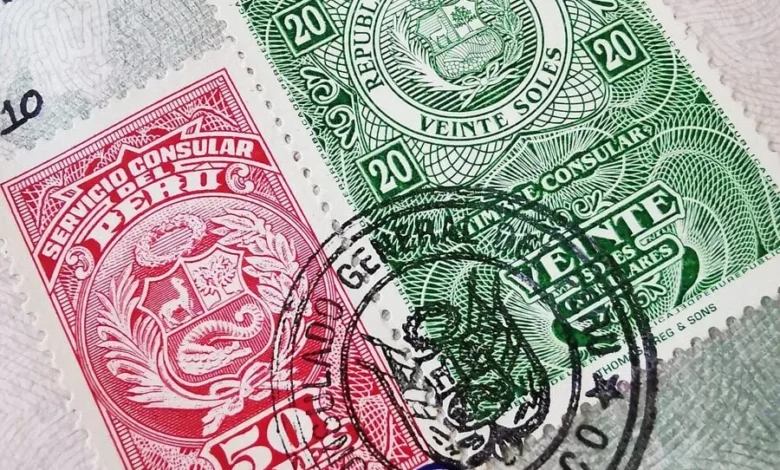
The physical passport stamp is rapidly disappearing from international travel, marking the end of a centuries-old tradition that transformed crossing an international boundary into a tangible, memorable event. Across the globe, governments and customs agencies are dismantling ink pads and staffed inspection booths in favor of facial recognition cameras, automated gates, and cloud-based digital databases. This historic shift, accelerated by a convergence of security mandates, surging passenger volumes, and technological advancements, has fundamentally redefined the modern border experience.
The transition is no longer a futuristic concept discussed by aviation panels; it is the active, everyday reality of global mobility. From the European Union and the United States to the United Kingdom and East Asia, the traditional border has transformed from a physical desk interaction into an invisible, pre-screened digital infrastructure. While the practical benefits for international security and processing efficiency are undeniable, this digital revolution forces millions of globetrotters to reckon with the quiet, sentimental loss of inked pages that once served as a physical diary of a life well-traveled.
The Chronology of a Border Revolution
The eradication of the passport stamp did not happen overnight, but rather through a carefully coordinated global rollout of digital immigration architecture over the past several years. The timeline of this systemic overhaul highlights a decisive, irreversible pivot toward automated security.
- September 2024: Singapore’s Changi Airport implemented biometric clearance across all four of its terminals, enabling residents to clear immigration using only their face and iris without ever presenting a physical passport. This reduced average passenger clearance times from 25 seconds to an astonishing 10 seconds.
- October 2024: Australia initiated the pilot phase of its digital Australia Travel Declaration on select Qantas flights, laying the groundwork to replace traditional orange paper incoming passenger cards.
- October 12, 2025: The European Union launched the foundational infrastructure of its Entry/Exit System (EES), setting the stage for total operational deployment across external Schengen borders.
- April 10, 2026: The EES became fully operational across all 29 Schengen member countries. Routine stamping of passports for non-EU short-stay visitors was officially abolished, replaced entirely by automated digital logs recording entries, exits, and mandatory biometric profiles.
- October 1, 2026: U.S. Customs and Border Protection (CBP) formally announced the cessation of routine passport stamping at primary inspection booths, transitioning the U.S. entry record ecosystem entirely to digital I-94 databases and advanced facial comparison algorithms.
- Late 2027 (Projected): Australia’s comprehensive rollout of the digital Travel Declaration is scheduled to reach full implementation across all international airports and seaports.
Global Implementation and Regional Frameworks
The systematic abandonment of ink and paper is being driven by distinct regional strategies, each tailored to address unique security and logistical challenges.
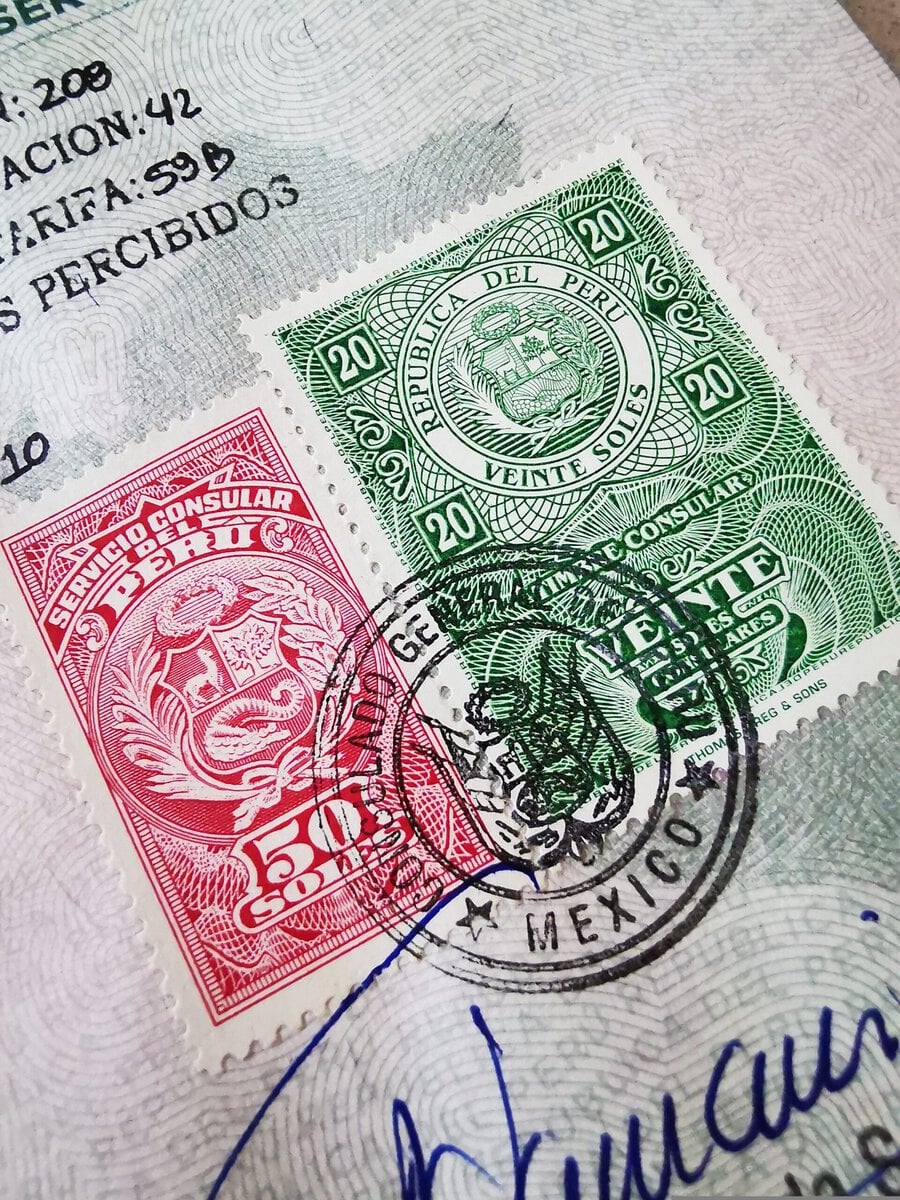
In Europe, the implementation of the Schengen Area’s Entry/Exit System represents the world’s most ambitious multinational border modernization effort. Encompassing 29 countries, the EES eliminates physical passport stamps for all non-EU nationals. During a traveler’s initial crossing, the system captures a facial image and four fingerprints. Subsequent entries and exits are logged automatically, creating an airtight digital ledger that simultaneously calculates compliance with the notoriously strict "90 days in any 180-day period" rule. Even prior to its complete saturation, the system had successfully registered over 45 million border crossings, proving its capacity to handle massive tourist inflows without gridlock.
Meanwhile, the United States has relied heavily on biometric facial comparison technology to secure its borders, processing more than 800 million travelers to date. Rather than receiving an inked stamp at a primary inspection booth, foreign travelers entering the U.S. now receive an electronic I-94 arrival record, accessible instantly via official government websites and mobile applications. While travelers nostalgic for physical verification can still request a manual stamp from a CBP officer, the baseline operation has gone completely digital.
Similar modernizations are sweeping across Asia and Oceania. Singapore’s Changi Airport has set the gold standard for frictionless transit, utilizing multi-biometric token systems that allow departing passengers to navigate security and boarding checkpoints entirely passport-free. Australia is following suit, phasing out its historic paper incoming passenger cards in favor of a centralized digital declaration platform.
The Rise of Pre-Border Digital Screening
The transformation of international travel extends far beyond the physical airport terminal. Modern border security has fundamentally shifted backward in time, migrating from the arrival gate to the traveler’s living room weeks before departure.
The United Kingdom’s Electronic Travel Authorisation (ETA) system exemplifies this new normal. Historically, nationals from visa-exempt countries—including the United States, Canada, Australia, and European Union member states—could board a flight to London with nothing more than a valid passport, leaving admission decisions entirely to border officers upon arrival at Heathrow or Gatwick.
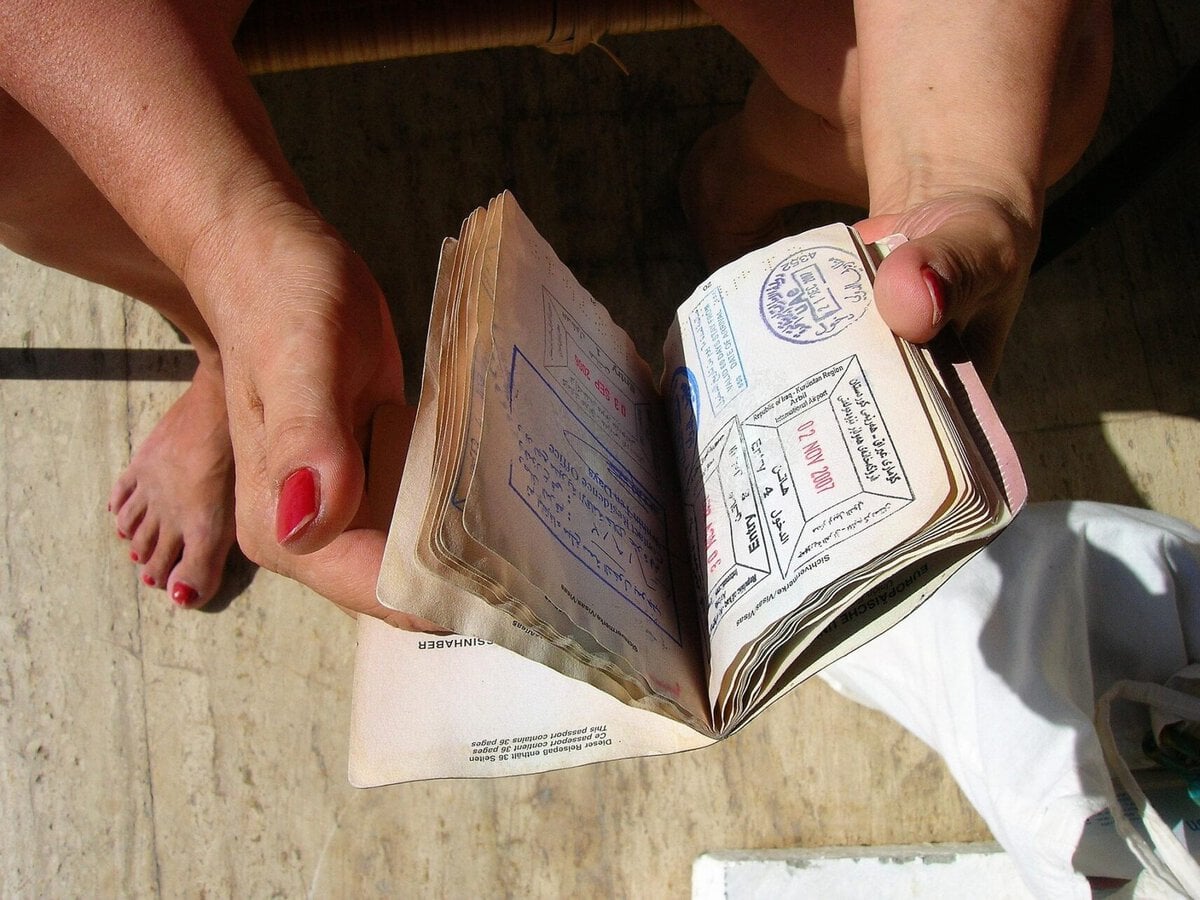
That paradigm has been entirely dismantled. Under the modern UK framework, visa-exempt visitors must secure an approved ETA prior to departure, a mandate that applies universally to every traveler, including infants and children. The digital authorization is electronically linked to the individual’s passport and verified automatically by airlines, ferry operators, and rail services before boarding is permitted. Consequently, a missing or flawed digital authorization halts a traveler at their departure point, thousands of miles away from a UK border officer.
The European Union is preparing to deploy its own parallel pre-travel screening framework, the European Travel Information and Authorisation System (ETIAS), which will introduce a similar online pre-approval step for visa-exempt visitors entering the Schengen zone. As these digital checkpoints multiply, the traditional concept of "arriving at a border" is effectively replaced by a continuous chain of algorithmic pre-approvals.
Economic and Logistical Implications
The transition to digital border management is supported by an overwhelming economic and logistical imperative. Global aviation associations and government agencies face relentless pressure from exponential passenger growth projections that far outpace the physical capacity of legacy airport infrastructure. Staffed inspection booths, manual passport checks, and physical ink stamping are inherently labor-intensive bottlenecks incapable of sustaining modern travel volumes.
Proponents of biometric integration argue that digitalization significantly enhances national security. Automated databases instantly cross-reference traveler identities against international law enforcement databases, reducing human error, preventing document fraud, and closing loopholes associated with altered or forged passports. Furthermore, automated tracking systems eliminate the arithmetic errors inherent in manual stamp-counting, ensuring strict compliance with visa duration limits.
However, these systemic improvements are not without operational friction. While well-prepared travelers experience unprecedented transit speeds, unprepared or technologically illiterate passengers face severe disruptions. Because verification now occurs at check-in desks and departure gates rather than arrival booths, a minor administrative error or unapproved digital travel document can result in immediate boarding denials, financial loss, and stranded travelers. The burden of compliance has shifted decisively onto the consumer, requiring meticulous attention to digital pre-registration requirements.
The Cultural Loss of the Passport Stamp
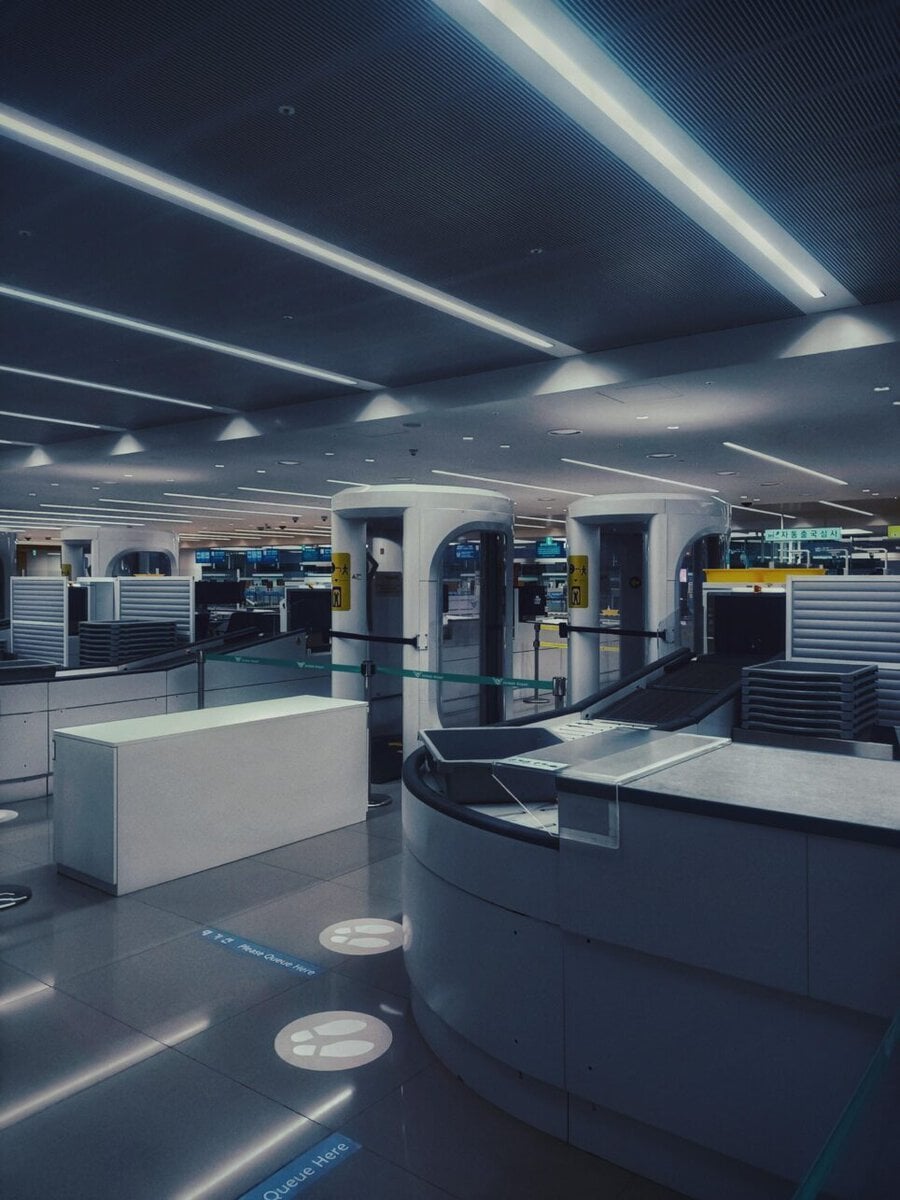
Beneath the undeniable efficiency and security enhancements of the digital border lies a profound cultural and emotional transformation. For generations of travelers, the passport stamp was far more than an administrative bureaucratic marker; it was a physical artifact of discovery, a tangible testament to journeys undertaken and horizons crossed.
The sensory elements of the old system—the heavy thud of an officer’s hand pressing a metal stamp into a crowded page, the distinctive smell of fresh ink, and the chaotic mosaic of multi-colored emblems from distant nations—served as a personal chronicle of exploration. A smudged mark from a remote outpost in Southeast Asia or a faded crest from an Andean border post provided quiet, undeniable proof of lived experience in a vast world.
As governments replace these rituals with silent algorithmic pings and facial recognition scans, the physical passport is gradually losing its narrative value. In response, modern travelers are increasingly treating expired passports as archival heirlooms, requesting that passport offices cancel rather than destroy their travel documents to preserve decades of inked history. While the future of global mobility promises unmatched speed, accuracy, and security, it leaves behind a romantic chapter of human exploration that algorithms and digital records can never fully replicate.