Community Initiative Addresses Title I School Library Deficits Through Bulk Discount Book Donations

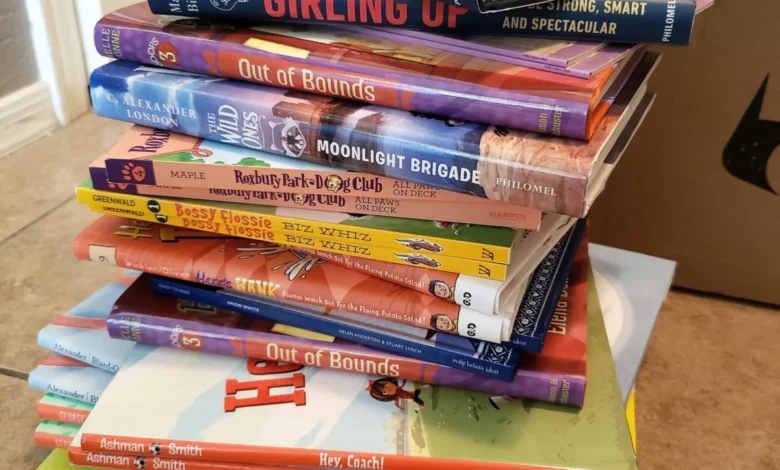
The holiday season traditionally prompts a surge in charitable giving, ranging from localized toy drives to national gift-fulfillment programs. However, systemic disparities in public school funding often leave foundational educational resources, such as functional library collections, critically underfunded—particularly in Title I designated districts. A recent community-driven initiative has brought renewed attention to this issue, demonstrating how strategic purchasing and grassroots mobilization can effectively bridge the resource gap for underserved student populations.
Genesis of the Initiative: Uncovering Resource Disparities
The campaign originated during a routine district Parent Teacher Organization (PTO) meeting, where a representative for a local Title I school disclosed a stark operational deficiency: the campus library lacked basic book inventories. Due to severe financial limitations within the surrounding residential tax base, traditional fundraising efforts yielded negligible results, leaving students with virtually no access to supplementary reading materials.

This revelation highlighted a pronounced inequity within the broader public school system. While more affluent schools in the same administrative district enjoy well-stocked media centers, economically disadvantaged campuses frequently struggle to acquire even foundational texts. Recognizing the direct correlation between access to reading materials and early childhood literacy development, local community members determined that standard holiday toy drives were insufficient to address the underlying academic deficit. Consequently, the focus shifted from seasonal entertainment items to sustainable educational infrastructure.
Strategic Sourcing and Budget Optimization
To maximize the impact of limited philanthropic funds, organizers utilized online liquidation and bargain book platforms, specifically BookOutlet.com. This model relies on purchasing publisher overstocks, store returns, and slightly damaged inventory, allowing organizations to acquire new hardcover and paperback literature at steep discounts.
Through this platform, organizers purchased 44 brand-new books for a total expenditure of approximately $40, utilizing promotional free shipping thresholds. Individual item costs ranged from $0.69 to a maximum of $1.29 per book. This high-volume, low-cost acquisition strategy demonstrated that modest financial contributions, when directed toward wholesale or liquidated inventory markets, can yield substantial material returns for resource-constrained institutions.

Chronology of Distribution and Holiday Logistics
The procurement and distribution timeline encountered minor logistical hurdles typical of the fourth-quarter retail surge. The online order was placed in mid-December, timed to coincide with regional philanthropic deadlines. However, nationwide holiday shipping congestion delayed delivery by 24 hours, causing the shipment to arrive at the organizers’ residence one day after local students commenced their winter recess.
Despite the brief scheduling setback, the delay did not impede the ultimate objective. Rather than abandoning the distribution timeline, organizers coordinated with school administrators to stage the book delivery as a surprise educational enhancement for students returning from the winter break in January.
In keeping with participatory educational values, the initial selection of books was presented to student stakeholders with three distinct options: retaining the collection for personal use, donating the inventory to a more affluent local school, or distributing the materials across two designated Title I institutions. The student stakeholders opted unanimously for the dual Title I school distribution model, reinforcing the community-oriented focus of the project.

Leveraging Corporate Cash-Back Programs for Philanthropy
To scale the initiative beyond individual contributions, organizers integrated third-party cash-back and shopping rewards platforms, specifically Rakuten, into the fundraising model. By utilizing referral links and retail activation portals, participants earned baseline cash-back percentages—such as 5 percent on participating book vendor purchases—alongside sign-up incentives.
Organizers leveraged these financial mechanisms by committing to match every new platform registration with an additional $10 allocation toward book purchases for Title I libraries. This model transforms routine consumer expenditures into philanthropic capital, providing a replicable framework for continuous, year-round community support without requiring large direct monetary donations from participants.
Broader Implications for Public Education Equity
The disparity in school library funding is a well-documented challenge within modern public education. According to data from the National Center for Education Statistics (NCES), disparities in per-pupil spending directly influence the availability of media specialists, updated reference materials, and circulating library collections in low-income school districts.

While federal Title I funding provides supplemental economic assistance to schools with high concentrations of students from low-income families, these allocations are frequently prioritized for core instructional staff, mandatory testing materials, and basic operational overhead. Consequently, discretionary amenities like school libraries often rely entirely on external fundraising, leaving marginalized student bodies at a distinct disadvantage.
Education policy experts note that grassroots interventions—while effective at providing immediate stopgap relief—highlight broader systemic funding deficiencies. However, initiatives that combine digital retail discounts with targeted distribution models offer a practical blueprint for civic engagement. By lowering the financial barrier to entry for book donations, community organizers can provide immediate, tangible support to school libraries while advocating for structural equity in public education resource allocation.