What to Wear in Morocco: Navigating Culture, Climate, and Comfort for a Respectful Journey

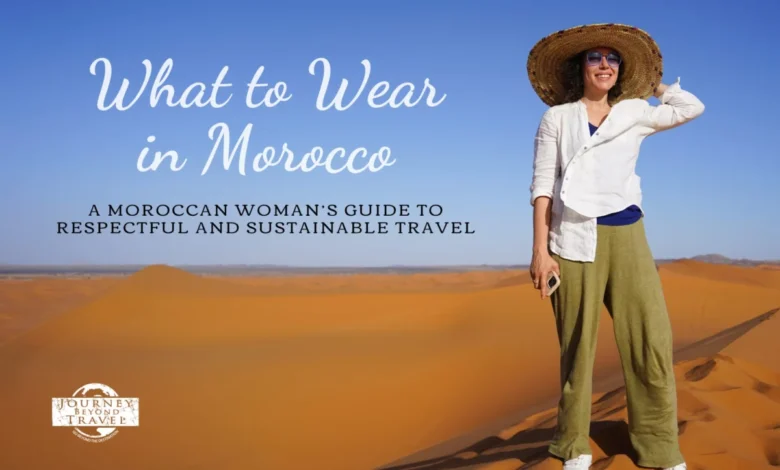
Travelers frequently inquire about appropriate attire for Morocco, particularly women, a question often stemming from a desire to respect local customs while ensuring personal comfort. While the Kingdom of Morocco does not enforce a national dress code, understanding its cultural landscape is paramount for an enriching and respectful visit. This article delves into the nuances of Moroccan fashion, climate considerations, and practical advice for packing, ensuring travelers are well-prepared for their journey through this vibrant North African nation.
Historical and Societal Shifts in Moroccan Dress
Morocco presents a fascinating tapestry of tradition and modernity, a dynamic evident in its evolving dress norms. Recalling Tangier in the 1980s, one might have observed a diverse mix on the beaches, from traditional jellabas (long hooded tunics) and flowing robes to bikinis and shorts. This eclectic blend reflected a more outwardly liberal period. Over the past few decades, however, societal dynamics have undergone subtle shifts. While Morocco remains a broadly liberal Muslim country without a strict legal dress code, there has been a noticeable trend towards more conservative clothing choices among some Moroccan women, partly as a response to an increase in unsolicited attention such as catcalling. This shift is influenced by various factors, including evolving interpretations of religious observance, global cultural exchanges, and socio-economic changes within the country. The tourism sector, which has seen significant growth, also plays a role in shaping public spaces and interactions, sometimes leading to a divergence in expectations between locals and visitors. Morocco welcomed 14.5 million tourists in 2023, a record figure underscoring its appeal, but also highlighting the importance of cultural sensitivity in tourist-dense areas.
The Pillars of Respectful Travel: Understanding Regional Nuances
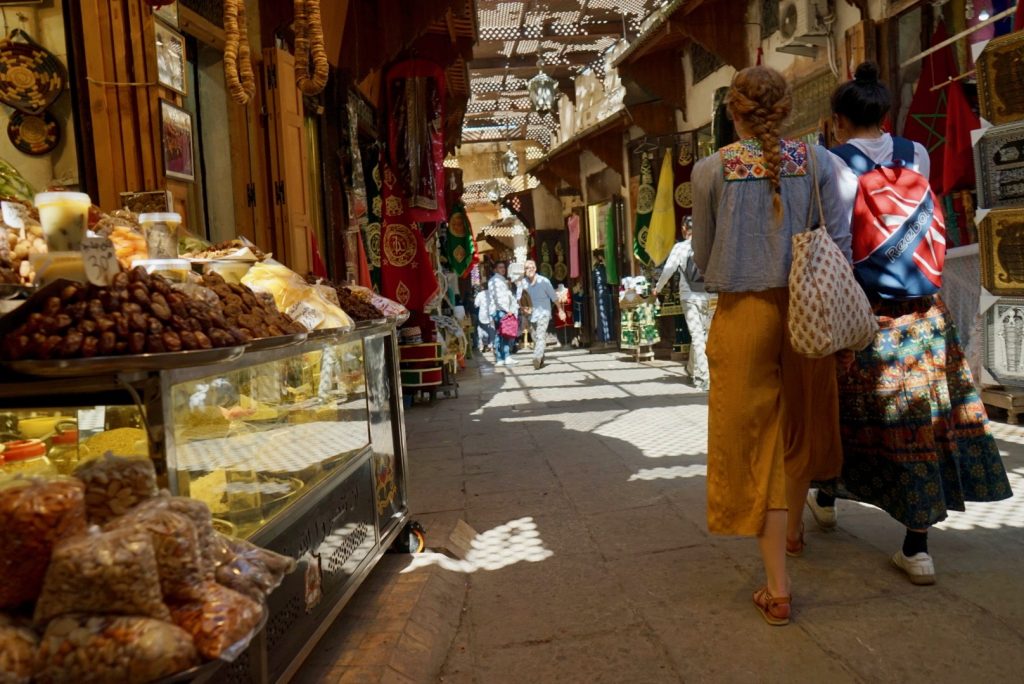
Respecting Moroccan traditions and local customs is fundamental for a meaningful travel experience, fostering genuine connections with residents and avoiding inadvertent cultural missteps. This is especially pertinent in smaller towns, villages, and rural areas, which generally maintain more conservative social and sartorial norms compared to major urban centers like Marrakesh or Casablanca. For instance, in a bustling city medina, a woman might wear jeans and a modest top, whereas in a remote Atlas Mountain village, more traditional and covering attire would be common. This regional variation mirrors similar patterns in many countries worldwide, where rural communities often adhere more closely to historical customs.
In specific contexts, such as visiting religious sites like mosques (non-Muslims typically enter only certain mosques, like Hassan II in Casablanca, with appropriate attire) or being invited into a Moroccan home, modesty becomes even more critical. For women, this generally means covering shoulders, cleavage, and knees. While head covering is not mandatory for female tourists, carrying a lightweight scarf can be invaluable for such occasions, demonstrating respect and facilitating entry into certain spaces. For men, avoiding very short shorts or sleeveless tops in more traditional settings is advisable. These practices are not about conforming to a strict code, but rather about showing an appreciation for the cultural fabric that defines Moroccan society.
Seasonal Sensibilities: Dressing for Morocco’s Diverse Climates
Morocco’s diverse geography, ranging from extensive coastlines to towering mountains and vast deserts, results in significant climatic variations that demand careful consideration when packing. Climate change has introduced a degree of unpredictability, yet general seasonal patterns remain discernible.

-
Spring (March-May): Ideal for Exploration
Spring is widely considered an excellent time to visit Morocco. Temperatures are generally mild and pleasant, ideal for sightseeing and outdoor activities. Coastal areas like Essaouira average around 18-22°C (64-72°F), while inland cities such as Marrakesh experience warmer days, often reaching 25-30°C (77-86°F), with cooler evenings. The Sahara Desert can begin to see daytime highs exceed 40°C (104°F) during late spring heatwaves, while mountainous regions like Chefchaouen might still experience cool, rainy days around 13°C (55°F). Packing light layers, including breathable cotton or linen for daytime and a light jacket or sweater for evenings, is recommended. Average rainfall across the country is significantly lower than winter, but occasional showers can occur, particularly in the north. -
Summer (June-August): Coastal Breezes vs. Inland Heat
Moroccan summers are characterized by intense heat, particularly inland and in the southern and desert regions. Marrakesh and Fez frequently see daytime temperatures soar to 38-43°C (100-110°F), with desert areas like Merzouga often exceeding 46°C (115°F). In contrast, coastal cities like Tangier and Essaouira offer a refreshing reprieve, with temperatures typically ranging from 24-30°C (75-86°F) thanks to ocean breezes. Humidity is generally low, making the dry heat feel intense and necessitating vigilant sun protection. Evenings can cool down considerably in the desert. Lightweight, loose-fitting clothing in natural fabrics (linen, cotton) and light colors, along with a wide-brimmed hat and robust sunscreen, are indispensable. -
Autumn (September-November): The Golden Season
Autumn is another highly favored period for travel, as the scorching summer heat gradually recedes. Inland temperatures moderate to a comfortable 27-32°C (80-90°F) during the day, with nights cooling to 15-20°C (60s°F). Coastal areas remain pleasantly warm and breezy, making beaches inviting. Rainfall is generally limited across most regions, creating ideal conditions for exploration. The Atlas Mountains may experience occasional showers as the season progresses. Layering remains key, with lightweight long-sleeved tops for daytime and warmer sweaters or light jackets for evenings. -
Winter (December-February): Mild Cities and Snowy Mountains
Moroccan winters are mild in coastal and central cities, with daytime highs around 13-18°C (55-65°F) in Marrakesh or Casablanca. However, nights can be surprisingly chilly, often dropping to 4-9°C (40s°F). The Atlas Mountains transform into a winter wonderland, receiving snowfall and offering opportunities for skiing and hiking in crisp, cold air, with temperatures often below freezing. Desert nights can also become very cold, sometimes approaching 0°C (32°F). Rainfall is more frequent in northern and coastal areas, while the south generally remains dry. Warm layers, including wool sweaters, a waterproof jacket, and sturdy, closed-toe shoes, are essential, especially when venturing into the mountains or desert.
A Comprehensive Packing Guide: Practicality Meets Cultural Awareness
Thoughtful packing, balancing climate needs with cultural sensitivity, enhances the Moroccan travel experience. Opting for natural fabrics and supporting local artisans contributes to sustainable tourism.
-
Foundation of Your Wardrobe: Natural Fabrics and Layering
Prioritize natural fibers like linen, organic cotton, and merino wool. These materials are breathable, comfortable in varying temperatures, and often more sustainable. Layering is a universally recommended strategy for Morocco’s fluctuating temperatures, allowing for easy adjustment throughout the day. The Moroccan textile industry, rooted in centuries of craftsmanship, offers a rich array of locally produced cottons and wools, providing opportunities for eco-conscious shopping. -
Tops: Versatility for Every Occasion

- Spring & Summer: Lightweight, light-colored cotton or linen shirts and blouses are ideal. Long sleeves offer sun protection without excessive warmth. Loose-fitting tunics or peasant-style tops are excellent for modesty and comfort. Sleeveless tops are generally acceptable in urban and tourist areas, but it’s wise to pair them with a scarf for spontaneous coverage. Avoid overly plunging necklines or spaghetti straps, especially outside of evening wear. Merino wool tops, known for their moisture-wicking and odor-resistant properties, are also excellent for warm weather.
- Fall & Winter: Focus on long-sleeved tops in heavier cotton, wool-blend sweaters, or thin merino layers for warmth. These are perfect for layering under a fleece or jacket. Rolling up sleeves provides flexibility for warmer daytime temperatures. For fair-skinned individuals, light long-sleeve layers offer crucial sun protection in the intense desert and mountain sun, even during cooler months.
-
Dresses & Skirts: Graceful and Practical
- Spring & Summer: Midi or maxi dresses and skirts are highly recommended. They are airy, comfortable, offer modesty, and protect from sun exposure. Wrap dresses or flowy skirts in light fabrics are stylish and practical for exploring medinas or dining at cafes. Mid- to high-knee length dresses or skirts are generally acceptable, but overly short or tight styles should be avoided, particularly outside of major tourist zones. A versatile solid-color dress can transition from casual daytime wear to an evening outfit with different accessories.
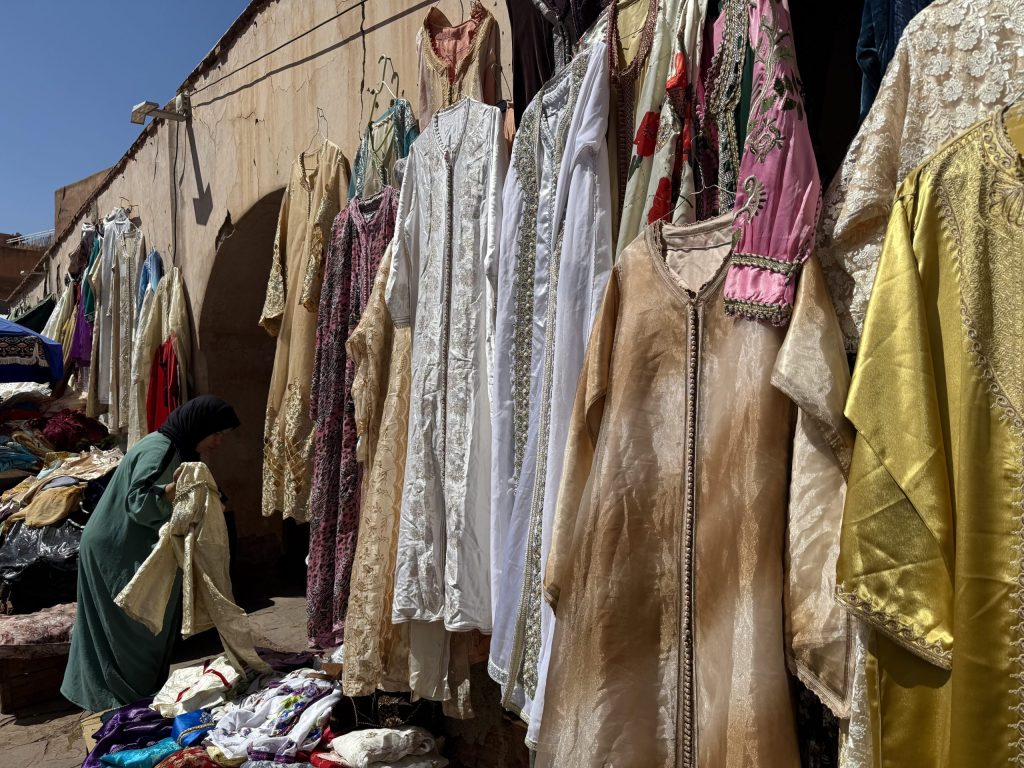
- Fall & Winter: Midi and maxi skirts in wool blends or heavier cotton, paired with tights or leggings, provide warmth. Long-sleeved dresses or sweater dresses, accessorized with scarves, create a chic and cozy look for city sightseeing or evening outings. Layering is key; a simple dress can be dressed up with boots and a tailored coat for dinner. Shirt dresses, light tunics, and kimonos, particularly those covering the thighs, offer conservative yet comfortable alternatives, often found with beautiful Moroccan embroidery in local bazaars.
-
Pants & Bottoms: Comfort and Coverage
- Spring & Summer: Wide-leg linen or cotton pants and culottes are perfect for both city exploration and desert excursions. Light colors reflect heat. While "Daisy Dukes" are inappropriate, mid-thigh safari-style shorts can be acceptable in specific tourist or recreational contexts. Tight shorts worn with a long tunic can also be a practical option for exercise.
- Fall & Winter: Heavier fabrics like denim, wool-blend pants, or corduroys are suitable. Denim jeans, while potentially too warm for summer, are versatile for cooler months. Leggings are excellent for layering under dresses or tunics, or worn with longer tops. When wearing skinny pants, ensure the bottom is covered, especially when visiting villages or for family meals, to maintain cultural respect.
-
Swimwear: Public vs. Private Spaces
- Spring & Summer: Bikinis, tankinis, and one-piece swimsuits are generally acceptable at hotel pools and private beaches. In public beaches outside major tourist hubs, more modest swimwear, such as a one-piece or a rash guard, is appreciated. String bikinis and topless sunbathing are strongly discouraged across Morocco. A lightweight cover-up or kaftan is ideal for transitioning to and from pool areas or beaches. Locally made kaftans or multi-purpose scarves serve as stylish and respectful cover-ups, supporting local artisans.
- Fall & Winter: While swimming is less common, a swimsuit is useful for heated pools or spa resorts. A warm cover-up or robe, along with sandals or flip-flops, is advisable for indoor/outdoor transitions. For a traditional hammam experience, a bikini bottom (disposable underwear often provided) is typically sufficient.
-
Outerwear: Adapting to Temperature Swings
- Spring & Summer: A light, waterproof windbreaker or rain jacket is recommended for occasional showers, chilly mornings, or cool desert evenings. A fleece top is a year-round essential, particularly in mountainous regions.
- Fall & Winter: Pack a warm hoodie, a waterproof rain jacket, several sweaters (wool or fleece), and a warm coat for colder winter months. Layering these items provides flexibility against varying temperatures.
-
Footwear: Essential for Exploration
Comfortable walking shoes are paramount for navigating Morocco’s often uneven medina streets and historical sites. Closed-toe sandals offer protection from dust and hazards while remaining breathable. Flip-flops are best reserved for beaches, pools, and riads, not for extensive city exploration.- Spring & Summer: Breathable sneakers or supportive flats are excellent for long walks. Light sandals are suitable for more relaxed settings.
- Fall & Winter: Closed-toe shoes or ankle boots with good traction are essential, especially waterproof options for rainy northern regions. Lightweight hiking shoes are ideal for mountain or desert terrain, though comfortable sneakers suffice for less strenuous treks.
Locally crafted raffia shoes, known for their lightness and breathability, and handmade leather shoes offer both style and support for travelers and provide a direct means of supporting local artisans.
Essential Accessories for Moroccan Adventures
Accessories are not merely decorative but can enhance comfort, protection, and cultural integration.
- Glasses: Sunglasses are a year-round necessity, particularly in the bright desert sun.
- Jewelry: Keep valuable jewelry to a minimum. Morocco is renowned for its exquisite silver jewelry, especially from regions like Tiznit, offering opportunities to acquire unique, culturally rich pieces. Always ensure metal authenticity with shop owners.
- Bags: A crossbody bag or daypack is practical for security and convenience in crowded markets. A tote bag is useful for beaches and excursions, with enough space for souvenirs. For eco-conscious travelers, a lightweight, reusable grocery bag and produce bags are invaluable for market purchases, minimizing plastic waste. Traditional woven palm straw bags (qouffa) are also widely available and make excellent souvenirs.
- Hats: A wide-brimmed hat provides crucial sun protection in summer, while a cozy beanie is welcome in winter. Local reed hats, like the northern sheshia, are both practical and culturally significant. Chefchaouen’s "Hat Man" shop offers a vibrant array of hand-knitted hats for all tastes.
- Scarves: A lightweight scarf is arguably the most versatile accessory for Morocco. While head covering is not mandatory for tourists (niqabs are scarce, burqas prohibited by the state), a scarf serves multiple purposes: sun protection for the head, neck, and shoulders; a modesty cover for religious sites or conservative areas; added warmth on cool desert evenings; or a stylish beach sarong. Medinas offer a vast selection of cotton or agave fiber scarves in beautiful colors.
Beyond Clothing: Hydration and Personal Care
- Sunscreen: Essential year-round, particularly in the south and desert. Opting for organic, reef-safe sunscreens in tin cans supports low-waste travel. Sunscreen and sunburn relief are readily available at local pharmacies.
- Layers: Reinforcing the earlier advice, light layers are crucial for spring/summer evenings, and heavier layers for fall/winter. Merino wool is a highly favored material for its adaptability.
- Reusable Water Bottle: Staying hydrated in Morocco’s climate is critical. Using filtered water bottles like LifeStraw or Grayl allows safe refills from various sources, significantly reducing plastic pollution.
- Basic Toiletries: Include lip balm and moisturizer to combat sun and wind. High-quality argan oil, a Moroccan specialty, is available in refillable bottles in souks and offers a low-waste alternative for skin care.
Dressing for Adventure: Hiking and Outdoor Activities
Morocco’s diverse landscapes—from the Sahara’s dunes to the snow-capped Atlas Mountains—offer abundant hiking opportunities. For those planning treks, consider adding:
- Sturdy hiking boots or shoes: Essential for varied terrain.
- Moisture-wicking socks: To prevent blisters and keep feet dry.
- Convertible pants: Practical for adapting to changing temperatures and environments.
- Layered technical wear: For temperature regulation in mountains.
- Small backpack: For water, snacks, and extra layers.
Embracing Local Craftsmanship: A Guide to Ethical Shopping
Shopping directly from artisans or co-operatives rather than mass-produced stalls not only provides unique, high-quality souvenirs but also directly supports the local economy and helps preserve traditional crafts.
-
Marrakesh: Artisanal Hub
- Chabi Chic: An ethical Moroccan brand promoting craftsmanship through Moroccan-inspired jewelry, pottery, and decor.
- Hanout Boutique: A charming indie designer shop offering modernized Moroccan dresses, tunics, and caftans, handmade by local artisans with a chic minimalist touch.
- Souk L’ghzal: The traditional wool market in the Marrakech Medina, featuring hand-spun and dyed wool, alongside an area for second-hand caftans, including charming vintage pieces.
- Raffia Shoe Shops: Scattered throughout the Medina, offering custom-made raffia shoes that are light, breathable, and a testament to modern Moroccan craftsmanship.
-
Tangier: Modern Moroccan Design
- Las Chicas concept store and Kasbah Collective: Both located near the Kasbah Gate, these stores offer designer clothes, bags, accessories, and home decor items, all locally handmade.
-
Chefchaouen: Unique Local Finds
- The Hat Man: Situated on Rue Targui in the medina, this iconic shop offers a colorful collection of hand-knitted hats, ranging from traditional to whimsical.
-
Essaouira: Raffia and Coastal Style
- Abdellah (Rafia Fashion Style): A raffia shoemaker and designer on Rue Abdelaziz Fachtali, offering beautiful, customizable shoes, purses, and bags made from natural raffia fiber, blending modern and traditional styles.
-
Online: Contemporary Moroccan Jewelry
- Rita Creations: A Moroccan designer jewelry brand based in Rabat, known for blending heritage and modernity in minimalist silver designs. Inspired by Berber tattoos, Arabic calligraphy, and geometric shapes, these pieces celebrate craftsmanship and timeless style.
Conclusion: The Art of Harmonious Travel
The diverse array of styles seen across Morocco, from traditional jellabas to contemporary jeans and dresses, reflects a society in flux. While tourist hubs and coastal towns may exhibit more relaxed attitudes towards dress, particularly in summer, a conscious effort to demonstrate cultural awareness through clothing is a cornerstone of respectful and sustainable travel. Moroccan women adeptly blend tradition with contemporary fashion; by adopting a similar spirit and staying true to personal style, travelers can feel comfortable, confident, and harmoniously integrated into Morocco’s vibrant culture. When preparing for a Moroccan adventure, remember the three C’s: Comfort, Climate, and Customs, ensuring a journey that is both personally fulfilling and culturally enriching.
Planning Your Moroccan Journey
For over two decades, Journey Beyond Travel has specialized in designing private, bespoke tours of Morocco, offering expert guidance on every aspect of your trip, including practical advice on what to expect and how to prepare.
- Browse our Morocco itineraries
- Get in touch with our team
Expert Insights from Amina Lahbabi
Amina Lahbabi, a proud Moroccan, feminist, climate change activist, and accomplished photographer, brings a unique perspective to travel in Morocco. Her deep understanding of Moroccan culture, commitment to sustainable practices, and advocacy for education and equal rights inform a thoughtful approach to engaging with the country. As a Fulbright Scholar with multiple graduate degrees in translation and communication, her insights emphasize the importance of mindful travel choices that support local communities and respect the environment. Residing in Tangier, Amina continually explores ways to make travel more eco-friendly and culturally resonant.