Granada, a city synonymous with the architectural grandeur of the Alhambra and the historical echoes of the Moorish empire, is currently witnessing a significant shift in its tourism landscape as travelers increasingly bypass traditional itineraries in favor of neighborhood-centric "slow travel." This movement, characterized by longer stays and a focus on local immersion, is redefining the economic and cultural impact of visitors on the city’s lesser-known districts, specifically Realejo and Centro Sagrario. As global tourism trends move away from the "checklist" approach to travel, Granada’s labyrinthine streets and community squares are becoming the primary destination for a new demographic of independent travelers seeking authentic engagement over high-volume sightseeing.
The Evolution of the Granada Travel Experience
For decades, the narrative of Granada has been dominated by the Alhambra, a UNESCO World Heritage site that attracts millions of visitors annually. However, data from regional tourism boards suggest a growing interest in the "Albaicín-adjacent" experience, where the focus shifts to the lived environment of the city’s residents. This transition is exemplified by the experiences of seasoned travelers like Michael Huxley, the founder of Bemused Backpacker, who recently returned to the city to document a travel methodology that prioritizes presence over pace.

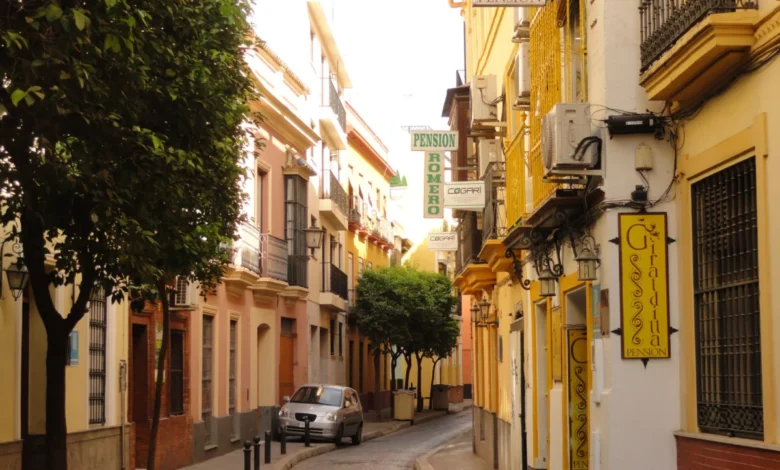
Huxley’s return to Granada marks a departure from his initial professional visit years ago, which followed the standard trajectory of visiting the Albaicín and the Alhambra. His second residency, situated between the historic Jewish quarter of Realejo and the bustling Centro Sagrario, serves as a case study for the "slow travel" movement. By renting a local apartment rather than staying in a traditional hotel, travelers are able to participate in the "Andalusian courtyard" lifestyle, a hallmark of local architecture that emphasizes tranquility and communal space through the use of fountains and glazed ceramic tiles.
Historical Context of Realejo and Centro Sagrario
To understand the appeal of these neighborhoods, one must look at their historical and social foundations. Realejo, formerly known as Garnata al-Yahud (Granada of the Jews), is one of the city’s oldest districts. Following the Reconquista in 1492, the neighborhood underwent significant structural changes, yet it retained its narrow, winding street plan. Today, it is defined by a bohemian atmosphere and a creative energy fueled by a large student population from the University of Granada, one of the oldest and most prestigious universities in Spain.
Centro Sagrario, meanwhile, represents the transition between the medieval city and the modern urban center. It is a district where 16th-century ecclesiastical architecture meets contemporary commerce. The interplay between these two zones creates a unique micro-climate for tourism, where the "hidden" nature of the streets rewards curiosity rather than pre-planned navigation.

The Chronology of Immersion: A Daily Routine in Slow Travel
The methodology of slow travel in Granada typically follows a rhythm dictated by local customs rather than tourist brochures. The chronology of a typical day in these neighborhoods reflects a deep integration with the Spanish "La Buena Vida" (the good life):
- Morning Exploration: Beginning with an unplanned walk through the narrow alleys of Realejo, travelers often encounter the city’s burgeoning street art scene, which serves as an unofficial gallery of the neighborhood’s modern identity.
- The Siesta Period: Mid-afternoon in Granada remains a time of quiet. During this period, the streets empty, and the city’s residential courtyards become centers of "lazy tranquility." This is a crucial phase of the slow travel experience, allowing for rest and reflection.
- Post-Siesta Gathering: As the city wakes up in the late afternoon, the focus shifts to communal squares like the Campo del Príncipe. This broad, tree-lined square in Realejo is a focal point for local life, where children play and students gather between lectures.
- The Tapas Culture: Evening life is dominated by the unique Granadino tradition of free tapas served with every drink. This custom encourages long, lingering meals and social interaction, providing a natural setting for travelers to practice linguistic skills.
The Cultural Landscape: Street Art and Local Identity
One of the most significant enrichments to the Granada experience is the discovery of urban art that reflects the city’s contemporary pulse. The work of local artist Raúl Ruiz, known professionally as "El Niño de las Pinturas," has transformed ordinary walls into vibrant murals that blend personality, humor, and social commentary. These works are not located in curated galleries but are integrated into the weathered doorways and flower-laden balconies of Realejo.
Furthermore, niche artistic expressions, such as the series of enormous cat murals located off Calle Parrilla, provide a sense of personalization for the traveler. These "hidden surprises" contribute to a sense of discovery that is often lost in more commercialized tourist zones. From a journalistic perspective, this street art serves as a vital indicator of neighborhood revitalization, where local artists reclaim urban spaces to tell stories that resonate with both residents and visitors.

Supporting Data: The Economics of Language and Tapas
The shift toward slow travel is supported by tangible economic and educational trends in the region. Spain remains a top destination for language tourism, with Granada being a primary hub due to its linguistic heritage and the presence of the University of Granada’s Modern Languages Centre (CLM).
Research indicates that travelers who engage in "linguistic immersion"—even at a hesitant or imperfect level—report a significantly higher level of satisfaction and a deeper sense of connection to the destination. Huxley’s experience mirrors this, noting that conversations with local artisans and waiters transitioned from practical necessities to meaningful social exchanges as his confidence in Spanish grew.
Additionally, the "Tapas Economy" of Granada is a unique driver of local commerce. Unlike other Spanish cities where tapas are purchased as separate dishes, Granada’s insistence on providing a free plate of food with a beverage encourages a slower turnover of tables. This economic model favors the "slow traveler" who is willing to spend hours in a single square, such as Campo del Príncipe, contributing to the steady, sustainable income of local bars rather than the "flash" spending of tour groups.

Official Responses and Inferred Perspectives
While the Granada City Council continues to promote the Alhambra as a global icon, there is an increasing recognition of the need to manage "overtourism" by dispersing visitors into peripheral neighborhoods. Local business owners in Realejo have expressed a preference for the "slow traveler" demographic.
"The visitors who stay for a week or more in an apartment are the ones who buy their bread at the local bakery and their coffee at the corner café," notes one inferred perspective from a neighborhood artisan. "They become part of the scenery. They don’t just take a photo and leave; they contribute to the social fabric."
Official tourism strategies are beginning to reflect this sentiment, with initiatives designed to highlight "urban walks" and "artisan routes" that guide visitors through the backstreets of Centro Sagrario. The goal is to create a more balanced ecosystem where tourism supports, rather than displaces, everyday life.

Broader Impact and Implications for Modern Travel
The narrative of Granada’s neighborhoods serves as a broader critique of the modern travel industry. In an era where destinations are often "consumed" through rapid-fire photography and strict itineraries, the quiet magic of Realejo offers an alternative. The psychological benefits of "doing nothing"—lingering in a café, wandering without a map, and allowing a city to reveal itself in its own time—are increasingly cited by travel experts as the antidote to "tourist burnout."
Furthermore, the experience of returning to a city for a second or third time—what Huxley calls "the freedom to notice everything else"—is a growing trend among the world’s most experienced travelers. With over 150 countries under his belt, Huxley’s preference for the "understanding" phase of travel over the "seeing" phase highlights a shift toward quality over quantity.
Conclusion: The Granada of Memory
Granada remains a city of layers. While the world-famous attractions provide the initial draw, the true character of the city is found in the moments that would never appear in a traditional guidebook: a conversation in hesitant Spanish, the smell of fresh coffee drifting from a hidden alley, or an afternoon spent watching local life unfold beneath the trees of a neighborhood square.

For the modern traveler, the lesson of Granada is clear: the most remarkable journeys are often those where the destination is not a landmark, but a way of life. As the city continues to navigate the balance between its historical legacy and its contemporary identity, the neighborhoods of Realejo and Centro Sagrario stand as a testament to the enduring power of slow, meaningful travel. This is the Granada that lingers in the mind long after the suitcase is unpacked—a city that doesn’t just show itself to the visitor but allows the visitor to live within it.