From Digital Nomad to Polar Expedition Guide: The Evolution of Adventure Travel Careers in the High North

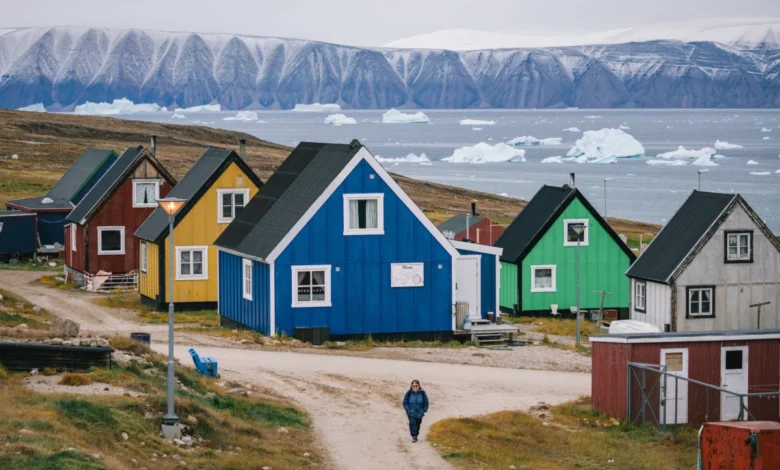
The landscape of modern travel content creation is undergoing a profound structural shift, moving away from traditional influencer monetization models toward specialized, hands-on industry roles. This transformation is vividly illustrated by the career trajectory of veteran travel chroniclers who are transitioning from digital storytelling to professional expedition guiding and specialized trip curation in some of the planet’s most remote environments. As the demand for experiential and remote-location tourism surges post-pandemic, industry professionals are redefining what it means to work in travel, trading the saturated digital sphere for deep operational involvement in polar regions.
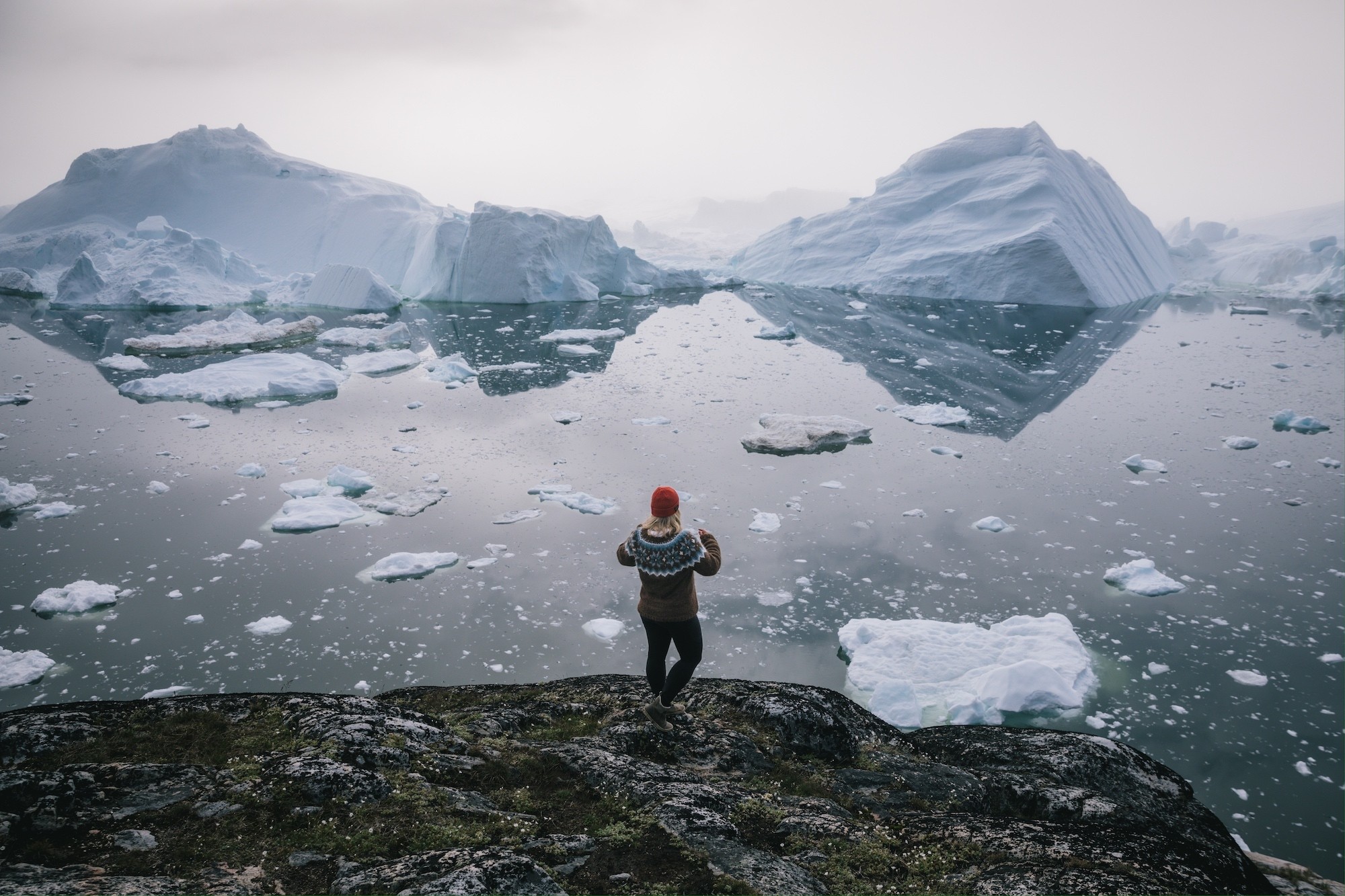
The Logistics and Reality of Modern Polar Tourism
Visiting the Arctic and Antarctica remains an extraordinary logistical challenge. Historically locked away by formidable sea ice for the vast majority of the year, the polar regions are accessible only during a brief, narrow window during the summer months when ice packs recede sufficiently to permit maritime navigation. Even during this optimal season, transportation relies heavily on specialized expedition vessels, reinforced hulls, small inflatable Zodiac craft, light aircraft, and, during the prolonged winters, snowmobiles.
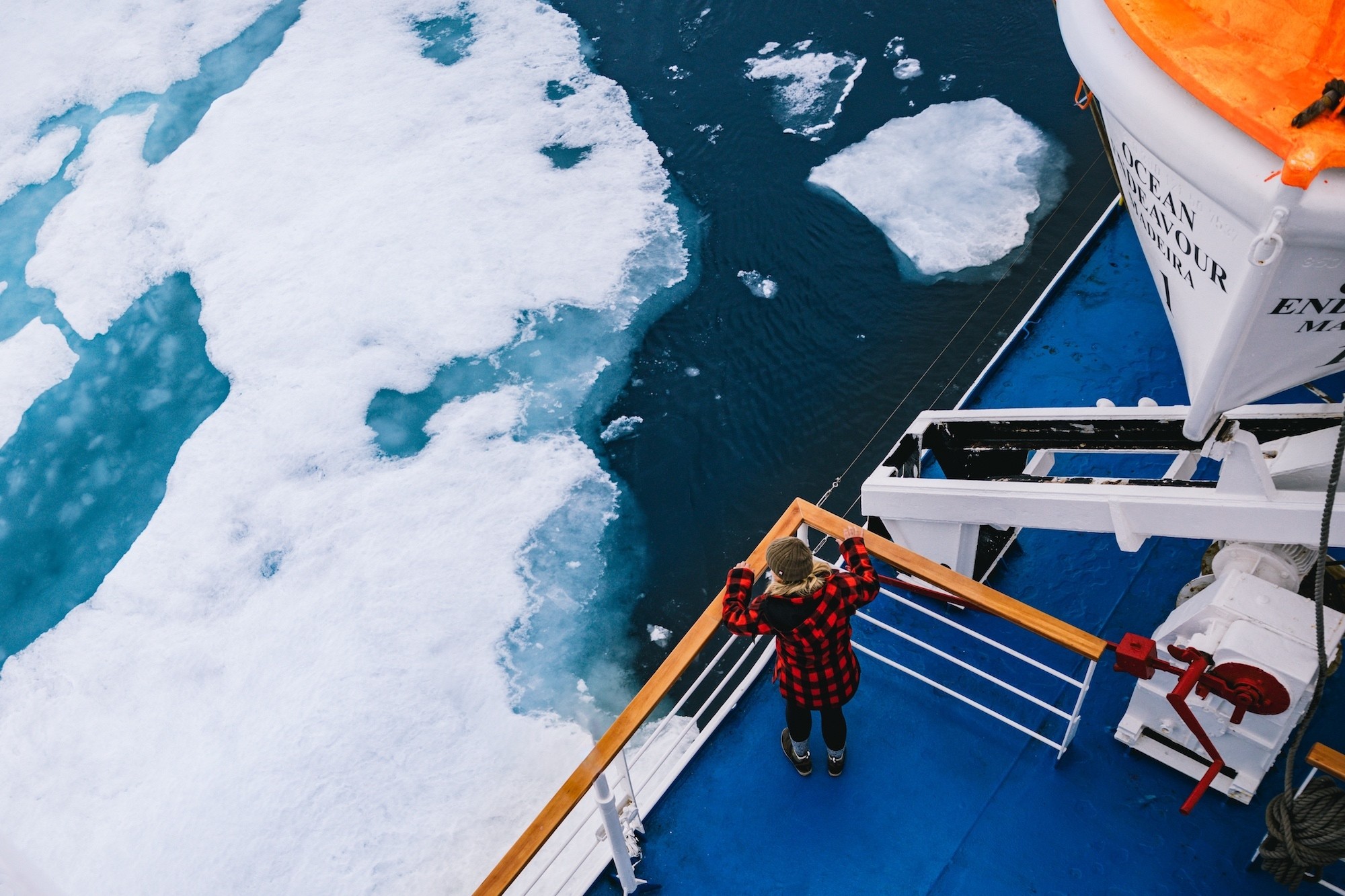
This extreme geographic isolation is precisely what drives contemporary interest, yet it demands rigorous safety protocols, experienced personnel, and specialized infrastructure. According to the International Association of Antarctica Tour Operators (IAATO) and parallel Arctic monitoring bodies, polar tourism has experienced a steady post-pandemic rebound, driven by travelers seeking meaningful, remote experiences rather than mass-market destinations. Operating within this ecosystem requires a departure from casual tourism; it necessitates professional guides capable of navigating unpredictable weather, managing wildlife encounters, and interpreting complex glacial and marine environments for passengers.
A Paradigm Shift Away from the Digital Hustle
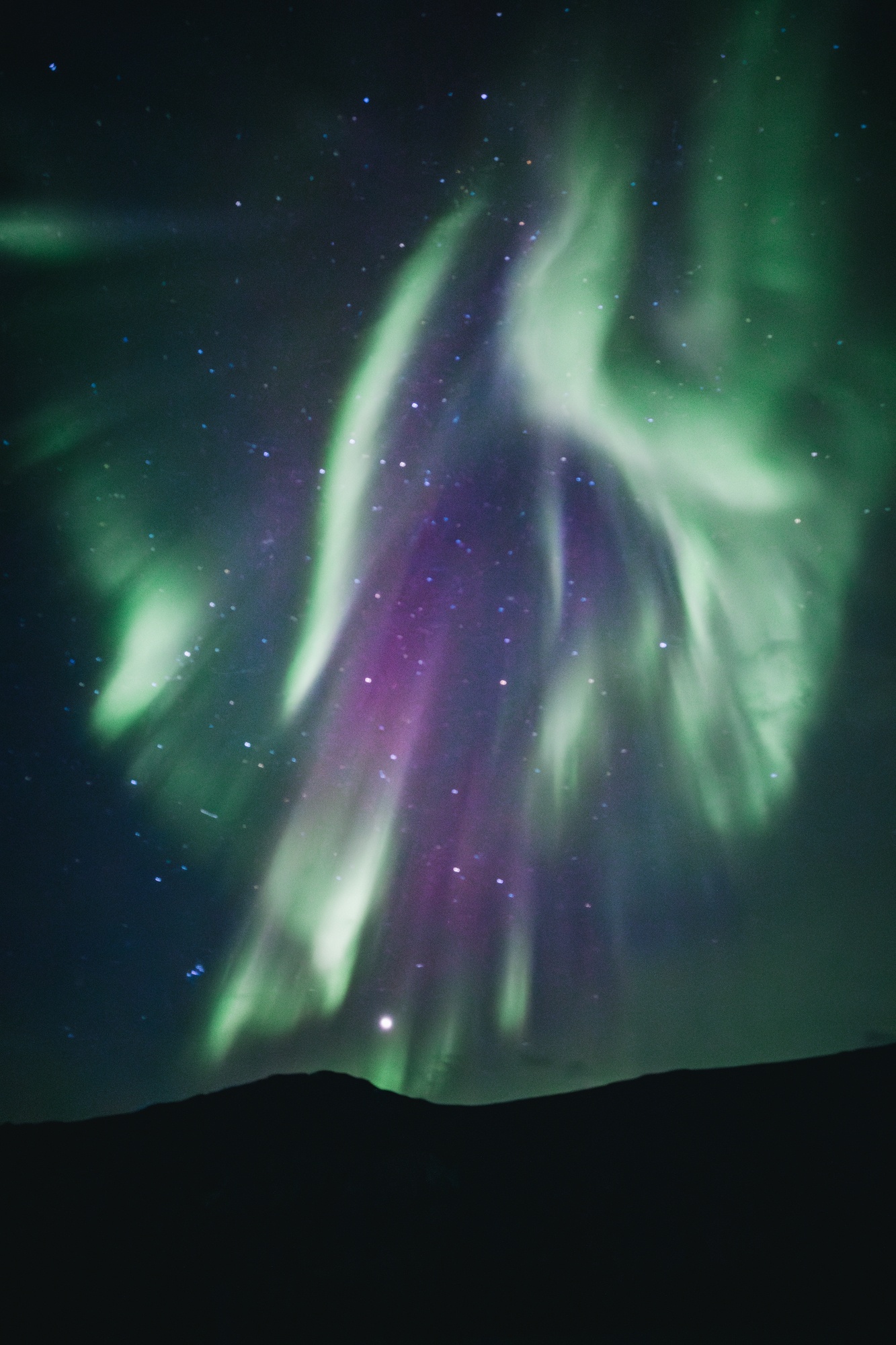
The decision of prominent travel creators to pivot toward guiding highlights a broader disillusionment with the traditional influencer economy. Following the global disruptions of the COVID-19 pandemic, many long-term digital creators have expressed fatigue regarding the perpetual demands of content production, algorithmic competition, and brand sponsorships.
Industry analysts note a growing trend of content creators seeking stability, tangible community, and psychological well-being by integrating into legacy travel companies rather than operating as isolated entities. By embedding themselves within established expedition frameworks—such as multi-month seasonal contracts with specialized operators like Adventure Canada—these professionals transition from observers to active participants in the travel supply chain. This shift not only provides a reliable, diversified income through operational salaries and referral commissions but also restores a sense of creative autonomy untethered from social media metrics.
The Operational Ecosystem of Arctic Expeditions
Operating in the high north relies heavily on specialized, family-owned or boutique operators that emphasize educational enrichment alongside physical exploration. Adventure Canada, for instance, operates with a continuity of staff and high passenger return rates, often seeing up to fifty percent of its clientele composed of repeat travelers. This high retention rate underscores a specialized market niche where community, shared educational goals, and generational loyalty supersede transient tourism.

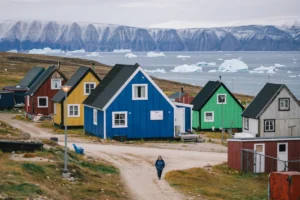
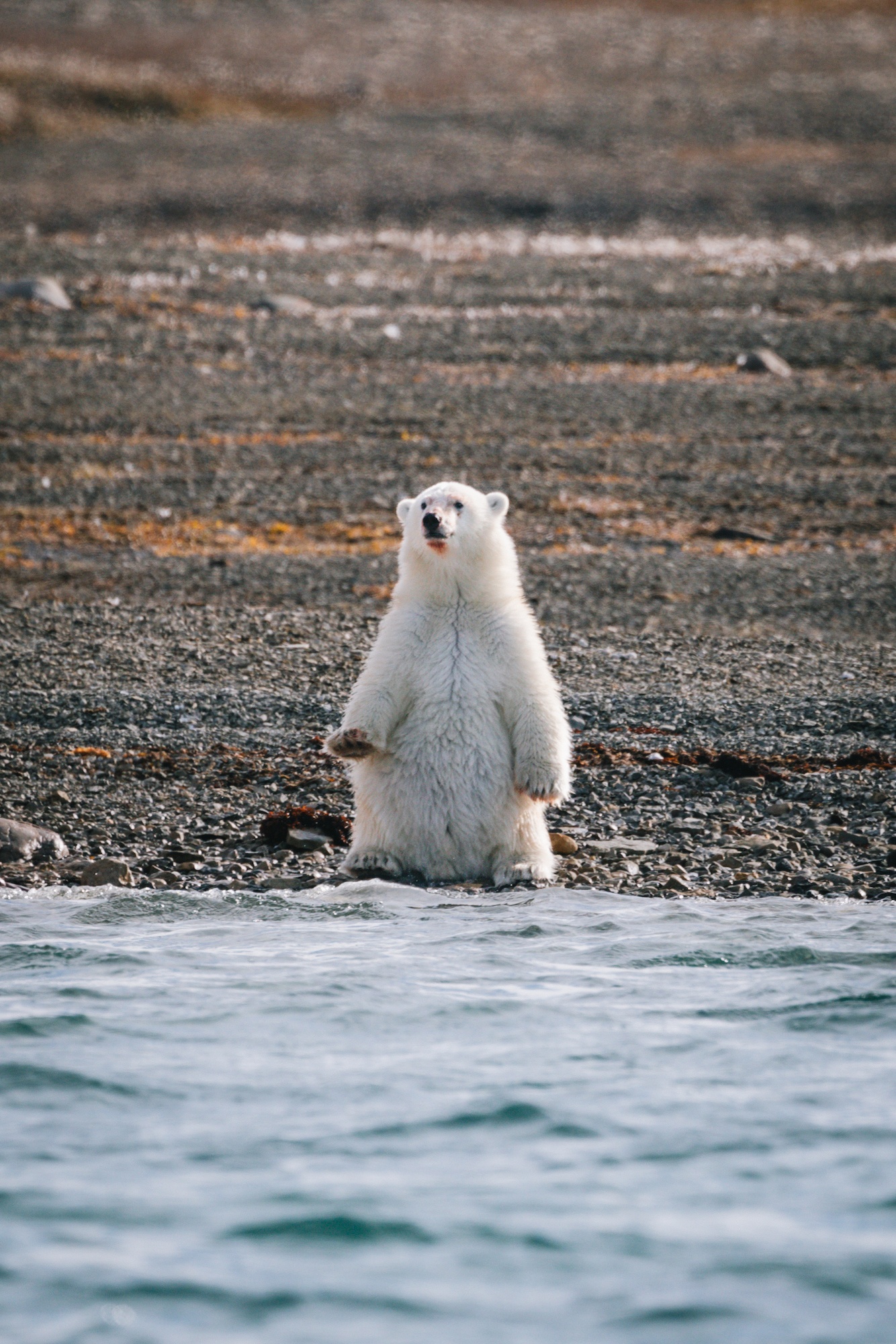
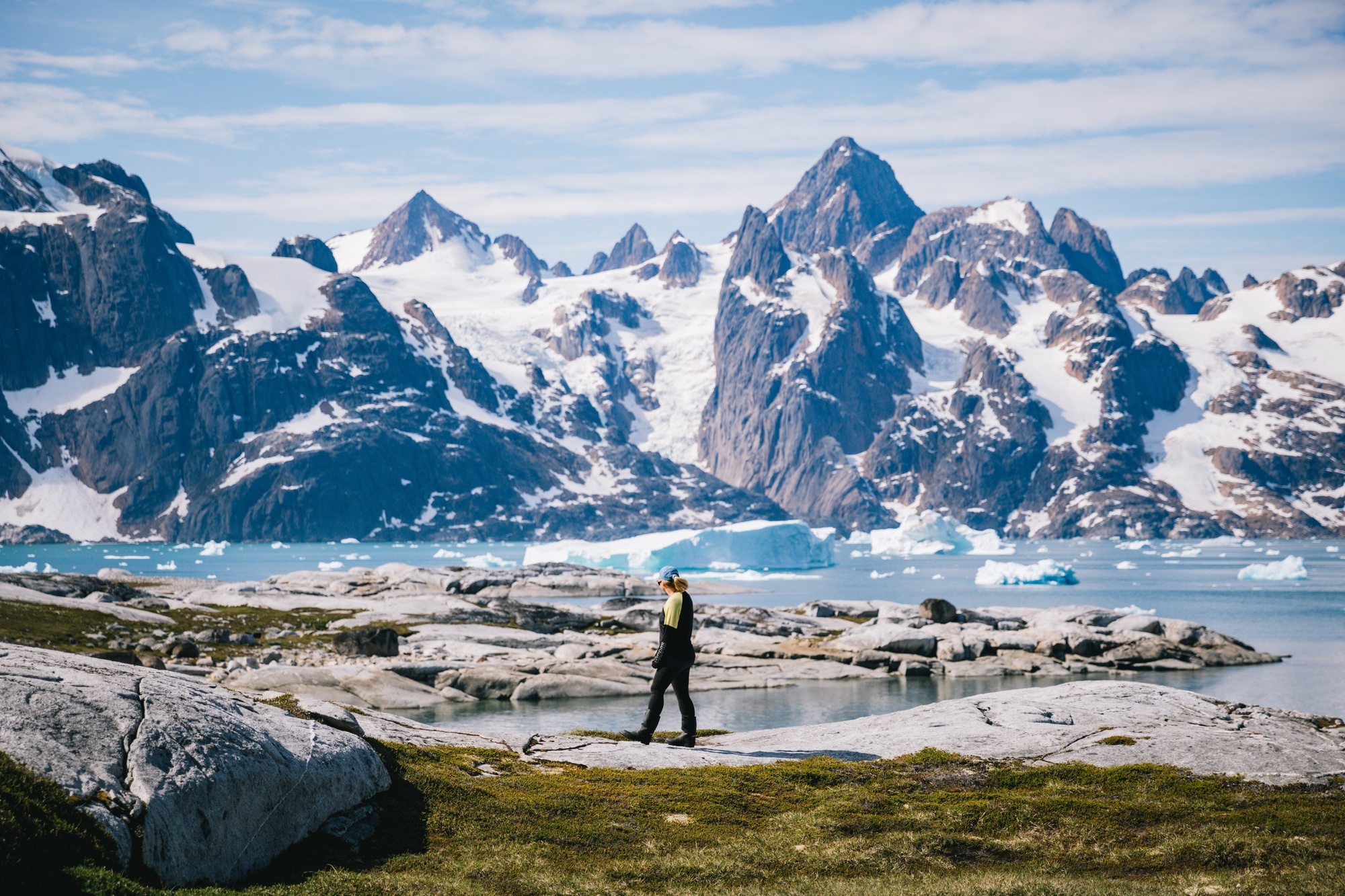
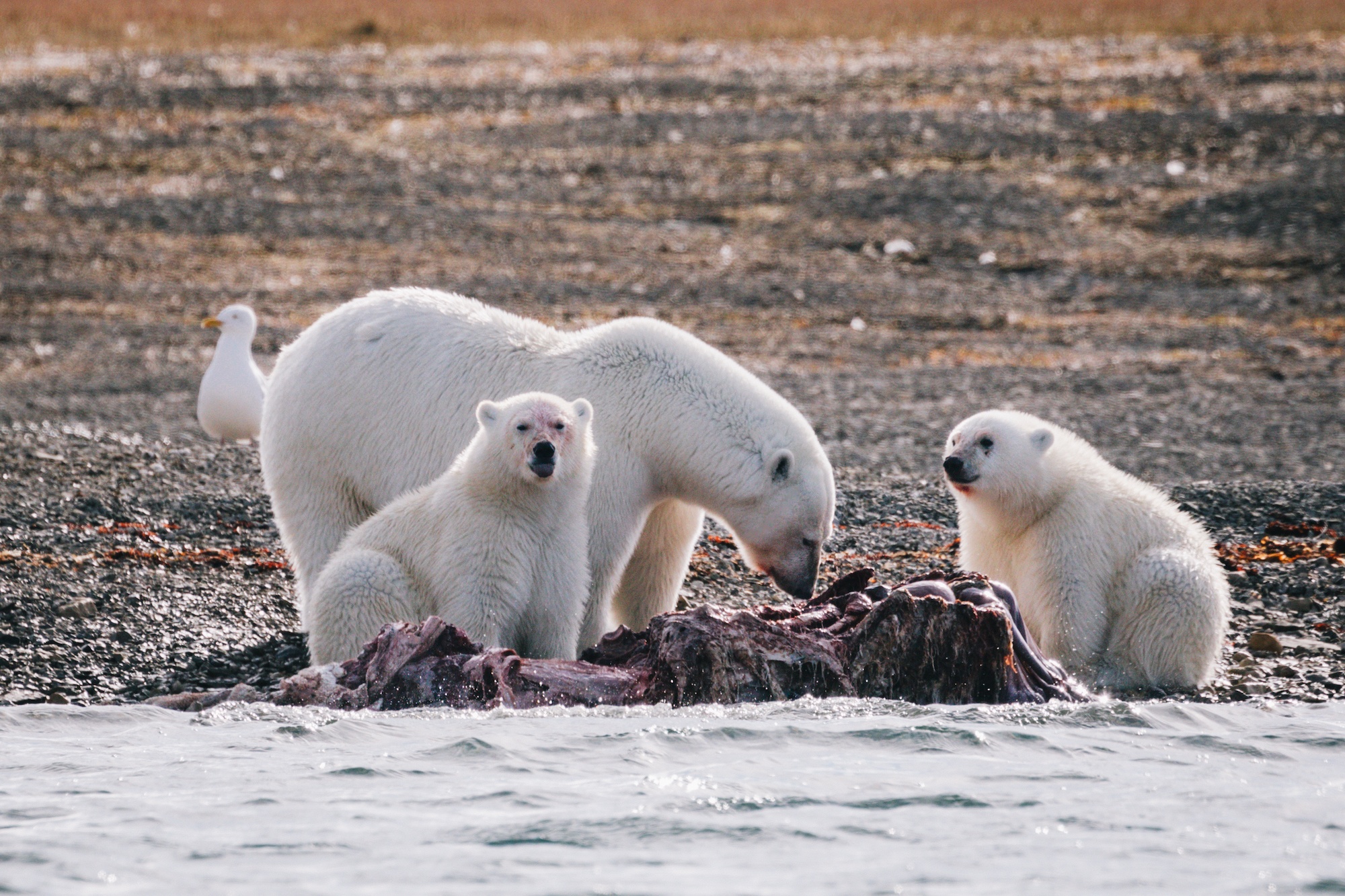
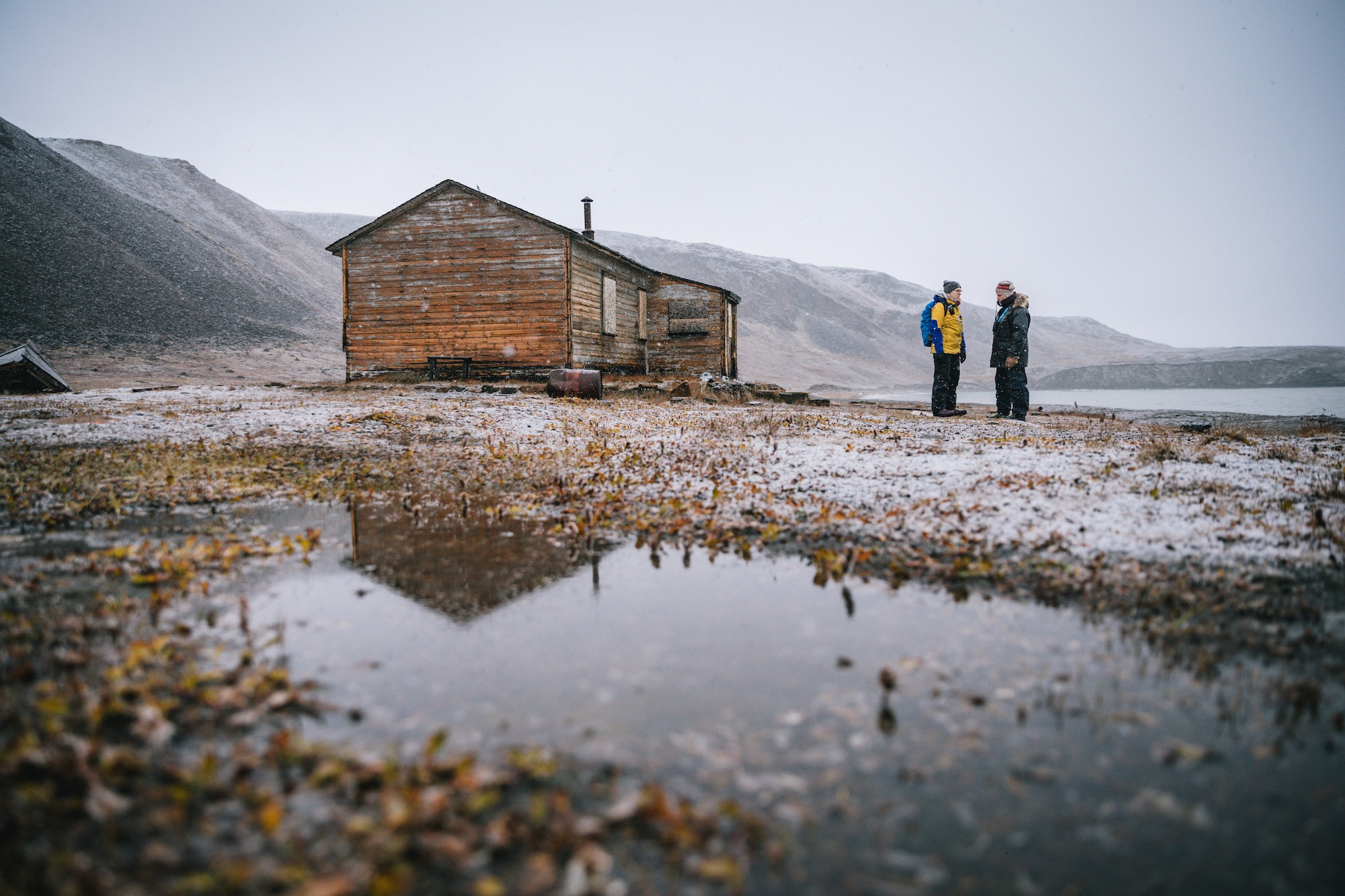
Expedition schedules during a typical three-month Arctic summer encompass complex itineraries spanning the Canadian Arctic and Greenland. Daily operations involve navigating past icebergs of immense scale, monitoring marine wildlife—including bowhead whales, narwhals, and polar bears—and facilitating cultural exchanges with northern Indigenous communities. Such voyages often incorporate historical touchpoints, such as tracing Arctic exploration routes on Beechey Island, alongside contemporary scientific observations of diminishing glaciers and sea ice dynamics.
Economic Implications and the Rise of Niche Travel Brokerage
As travel professionals formalize their advisory roles, the mechanics of tour bookings are evolving. Rather than relying on traditional high-street agencies or purely automated booking platforms, consumers increasingly turn to trusted subject-matter experts who possess firsthand operational experience in niche destinations.
Under this referral and advisory model, experienced guides act as specialized consultants who assist prospective travelers in selecting appropriate vessels, cabin categories, and departure dates based on deep contextual knowledge of the region. This consultative approach yields a modest commission structure for the advisor while providing the consumer with tailored, risk-mitigated itinerary planning. For the industry at large, this peer-to-peer advisory model represents a maturation of influencer marketing, replacing superficial promotional posts with authoritative, expertise-driven sales.
Environmental Stewardship and the Ambassador Effect
A critical component of modern polar travel is the intentional cultivation of environmental stewardship. Conservationists and polar operators frequently emphasize the "ambassador effect"—the sociological phenomenon wherein travelers who witness the fragile ecosystems of the Arctic and Antarctica firsthand return home as vocal advocates for climate action and polar conservation.
With Arctic amplification causing temperatures in the high north to rise at rates significantly faster than the global average, the visibility of melting sea ice and shifting wildlife habitats has transformed commercial vessels into platforms for citizen science and public education. Expedition staff play a vital role in this educational framework, translating complex scientific data regarding glacial retreat and marine biodiversity into accessible narratives for passengers.
By encouraging sustainable, low-impact tourism and fostering direct connections with northern communities, the modern expedition model attempts to balance the economic realities of polar access with the imperative of environmental preservation. As more travel professionals anchor their careers in these remote regions, the emphasis increasingly shifts from passive documentation to active preservation, ensuring that the allure of the high north serves as a catalyst for its long-term protection.